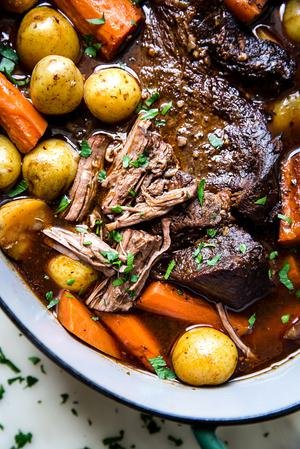
Are you ready to make a roast beef that’s tender, juicy, and full of rich flavor? Cooking roast beef in a Dutch oven is a simple way to achieve just that, even if you’re not an expert chef.
Imagine slicing into a perfectly cooked roast that melts in your mouth and fills your kitchen with an irresistible aroma. In this guide, you’ll discover easy steps and insider tips to help you master this classic dish. Keep reading, and soon you’ll impress your family and friends with a roast beef dinner they won’t forget.

Credit: gratefulgrits.com
Choosing The Right Cut
Choosing the right cut of beef is key to a delicious roast in a Dutch oven. The cut affects flavor, tenderness, and cooking time. A good choice ensures juicy, flavorful meat that cooks evenly. Some cuts are better for slow cooking, while others are ideal for roasting.
Best Beef Cuts For Roasting
- Chuck roast – rich in flavor, great for slow cooking
- Rib roast – tender, with good marbling and flavor
- Top sirloin – leaner but still tender and tasty
- Brisket – needs slow cooking, becomes very tender
- Round roast – lean, best cooked slowly to avoid dryness
Each cut offers a different texture and taste. Choose based on your cooking style and desired result.
Tips For Selecting Quality Meat
- Pick beef with a bright red color, not brown
- Look for even marbling for better flavor and tenderness
- Choose cuts with firm, fine-grained texture
- Avoid meat with an unpleasant odor or sticky feel
- Check the sell-by date for freshness
Fresh, quality meat improves the final roast’s taste. Take time to choose well for a satisfying meal.
Preparing The Beef
Preparing the beef correctly sets the stage for a mouthwatering roast cooked in your Dutch oven. It’s more than just picking the right cut; how you treat the meat before cooking makes a huge difference in flavor and texture. Taking time with seasoning and searing enhances the taste and locks in juices, giving you a tender roast every time.
Seasoning Essentials
Seasoning your roast beef well is key to building layers of flavor. Start with a generous sprinkle of salt and freshly ground black pepper on all sides. These simple ingredients bring out the natural taste of the beef without overpowering it.
You can also add herbs like rosemary, thyme, or garlic powder for an aromatic boost. Don’t be afraid to rub the spices into the meat; this helps them stick and penetrate deeper. Have you ever noticed how a well-seasoned crust adds a satisfying bite to your roast?
Trimming And Searing Techniques
Trimming excess fat is important but don’t remove it all—some fat keeps the beef moist during cooking. Leave a thin layer to render down and add flavor. Cut away any silver skin or tough bits that won’t melt during roasting.
Searing the beef before roasting in the Dutch oven creates a rich, caramelized crust. Heat oil in the pot until it’s shimmering, then place the beef in without moving it for a few minutes. This step seals in juices and adds depth to the final dish.
Are you paying enough attention to this step, or do you skip it to save time? Searing makes a noticeable difference you’ll appreciate in every bite.
Setting Up The Dutch Oven
Setting up the Dutch oven correctly ensures your roast beef cooks evenly and stays juicy. Preparing the pot is key to getting that perfect sear and tender inside. A well-prepared Dutch oven locks in flavors and heat.
Selecting The Perfect Dutch Oven
Choose a Dutch oven large enough for your roast beef. It should have a tight-fitting lid to keep moisture inside. Cast iron is ideal for even heat distribution. Enamel-coated ovens are easier to clean and prevent rust.
Look for these features:
- Heavy bottom for steady heat
- Size that fits both the meat and oven rack
- Durable handles for safe lifting
Preheating And Oil Use
Preheat the Dutch oven on medium-high heat before adding the meat. This helps create a crispy crust on the roast. Add a small amount of oil with a high smoke point, like vegetable or canola oil.
Steps to follow:
- Heat the pot until oil shimmers
- Place the roast carefully to avoid splatters
- Turn meat to sear all sides evenly

Credit: pinkowlkitchen.com
Cooking Process
Begin by seasoning the beef and heating oil in the Dutch oven. Brown the meat on all sides, then add broth and vegetables. Cover and cook slowly in the oven until tender and juicy.
The cooking process of roast beef in a Dutch oven is crucial. This method ensures the meat is flavorful and tender. Each step in the process plays a vital role. Let's explore how to perfect this classic dish.
Oven Temperature And Timing
Preheat your oven to 325°F. This moderate temperature allows for even cooking. Place the Dutch oven with beef inside the oven. Cook for about 20 minutes per pound. Keep an eye on the clock. Adjust time based on beef size and preference.
Using Aromatics And Liquids
Aromatics enhance the beef's flavor. Add onions, garlic, and herbs to the Dutch oven. Pour in a cup of beef broth or red wine. These liquids prevent dryness. The beef absorbs the flavors as it cooks.
Checking For Doneness
Use a meat thermometer to check doneness. Insert it into the thickest part of the beef. For medium-rare, aim for 135°F. Let the meat rest after cooking. This helps retain juices and flavor.
Resting And Serving
Resting and serving roast beef cooked in a Dutch oven is key to a tender, juicy meal. After cooking, the meat needs time to settle. This pause lets the juices spread evenly inside. Serving the beef properly enhances its flavors and makes your meal memorable.
Importance Of Resting The Meat
Resting keeps the roast moist and flavorful. Cutting the meat too soon lets the juices escape. Wrap the roast loosely in foil. Let it rest for at least 15 to 20 minutes. This step also helps the meat finish cooking evenly. The result is a tender, juicy roast ready to enjoy.
Carving Tips
Use a sharp knife to carve the roast. Slice against the grain for the best tenderness. Cut the meat into thin, even slices. This makes it easier to chew and enjoy. Keep the slices uniform for a nicer presentation. Save the juices in the Dutch oven to drizzle on the meat.
Side Dishes To Complement
- Roasted vegetables like carrots, potatoes, and onions
- Mashed potatoes or creamy polenta
- Steamed green beans or asparagus
- Fresh garden salad with a light vinaigrette
- Warm crusty bread to soak up juices
These sides balance the rich flavor of the roast beef. They add color and texture to your plate. Choose simple, fresh ingredients to complement the main dish.

Credit: midwestfoodieblog.com
Troubleshooting Tips
Cooking roast beef in a Dutch oven can be incredibly rewarding, but sometimes things don’t go as planned. Knowing how to troubleshoot common issues will help you save your meal and improve your technique over time. Let’s dive into some practical tips that address the most frequent problems home cooks face.
Avoiding Dryness
Dry roast beef can quickly turn a delicious dinner into a disappointment. To keep your roast juicy, make sure you sear the meat well before slow cooking. This locks in moisture and adds flavor.
Another trick is to add enough liquid—like beef broth or wine—to the Dutch oven. The steam created helps keep the meat tender. If you notice your roast drying out, try basting it occasionally with the cooking juices.
Have you ever left the roast uncovered? That can dry out the surface quickly. Always keep the Dutch oven covered to trap moisture inside. And don’t forget to rest your meat after cooking; this allows the juices to redistribute for a succulent bite.
Dealing With Overcooked Or Undercooked Beef
Overcooked roast beef often becomes tough and chewy. If you find your roast is overcooked, slice it thinly against the grain and serve it with a sauce or gravy to add moisture back.
Undercooked beef, on the other hand, means you need to cook it longer. Check the internal temperature with a meat thermometer to avoid guessing. For medium-rare, aim for about 135°F (57°C); for medium, around 145°F (63°C).
If your roast is unevenly cooked, it might be due to hot spots in your oven or inconsistent heat in your Dutch oven. Rotating the roast halfway through cooking can help ensure even doneness. Have you ever had to adjust your cooking time because your oven runs hot? It’s a simple fix that can make a big difference.
Frequently Asked Questions
How Long To Cook Roast Beef In A Dutch Oven?
Cooking time depends on roast size and temperature. Generally, roast beef takes 2-3 hours at 325°F. Use a meat thermometer to check for doneness. Aim for 135°F for medium-rare. Adjust time based on roast thickness for perfect results.
What Is The Best Roast Beef Cut For Dutch Oven?
Chuck roast and ribeye are ideal cuts for Dutch oven cooking. These cuts have good marbling, making the beef tender and flavorful. They withstand slow cooking well, resulting in juicy and rich roast beef every time.
Should I Sear Roast Beef Before Dutch Oven Cooking?
Yes, searing roast beef before Dutch oven cooking locks in juices and enhances flavor. Brown the meat on all sides over high heat for 3-4 minutes per side. This step adds a rich crust and improves overall taste.
Can I Cook Roast Beef Without Added Liquid In Dutch Oven?
You can cook roast beef without liquid, but adding broth or wine helps maintain moisture. Liquid creates steam, preventing the meat from drying out. It also infuses flavors, making the roast tender and juicy throughout the cooking process.
Conclusion
Cooking roast beef in a Dutch oven brings rich flavors and tender meat. This method keeps the beef juicy and easy to cook. You only need simple ingredients and a little patience. The slow cooking helps the meat absorb all the spices.
Serve it with your favorite sides for a warm, hearty meal. Try this recipe for a cozy dinner that everyone will enjoy. Cooking roast beef this way feels rewarding and tastes great. Give it a shot and enjoy a delicious homemade meal.