Are you tired of plain, boring rice? Imagine turning your simple rice into a flavorful, aromatic dish without extra effort.
Cooking rice pilaf in your rice cooker is easier than you think—and it can transform your meals instantly. In this guide, you’ll discover step-by-step how to make perfect rice pilaf every time, using just your rice cooker. Ready to impress your family and friends with a delicious side dish?
Keep reading, because your new favorite recipe is just a few steps away.

Credit: www.reluctantgourmet.com
Choosing The Right Rice
Choosing the right rice is key to making a perfect rice pilaf in your rice cooker. The texture and flavor of the dish depend heavily on the type of rice you pick. Understanding the characteristics of different rice varieties can help you get that ideal fluffy and fragrant pilaf every time.
Types Of Rice For Pilaf
Long-grain rice is often the best choice for pilaf. It stays separate and fluffy after cooking, which is exactly what you want in a pilaf. Basmati and jasmine rice are popular long-grain options that add a nice aroma and subtle flavor.
Medium-grain rice can work too, but it tends to be a bit stickier. If you prefer a creamier texture, this might suit your taste. Avoid short-grain rice because it clumps together and can turn your pilaf mushy.
Rinsing And Soaking Tips
Rinsing rice removes excess starch, preventing the grains from sticking together. Rinse your rice under cold water until it runs clear. This simple step makes a big difference in the final texture.
Soaking the rice for 20-30 minutes before cooking can help it absorb water evenly. This leads to more consistent cooking and a tender bite. Have you tried soaking your rice before? You might notice how it changes the way the rice cooks in your rice cooker.
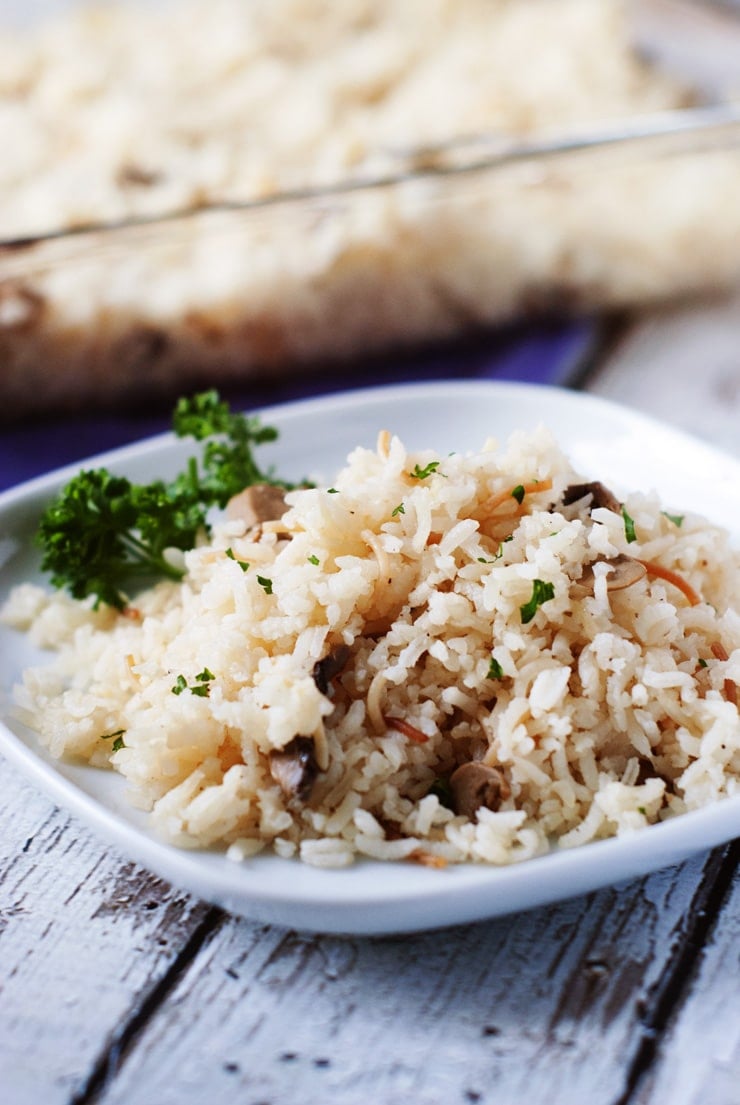
Credit: heatherlikesfood.com
Essential Ingredients
Rice pilaf in a rice cooker needs a few key ingredients. These ingredients bring flavor and texture to the dish. Choosing the right ones helps create a tasty, fluffy pilaf every time.
Aromatic Vegetables And Spices
Onions and garlic are the base for most rice pilafs. They add a rich, savory flavor. Carrots or celery can add a mild sweetness and crunch. Fresh herbs like parsley or thyme brighten the dish.
Common spices include:
- Bay leaves for subtle earthiness
- Cumin or coriander for warmth
- Black pepper for mild heat
These ingredients cook with the rice to infuse deep flavors.
Broth Vs. Water
Broth adds much more flavor than plain water. Chicken, beef, or vegetable broth gives a savory taste. It makes the rice richer and more aromatic. Water is neutral but still works if broth is unavailable.
Using broth:
- Enhances taste without extra effort
- Creates a fuller, more complex dish
- Helps the rice absorb savory notes
Choose broth for a flavorful pilaf. Use water if you want a lighter, cleaner taste.
Preparing The Rice Cooker
Preparing your rice cooker properly sets the stage for a perfect rice pilaf. It’s not just about adding ingredients; it’s about creating the right environment inside the cooker for flavors to develop. Taking a moment to clean and set it up correctly can change the texture and taste of your pilaf dramatically.
Cleaning And Setup
Start by giving your rice cooker a quick clean. Any leftover residue can affect the flavor and even cause burning. Use a soft cloth and warm soapy water to wipe the inner pot thoroughly.
Check that the inner pot is dry before you add your ingredients. Moisture from previous use can alter cooking times and consistency. Also, ensure the heating plate inside the cooker is free of any food particles.
Have you ever noticed uneven cooking in your rice cooker? This often happens when the cooker isn’t sitting perfectly level. Place your rice cooker on a flat, stable surface to avoid this problem.
Using The Sauté Function
If your rice cooker includes a sauté or brown function, use it to toast your rice and sauté aromatics like onions and garlic. This step boosts flavor and adds a lovely nutty aroma to your pilaf.
Simply turn on the sauté mode, add a bit of oil or butter, and stir the rice until it turns slightly golden. Adding spices like cumin or coriander at this point enhances the complexity of your dish.
Have you tried this before? Toasting rice in the cooker saves you from using an extra pan and keeps things simple. It also helps the rice grains stay separate after cooking, which is key for a great pilaf texture.
Step-by-step Cooking Process
Mastering the step-by-step process of cooking rice pilaf in a rice cooker can transform your simple grains into a flavorful, aromatic dish. Each stage builds flavor and texture, making your pilaf stand out. Let’s break down the key actions you’ll take to get it just right.
Sautéing Aromatics
Start by sautéing your aromatics directly in the rice cooker if it has a sauté function, or in a separate pan if it doesn’t. Use ingredients like finely chopped onions, garlic, or shallots. Cooking these until soft and fragrant releases natural sweetness and depth.
Don’t rush this step—flavor develops best when the aromatics turn translucent or slightly golden. Adding a bit of butter or oil enhances richness and prevents sticking. Have you ever noticed how a simple onion can change the whole dish?
Adding Rice And Liquids
Next, add your rice to the aromatics and stir it around for a minute or two. This toasting step gives the rice a nuttier flavor and helps it stay fluffy. Make sure to use long-grain rice like basmati or jasmine for best results.
Then, pour in your cooking liquid—usually broth or water—along with any seasonings like salt, pepper, or herbs. The ratio of liquid to rice is crucial; typically, it’s about 1.5 to 1.75 cups of liquid per cup of rice. Have you measured your liquid carefully before? Slight changes here can affect texture dramatically.
Cooking Time And Settings
Set your rice cooker to the standard cooking mode or the specific setting for white rice. The cooker handles the timing automatically, usually around 15 to 20 minutes. Avoid opening the lid during cooking to keep steam trapped and ensure even cooking.
Once the cooker switches to “warm,” let the rice sit covered for 5 to 10 minutes. This resting time helps the grains firm up and separate. Have you tried fluffing the rice gently with a fork right after resting? It’s a simple move that makes a big difference in texture.
Enhancing Flavor And Texture
Enhancing the flavor and texture of rice pilaf in a rice cooker can elevate your meal experience. Rice pilaf is not just about cooking rice; it's about creating a dish rich in taste and aroma. By carefully selecting mix-ins and allowing the rice to rest, you can bring out the best in this simple grain.
Mix-ins And Garnishes
Mix-ins are a great way to add depth to your rice pilaf. Consider adding sautéed onions, garlic, or bell peppers for a savory base. Nuts like almonds or pine nuts give a crunchy texture. Dried fruits such as raisins or cranberries offer a sweet contrast. Herbs like parsley or cilantro can add freshness. To enhance the aroma, spices such as cumin or turmeric work wonders. Choose mix-ins that complement each other for a balanced flavor.
Fluffing And Resting
After cooking, fluffing the rice is crucial. Use a fork to gently separate the grains. This prevents the rice from clumping together. Letting the rice rest is equally important. Allow it to sit, covered, for about 10 minutes. This resting period helps the flavors meld. It also ensures the texture is tender and not mushy. Patience during this stage makes a noticeable difference in your final dish.
Troubleshooting Common Issues
Rice pilaf in a rice cooker can sometimes be tricky, even if you follow the recipe perfectly. Small issues like mushy or dry rice and uneven cooking can affect the final taste and texture. Identifying these problems early helps you adjust your approach for a consistently delicious pilaf.
Mushy Or Dry Rice
If your rice turns out mushy, it often means there’s too much water or the rice cooked for too long. Try reducing the water slightly—about a tablespoon less per cup of rice—and check the rice cooker’s settings. Overcooking can happen if your rice cooker doesn’t have an automatic shutoff, so keep an eye on it or use a timer.
On the other hand, dry rice usually means not enough water was added. Have you measured your water carefully? Even a small difference can affect the texture. Add a couple of tablespoons of water and let the rice rest in the cooker on the warm setting for a few extra minutes to absorb moisture evenly.
Uneven Cooking
Uneven cooking happens when the heat isn’t distributed properly or the rice isn’t stirred before cooking. Are you rinsing your rice before adding it to the cooker? Rinsing removes excess starch, which can cause clumping and uneven cooking. Also, give the rice and broth mixture a quick stir before closing the lid to distribute ingredients evenly.
Sometimes the rice cooker’s inner pot may not sit perfectly on the heating element, leading to hot spots. Try lifting the pot and repositioning it if your cooker allows. If uneven cooking persists, consider using a rice cooker with a fuzzy logic feature that adjusts temperature for consistent results.
Creative Variations
Rice pilaf made in a rice cooker is easy to customize. Simple changes create exciting new flavors. Experiment with ingredients for a dish that fits your taste.
Try different textures and colors. Use fresh herbs, spices, and mix-ins. These tweaks make your rice pilaf unique every time.
Vegetarian And Vegan Options
Use vegetable broth instead of chicken broth to keep it vegan. Add chopped vegetables like carrots, peas, or bell peppers for color and nutrition. Sauté onions and garlic before adding rice to boost flavor. Fresh herbs like parsley or cilantro add brightness. Coconut milk makes the pilaf creamy and rich without dairy.
Adding Nuts And Dried Fruits
Nuts add crunch and a nutty aroma to rice pilaf. Toast almonds, cashews, or pine nuts lightly before mixing in. Dried fruits like raisins, apricots, or cranberries add a sweet contrast. Combine nuts and dried fruits for a festive, textured dish. Sprinkle with cinnamon or a pinch of cumin for warmth and depth.

Credit: www.dimitrasdishes.com
Frequently Asked Questions
How Do I Make Rice Pilaf In A Rice Cooker?
To make rice pilaf in a rice cooker, sauté onions and rice in butter first. Then add broth and seasonings. Cook using the rice cooker’s regular white rice setting for fluffy, flavorful pilaf every time.
What Broth Is Best For Rice Pilaf?
Chicken or vegetable broth works best for rice pilaf. It adds rich flavor and depth, enhancing the taste. Avoid water alone, as broth makes the pilaf more savory and aromatic.
Can I Add Vegetables To Rice Pilaf?
Yes, you can add vegetables like peas, carrots, or bell peppers. Add them before cooking or during the last few minutes. This boosts nutrition and flavor in your rice pilaf.
How Long Does Rice Pilaf Take In A Rice Cooker?
Rice pilaf usually takes 20 to 30 minutes to cook in a rice cooker. Cooking time depends on your rice cooker model and rice type. Follow your rice cooker’s instructions for best results.
Conclusion
Rice pilaf in a rice cooker is simple and tasty. You only need a few ingredients and a rice cooker. This method saves time and effort. The rice turns out fluffy and full of flavor. Try different spices or vegetables to change the taste.
Cooking rice pilaf this way fits busy days well. Enjoy a warm and easy meal anytime. Give it a try and see how easy cooking can be.