If you’ve ever wondered how to make a delicious and healthy meal with minimal effort, cooking rice and quinoa together in your rice cooker is the perfect solution. Imagine having fluffy rice and perfectly cooked quinoa ready at the same time, saving you time and hassle in the kitchen.
In this guide, you’ll learn simple steps to get the texture just right, avoid common mistakes, and enjoy a nutritious blend that pairs well with any dish. Keep reading to discover how easy it can be to master this cooking trick and elevate your meals effortlessly.
Choosing The Right Rice Cooker
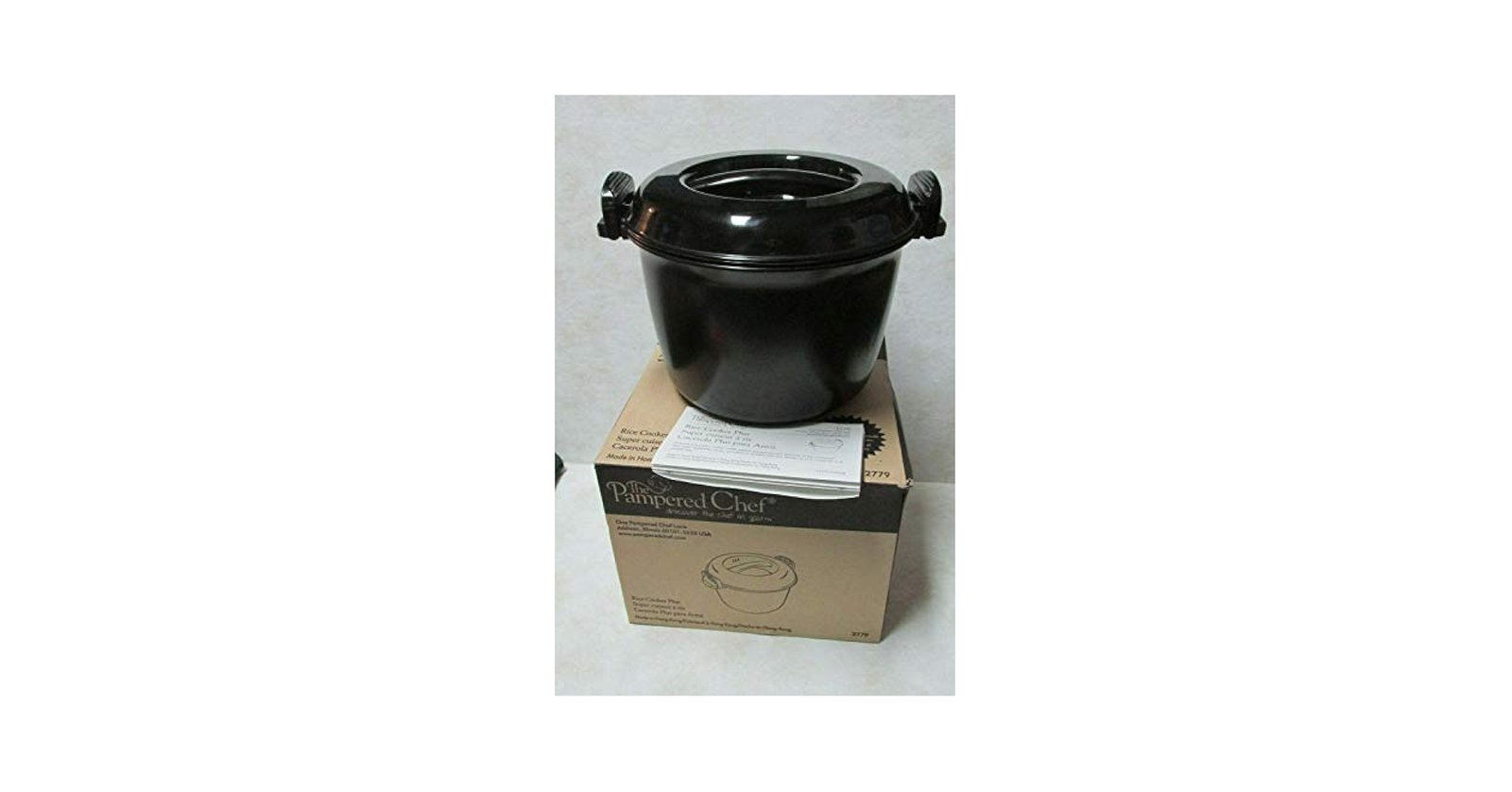
Choosing the right rice cooker is key to cooking rice and quinoa together perfectly. Not all rice cookers handle mixed grains well. Some models have special settings for different grains. Others offer precise water level measurements. Picking a cooker with the right features makes the cooking process easier and yields better results.
Features To Look For
Look for rice cookers with multiple cooking settings. A mixed grains or multigrain function helps cook rice and quinoa evenly. Keep an eye on the timer and keep-warm options. Non-stick inner pots prevent sticking and make cleaning simple. Some models include measuring lines inside the pot for water accuracy. A clear lid lets you check cooking progress without opening the cooker.
Capacity Considerations
Choose a rice cooker size based on your usual meal portions. Small cookers (3 cups) suit singles or couples. Medium sizes (5 cups) work well for small families. Larger models (10 cups or more) fit big families or meal prepping. Remember, cooking rice and quinoa together may need a bit more space. A slightly larger cooker avoids overflow and ensures even cooking.
Selecting Rice And Quinoa Types
Selecting the right types of rice and quinoa is key to cooking them together perfectly. Different varieties cook at different speeds and absorb water differently. Choosing compatible types helps both grains cook evenly in a rice cooker. This makes the dish taste balanced and have a good texture.
Best Rice Varieties
- Long-grain white rice:Cooks quickly and stays fluffy. Ideal for mixing with quinoa.
- Basmati rice:Aromatic and light. It cooks faster and adds a nice flavor.
- Jasmine rice:Slightly sticky with a floral scent. Works well with quinoa for a fragrant dish.
- Short-grain rice:More sticky and dense. Use only if quinoa type matches its cooking time closely.
Quinoa Varieties To Use
- White quinoa:Mild flavor and cooks quickly. Best for combining with most rice types.
- Red quinoa:Slightly nuttier and firmer. Takes a bit longer to cook, so pair with medium-cook rice.
- Black quinoa:Earthy taste and chewy texture. Choose rice with a longer cooking time to match.
Preparing Grains For Cooking
Rinse rice and quinoa thoroughly to remove dirt and bitterness. Soak them briefly to help even cooking in the rice cooker. Measure water carefully for the right texture.
Preparing the grains for cooking is crucial for a perfect dish. Proper preparation enhances flavor and texture. It helps to reduce cooking time and improves nutritional value. Follow these simple steps to prepare rice and quinoa for cooking together in a rice cooker.
Rinsing And Soaking Rice
Rinse rice under cold water. This removes excess starch. It prevents clumping and stickiness. Use a fine mesh strainer for best results. Swirl the rice with your hand in the water. Repeat until the water runs clear. Soak the rice for 20 minutes in water. This softens the grains and reduces cooking time. Drain the rice before adding it to the cooker.
Cleaning Quinoa To Remove Bitterness
Quinoa naturally has a bitter coating. This is called saponin. Rinse quinoa under cold water to remove it. Use a fine mesh strainer for thorough cleaning. Rub the grains gently with your hands. Rinse until the water is no longer soapy. This ensures quinoa tastes mild and nutty. Properly cleaned quinoa blends well with rice.

Credit: thewoksoflife.com
Water Ratios For Mixed Grains
Cook rice and quinoa together by using a water ratio of about 1 part grains to 2 parts water. This balance ensures both cook evenly without becoming mushy or dry. Adjust slightly based on your rice cooker’s instructions.
Cooking rice and quinoa together in a rice cooker can be a culinary game-changer. The key to achieving the perfect blend of these grains lies in understanding the right water ratios. When you get the water balance right, you open the door to a nutritious, fluffy, and flavorful side dish that complements any meal.
Balancing Liquid For Rice And Quinoa
Getting the water balance right is crucial for cooking rice and quinoa together. Generally, rice requires more water than quinoa. For example, white rice typically needs a ratio of 1 cup of rice to 2 cups of water. Quinoa, on the other hand, usually requires just 1.5 cups of water per cup. Mixing these grains means finding a middle ground. A good starting point is to use 1.75 cups of water for every cup of combined grains.
Adjusting For Desired Texture
Your personal preference plays a big role in determining the final texture. If you prefer a slightly firmer texture, reduce the water slightly. Conversely, adding a bit more water can yield softer grains. Consider using a table to experiment with different ratios:
| Grains | Water | Texture |
|---|---|---|
| 1 cup mixed grains | 1.5 cups | Firm |
| 1 cup mixed grains | 1.75 cups | Balanced |
| 1 cup mixed grains | 2 cups | Softer |
Have you ever noticed how even slight changes in water affect the texture? Small adjustments can transform your dish from average to exceptional. Don't be afraid to experiment to find the perfect balance for your taste.
Step-by-step Cooking Process
Cooking rice and quinoa together in a rice cooker is simple and efficient. Follow these steps to get fluffy, perfectly cooked grains every time. The process balances water, cooking time, and ingredient ratios for the best outcome.
Combining Ingredients In The Cooker
Start by measuring equal parts of rice and quinoa for a balanced mix. Rinse both grains under cold water to remove dust and bitterness. Place the rinsed rice and quinoa in the rice cooker bowl. Add water according to the combined amount of grains. Use about 1.5 to 2 cups of water for each cup of grains. Optionally, add a pinch of salt or a little oil for flavor.
Setting The Cooker For Optimal Results
Close the rice cooker lid securely. Choose the "white rice" or "normal" cooking setting. This setting works well for both rice and quinoa. Avoid the "quick cook" mode as it may undercook the grains. Let the cooker run its full cycle without opening the lid. Once done, let it rest for 10 minutes with the lid closed. Fluff the grains gently with a fork before serving.
Tips For Fluffy And Separate Grains
Getting fluffy and separate grains when cooking rice and quinoa together in a rice cooker can be challenging. Both grains have different cooking times and water absorption rates, which makes it easy for them to turn mushy or stick together. However, with a few practical tips, you can achieve a perfect texture that highlights the unique qualities of each grain.
Avoiding Overcooking
Overcooking is the main reason grains become sticky or mushy. To prevent this, use the right water-to-grain ratio—slightly less water than usual helps keep grains firm.
Try rinsing both rice and quinoa thoroughly before cooking. This removes excess starch from rice and the natural coating (saponin) on quinoa, which can cause bitterness and clumping.
Consider soaking quinoa for 10-15 minutes separately before adding it to the rice cooker. This short soak softens quinoa, allowing it to cook evenly alongside rice without overcooking either grain.
Resting And Fluffing Techniques
Once the rice cooker finishes, don’t open the lid immediately. Let the grains rest inside for 10 minutes—this allows steam to finish cooking gently and helps grains firm up.
After resting, use a fork or rice paddle to gently fluff the mixture. Avoid stirring vigorously, which can crush grains and create a sticky texture.
Fluffing separates the grains and releases trapped steam, ensuring a light, airy texture. Have you noticed how even a simple pause after cooking can change the texture completely?
Flavor Variations And Add-ins
Rice and quinoa have mild flavors that absorb seasonings well. Adding spices, herbs, and other ingredients makes the dish more exciting and tasty. These flavor variations let you enjoy different tastes every time.
Spices And Herbs
Use spices to give warmth and depth. Try cinnamon sticks or cardamom pods for subtle sweetness. Cumin and coriander add earthiness. Turmeric gives a bright color and mild flavor. Black pepper adds a gentle heat.
Fresh herbs bring brightness and freshness. Add chopped cilantro, parsley, or basil after cooking. Dried herbs like thyme or oregano work well during cooking. Mix and match spices and herbs for unique blends.
Vegetables And Broth Options
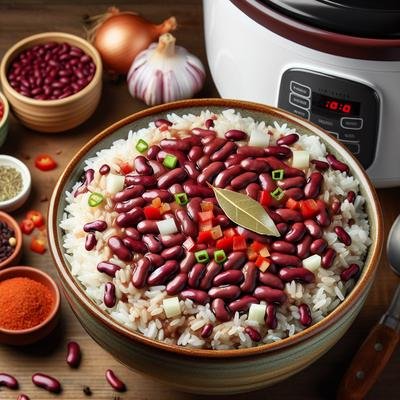
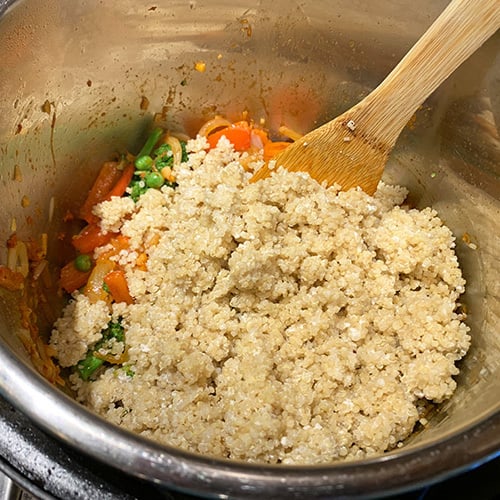
Cook rice and quinoa with vegetables for texture and nutrition. Peas, carrots, or bell peppers add color and crunch. Mushrooms give an earthy, savory note. Spinach or kale add a healthy green touch.
Use broth instead of water for richer flavor. Chicken, beef, or vegetable broth enhance the grains naturally. Combine broth with herbs or spices for a deeper taste. This simple swap makes the dish more flavorful and hearty.
Credit: www.cookwithmanali.com
Troubleshooting Common Issues
Cooking rice and quinoa together in a rice cooker can be a game-changer for quick, nutritious meals. However, it’s common to face some challenges with texture and doneness. Understanding how to troubleshoot these issues can help you get perfectly cooked grains every time and avoid wasting ingredients.
Dealing With Mushy Texture
If your rice and quinoa turn out mushy, it usually means there’s too much water or the grains cooked for too long. Try reducing the water slightly—about a tablespoon less than you usually add. This small change can make a big difference.
Another tip is to rinse both grains thoroughly before cooking. Rinsing removes excess starch, which often causes stickiness and mushiness. Have you noticed how rinsed grains separate better in the pot?
Also, check your rice cooker settings. Some models have a “quick cook” option that can overcook grains. Using the regular cooking mode ensures a gentler cooking process, preserving the texture of both rice and quinoa.
Preventing Undercooked Grains
Undercooked rice and quinoa usually come from too little water or insufficient cooking time. Make sure to measure your water accurately—using a kitchen scale or measuring cup helps avoid guesswork. Are you using the same water-to-grain ratio recommended for both grains combined?
Quinoa often cooks faster than rice. To balance this, add the quinoa a few minutes after the rice has started cooking, if your rice cooker allows pausing and restarting. This way, both finish cooking simultaneously.
If your cooker doesn’t have that option, try soaking the rice for 15-20 minutes before cooking. Soaking softens the rice and shortens cooking time, helping it cook evenly with quinoa.

Credit: kunyitpepper.com
Frequently Asked Questions
Can I Cook Rice And Quinoa Together In One Cooker?
Yes, you can cook rice and quinoa together in a rice cooker. Use a 1:1 ratio of water to combined grains for best results. Rinse both grains well before cooking to remove excess starch and saponins from quinoa.
What Is The Ideal Water Ratio For Rice And Quinoa?
The ideal water ratio is 1. 5 cups of water for every 1 cup of combined rice and quinoa. This balance ensures both grains cook evenly without becoming mushy or dry in the rice cooker.
How Long Does It Take To Cook Rice And Quinoa Together?
Cooking rice and quinoa together in a rice cooker typically takes 20 to 25 minutes. The exact time depends on your rice cooker model and grain types but usually matches the rice cooking cycle.
Should I Rinse Quinoa Before Cooking With Rice?
Yes, rinse quinoa thoroughly to remove its natural bitter coating called saponin. Rinsing improves the flavor and prevents bitterness when cooked alongside rice in the rice cooker.
Conclusion
Cooking rice and quinoa together saves time and effort. Use the right water ratio for best results. Stir before serving to mix flavors well. Experiment with spices to add taste. This method makes a healthy, tasty meal easily. Enjoy your nutritious dish with family or friends.
Keep practicing to find your perfect cooking style. Simple steps lead to great meals every time.