If you’ve ever wanted to cook ribs that are tender, juicy, and full of smoky flavor right on your Weber gas grill, you’re in the right place. Cooking ribs can seem tricky, but with the right steps, you can easily turn your grill into a rib-cooking machine.
Imagine biting into perfectly cooked ribs that fall off the bone—sounds amazing, right? In this guide, you’ll learn simple tips and tricks that anyone can follow to master ribs on a Weber gas grill. Ready to impress your friends and family with your grilling skills?
Let’s get started!
Choosing The Right Ribs
Choosing the right ribs is the first step to great grilling on your Weber gas grill. Picking the best ribs affects flavor, tenderness, and cooking time. Understanding rib types and how to prepare them will help you cook delicious ribs every time.
Types Of Ribs
There are several rib types commonly used for grilling. Baby back ribs come from the upper part of the rib cage. They are smaller, leaner, and cook faster. Spare ribs are larger and meatier. They come from the lower part of the rib cage and have more fat, which adds flavor. St. Louis style ribs are spare ribs trimmed into a neat rectangle, making them easier to handle and cook evenly.
Selecting Fresh Ribs
Choose ribs that look pinkish-red with some marbling. Avoid ribs that appear gray or dry. Fresh ribs should feel firm but slightly moist. Check the smell; fresh ribs have a clean, mild scent. Packaging should be intact without leaks or excessive liquid. Buying from a trusted source ensures quality and safety.
Trimming And Preparing
Remove the silver skin membrane on the back of the ribs. This thin layer can prevent seasonings from soaking in and makes ribs tough. Use a paper towel to grip the membrane and pull it off carefully. Trim excess fat but leave some for flavor. Cut off any loose pieces that might burn on the grill. Lightly season or marinate ribs before cooking to enhance taste.
Preparing The Grill
Preparing your Weber gas grill correctly is key to cooking ribs that are tender and full of flavor. This process sets the foundation for your grilling session and can make a noticeable difference in the final taste and texture of your ribs. Let’s break down the essential steps to get your grill ready for the perfect rib cookout.
Cleaning And Preheating
Start by giving your grill grates a thorough cleaning. Old food residue can cause flare-ups and affect the taste of your ribs.
Use a grill brush to scrape off any debris while the grill is still cool. After cleaning, preheat the grill for about 10-15 minutes with the lid closed. This burns off any remaining particles and ensures an even cooking surface.
Setting Up For Indirect Heat
Ribs require slow cooking at low temperatures, which means you need to set your grill for indirect heat. Turn on the burners on one side of the grill only, leaving the other side off.
Place a drip pan under the grates on the unlit side to catch fat drippings and prevent flare-ups. This setup mimics an oven and allows the ribs to cook slowly without direct exposure to the flame.
Managing Temperature Zones
Creating distinct temperature zones on your grill helps you control the cooking process more precisely. Use the lit side for searing or adding smoky char, and the unlit side for slow cooking.
Keep a grill thermometer handy to monitor the heat accurately. Aim for a steady temperature between 225°F and 275°F on the indirect side. Have you checked your grill’s temperature zones before? It can be a game-changer for consistent results.
Seasoning And Marinating
Seasoning and marinating ribs before placing them on your Weber gas grill can make a huge difference in taste and tenderness. These steps allow the flavors to seep deep into the meat, creating a more enjoyable eating experience. Knowing how to apply these flavors properly ensures that every bite bursts with the right balance of spices and moisture.
Dry Rub Recipes
A dry rub is a simple way to add intense flavor without extra moisture. It’s a mix of spices and herbs that you rub directly onto the ribs. You can customize it to suit your taste, whether you like smoky, spicy, or sweet flavors.
- Basic BBQ Rub:Brown sugar, paprika, salt, black pepper, garlic powder, onion powder, and cayenne pepper.
- Spicy Kick Rub:Chili powder, cumin, smoked paprika, garlic powder, brown sugar, and a pinch of cayenne.
- Herb Blend:Dried thyme, rosemary, garlic powder, salt, black pepper, and lemon zest.
Try mixing your rub and tasting a pinch before applying. This helps you adjust the balance of sweet, salty, and spicy to your liking.
Marinade Options
Marinades introduce moisture and flavor through a liquid soak, often including acids like vinegar or citrus. They can help tenderize the meat while infusing it with taste. You don’t need hours to see results; even 2-3 hours can make a difference.
- Classic BBQ Marinade:Apple cider vinegar, olive oil, brown sugar, Worcestershire sauce, garlic, and mustard.
- Asian-Inspired Marinade:Soy sauce, honey, ginger, garlic, and a splash of sesame oil.
- Citrus Herb Marinade:Orange juice, lime juice, olive oil, chopped rosemary, and thyme.
Remember to marinate ribs in a sealed bag or covered container in the fridge. This keeps flavors concentrated and the meat safe.
Applying Flavors Properly
Whether you use a dry rub or marinade, the application technique matters. Pat the ribs dry before applying a dry rub to ensure the spices stick well. Massage the rub into every nook and cranny for even coverage.
If marinating, remove the ribs from the liquid and let the excess drip off before grilling. Too much liquid on the surface can cause flare-ups or steam instead of sear.
Have you noticed that ribs cooked without seasoning often taste flat? This shows how critical these steps are. Taking a little extra time here pays off big when you sit down to enjoy your grilled ribs.
Credit: medium.com
Cooking Techniques
Cooking ribs on a Weber gas grill requires the right techniques to get tender, juicy results. Different ways of cooking affect flavor and texture. Understanding these techniques helps you enjoy ribs cooked just right. Use these simple methods for delicious ribs every time.
Low And Slow Method
Cook ribs at a low temperature for a long time. Set your grill to about 225°F (107°C). Place ribs away from direct heat. Close the lid and cook for 3 to 4 hours. This slow cooking breaks down tough meat fibers. The ribs become tender and juicy without burning.
Using Foil Wraps
Wrap ribs tightly in aluminum foil during cooking. This traps moisture and heat inside. After cooking low and slow for 2 hours, wrap ribs in foil. Add a little apple juice or sauce before sealing. Return ribs to the grill and cook for 1 more hour. This method keeps ribs soft and adds extra flavor.
Adding Smoke Flavor
Use wood chips to add smoke flavor on a gas grill. Soak chips in water for 30 minutes before cooking. Place soaked chips in a smoker box or foil pouch. Put the box near the burners on the grill. Light the grill and close the lid quickly. Smoke infuses the ribs with a rich, smoky taste. This adds depth and aroma to your ribs.
Monitoring And Adjusting
Monitoring and adjusting the cooking process keeps ribs juicy and flavorful. It helps avoid overcooking or drying out the meat. Watch the grill and ribs closely throughout cooking. Small changes in heat or time make a big difference.
Checking Internal Temperature
Use a meat thermometer to check ribs’ temperature. Insert it into the thickest part without touching bone. Aim for about 190°F for tender ribs. Lower temperature means ribs need more time. Higher temperature risks drying out the meat.
Managing Grill Heat
Keep the grill at a steady low heat, around 225°F to 250°F. Adjust burners to maintain this temperature. Use indirect heat by turning off burners under ribs. Close the lid to keep heat steady. Add a water pan to keep ribs moist.
Timing For Tender Ribs
Cook ribs slowly for 3 to 4 hours. Check ribs every 30 minutes after the first 2 hours. Look for meat pulling away from the bone. Use the bend test: ribs should bend and crack slightly. Patience leads to tender, juicy ribs.

Credit: www.thepioneerwoman.com
Finishing Touches
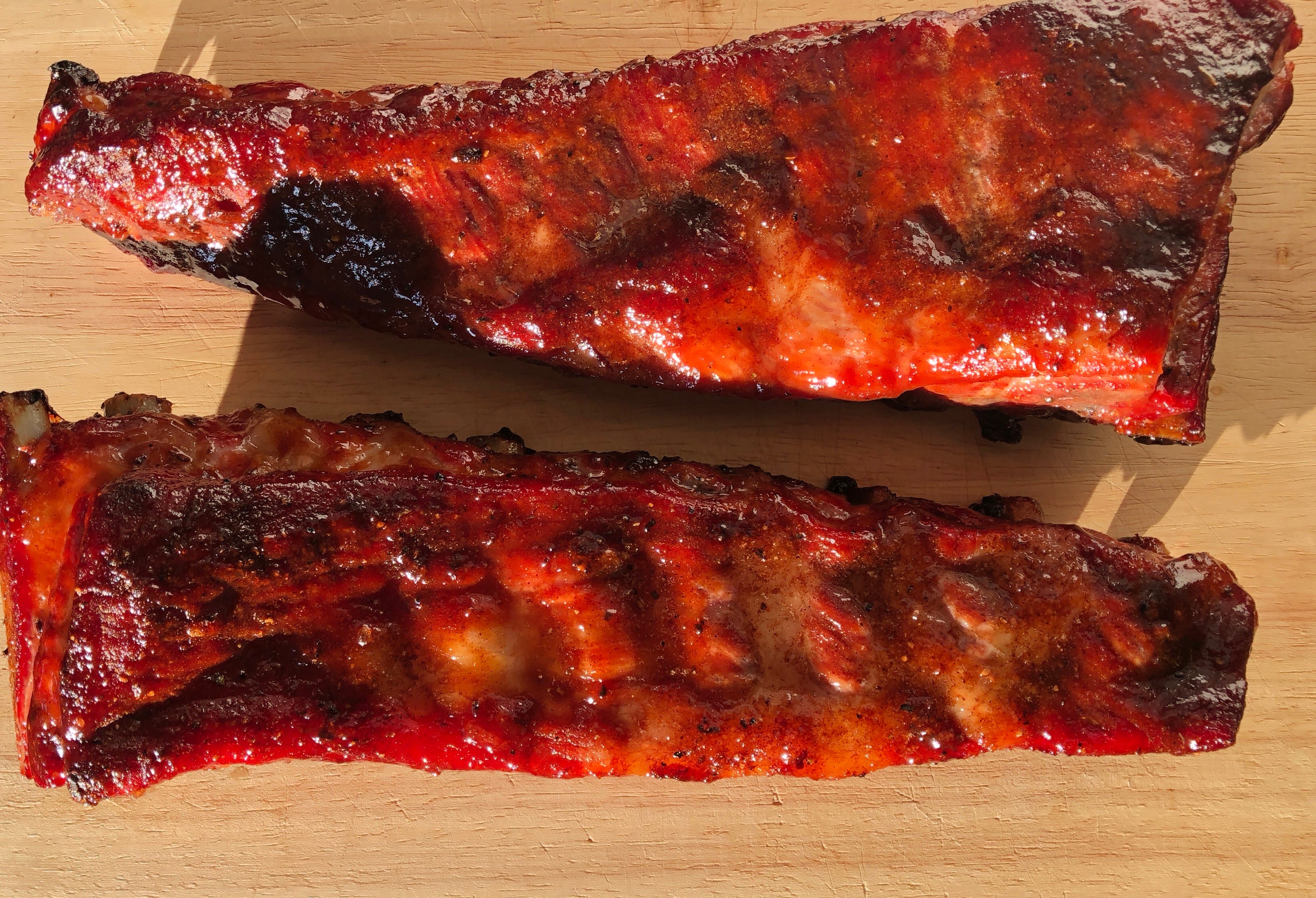
Enhance your ribs with a final brush of barbecue sauce for a rich, sticky finish. Allow them to rest for a few minutes to absorb flavors fully. A light sprinkle of fresh herbs can add a refreshing touch before serving.
Cooking ribs on a Weber gas grill is a delicious endeavor. The final steps can make your ribs truly exceptional. The finishing touches elevate the flavor and texture to new heights. Let's explore these crucial steps.
Applying Sauce
Choose your favorite BBQ sauce. Apply it generously on the ribs. Use a brush for even coverage. Make sure the sauce coats every rib. This adds a rich, sweet flavor.
Caramelizing Glaze
Turn up the grill heat slightly. Allow the sauce to caramelize. This creates a sticky, flavorful glaze. Watch closely to avoid burning. The glaze should be glossy and rich.
Resting Before Serving
Remove ribs from the grill. Let them rest for 10 minutes. This helps the juices settle. It makes the ribs more tender and juicy. Serve warm for the best taste.
Serving Suggestions
Serving ribs straight off the Weber gas grill is a delight. The right sides and presentation make the meal even better. Also, knowing how to store leftovers keeps the flavor fresh for the next day.
Side Dishes
Choose simple, tasty sides that match ribs well. Classic coleslaw adds crunch and creaminess. Baked beans bring a sweet and smoky taste. Corn on the cob offers a fresh, juicy bite. Potato salad works well for cool contrast. Grilled vegetables add color and healthy notes.
Presentation Tips
Cut ribs between the bones for easy serving. Arrange them neatly on a large platter. Use fresh herbs like parsley or cilantro for color. Serve sauces in small bowls on the side. Place wet wipes or napkins nearby for clean hands.
Storing Leftovers
Wrap leftover ribs tightly in foil or plastic wrap. Store them in the fridge within two hours of cooking. Use airtight containers to keep moisture and flavor. Reheat ribs gently in the oven or on the grill. Consume leftovers within three to four days for best taste.

Credit: www.youtube.com
Frequently Asked Questions
How Long To Cook Ribs On A Weber Gas Grill?
Cook ribs on a Weber gas grill for 1. 5 to 2 hours. Use indirect heat at 275°F. Turn ribs occasionally for even cooking and tenderness.
What Is The Best Temperature For Grilling Ribs?
Maintain the grill temperature around 275°F for perfect ribs. This low and slow method ensures tender, juicy meat without burning.
Should I Use Foil When Grilling Ribs On Weber?
Yes, wrap ribs in foil after 1 hour of cooking. This traps moisture, making ribs tender and juicy on your Weber gas grill.
How To Add Smoky Flavor On A Weber Gas Grill?
Use wood chips soaked in water and place them in a smoker box. This adds a rich, smoky flavor to ribs cooked on a Weber gas grill.
Conclusion
Grilling ribs on a Weber gas grill is simple and fun. Start with good ribs and your favorite spices. Keep the heat low and cook slowly for tender meat. Use a sauce to add flavor near the end. Check ribs often to avoid overcooking.
With practice, your ribs will taste great every time. Enjoy the process and share your delicious meals with family and friends. A little patience brings big rewards on the grill. Now, you are ready to grill ribs like a pro.