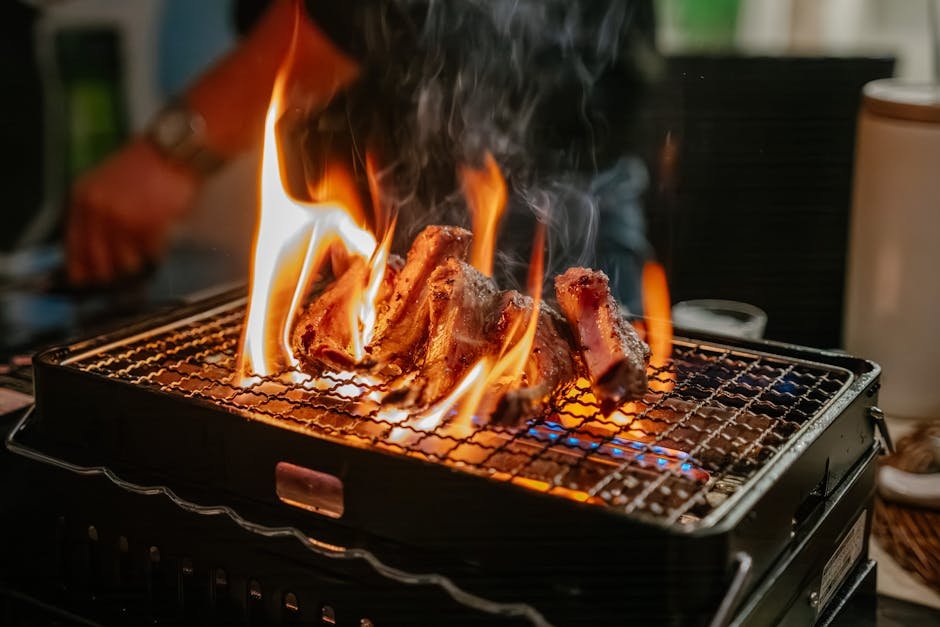
There’s nothing quite like the sizzle of a ribeye steak on a gas grill. If you want juicy, flavorful meat with those perfect grill marks, you’re in the right place.
Cooking ribeye steaks on a gas grill might seem tricky, but with a few simple steps, you’ll impress yourself—and anyone lucky enough to join your meal. Ready to turn your grill into a steakhouse? Keep reading, and you’ll learn exactly how to get that mouthwatering, tender ribeye every single time.

Credit: myincrediblerecipes.com
Choosing The Right Ribeye
Choosing the right ribeye sets the stage for an unforgettable grilling experience. The quality of the meat you pick directly impacts the flavor and tenderness once cooked. Knowing what to look for helps you avoid disappointment and makes your time at the grill more rewarding.
Selecting Quality Meat
Look for ribeye steaks that have a bright red color and a fresh smell. Avoid any cuts with dark spots or an off odor, as these indicate older meat. Trust your senses—good ribeye should feel firm but not hard when pressed gently.
Consider the source of your meat. Local butchers often offer fresher and better-quality cuts than big supermarkets. Don’t hesitate to ask questions about the origin and how the cattle were raised.
Thickness And Marbling Tips
Thickness matters. Steaks around 1 to 1.5 inches thick cook evenly and retain juiciness better on a gas grill. Thinner cuts risk drying out, while very thick ones might cook unevenly without proper technique.
Marbling—the streaks of fat within the meat—is crucial for flavor and tenderness. Look for steaks with fine, evenly distributed marbling rather than large chunks of fat. This fat melts during grilling, enhancing the taste and keeping the steak juicy.
Have you ever noticed how a well-marbled ribeye practically melts in your mouth? That’s the magic of choosing the right cut. Next time you shop, compare a few options and pick the one with the best balance of thickness and marbling for your grill.
Preparing The Steak
Preparing the ribeye steak properly sets the stage for a delicious grilled meal. Attention to detail in this step enhances flavor and texture. Simple preparation techniques make a big difference in the final taste. Start by understanding the basics of seasoning and the importance of temperature.
Seasoning Basics
Use salt and pepper as the foundation for seasoning. Coarse salt works best to bring out natural flavors. Freshly ground black pepper adds a slight kick without overpowering. Apply seasoning evenly on both sides of the steak. Let the spices sit for at least 10 minutes to absorb. Avoid heavy sauces before grilling; they can burn easily.
Bringing Steak To Room Temperature
Take the steak out of the fridge 30 to 60 minutes before cooking. This helps the meat cook evenly from edge to center. Cold steaks may cook unevenly, leaving the center underdone. Pat the steak dry with paper towels to remove moisture. Dry surface means better searing and crust formation. Resting at room temperature also improves tenderness.
Setting Up Your Gas Grill
Setting up your gas grill correctly is key for cooking perfect ribeye steaks. A clean and well-heated grill keeps the steaks juicy and adds great flavor. Preparing the grill also means managing heat zones for even cooking. Follow these steps to get your gas grill ready.
Cleaning And Preheating
Start by cleaning the grill grates with a stiff wire brush. This removes old food and debris. A clean surface prevents sticking and flare-ups.
Turn on the gas and light the grill. Close the lid and let it preheat for 10-15 minutes. The grates should be hot enough to sear the steak quickly.
Adjusting Heat Zones
Set up two heat zones on your grill: one hot and one medium. The hot zone is for searing the steaks. The medium zone finishes cooking them gently.
- Turn one or two burners to high heat.
- Keep the other burners on low or off.
This setup helps control the cooking speed and avoids burning. Move the steaks between zones as needed for perfect doneness.
Credit: www.askchefdennis.com
Grilling Techniques
Grilling ribeye steaks on a gas grill requires proper heat and timing. Preheat the grill to high. Season steaks generously, then sear each side for 4-5 minutes. Lower the heat to medium for even cooking. Rest the steaks for juicy perfection.
Grilling the perfect ribeye steak on a gas grill can transform a simple meal into a gourmet experience. Mastering the right techniques ensures that your steak is juicy, flavorful, and cooked to perfection. If you've ever wondered how to achieve that mouth-watering sear or balance heat effectively, you're in the right place.
Searing The Ribeye
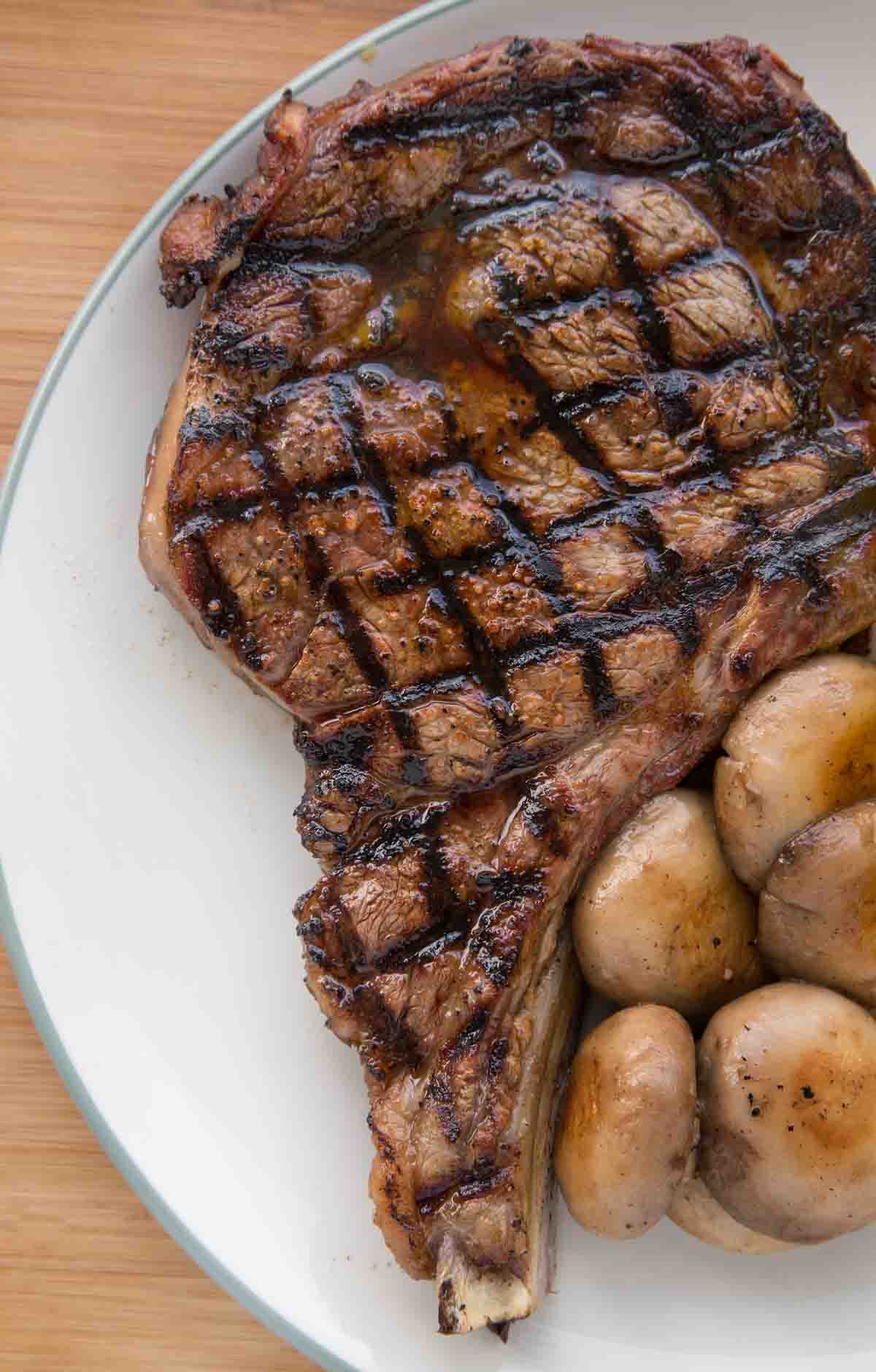
Start by preheating your gas grill. Aim for a high temperature, around 450°F. A hot grill is crucial for achieving that beautiful crust on your ribeye. Place the ribeye directly on the grill grates. Let it sit for 2-3 minutes without moving. This allows the Maillard reaction to occur, creating a flavorful crust. Flip the steak only once to sear the other side. Avoid pressing down on the meat, which can cause juices to escape.
Managing Direct And Indirect Heat
Once seared, it's time to manage the heat for even cooking. Use a two-zone setup on your grill. Keep one side on high for direct heat and the other side on low for indirect heat. After searing, move the ribeye to the cooler side of the grill. This allows the inside to cook without burning the exterior. Close the lid to maintain an even temperature. This helps the steak cook through while retaining moisture.
Using A Meat Thermometer
A meat thermometer is your best friend for cooking ribeye to the desired doneness. Insert it into the thickest part of the steak. Aim for 130°F for medium-rare, 140°F for medium, and adjust as per your preference. Remove the steak from the grill when it's 5°F below your target temperature. It will continue to cook as it rests. Let the ribeye rest for at least five minutes before slicing. This redistributes the juices, ensuring each bite is tender and flavorful. Are you ready to elevate your grilling game? With these techniques, your ribeye steaks will be the talk of the barbecue. Happy grilling!
Achieving Perfect Doneness
Achieving the perfect doneness on a ribeye steak requires close attention and practice. Each level of doneness offers a unique texture and flavor. Knowing how to check for these levels ensures a satisfying meal every time. The key is balancing heat and time, along with proper resting.
Rare To Well-done Guide
Use a meat thermometer to check the internal temperature. This tool gives the best accuracy for doneness. Here is a simple guide:
| Doneness | Internal Temperature | Description |
|---|---|---|
| Rare | 120-125°F (49-52°C) | Cool red center, very juicy |
| Medium Rare | 130-135°F (54-57°C) | Warm red center, tender and juicy |
| Medium | 140-145°F (60-63°C) | Pink center, firm texture |
| Medium Well | 150-155°F (65-68°C) | Light pink center, less juice |
| Well Done | 160°F+ (71°C+) | No pink, firm and dry |
Press the steak gently to sense firmness. Softer means rare; firmer means well-done.
Resting The Steak
Rest your steak after grilling. This step lets juices redistribute inside. Cover it loosely with foil.
Rest for 5 to 10 minutes. This improves flavor and tenderness. Cutting too soon causes juice loss. A rested steak stays moist and delicious.
Enhancing Flavor
Enhancing the flavor of ribeye steaks on a gas grill takes your cooking from good to unforgettable. Small touches can make a big difference in taste and aroma. Knowing how to boost those rich, beefy notes will make your grilling experience more rewarding and delicious.
Adding Butter And Herbs
Butter adds a creamy richness that complements the steak’s natural flavors. Try melting a pat of butter on top of the steak just before you take it off the grill.
Fresh herbs like rosemary, thyme, or garlic can be added to the butter to infuse extra aroma. As the butter melts over the hot steak, it carries the herb flavors into every bite.
Have you ever noticed how a simple brush of herb butter can turn a plain steak into a gourmet treat? It’s a small step that makes your ribeye feel special and full of depth.
Optional Marinades And Rubs
Marinades and rubs offer different ways to add flavor and texture. A marinade with acidic ingredients like lemon juice or vinegar can tenderize the meat while adding tanginess.
Dry rubs made with spices such as paprika, black pepper, garlic powder, and brown sugar create a flavorful crust when grilled. You can customize rubs to suit your taste preferences.
Have you tried experimenting with unexpected spices, like smoked chili or coffee grounds? Sometimes, a unique rub can surprise your palate and elevate your ribeye to the next level.
Serving Suggestions
Serving your perfectly grilled ribeye steak is just as important as cooking it. The right sides and plating can elevate your meal and make it more enjoyable. Let’s look at some ideas that bring out the best flavors and create an impressive presentation.
Side Dishes Pairings
Think about balancing the rich, juicy flavor of ribeye with fresh, vibrant sides. Crisp salads with a tangy vinaigrette cut through the steak’s fattiness and refresh your palate.
- Grilled asparagus or sautéed green beans add a nice crunch and complement smoky flavors.
- Creamy mashed potatoes or roasted sweet potatoes offer a comforting contrast in texture.
- Consider a simple garlic butter mushroom sauté to boost umami notes without overpowering the steak.
Ever tried a fresh chimichurri sauce on your side? It adds a zesty kick that wakes up your taste buds and pairs beautifully with ribeye.
Plating Tips
Presentation can make your steak feel like a restaurant-quality meal. Use a warm plate to keep your ribeye hot longer and prevent the juices from cooling too fast.
Slice the steak against the grain and fan the slices out on the plate to show off the perfect medium-rare pink center. This approach also makes it easier for everyone to serve themselves.
Don’t forget to add a pop of color with fresh herbs like rosemary or parsley. A light drizzle of olive oil or a small pat of herb butter on top can add shine and extra flavor.
How can you arrange your sides to create balance and visual appeal? Try placing the vegetables on one side and starch on the other, leaving space around the steak to highlight it as the star of the dish.

Credit: www.thekitchn.com
Common Mistakes To Avoid
Cooking ribeye steaks on a gas grill can be straightforward, but certain mistakes often sneak in and affect the final taste and texture. Avoiding these common pitfalls will help you get that perfect sear and juicy interior every time.
Overcooking
One of the biggest errors is overcooking your ribeye. This toughens the meat and dries it out, killing the rich, buttery flavor you’re aiming for. Pay close attention to the grill’s heat and use a meat thermometer to check for doneness instead of guessing.
Remember, ribeye is best enjoyed medium-rare to medium. If you leave it on the grill too long, you lose that tender, juicy bite that makes this cut special. How often have you cut into a steak only to find it tougher than expected?
Skipping Rest Time
Another mistake is not letting your steak rest after grilling. Cutting into it immediately causes all the flavorful juices to spill out. Resting allows those juices to redistribute, making each bite moist and tender.
Give your ribeye at least 5 to 10 minutes of rest, loosely covered with foil. This simple pause can transform a good steak into an exceptional one. Have you noticed how much juicier steaks taste after resting?
Frequently Asked Questions
How Long To Grill Ribeye Steaks On A Gas Grill?
Grill ribeye steaks for 4-5 minutes per side on high heat. This achieves medium-rare doneness. Adjust time for thicker cuts or preferred doneness.
What Temperature Should A Gas Grill Be For Ribeye?
Preheat your gas grill to medium-high, around 450-500°F. This temperature sears the steak well, locking in juices and flavor.
Should Ribeye Steaks Be Marinated Before Grilling?
Ribeye steaks don’t require marinating due to their natural marbling. Season with salt and pepper for the best flavor and grill results.
How To Check If Ribeye Steak Is Perfectly Cooked?
Use a meat thermometer; 130°F is medium-rare, 140°F medium. Alternatively, use the finger test for doneness by feel.
Conclusion
Grilling ribeye steaks on a gas grill is simple and fun. Start with good meat and a hot grill. Cook each side just right for your taste. Let the steak rest before serving. Enjoy juicy, flavorful bites every time. Try this method for your next cookout.
You’ll love the results and the easy steps. Perfect steaks are closer than you think. Give it a go, and taste the difference.