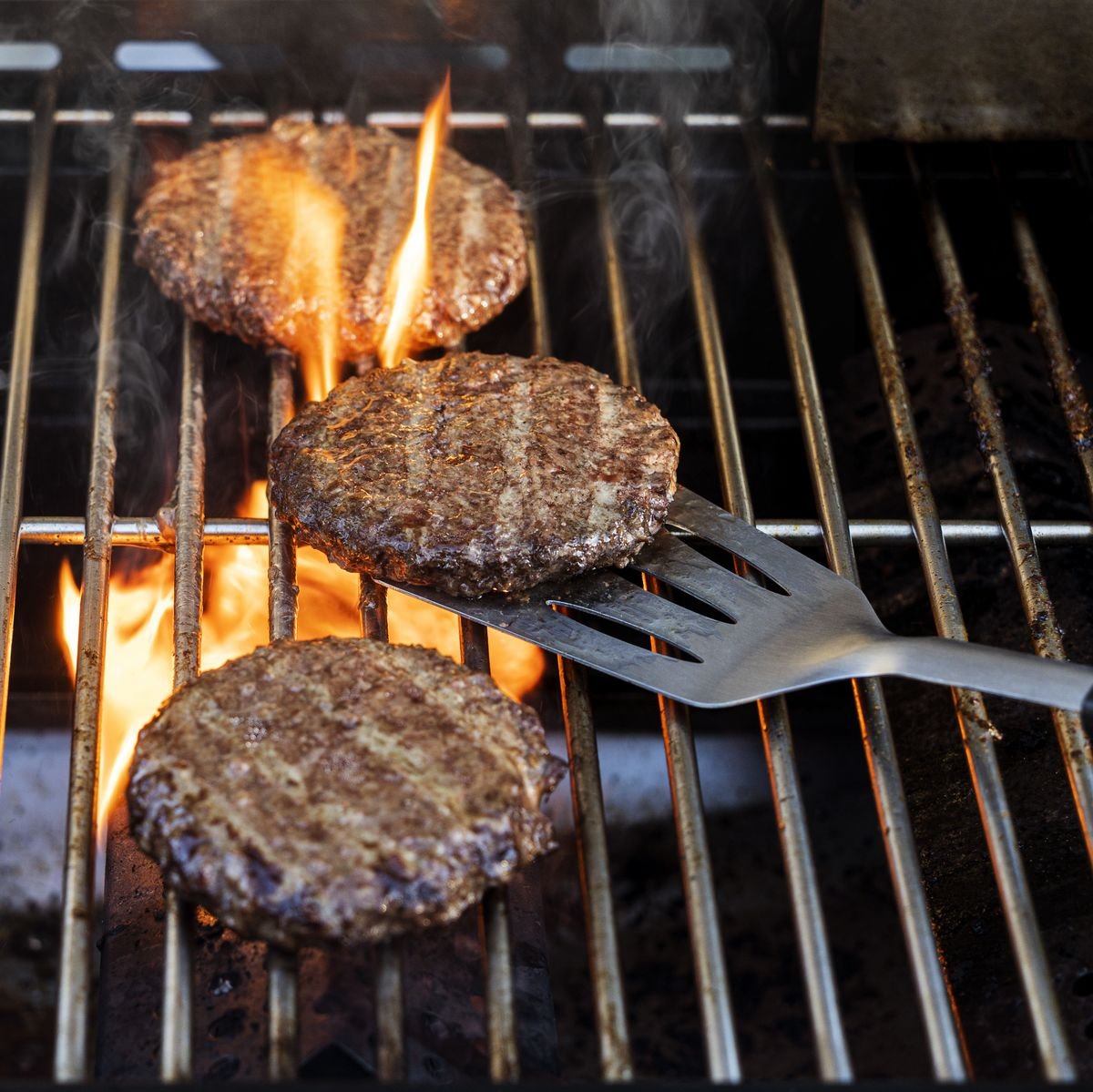
If you want to master the art of cooking a perfect ribeye steak on your gas grill, you’re in the right place. Imagine biting into a juicy, tender steak with a delicious sear that locks in all the flavors.
Sounds amazing, right? You don’t need to be a chef to make this happen. With the right tips and simple steps, you can impress yourself and your guests every time you fire up the grill. Keep reading, and you’ll learn exactly how to turn your gas grill into the ultimate steak-cooking machine.

Credit: myincrediblerecipes.com
Choosing The Right Ribeye
Choosing the right ribeye is key to a delicious steak on your gas grill. The cut affects taste, texture, and cooking time. Picking a good ribeye means understanding quality and what makes a steak juicy and tender. Focus on the cut's freshness, thickness, and marbling for the best grilling experience.
Selecting Quality Cuts
Choose ribeyes with a bright red color and firm texture. Avoid meat that looks brown or has a slimy feel. Freshness affects flavor and safety. Look for cuts labeled as USDA Choice or Prime for higher quality. These grades have better tenderness and flavor.
Bone-in ribeyes offer more flavor but take longer to cook. Boneless cuts cook faster and are easier to handle. Pick what suits your cooking style and preference.
Thickness And Marbling Tips
Thickness matters for even cooking and juicy results. Aim for steaks about 1 to 1.5 inches thick. Thinner steaks cook too fast and may dry out. Thicker steaks stay juicy and develop a nice crust on the grill.
Marbling means the fat within the meat. More marbling means more flavor and tenderness. Look for thin streaks of white fat throughout the steak. Avoid cuts with large chunks of fat on the outside. Good marbling melts during cooking and keeps the steak moist.
Preparing The Steak
Preparing a ribeye steak properly makes a big difference in taste and texture. This stage sets the foundation for a juicy, flavorful steak. It involves seasoning the meat and ensuring it cooks evenly. Taking time here guarantees a better grilling experience and delicious results.
Seasoning Essentials
Start with good quality salt and pepper. These bring out the steak’s natural flavor. Use coarse salt like kosher or sea salt. Freshly ground black pepper adds a nice kick. Avoid heavy spices that mask the beef’s taste.
Pat the steak dry with paper towels. This helps the seasoning stick and creates a crisp crust. Sprinkle salt and pepper evenly on both sides. Press gently to help the seasoning adhere. Let the steak rest for a few minutes after seasoning.
Bringing Steak To Room Temperature
Cold steak cooks unevenly. Let the ribeye sit outside the fridge for 30 to 45 minutes. This step ensures the inside cooks at the same rate as the outside. It prevents the center from being too rare while the edges overcook.
Place the steak on a plate or tray. Cover it loosely with foil or plastic wrap. Keep it in a cool, dry place. Avoid leaving it out too long to keep it safe and fresh. This simple step improves cooking consistency and tenderness.
Setting Up The Gas Grill
Setting up your gas grill properly is the foundation for cooking a perfect ribeye steak. A well-prepared grill ensures even cooking, optimal sear marks, and juicy meat. You want to control the temperature and heat zones before placing your steak on the grill.
Preheating Techniques
Start by turning all burners on high and closing the lid. Let the grill heat up for about 10-15 minutes until it reaches a temperature around 450°F to 500°F. This high heat is essential for creating that flavorful crust on your ribeye.
Don’t open the lid too often during preheating. Each peek lets heat escape and extends your cooking time. You’ll know the grill is ready when you can feel intense heat just a few inches above the grates.
Managing Heat Zones
Creating separate heat zones means having one side of the grill on high heat and the other side on low or off. This setup allows you to sear the steak over direct heat and then move it to indirect heat to finish cooking without burning.
Arrange your burners so that the left side is on high and the right side on low, or vice versa. When you place the ribeye on the hot side, watch for quick searing. Once you get those grill marks, transfer the steak to the cooler side to cook evenly through the center.
Managing heat zones gives you control over the cooking process. Have you tried shifting your steak between zones? It’s a simple trick that can make the difference between a dry or juicy ribeye.
Grilling The Ribeye
Grilling a ribeye steak on a gas grill brings out rich, smoky flavors. The key is managing heat and timing well. Proper grilling enhances the steak’s natural juiciness and tenderness. Each step shapes the final taste and texture.
Searing For Flavor
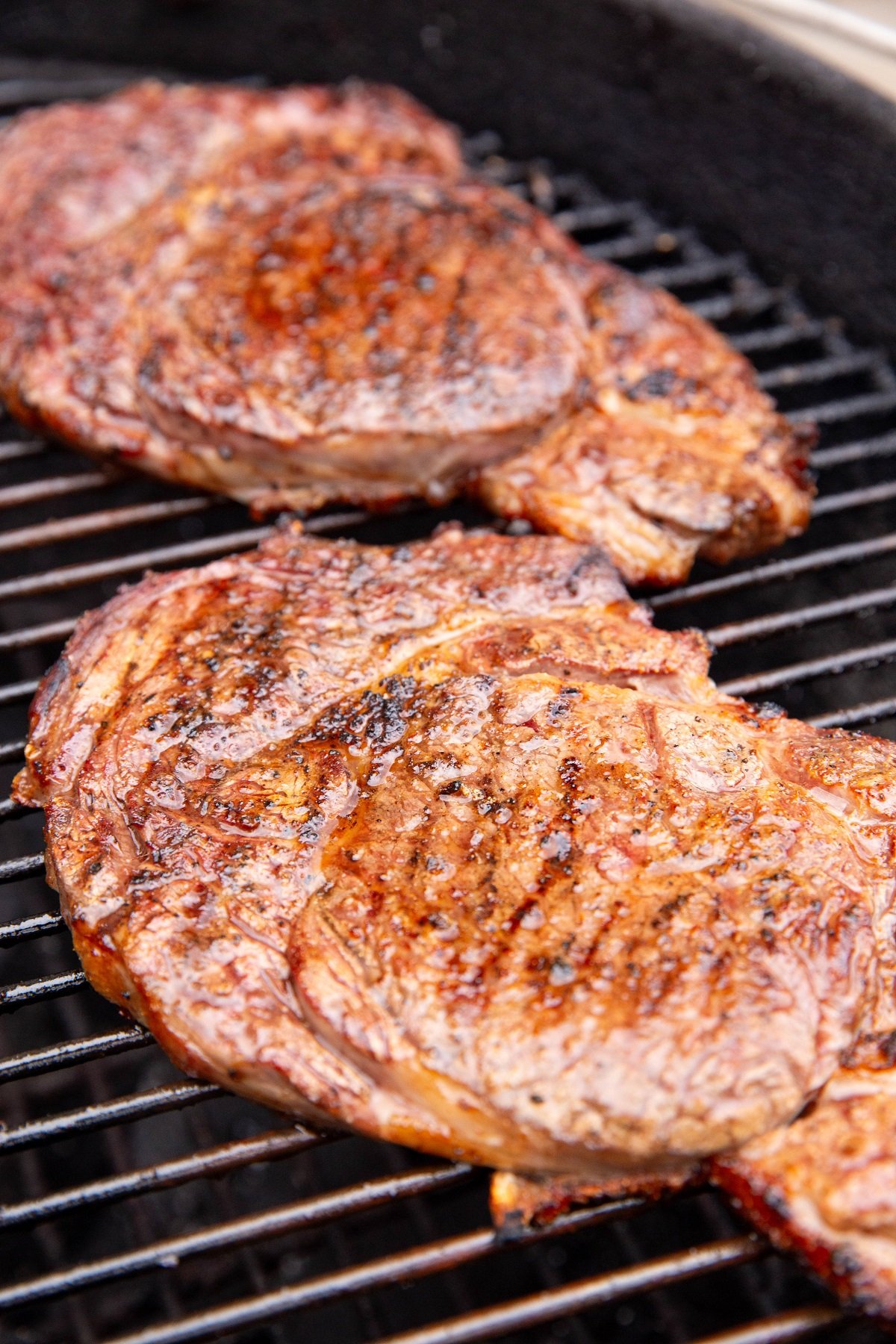
Searing locks in juices and creates a tasty crust. Preheat the grill to high heat before placing the ribeye. Sear each side for 2 to 3 minutes. Avoid moving the steak too much during this process. The caramelized surface adds depth to the flavor.
Using Direct And Indirect Heat
Use direct heat for searing, then indirect heat to cook through. Move the steak to a cooler part of the grill after searing. Close the lid to keep heat around the steak. This method cooks the meat evenly without burning it.
Timing For Desired Doneness
Timing depends on steak thickness and preferred doneness. Use a meat thermometer for accuracy:
- Rare: 120-125°F (48-52°C)
- Medium rare: 130-135°F (54-57°C)
- Medium: 140-145°F (60-63°C)
- Medium well: 150-155°F (65-68°C)
- Well done: 160°F+ (71°C+)
Rest the steak for 5 minutes after grilling. This helps the juices redistribute and keeps the steak moist.
Checking Steak Doneness
Checking the doneness of a ribeye steak is key to enjoying its rich flavor and perfect texture. Overcooking or undercooking can spoil the experience. Two simple ways help you get it right every time. One uses a tool, the other uses your hand. Both are easy to learn and quick to use on the grill.
Using A Meat Thermometer
A meat thermometer gives a clear reading of the steak’s internal temperature. Insert it into the thickest part of the steak without touching the bone. Here are the target temperatures:
- Rare: 120-125°F (49-52°C)
- Medium Rare: 130-135°F (54-57°C)
- Medium: 140-145°F (60-63°C)
- Medium Well: 150-155°F (65-68°C)
- Well Done: 160°F (71°C) and above
Remove the steak from the grill a few degrees before the desired temperature. It will keep cooking while resting.
Touch Test Methods
The touch test helps estimate doneness by feeling the steak’s firmness. Use your hand to compare the steak with different parts of your palm:
- Rare:Touch your thumb and index finger together. Feel the soft spot below your thumb.
- Medium Rare:Touch your thumb and middle finger. The spot feels slightly firmer.
- Medium:Touch your thumb and ring finger. The spot feels firmer still.
- Well Done:Touch your thumb and pinky finger. The spot feels very firm.
Press the steak gently with your finger. Match its firmness to the palm spot for a good guess.
Credit: www.theroastedroot.net
Resting And Serving
Resting a ribeye steak after grilling lets juices settle for a tender bite. Serve it sliced to enjoy its full flavor and texture.
Cooking a ribeye steak on a gas grill can be an art. After grilling, the next steps are crucial for flavor. Resting and serving are key for a delicious steak. These steps enhance the taste and texture.
Resting Time Importance
Resting lets the juices redistribute in the steak. This process takes about five to ten minutes. The steak remains juicy, not dry. Cover it loosely with foil while resting. Avoid cutting the steak too soon. Resting also allows the temperature to even out.
Serving Suggestions
Consider simple sides like mashed potatoes or grilled vegetables. A fresh salad adds a crisp touch. Serve with a rich, creamy sauce for added flavor. Use a sharp knife for clean cuts. Arrange slices on a warm plate. Garnish with fresh herbs for a pop of color. Enjoy with a glass of red wine.
Troubleshooting Common Issues
Cooking a ribeye steak on a gas grill can sometimes bring challenges. Common problems include dryness and flare-ups. These issues can affect taste and texture. Knowing how to fix these helps you enjoy a juicy and tasty steak every time.
Avoiding Dryness
Dry steak happens when it cooks too long or at too high heat. Keep the grill temperature medium-high, around 450°F. Use a meat thermometer to check doneness early. Aim for medium-rare or medium for the best juiciness.
Rest the steak for 5 to 10 minutes after grilling. This lets juices spread inside the meat. Avoid pressing the steak with a spatula. This squeezes out the juices, making it dry.
Preventing Flare-ups
Flare-ups happen when fat drips on the flames. These bursts can burn the steak’s surface. Trim excess fat from the edges before grilling. Keep a spray bottle with water nearby to control flames.
Cook the steak over direct heat for a short time. Then move it to indirect heat to finish cooking. This reduces flare-up risk and cooks the steak evenly.

Credit: www.mychicagosteak.com
Frequently Asked Questions
How Long To Grill A Ribeye Steak On Gas Grill?
Grill ribeye steak for 4-6 minutes per side on medium-high heat. Adjust time based on thickness and desired doneness for best results.
What Temperature To Cook Ribeye Steak On Gas Grill?
Preheat your gas grill to about 450°F (232°C) for a perfect sear. This high heat locks in juices and flavor.
Should Ribeye Steak Be Rested After Grilling?
Yes, rest the steak for 5-10 minutes after grilling. This allows juices to redistribute, making the steak tender and flavorful.
How To Prevent Ribeye Steak From Sticking To Grill?
Oil the grill grates and the steak lightly before grilling. This reduces sticking and helps achieve clean grill marks.
Conclusion
Grilling a ribeye steak on a gas grill is simple and fun. Start with good meat and a hot grill. Season the steak well for the best taste. Watch the cooking time to get your favorite doneness. Let the steak rest before cutting to keep it juicy.
This method gives you a tender, flavorful steak every time. Enjoy your meal with friends or family. Practice makes perfect, so keep grilling and learning. Your next ribeye will be even better.