Are you ready to enjoy a mouthwatering prime rib roast without spending hours in the kitchen? Cooking prime rib in a slow cooker is easier than you think, and it delivers juicy, tender meat that melts in your mouth.
Imagine coming home to a perfectly cooked roast, full of rich flavor, with minimal effort on your part. In this guide, you’ll discover simple steps and insider tips to make your prime rib roast a showstopper, every time. Keep reading to unlock the secrets of slow cooker magic that will impress your family and guests alike.

Choosing The Right Cut
Choosing the right cut of beef is key to a delicious prime rib roast in a slow cooker. The cut affects tenderness, flavor, and cooking time. Knowing the differences helps you pick the best piece for your meal.
Prime Rib Vs Other Cuts
Prime rib comes from the rib section of the cow. It is tender and juicy. Other cuts like chuck or brisket have more connective tissue. These cuts can be tough if not cooked properly. Prime rib is naturally more flavorful and easier to cook slow and low.
Size And Weight Tips
Choose a roast size that fits your slow cooker. A 3 to 5-pound roast works well. Smaller roasts cook faster and stay tender. Larger roasts may need more cooking time. Make sure the roast is thick enough to stay moist during cooking.
Marbling And Quality Grades
Marbling means small fat streaks inside the meat. This fat melts while cooking, adding flavor. Look for good marbling for a rich taste. USDA grades like Prime and Choice show quality. Prime grade has the most marbling and is best for prime rib. Choice grade is still good but less fatty.
Preparing The Roast
Preparing the prime rib roast properly sets the stage for a tender and flavorful meal. This step involves careful trimming, seasoning, and resting of the meat. Each part helps enhance the natural taste and texture of the roast before slow cooking.
Trimming And Seasoning
Start by removing excess fat and silver skin from the roast. This prevents chewy bits and helps seasoning stick better. Leave a thin layer of fat for flavor and moisture. Pat the meat dry with paper towels to ensure a good sear later.
Season the roast generously with salt and pepper. These basic spices bring out the beef’s natural flavor. For extra aroma, add garlic powder or onion powder at this stage.
Creating A Dry Rub
A dry rub adds depth to the prime rib’s taste. Mix together these simple ingredients:
- 2 tablespoons kosher salt
- 1 tablespoon black pepper
- 1 tablespoon garlic powder
- 1 teaspoon dried rosemary
- 1 teaspoon paprika
Rub this mixture evenly over the entire roast. Press it gently so the spices stick well. This dry rub forms a flavorful crust during cooking.
Letting The Meat Rest
After seasoning, let the roast rest at room temperature for 30 to 60 minutes. This step allows the meat to absorb the flavors. It also helps the roast cook evenly in the slow cooker. Avoid placing the roast directly into the cooker cold. Resting improves the texture and juiciness of the final dish.
Setting Up The Slow Cooker
Preparing a prime rib roast in a slow cooker yields tender, flavorful results. Begin by seasoning the meat generously with salt, pepper, and herbs. Place it in the slow cooker with onions and garlic, and let it cook on low for several hours.
Setting up the slow cooker for a prime rib roast is crucial. It ensures even cooking and rich flavors. Proper setup leads to a tender and juicy roast.
Choosing The Slow Cooker Size
Select the right size for your roast. A 6 to 8-quart cooker usually fits most roasts. Ensure there is enough space for even heat circulation.
Layering Vegetables
Place vegetables at the bottom. This creates a flavorful base. Use carrots, onions, and potatoes. They absorb the roast's juices well. Cut them into similar sizes for even cooking.
Adding Liquids And Aromatics
Add a cup of beef broth or water. This keeps the roast moist. Enhance flavor with garlic, rosemary, and thyme. Spread them evenly around the roast. They infuse the meat with rich aromas.
Cooking Times And Temperatures
Cooking prime rib roast in a slow cooker needs careful attention to time and temperature. These factors affect the meat’s tenderness and flavor. Proper settings help the roast cook evenly and stay juicy. Knowing the right temperature and cooking duration prevents overcooking or undercooking.
Low Vs High Settings
Slow cookers usually have low and high settings. Low cooks the roast gently over a longer time. High cooks faster but may dry the meat if not timed right. For prime rib, low heat is best. It keeps the meat tender and juicy.
- Low setting: 6 to 8 hours
- High setting: 3 to 4 hours
Use the low setting for a better texture. High setting works only if time is limited.
Internal Temperature Targets
Checking internal temperature ensures perfect doneness. Different temperatures match preferred doneness levels. Here are common targets for prime rib:
| Doneness | Temperature (°F) | Temperature (°C) |
|---|---|---|
| Rare | 120-125 | 49-52 |
| Medium Rare | 130-135 | 54-57 |
| Medium | 140-145 | 60-63 |
| Well Done | 150-155 | 65-68 |
Remove the roast a few degrees before the target temperature. The meat will continue to cook as it rests.
Using A Meat Thermometer
A meat thermometer is essential for accuracy. Insert it into the thickest part of the roast, avoiding bones. Check the temperature toward the end of cooking.
- Use digital or instant-read thermometers for quick results.
- Do not open the slow cooker too often. It lowers the heat.
- Let the roast rest after cooking for 15-20 minutes.
Proper temperature checks prevent guesswork. It guarantees the roast is cooked just right.
Achieving Perfect Tenderness
Achieving perfect tenderness in a prime rib roast cooked in a slow cooker is a satisfying goal. The slow cooker gently breaks down the meat fibers. This process results in juicy, soft meat that melts in your mouth.
Patience is key. The right temperature and timing create a tender roast without drying it out. Understanding how to control these factors ensures delicious results every time.
Slow Cooking Benefits
Slow cooking uses low heat over a long time. This allows collagen in the meat to dissolve slowly. The meat becomes tender and easy to cut.
The slow cooker keeps moisture locked in. This prevents the roast from drying out. Flavors also blend well during the cooking process.
Avoiding Overcooking
Overcooking makes prime rib tough and dry. Use a meat thermometer to check the temperature. For medium-rare, aim for 130-135°F (54-57°C).
Turn off the slow cooker just before reaching the desired temperature. The roast will continue to cook while resting. This step protects tenderness and juiciness.
Resting The Meat After Cooking
Resting lets the juices spread inside the meat. Cover the roast loosely with foil. Let it rest for 15-20 minutes before slicing.
This process keeps the meat moist. Slicing too soon causes the juices to run out. Resting improves texture and flavor.
Finishing Touches
After slow cooking prime rib roast, finishing touches bring the dish to life. These final steps enhance texture and flavor. They create a complete dining experience. Focus on crisping the crust, making a pan sauce, and perfect serving ideas.
Creating A Crispy Crust
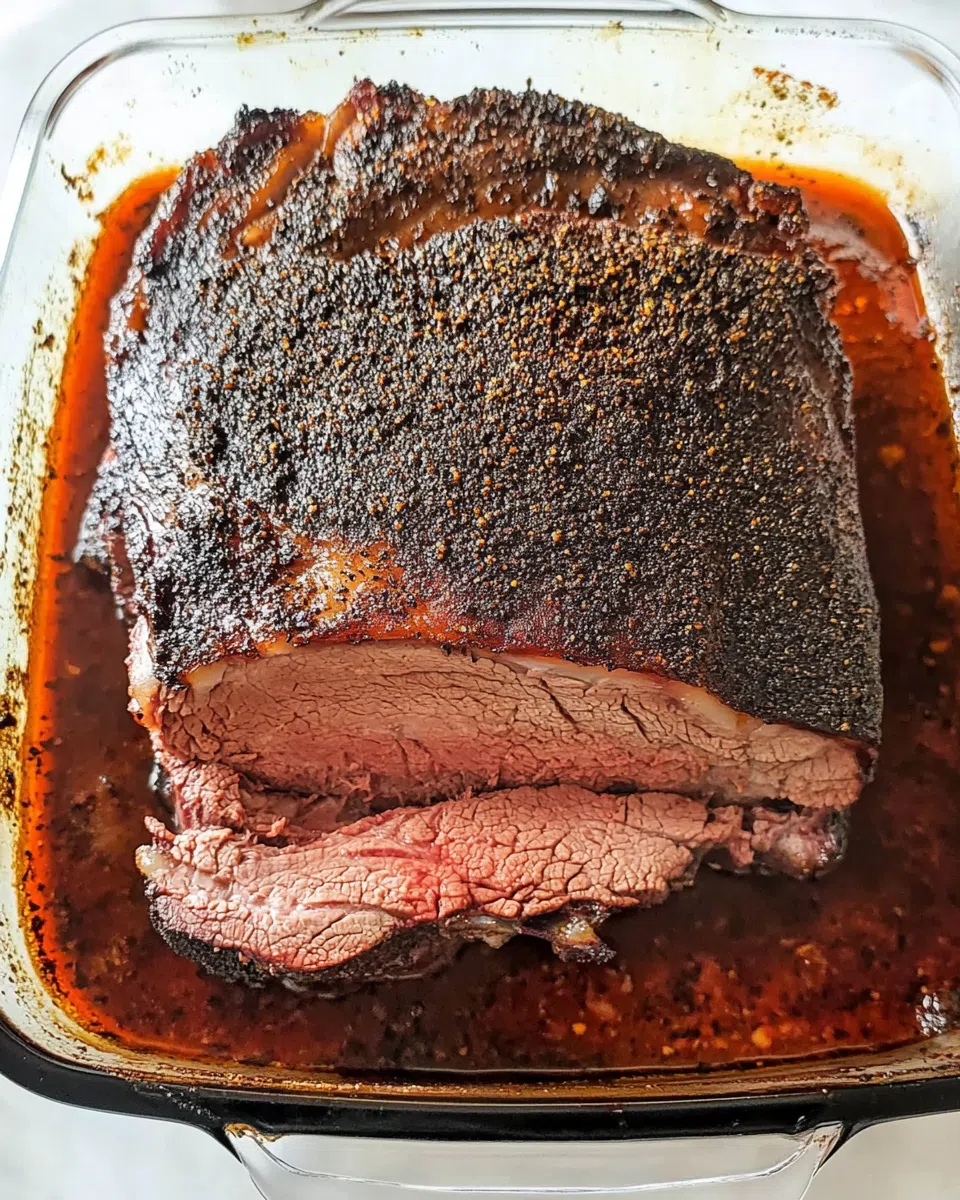
Slow cooking softens the meat but leaves the crust soft. Crisping the crust adds a nice texture contrast. Preheat your oven to high broil. Place the roast on a baking sheet. Broil for 3 to 5 minutes until the crust turns golden brown. Watch closely to avoid burning. This step gives the prime rib a beautiful, flavorful crust.
Making A Pan Sauce
Use the slow cooker juices for a rich pan sauce. Pour the drippings into a saucepan. Skim off excess fat with a spoon. Add beef broth or red wine for more flavor. Simmer and stir to reduce the sauce. Thicken with a small mix of flour or cornstarch and water. Taste and adjust salt and pepper as needed. Serve the sauce warm alongside the prime rib.
Serving Suggestions
Serve prime rib roast with classic sides. Creamy mashed potatoes, roasted vegetables, or a fresh green salad pair well. Offer horseradish sauce or mustard for extra zest. Slice the meat against the grain for tenderness. Arrange slices on a warm platter. Spoon pan sauce over or serve it on the side. Garnish with fresh herbs for a nice touch.
Common Mistakes To Avoid
Cooking a prime rib roast in a slow cooker can be incredibly rewarding, but there are some common mistakes that can turn your delicious plan into a kitchen letdown. Avoiding these pitfalls will help you achieve tender, flavorful meat every time.
Overcrowding The Slow Cooker
It’s tempting to add a bunch of veggies and sides along with your roast, but packing the slow cooker too tightly blocks heat circulation. This can lead to uneven cooking and longer cook times.
Give your prime rib some space. Leave enough room around the roast so heat can flow freely. Have you ever noticed some parts of your roast cooking faster than others? Overcrowding is usually the cause.
Skipping The Rest Period
After cooking, it’s crucial to let your prime rib rest before slicing. Skipping this step lets all the juicy flavors slip away, leaving dry meat.
Rest your roast for at least 20 minutes, covered loosely with foil. This allows the juices to redistribute evenly. Think about how much better steak tastes after resting—prime rib is no different.
Ignoring Temperature Checks
Relying solely on cooking time can be risky with slow cookers, as every appliance heats a bit differently. Not checking the internal temperature might leave you with undercooked or overdone meat.
Use a meat thermometer to check for your desired doneness. For medium rare, aim for around 130°F (54°C). Would you trust your roast to be perfect without a temperature check? Probably not.

Tips For Leftovers
Leftover prime rib roast can stay delicious with the right care. Keep it juicy and flavorful by following simple tips. Proper handling ensures your next meal tastes just as good.
Storing Properly
Cool the prime rib to room temperature before storing. Wrap it tightly in foil or plastic wrap. Use an airtight container to keep air out. Store leftovers in the refrigerator for up to 3 days. For longer storage, freeze the meat in a sealed bag. Label with the date to track freshness.
Reheating Without Drying
Reheat slowly to keep the meat tender. Use a low oven setting around 250°F (120°C). Cover the roast with foil to lock moisture. Heat for 20-30 minutes depending on portion size. Avoid microwaving as it can make the meat tough. Add a splash of broth or water to keep it moist.
Creative Recipes For Leftover Prime Rib
Transform leftovers into new meals easily. Slice thin for sandwiches with horseradish sauce. Chop and add to salads for extra protein. Dice and mix into scrambled eggs or omelets. Use meat in stews or soups for rich flavor. Try prime rib tacos with fresh salsa and cheese.
Frequently Asked Questions
How Long Does Prime Rib Roast Take In Slow Cooker?
Cooking prime rib in a slow cooker usually takes 4 to 6 hours on low heat. This timing ensures tender, juicy meat. Always use a meat thermometer to check for your desired doneness. Slow cooking helps retain flavor and moisture effectively.
What Temperature Is Best For Slow Cooking Prime Rib?
Set your slow cooker to low heat, around 190°F to 200°F. This temperature allows even cooking and tender results. High heat may overcook the roast or dry it out. Slow and steady is key for prime rib perfection.
Should Prime Rib Be Seared Before Slow Cooking?
Yes, searing prime rib before slow cooking locks in juices and enhances flavor. Brown the roast on all sides in a hot pan for 3-4 minutes each. This step creates a delicious crust and adds depth to the dish.
Can I Cook Frozen Prime Rib In A Slow Cooker?
It is not recommended to cook frozen prime rib in a slow cooker. Thaw the roast completely before cooking for even heat distribution. Cooking from frozen may cause uneven doneness and food safety concerns.
Conclusion
Cooking prime rib roast in a slow cooker saves time and effort. The meat turns tender and juicy with little work. You only need a few simple steps to prepare it. This method is great for busy days or special dinners.
Serve your roast with favorite sides for a full meal. Enjoy delicious, flavorful prime rib without standing by the stove. Try this easy slow cooker recipe for a tasty treat. Perfect for anyone who wants a hearty meal made simple.