If you want to impress your guests with a juicy, flavorful prime rib, cooking it on a gas grill is a game-changer. You might think grilling prime rib is tricky, but with the right steps, you can achieve a perfect, mouthwatering roast right in your backyard.
Imagine slicing into tender, smoky meat that melts in your mouth—sounds delicious, right? Keep reading, and you’ll discover simple tips and tricks to make your prime rib the star of any meal. Your next grill session is about to get a serious upgrade.
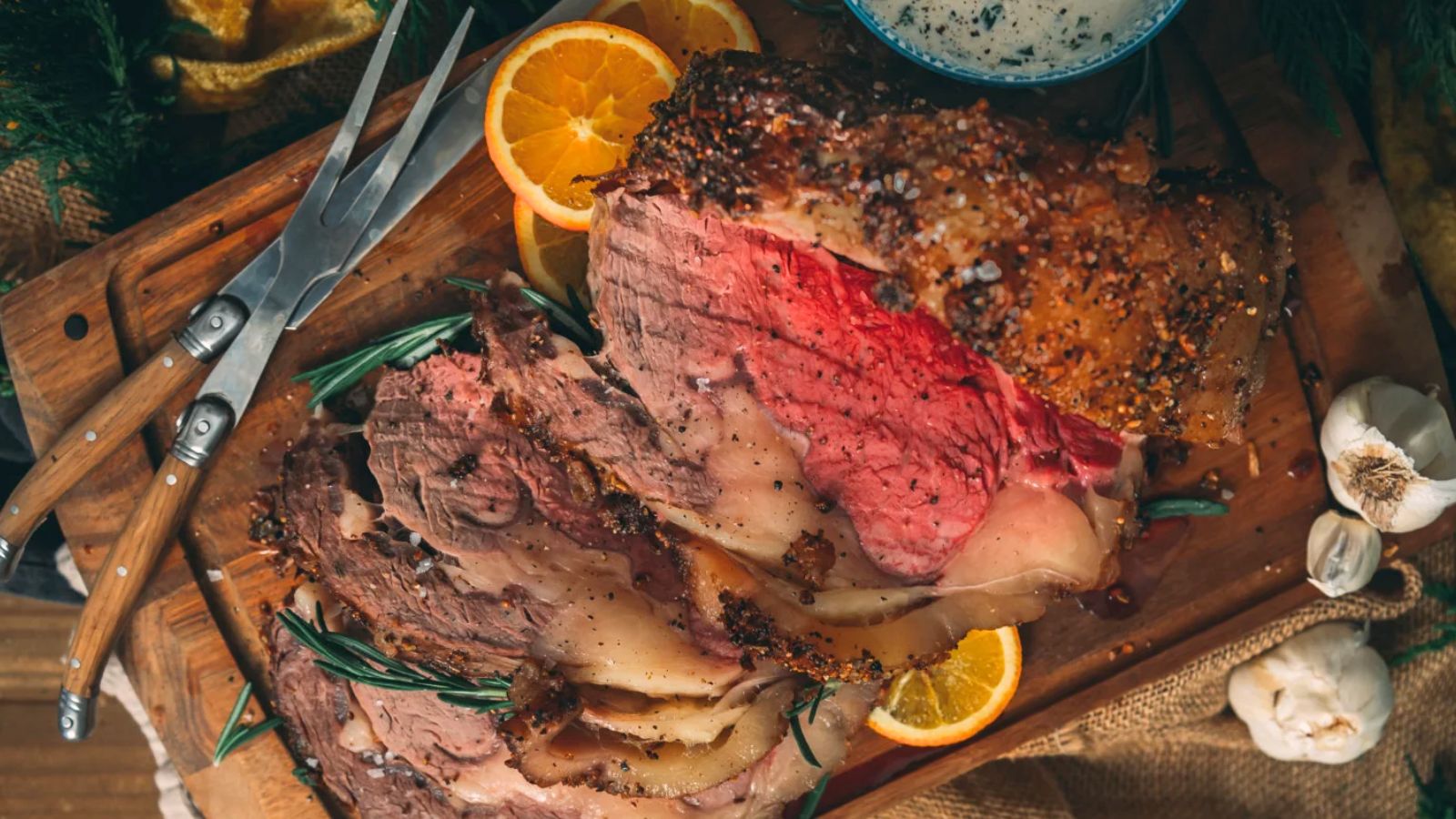
Credit: girlcarnivore.com
Choosing The Right Prime Rib
Choosing the right prime rib is key to grilling success. It affects flavor, tenderness, and how well the meat cooks on your gas grill. Picking the perfect cut can seem tricky, but focusing on a few important factors will guide you to a delicious result.
Selecting The Cut
Prime rib comes from the rib section of the cow, but it’s important to know which part you want. A standing rib roast with the bone in offers more flavor and helps the meat stay juicy. Boneless prime rib roasts are easier to carve and cook more evenly.
Think about whether you want the classic bone-in look or the convenience of boneless. Your choice changes the cooking time and how the meat holds heat on the grill.
Considering Size And Weight
Size matters when grilling prime rib. Smaller roasts, around 3 to 5 pounds, cook faster and are great for intimate dinners. Larger roasts, 6 to 10 pounds, feed a crowd but require more grill time and attention.
Ask yourself how many people you’re feeding and how much time you have. Also, consider your grill’s capacity—make sure the roast fits comfortably with room for heat circulation.
Checking For Quality
Look closely at the marbling, which is the white fat running through the meat. More marbling means richer flavor and a tender bite. Avoid cuts that look dry or have a grayish color.
Freshness is another factor. The meat should smell clean, not sour or off. If possible, buy from a trusted butcher who can tell you where the beef comes from and how it was aged.
Preparing The Prime Rib
Preparing your prime rib properly sets the stage for a delicious and juicy meal. How you trim, season, and handle the meat before it hits the grill makes all the difference. Taking time here ensures the flavors develop fully and the roast cooks evenly.
Trimming And Seasoning
Start by trimming any excess silver skin or large fat deposits that won’t render well during grilling. Leaving a thin layer of fat, about 1/4 inch, helps keep the meat moist and adds flavor.
Season generously with coarse salt and freshly ground black pepper. You can also add garlic powder, rosemary, or thyme for extra aroma. Press the seasoning into the meat to help it stick and create a flavorful crust.
Bringing To Room Temperature
Let your prime rib sit out for at least an hour before grilling. This step is crucial because cold meat cooks unevenly, leading to a tough exterior and an undercooked center.
Allowing the roast to come to room temperature ensures even cooking and a tender bite throughout. While waiting, you can prepare your grill and marinade if you plan to use one.
Marinating Options
Marinating prime rib isn’t mandatory but can add a layer of flavor and tenderness. Consider a simple marinade with olive oil, crushed garlic, fresh herbs, and a splash of red wine or balsamic vinegar.
For a bolder taste, try a marinade with soy sauce, Worcestershire sauce, and a touch of brown sugar. Keep the meat in the marinade for at least 2 hours, or overnight if possible, to let the flavors seep in deeply.
Setting Up The Gas Grill
Setting up the gas grill correctly is key to cooking prime rib perfectly. It ensures even cooking and the right flavor. Preparing your grill takes a few simple steps that anyone can do. Proper heat management helps the meat cook slowly and stay juicy. Using tools like a meat thermometer guarantees the best results.
Creating Heat Zones
Start by turning on only one side of the grill burners. This creates two zones: one hot for searing and one cooler for slow cooking. The hot zone will give the prime rib a nice crust. The cooler zone cooks the meat gently without burning it. This setup mimics oven roasting but with the smoky flavor of the grill.
Preheating The Grill
Preheat the gas grill for about 15 minutes with the lid closed. Aim for a temperature around 450°F (232°C) on the hot side. This heat level is perfect for searing the outside of the prime rib. Keep the cooler side under 250°F (121°C) for slow roasting. Preheating ensures the grill is ready to cook evenly.
Using A Meat Thermometer
A meat thermometer is essential to check the prime rib’s internal temperature. Insert it into the thickest part of the roast, avoiding bones. Check the temperature often to avoid overcooking. For medium rare, aim for 130°F (54°C) before resting. The thermometer helps you cook the prime rib safely and to your preferred doneness.

Credit: www.mychicagosteak.com
Grilling Techniques For Prime Rib
Mastering the grilling techniques for prime rib is key to transforming this luxurious cut into a flavorful masterpiece on your gas grill. The process involves more than just placing the meat over flames; it requires careful control of heat and timing to develop the perfect crust while keeping the inside tender and juicy. Let’s dive into the essential steps that will make your prime rib grilling experience both enjoyable and successful.
Searing The Roast
Searing locks in the juices and creates that delicious, caramelized crust everyone craves. Start by preheating your grill to high heat, around 500°F (260°C). Place the prime rib directly over the flames for about 3 to 4 minutes per side.
Keep an eye on the roast as it sears; you want a deep brown color without burning the surface. This quick, intense heat jumpstarts the flavor development and seals the meat’s natural moisture inside.
Indirect Cooking Method
After searing, move your prime rib to the cooler side of the grill to finish cooking through indirect heat. This method prevents overcooking the exterior while allowing the inside to reach your desired doneness evenly.
Close the lid and maintain a grill temperature between 250°F and 300°F (121°C to 149°C). Depending on the roast size, this slow cooking phase can take anywhere from 1 to 2 hours. Use a meat thermometer to check for precise internal temperature—130°F (54°C) for medium-rare is a great target.
Managing Grill Temperature
Maintaining steady grill temperature is crucial when cooking prime rib on a gas grill. Fluctuations can cause uneven cooking or dry out the meat.
Adjust the burners in small increments rather than large changes. Use a grill thermometer and keep the lid closed as much as possible to hold heat steady.
Have you ever noticed how opening the lid frequently can add significant cooking time? Resist the urge to peek often; patience here rewards you with a perfectly cooked prime rib.
Checking Doneness
Checking the doneness of prime rib on a gas grill ensures a juicy, flavorful roast. It prevents overcooking or undercooking. Using the right tools and techniques helps achieve perfect results every time. Understanding internal temperature, resting, and carving are key steps.
Internal Temperature Guide
Use a meat thermometer to check the internal temperature. Insert it into the thickest part, avoiding bones. Here is a simple guide to prime rib doneness:
| Doneness | Internal Temperature (°F) | Temperature (°C) |
|---|---|---|
| Rare | 120-125 | 49-52 |
| Medium Rare | 130-135 | 54-57 |
| Medium | 140-145 | 60-63 |
| Medium Well | 150-155 | 66-68 |
| Well Done | 160+ | 71+ |
Check temperature often as grilling time varies. Remember, the meat will continue to cook slightly after removing from the grill.
Resting The Meat
Rest the prime rib for 15 to 20 minutes after grilling. Cover it loosely with foil to keep warm. This allows juices to redistribute inside the meat. Cutting too early causes juices to spill out. Resting improves tenderness and flavor.
Carving Tips
Use a sharp carving knife for clean slices. Cut against the grain to keep meat tender. Slice in ½-inch thick pieces for best texture. Hold the roast steady with a fork or carving tool. Serve immediately to enjoy prime rib at its best.

Credit: www.todaysdelight.com
Serving Suggestions
Enhance your prime rib experience with a side of roasted vegetables. Pair with a fresh green salad for balance. A glass of red wine complements the rich flavors perfectly.
Cooking prime rib on a gas grill is an art, and the perfect serving suggestions can elevate your meal to a gourmet experience. Imagine the satisfaction of pairing your perfectly grilled prime rib with sides and sauces that enhance its rich, savory flavors. Let's delve into creative ways to serve your masterpiece, ensuring each bite is unforgettable.
Side Dishes To Pair
Choosing the right side dishes can transform your meal. Consider classic options like creamy mashed potatoes or a crisp Caesar salad. For a twist, serve grilled asparagus or roasted Brussels sprouts to complement the robust flavors of the prime rib. A refreshing coleslaw can add a crunch and balance the richness. If you're feeling adventurous, try a wild rice pilaf or a quinoa salad with lemon vinaigrette. The key is to balance textures and flavors, enhancing the main dish without overpowering it.
Sauces And Condiments
Elevate your prime rib with flavorful sauces. A traditional horseradish sauce brings a zesty kick that pairs beautifully with the meat's richness. For a more subtle touch, consider a red wine reduction or a creamy mushroom sauce. Don't underestimate the power of a good au jus. Its savory depth can enhance the natural juices of the meat. If you love experimenting, a chimichurri sauce offers a fresh, herby contrast. Each sauce brings a unique dimension, making every bite a new experience.
Presentation Ideas
Presentation is key to a memorable dining experience. Slice the prime rib against the grain for tender, juicy pieces. Arrange the slices on a large platter with garnishes like fresh rosemary or thyme sprigs for a touch of elegance. Consider a rustic wooden board for a more casual setting. Add colorful vegetables or roasted potatoes around the meat to create a feast for the eyes. Your presentation should invite conversation and create anticipation for the flavors to come. Are you ready to impress your guests with these serving suggestions? The right accompaniments and presentation can turn your prime rib into a show-stopping centerpiece.
Troubleshooting Common Issues
Troubleshooting common issues while cooking prime rib on a gas grill can make all the difference between a great meal and a disappointing one. Prime rib is a luxurious cut, but it demands attention and care to cook it perfectly. Understanding how to handle dryness, flare-ups, and undercooked meat will help you grill like a pro and impress your guests every time.
Avoiding Dryness
Dryness is one of the biggest challenges with prime rib on the grill. To keep your meat juicy, avoid cooking it at very high heat for too long. Slow and steady wins this race—use indirect heat and maintain a consistent temperature around 250°F to 300°F.
Bringing the prime rib to room temperature before grilling helps it cook evenly. Don’t forget to baste or apply a fat-based rub to lock in moisture. If you notice the edges starting to dry, tent the meat with foil to trap steam and keep it tender.
Handling Flare-ups
Flare-ups can quickly char your prime rib, ruining its flavor and texture. Fat dripping onto the flames often causes these sudden bursts. Keep a spray bottle of water nearby to gently douse small flames without cooling the grill too much.
Position your meat away from direct flames using the indirect cooking zone. This simple adjustment reduces flare-ups and gives you better control. What’s your strategy to stay calm when flames jump unexpectedly?
Correcting Undercooked Meat
If your prime rib comes off the grill undercooked, don’t panic. You can finish cooking it in a preheated oven at 325°F to reach your desired doneness. Use a meat thermometer to check the internal temperature, aiming for 130°F for medium-rare.
Another trick is to tent the meat with foil and let it rest longer; residual heat continues to cook the meat gently. Have you ever rescued an undercooked roast and turned it into a dinner success?
Frequently Asked Questions
How Long To Grill Prime Rib On A Gas Grill?
Grill prime rib for about 15 minutes per pound on medium heat. Use indirect heat to avoid flare-ups. Always check the internal temperature for doneness.
What Temperature Should Prime Rib Be Grilled At?
Maintain a grill temperature of 325°F to 350°F. This range cooks the meat evenly and keeps it juicy. Use a grill thermometer for accuracy.
Should I Sear Prime Rib Before Grilling?
Yes, sear prime rib on high heat for 5 minutes per side. This locks in juices and adds a flavorful crust. Then cook over indirect heat.
How To Check Prime Rib Doneness On A Grill?
Use a meat thermometer inserted into the thickest part. Aim for 120°F for rare, 130°F for medium-rare, and 140°F for medium. Rest meat before slicing.
Conclusion
Cooking prime rib on a gas grill brings great flavor and fun. Start with good seasoning and control your grill’s heat. Keep an eye on the meat to avoid overcooking. Let the prime rib rest after grilling to keep it juicy.
Serve it with your favorite sides for a tasty meal. This simple method helps you enjoy prime rib easily at home. Try it once, and you might want to grill prime rib again soon. Enjoy your delicious, tender prime rib straight from the gas grill.