Are you ready to master a classic comfort meal that fills your home with irresistible aromas? Cooking pot roast in a Dutch oven is easier than you think, and the results are truly mouthwatering.
Imagine tender, juicy meat falling apart with every bite, surrounded by rich, flavorful vegetables and sauce—all made in one pot. In this guide, you’ll discover simple steps to create a delicious pot roast that will impress your family and friends.
Keep reading, and you’ll soon have the secret to a perfect, hearty meal right at your fingertips.

Credit: urbanblisslife.com
Choosing The Right Cut
Choosing the right cut of meat is the foundation of a tender and flavorful pot roast. Different cuts behave differently under slow cooking, so picking the best one can elevate your dish from good to unforgettable.
Best Meat For Pot Roast
Look for cuts that have a good amount of connective tissue and marbling. These parts break down during the slow cooking process, making the meat tender and juicy.
- Chuck roast:This is a classic choice. It’s flavorful, affordable, and becomes melt-in-your-mouth soft after hours in the Dutch oven.
- Brisket:Known for its rich taste, brisket requires slow cooking to become tender, making it perfect for pot roast.
- Round roast:Leaner than chuck, it can still work well if cooked low and slow, though it might not be as tender.
Have you ever tried a pot roast with a different cut? Notice how the texture and flavor vary? Choosing the right meat can change everything.
Selecting Quality Ingredients
Freshness and quality of your meat affect the final outcome more than you might expect. Look for cuts with a bright red color and some fat marbling.
Don’t hesitate to ask your butcher for advice or recommendations—they often know which cuts will work best for pot roast.
- Pick meat that feels firm but not dry or slimy.
- Check for a consistent color without dark spots or discoloration.
- Look for even fat distribution; this adds flavor and moisture during cooking.
How often do you check the quality of your meat before cooking? Small choices here can make your pot roast truly stand out.

Credit: gratefulgrits.com
Preparing The Meat
Preparing the meat for your pot roast sets the foundation for a rich and tender dish. Taking time to properly trim and season the beef ensures every bite is flavorful. Before you even think about cooking, these steps make a big difference in the final result.
Trimming And Seasoning
Start by trimming excess fat and silver skin from the roast. Too much fat can cause flare-ups or greasy flavors, but a little fat helps keep the meat juicy. Aim to leave a thin layer for moisture and flavor.
Next, season the meat generously with salt and pepper. Don’t be shy—seasoning penetrates the meat during cooking, boosting taste. You can also add garlic powder, onion powder, or herbs like rosemary for extra aroma.
Have you ever wondered why some roasts taste bland? Skipping this step is often the culprit. Proper seasoning is like giving your meat a head start.
Searing For Flavor
Searing the meat in your Dutch oven creates a delicious crust that locks in juices. Heat a small amount of oil over medium-high heat until shimmering, then add the roast.
Cook each side for about 3-4 minutes without moving it. This forms a deep brown crust packed with flavor. Don’t rush this step; patience here pays off.
The smell of searing meat is irresistible and signals the start of something wonderful. Have you noticed how searing transforms the look and taste? It’s a simple step that elevates your pot roast from good to unforgettable.
Prepping The Dutch Oven
Prepping your Dutch oven properly sets the stage for a perfect pot roast. This isn’t just about cleaning and heating—it’s about selecting the right tools and materials that impact your roast’s flavor and texture. Let’s focus on how to prepare your Dutch oven so you get the best results every time.
Choosing The Perfect Pot
Not all Dutch ovens are created equal. A heavy cast iron Dutch oven with an enamel coating works best because it distributes heat evenly and retains it well. If you have a smaller one, that’s fine too—just make sure it’s large enough to hold your roast comfortably with room for vegetables.
Think about the lid as well; a tight-fitting lid traps moisture, which keeps your roast juicy. If your lid has a small knob on top, it can help you lift it safely without burning your fingers.
Heating And Oil Selection
Before adding your roast, preheat your Dutch oven over medium heat for a few minutes. This ensures even cooking and prevents the meat from sticking. If you place your roast in a cold pot, it may cook unevenly and lose flavor.
Choose an oil with a high smoke point, like vegetable oil or canola oil. These oils handle the high heat needed for searing without burning. Avoid olive oil—it can smoke too quickly and impart a bitter taste.
Once your Dutch oven is hot, add just enough oil to coat the bottom. This creates a non-stick surface and helps develop that beautiful brown crust on your pot roast. Have you noticed how a properly heated pan can make searing almost effortless?
Credit: www.katieleebiegel.com
Adding Vegetables And Aromatics
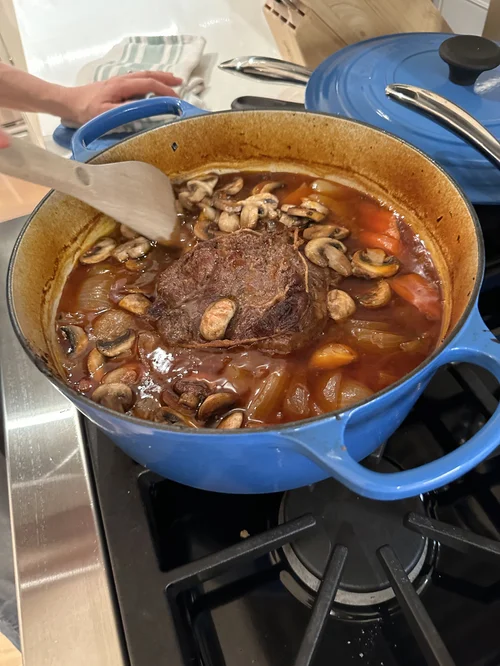
Enhance your pot roast by adding vegetables and aromatics like onions, garlic, and carrots. These ingredients enrich flavor and create a hearty base. They blend perfectly in a Dutch oven, ensuring a delicious, savory dish.
Adding vegetables and aromatics elevates a pot roast's flavor. These additions complement the meat, creating a rich, hearty dish. Vegetables bring texture, while aromatics infuse depth. Let’s explore which vegetables and aromatics work best.
Best Vegetables For Pot Roast
Choose root vegetables for their robust flavors. Carrots and potatoes are classic choices. They absorb juices well, enhancing their taste. Add onions for sweetness and leeks for a mild, oniony flavor. Celery adds freshness and a slight crunch. For a twist, include parsnips or turnips. They bring a slightly peppery taste.
Using Herbs And Spices
Herbs and spices enhance the pot roast's aroma. Bay leaves add a subtle, earthy scent. Thyme and rosemary pair well with beef, offering a woodsy flavor. Use garlic for an aromatic kick. Peppercorns bring a gentle heat. Consider adding a pinch of paprika for warmth. Fresh herbs should be added towards the end. This preserves their bright flavor.
Cooking Process
Cooking pot roast in a Dutch oven involves gentle heat and slow cooking. This process breaks down tough fibers and tenderizes the meat. The key is maintaining a low and steady temperature. This ensures the roast stays juicy and full of flavor.
Patience is important. Cooking slowly allows the flavors to blend well. The meat becomes soft and easy to cut. Vegetables also cook perfectly, soaking up the rich juices.
Simmering Techniques
Simmering means cooking food in liquid at a low temperature. The liquid should gently bubble, not boil. Boiling can make the meat tough.
- Use enough broth or water to cover half the roast.
- Keep the heat low to maintain a steady simmer.
- Check the pot often and adjust the heat as needed.
- Skim off any foam or fat that rises to the surface.
Simmering slowly softens the meat fibers. It also helps the flavors mix deeply.
Oven Vs Stovetop Cooking
Both oven and stovetop methods work well for pot roast. Choose based on your kitchen setup.
| Oven Cooking | Stovetop Cooking |
|---|---|
| Provides even heat all around the Dutch oven. | Requires careful temperature control to avoid hot spots. |
| Good for long, slow cooking at a low temperature (around 300°F). | Needs gentle heat and frequent checking to keep simmering. |
| Hands-off method; just set timer and check occasionally. | More hands-on; adjust burner heat as needed. |
| Heat surrounds the pot evenly, preventing burning. | Heat comes from below, so stir occasionally to prevent sticking. |
Both methods make a tender, flavorful pot roast. Oven cooking suits busy cooks. Stovetop cooking works well for those who want to watch closely.
Checking For Doneness
Checking for doneness is a key step in cooking pot roast in a Dutch oven. It ensures the meat is cooked perfectly tender and juicy. Pot roast needs slow cooking to break down tough fibers. Proper doneness means the meat should easily pull apart.
Knowing when the roast is done saves time and improves taste. Overcooking can dry out the meat. Undercooking leaves it tough. Use simple tests to check tenderness and decide if it needs more time.
Tenderness Tests
Use a fork or knife to test the meat. Insert it into the thickest part. The meat should feel soft and slide out easily. If the fork meets resistance, the roast needs more cooking.
Another way is to gently pull the meat apart with two forks. It should separate without much force. If it holds together tightly, cook longer. The goal is a tender texture that melts in your mouth.
Adjusting Cooking Time
Every roast and stove differs. Adjust cooking time based on tenderness tests. If the meat is still firm, add 20 to 30 minutes of cooking. Check again after that.
Keep the Dutch oven covered to keep moisture in. Use low heat to avoid drying out the roast. Patience pays off. Slow and steady cooking makes the best pot roast.
Serving Suggestions
Serving your pot roast straight from the Dutch oven is satisfying, but pairing it with the right sides and presenting it well can elevate the whole meal. How you serve your pot roast can turn a simple dinner into a memorable experience. Let’s look at some ideas that work well and make your meal inviting and delicious.
Side Dishes To Pair
Pot roast is rich and hearty, so you want sides that balance or complement its flavors.
- Mashed potatoes:Creamy and smooth, they soak up the juices perfectly.
- Roasted root vegetables:Carrots, parsnips, and potatoes add a sweet and earthy contrast.
- Steamed green beans or asparagus:These bring a fresh, crisp texture to your plate.
- Buttery dinner rolls or crusty bread:Great for mopping up the delicious sauce.
- Simple salad:A light, acidic salad with lemon vinaigrette cuts through the richness.
What side dish do you reach for when you want to balance a heavy main? Try mixing textures and flavors to keep each bite interesting.
Plating Tips
How you arrange your pot roast and sides on the plate affects the whole dining experience.
Start with a base of mashed potatoes or a bed of roasted vegetables. Place slices of pot roast on top or beside them so the juices drizzle naturally.
Add a pop of color with a sprinkle of fresh herbs like parsley or thyme. It brightens the dish visually and adds a fresh aroma.
Use wide plates to give each element space and avoid overcrowding. Think about the contrast in colors and textures as you arrange each item.
Have you noticed how a simple garnish can change the look of your meal? Try experimenting with plating to see what excites you and your guests.
Storing And Reheating
Storing and reheating pot roast cooked in a Dutch oven ensures you enjoy every bite later. Proper handling keeps the meat tender and flavorful. Avoid common mistakes that make leftovers dry or bland. Follow simple tips to keep your pot roast fresh and tasty.
Proper Storage Methods
Let the pot roast cool to room temperature before storing. Place it in an airtight container to keep moisture in. Store the roast and its juices together for better flavor. Use the refrigerator for short-term storage, up to 3-4 days. For longer storage, freeze the pot roast in a sealed container or freezer bag. Label the container with the date to track freshness.
Reheating Without Drying
Reheat pot roast gently to keep it moist and tender. Use a low heat setting on the stove or oven. Add a splash of broth or water to create steam. Cover the pot roast with a lid or foil to lock in moisture. Stir occasionally to heat evenly. Avoid microwaving, which can dry out the meat quickly. Check the temperature to ensure it reaches 165°F (74°C) before serving.
Frequently Asked Questions
What Cut Of Beef Is Best For Pot Roast In A Dutch Oven?
Chuck roast is ideal for Dutch oven pot roast. It becomes tender and flavorful when slow-cooked. Brisket and round roast are also good alternatives for a juicy pot roast.
How Long Should I Cook Pot Roast In A Dutch Oven?
Cook pot roast for 3 to 4 hours at 300°F (150°C). Slow cooking ensures the meat becomes tender and juicy. Check for fork-tender texture before serving.
Can I Brown The Meat Before Slow Cooking?
Yes, browning meat adds rich flavor and seals juices. Sear the roast on all sides in hot oil before slow cooking. This step enhances the overall taste of the pot roast.
What Vegetables Go Well With Dutch Oven Pot Roast?
Carrots, potatoes, onions, and celery are perfect for pot roast. Add them during the last 1 to 2 hours of cooking. They absorb flavors and complement the tender meat beautifully.
Conclusion
Cooking pot roast in a Dutch oven makes dinner simple and tasty. The slow heat helps the meat become soft and full of flavor. You only need a few ingredients and some patience. This method works well for beginners and cooks alike.
Try different vegetables and spices to find your favorite mix. Enjoy a warm, hearty meal that brings comfort and joy. Pot roast in a Dutch oven is a great way to feed family and friends. Give it a try and see how easy and delicious it can be.