If you want a delicious, tender pork sirloin roast without spending hours in the kitchen, you’re in the right place. Cooking pork sirloin roast in a slow cooker is one of the easiest ways to get juicy, flavorful meat that practically melts in your mouth.
Imagine coming home to a perfectly cooked meal waiting for you, with minimal effort on your part. In this guide, you’ll discover simple steps and tips that make slow-cooking your pork sirloin roast not just easy, but truly rewarding. Keep reading, and you’ll learn how to turn your slow cooker into your new favorite kitchen helper.
Choosing The Right Pork Sirloin Roast
Choosing the right pork sirloin roast is key for a tender, flavorful meal. The cut you select affects cooking time and taste. Knowing how to pick the best roast helps you get the most from your slow cooker.
Size And Weight Tips
Pick a roast that fits your slow cooker size. Small slow cookers work best with roasts under 3 pounds. For larger cookers, 4 to 5 pounds is ideal. A medium-sized roast cooks evenly and stays juicy. Avoid very large roasts; they may cook unevenly or take too long.
Fresh Vs. Frozen Cuts
Fresh pork sirloin roasts offer better texture and flavor. Frozen roasts can be used but need full thawing before cooking. Cooking from frozen leads to uneven cooking. If buying frozen, thaw in the fridge for 24 hours. Fresh cuts save time and improve the cooking result.
Quality Indicators
- Look for firm, pinkish-red meat.
- Check for minimal fat marbling for tenderness.
- Avoid cuts with gray or brown spots.
- The surface should feel moist, not slimy.
- Smell the meat; it should have a clean, fresh scent.
Choosing a high-quality roast ensures a better taste and texture after slow cooking.

Credit: cookthestory.com
Essential Ingredients And Seasonings
Choosing the right ingredients and seasonings is key to making your pork sirloin roast flavorful and tender in a slow cooker. The beauty of slow cooking is that it allows spices and herbs to deeply penetrate the meat, creating rich layers of taste. Let’s look at the essential components that will elevate your roast from ordinary to memorable.
Basic Spices And Herbs
Start with simple, classic spices that complement pork’s natural sweetness. Salt and black pepper are non-negotiable—they enhance every other flavor you add. Garlic powder, onion powder, and smoked paprika bring warmth and depth.
- Thyme and rosemary add earthy, aromatic notes that pair perfectly with pork.
- Sage and bay leaves contribute a subtle herbal complexity.
- Don’t forget a pinch of cayenne or chili powder if you like a bit of heat.
Have you noticed how just a few herbs can transform a dish? Experiment with these staples to find your favorite combo.
Marinades And Rubs
Marinating your pork sirloin roast can boost tenderness and infuse extra flavor. A simple marinade with olive oil, apple cider vinegar, and honey adds both moisture and a hint of sweetness.
- Try mixing soy sauce, garlic, and brown sugar for an Asian-inspired rub.
- A blend of mustard, smoked paprika, and brown sugar makes a smoky-sweet crust.
- Apply your rub generously and let it sit for at least an hour before cooking.
Have you ever marinated meat overnight? The slow cooker will then help those flavors seep all the way through.
Vegetables For Flavor
Adding vegetables not only enhances flavor but also creates a natural, savory base for your roast. Carrots, onions, and celery are classic slow cooker companions.
- They release juices that blend with your seasonings and keep the meat moist.
- Potatoes or parsnips add heartiness and absorb the delicious cooking juices.
- Don’t overlook garlic cloves and fresh herbs tossed in with the veggies.
Next time you prepare your roast, consider layering these vegetables under the meat. It’s a simple trick that makes a big difference.
Preparing The Pork Sirloin
Preparing the pork sirloin properly sets the foundation for a delicious slow cooker roast. Taking the time to trim, clean, and season the meat can elevate the final dish’s flavor and texture. How you treat the pork at this stage directly affects how it will cook and taste after hours in the slow cooker.
Trimming And Cleaning
Start by inspecting your pork sirloin roast for any excess fat or silver skin. Removing these layers helps prevent a greasy texture and allows seasonings to penetrate better. Use a sharp knife to carefully trim away thick fat caps and any tough, silvery membranes.
Rinse the roast under cold water and pat it dry thoroughly with paper towels. Moisture on the surface can interfere with browning and seasoning adhesion. Have you noticed how a dry surface helps spices stick better?
Applying Seasonings
Seasoning is your chance to add personality to the pork. Use a mix of salt, pepper, garlic powder, and herbs like rosemary or thyme for a classic profile. Rub the spices evenly all over the roast, pressing them into the meat.
You can also add a bit of olive oil to help the seasonings stick and to boost moisture retention during cooking. Don’t be shy with the salt—it draws out the pork’s natural flavors and tenderizes the meat. What flavors do you usually enjoy with pork?
Optional Searing For Extra Flavor
Searing the pork before slow cooking is an extra step that makes a big difference. Browning the roast in a hot pan caramelizes the surface, creating deep, complex flavors you won’t get from slow cooking alone.
Heat a little oil in a skillet over medium-high heat and brown the roast on all sides, about 2-3 minutes per side. This seals in juices and adds a beautiful crust. Even if you’re short on time, a quick sear can elevate your roast significantly—have you tried it before?
Credit: www.everydayfamilycooking.com
Slow Cooker Settings And Timing
Getting the slow cooker settings and timing right is key to a tender and flavorful pork sirloin roast. The heat level you choose affects how the meat cooks and the texture you’ll end up with. Understanding the best settings helps you avoid overcooked or undercooked results, making your meal a guaranteed hit.
Low Vs. High Heat Options
Choosing between low and high heat depends on how much time you have and the texture you want. Slow cooking on low heat lets the pork roast become tender and juicy by gently breaking down the meat fibers over several hours.
High heat cooks faster but can sometimes dry out the meat if left too long. If your schedule is tight, high heat is a practical choice—but keep a close eye on it to prevent overcooking.
Recommended Cooking Times
| Slow Cooker Setting | Cooking Time for Pork Sirloin Roast |
|---|---|
| Low Heat | 6 to 8 hours |
| High Heat | 3 to 4 hours |
These times are a great starting point, but every slow cooker heats differently. I once left a roast on high for 3 hours and it was perfectly juicy, but another time it needed closer to 4 hours. Always check your roast earlier than expected if you’re trying a new cooker.
Using A Meat Thermometer
A meat thermometer is your best friend to nail the perfect pork sirloin roast. Slow cookers vary, so relying on time alone can leave you guessing.
Insert the thermometer into the thickest part of the roast. Your target temperature should be 145°F (63°C)for safe and juicy pork.
Have you ever cut into a roast only to find it a bit raw in the middle? A thermometer stops that guesswork and ensures your pork is cooked just right every time.
Adding Liquids And Aromatics
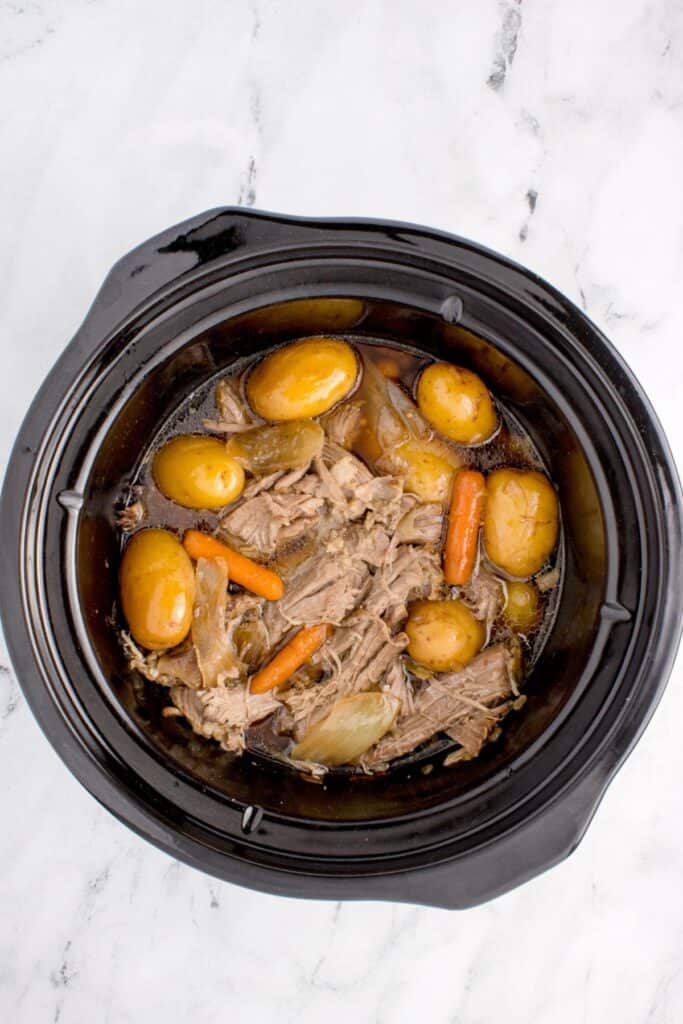
Pour broth or water into the slow cooker to keep the pork moist during cooking. Add garlic, onions, or herbs to enhance the flavor naturally. These liquids and aromatics create a tasty base for a juicy pork sirloin roast.
Adding the right liquids and aromatics can transform your pork sirloin roast into a flavorful masterpiece. The slow cooker is perfect for infusing these flavors, making your roast juicy and delicious. Let's dive into the specifics of what to include for an unforgettable dish.
Broth, Wine, And Other Liquids
The base of your cooking liquid can significantly impact the taste of your roast. Broth is a common choice, providing a savory foundation. Whether you opt for chicken or vegetable broth, both will lend depth to your dish. Wine is another excellent option. A splash of white wine can add a subtle tanginess, while red wine offers a richer, deeper flavor. If you're feeling adventurous, try adding apple cider or even a touch of beer for a unique twist. Remember to taste your mixture before pouring it over the roast. This ensures a balanced seasoning and prevents any one flavor from overpowering the dish.
Aromatic Vegetables And Herbs
Adding vegetables and herbs can elevate the flavor profile of your pork roast. Consider using onions, garlic, and celery as a base. These classic aromatics release their flavors slowly, creating a fragrant backdrop for your meal. Herbs like rosemary, thyme, and sage are perfect companions for pork. Adding a few sprigs can infuse the dish with earthy and aromatic notes. Don't be afraid to experiment with herbs you love; your palate is the best guide. Imagine the delightful aroma wafting through your kitchen as these ingredients meld together over hours of slow cooking.
Balancing Moisture Levels
Balancing moisture is crucial to prevent your roast from drying out. Too much liquid can lead to a soggy texture, while too little can dry out the meat. Aim to cover about half of the roast with liquid. Consider the moisture content of your vegetables. As they cook, they release juices that contribute to the overall liquid. Keep this in mind as you decide how much broth or wine to use. Have you ever noticed the difference that perfect moisture makes in a dish? It’s the secret to a succulent, tender pork sirloin roast.
Monitoring And Adjusting During Cooking
Keeping an eye on your pork sirloin roast as it cooks in the slow cooker can make a huge difference in the final taste and texture. It’s not just about setting the timer and walking away—you need to check in and tweak things to get it just right. Monitoring helps you avoid surprises like dry meat or bland flavors.
Checking For Doneness
Use a meat thermometer to check the internal temperature. Pork sirloin roast is safe to eat at 145°F (63°C), but reaching around 190°F (88°C) will make it tender enough to pull apart easily.
Insert the thermometer into the thickest part of the roast, avoiding bone if there is any. If the temperature isn’t quite there, give it more time and check again every 30 minutes.
Ever found your roast tough even after hours of cooking? It might have been undercooked inside, so don’t rely only on time—temperature is your best guide.
Adjusting Flavor Midway
Taste the cooking liquid halfway through the process. If it feels flat, add a pinch of salt, pepper, or herbs like rosemary and thyme to boost the aroma and depth.
You can also add a splash of apple cider vinegar or a bit of honey for a subtle tang or sweetness. These quick fixes can brighten the overall flavor without overcooking the meat.
Ask yourself: does the sauce taste like it needs more zing or warmth? Small adjustments now will save you from a bland dinner later.
Avoiding Overcooking
Slow cookers vary in heat, so don’t blindly trust the clock. If your roast looks like it’s drying out or shredding too much before your planned time, switch to the warm setting to keep it juicy.
Remove the lid for the last 30 minutes if you want to thicken the sauce without losing moisture in the meat. This trick lets you control the texture without overcooking.
Have you ever ended up with a mushy roast? It’s usually because the meat cooked too long at too high a temperature—keep a close watch and adjust accordingly.
Resting And Serving The Roast
Resting and serving your pork sirloin roast from the slow cooker is key to a juicy and flavorful meal. After slow cooking, the meat needs time to relax before slicing. This step locks in the juices and improves texture. Serving the roast properly adds to the dining experience and highlights its rich flavors.
Importance Of Resting Time
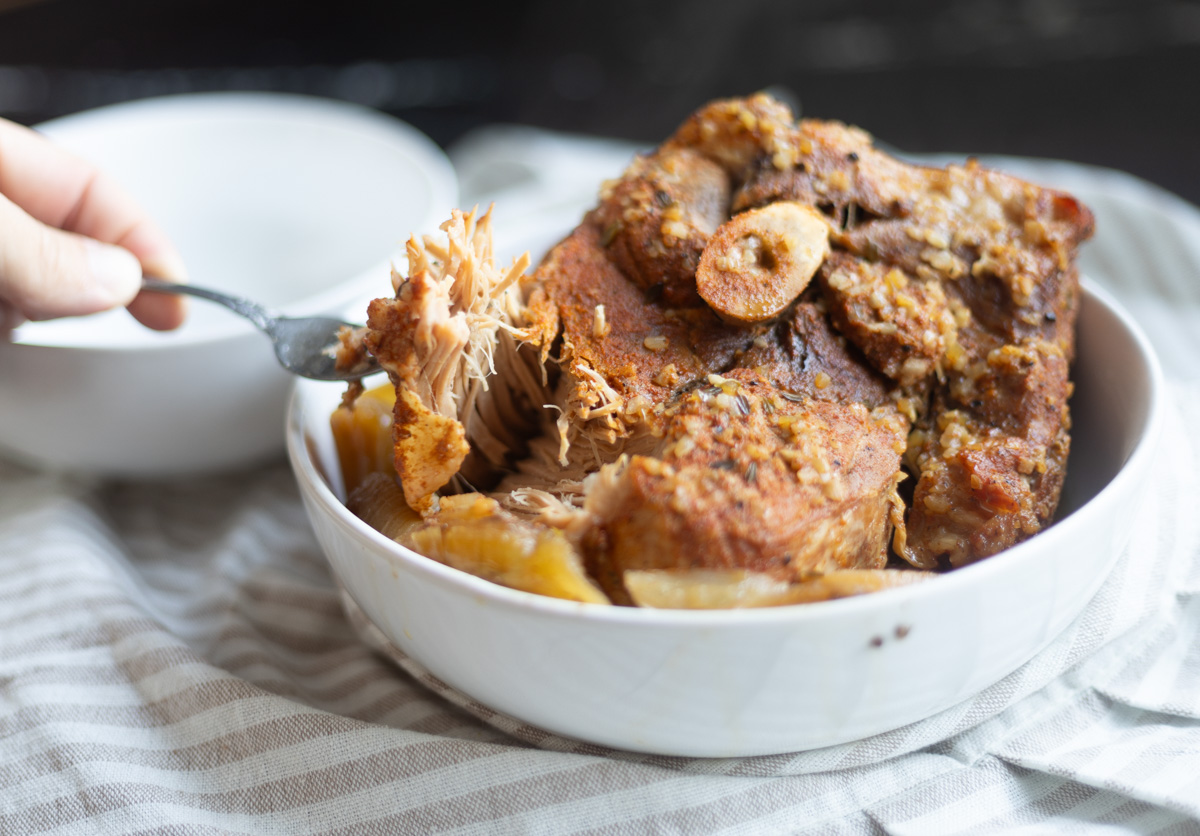
Resting allows the meat fibers to reabsorb juices. Cutting too soon causes juices to spill out. Let the roast rest covered with foil for 10 to 15 minutes. This keeps the meat warm and tender. Resting creates a moist and flavorful roast every time.
Carving Techniques
Use a sharp knife for clean slices. Cut against the grain to make the meat tender. Slice the roast into even pieces about half an inch thick. Arrange slices on a warm platter. Keep the knife steady and cut smoothly for neat presentation.
Pairing Suggestions
- Roasted vegetables like carrots and potatoes
- Mashed potatoes with gravy
- Steamed green beans or broccoli
- Simple side salad with vinaigrette
- Fresh crusty bread or dinner rolls
Choose sides that complement the pork’s rich flavor. Add a light sauce or gravy to enhance taste. Serve warm for the best meal experience.
Tips For Leftovers And Storage
Store leftover pork sirloin roast in airtight containers to keep it fresh. Cool leftovers quickly and refrigerate within two hours to prevent bacteria. Reheat gently to maintain moisture and flavor.
Cooking pork sirloin roast in a slow cooker creates juicy, tender meat. Yet, leftovers can be just as delightful when stored and reheated properly. With careful storage, you can enjoy your pork roast for days. Explore these helpful tips for storing and reusing your pork sirloin roast leftovers.
Proper Cooling And Refrigeration
Allow the pork to cool before storing. This prevents bacteria growth. Use shallow containers for faster cooling. Seal them well to keep the meat fresh. Store in the fridge for up to four days. For longer storage, consider freezing. Wrap tightly in plastic wrap or aluminum foil. Place in a freezer bag to prevent freezer burn. Label with the date for easy tracking.
Reheating Methods
Reheat in the oven for even warming. Set the oven to 325°F. Cover the pork with foil to keep it moist. Heat for about 20 minutes or until warm. You can also use a microwave. Place pork in a microwave-safe dish. Cover it to retain moisture. Heat on medium power in short intervals. Stir occasionally to ensure even heating.
Creative Leftover Recipes
Leftover pork can transform into new meals. Make pork tacos with tortillas and fresh salsa. Add shredded pork to your favorite salad. Create a hearty stew with vegetables and broth. Use sliced pork in sandwiches with your favorite toppings. Stir fry with veggies for a quick meal. These ideas keep your meals exciting and flavorful.
Credit: hopewellheightsblog.com
Frequently Asked Questions
How Long To Cook Pork Sirloin Roast In Slow Cooker?
Cook pork sirloin roast on low for 6 to 8 hours. On high, cook for 3 to 4 hours. Use a meat thermometer to check for 145°F internal temperature for safe consumption.
What Seasonings Work Best For Slow Cooker Pork Roast?
Use garlic, rosemary, thyme, salt, and pepper. These seasonings enhance pork’s natural flavor. Add onions and broth for extra moisture and taste.
Can I Cook Frozen Pork Sirloin Roast In Slow Cooker?
It’s not recommended to cook frozen pork in a slow cooker. Thaw the roast first to ensure even cooking and food safety. Cooking frozen meat may cause uneven temperature and bacteria growth.
Should I Sear Pork Sirloin Before Slow Cooking?
Searing pork sirloin before slow cooking adds flavor and improves texture. Brown the roast in a hot pan for 2-3 minutes per side. This step is optional but enhances the final dish.
Conclusion
Cooking pork sirloin roast in a slow cooker is simple and tasty. Just prepare the meat, add your favorite seasonings, and let it cook slowly. This method keeps the pork juicy and full of flavor. It saves time and effort, perfect for busy days.
Serve with vegetables or rice for a complete meal. Enjoy a hearty dish that feels homemade and warm. Try this easy recipe for a satisfying dinner everyone will like. Slow cooking makes pork tender and delicious every time.