If you want to master the art of cooking pork ribs on a charcoal grill, you’re in the right place. Imagine biting into tender, smoky ribs with a perfect char that melts in your mouth.
It’s easier than you think, and you don’t need to be a grill expert to get there. In this guide, you’ll discover simple steps and insider tips to turn your ribs into a crowd-pleasing masterpiece. Ready to impress your friends and family with mouthwatering grilled pork ribs?
Let’s get started!

Credit: www.thepioneerwoman.com
Choosing The Right Pork Ribs
Choosing the right pork ribs is the foundation of great grilled ribs. The type and quality of ribs you pick can change the flavor, texture, and cooking time significantly. Knowing what to look for helps you avoid common mistakes and ensures your charcoal grilling session turns out perfect.
Baby Back Vs Spare Ribs
Baby back ribs come from the upper part of the ribcage, near the spine. They are smaller, leaner, and cook faster than spare ribs. If you prefer tender meat with a mild flavor, baby backs are a solid choice.
Spare ribs come from the lower part of the ribcage and have more fat and connective tissue. This makes them richer in flavor but also means they need longer, slower cooking to become tender. If you enjoy a meatier bite with a stronger pork flavor, spare ribs might be your go-to.
Think about your grilling time and taste preference. Do you want quick, tender ribs or a hearty, flavorful experience?
Fresh Vs Frozen Ribs
Fresh ribs usually have a better texture and taste because they haven’t been through freezing and thawing. They retain more moisture, which helps when grilling over charcoal. If you can find fresh ribs at your local butcher or market, grab them.
Frozen ribs can still be good if handled properly. Thaw them slowly in the fridge for 24 hours to avoid drying out the meat. Avoid microwaving or thawing at room temperature as it affects texture and safety.
Consider your timeline: Can you plan ahead to get fresh ribs, or do frozen ribs fit your schedule better? Quality often depends on how you handle the meat before it hits the grill.
Credit: barbecuebible.com
Preparing The Ribs
Preparing pork ribs properly is key to delicious results on a charcoal grill. Clean and ready ribs cook evenly and soak up flavors better. Each step in preparing ribs helps improve texture and taste. Follow these simple steps to get your ribs ready for the grill.
Trimming Excess Fat
Start by trimming off large fat deposits from the ribs. Excess fat can cause flare-ups on the grill and make the ribs greasy. Use a sharp knife to carefully remove thick fat layers. Leave a thin fat layer for flavor and moisture. Trim evenly to help ribs cook uniformly.
Removing The Membrane
The membrane is a thin silver skin on the back of the ribs. It can become tough and chewy when cooked. Slide a knife under the membrane to loosen it. Use a paper towel to grip and pull it off completely. Removing the membrane helps ribs become tender and absorb seasoning well.
Applying A Dry Rub
A dry rub adds flavor and forms a tasty crust on the ribs. Mix your favorite spices like paprika, salt, pepper, and brown sugar. Pat the ribs dry with paper towels before applying the rub. Coat all sides evenly with the spice mix. Let the ribs rest for at least 30 minutes to soak in the flavors.
Setting Up The Charcoal Grill
Setting up your charcoal grill correctly is crucial for cooking perfect pork ribs. It ensures even cooking and brings out that rich, smoky flavor you’re aiming for. Getting the basics right makes the whole process smoother and your ribs tastier.
Arranging Charcoal For Indirect Heat
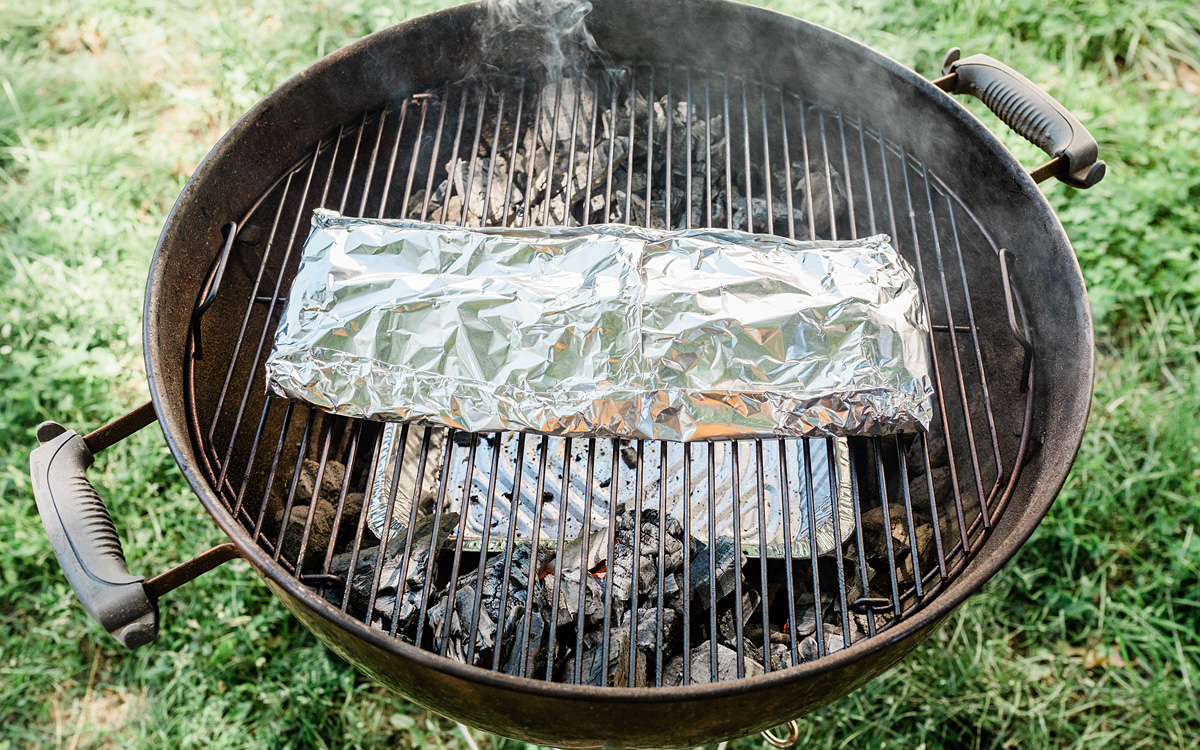
Indirect heat is key to cooking pork ribs low and slow without burning them. Arrange your charcoal on one side of the grill, leaving the other side empty. This creates a cooler zone where you can place the ribs away from direct flames.
Try piling the charcoal into a mound or spreading it evenly on one side. This setup allows you to control the cooking temperature better and prevents flare-ups. Have you noticed how direct heat can char ribs before they’re tender? This method solves that.
Managing Grill Temperature
Keeping your grill at the right temperature, around 225°F to 275°F (107°C to 135°C), is essential. Use the vents on your grill to control airflow—open them to increase heat, close slightly to lower it.
Keep a reliable grill thermometer handy. It helps you monitor the temperature without lifting the lid too often, which causes heat loss. Have you ever lost heat and had to restart the charcoal? Avoid that by adjusting vents patiently and keeping steady heat.
Adding Wood Chips For Smoke
Wood chips add that authentic smoky flavor that makes pork ribs irresistible. Soak the chips in water for about 30 minutes before adding them to the charcoal. This prevents them from burning up too quickly and produces more smoke.
Place the soaked chips directly on hot charcoal or use a smoker box if your grill has one. Experiment with different woods—hickory, apple, or cherry—to find your favorite flavor profile. What wood chips have you tried before that gave your ribs a unique taste?

Credit: www.youtube.com
Grilling Techniques For Tender Ribs
Cooking pork ribs on a charcoal grill requires slow, steady heat to keep them tender. Use indirect heat and turn ribs often to avoid burning. Wrapping ribs in foil helps lock in moisture for juicy results.
Grilling pork ribs on a charcoal grill can be an art. Achieving tender, flavorful ribs requires specific techniques. These methods ensure your ribs come out juicy and delicious. Let's dive into some effective grilling techniques for tender ribs.
Low And Slow Cooking Method
Cooking ribs slowly at a low temperature is key. This method helps break down tough fibers, making the meat tender. Aim for a steady temperature around 225°F. Keep the lid closed to maintain consistent heat. This patience pays off with melt-in-your-mouth ribs.
Using A Water Pan
Place a water pan inside your grill. This pan adds moisture to the cooking environment. It prevents the ribs from drying out. Fill the pan with water or apple juice for extra flavor. Position the pan directly under the ribs. This setup creates a moist heat, enhancing tenderness.
Wrapping Ribs For Moisture
Wrap ribs in foil halfway through cooking. This step locks in juices, ensuring moist ribs. Add a splash of apple juice or sauce before sealing. Return the wrapped ribs to the grill. Let them cook for another hour or so. This technique creates a steam effect, making ribs incredibly tender.
Applying Sauce And Finishing Touches
Applying sauce and adding the finishing touches to your pork ribs on a charcoal grill can transform good ribs into unforgettable ones. The timing and technique matter more than you might think. Knowing exactly when to slather on that barbecue sauce and how to get it perfectly caramelized can make all the difference in flavor and texture.
When To Add Barbecue Sauce
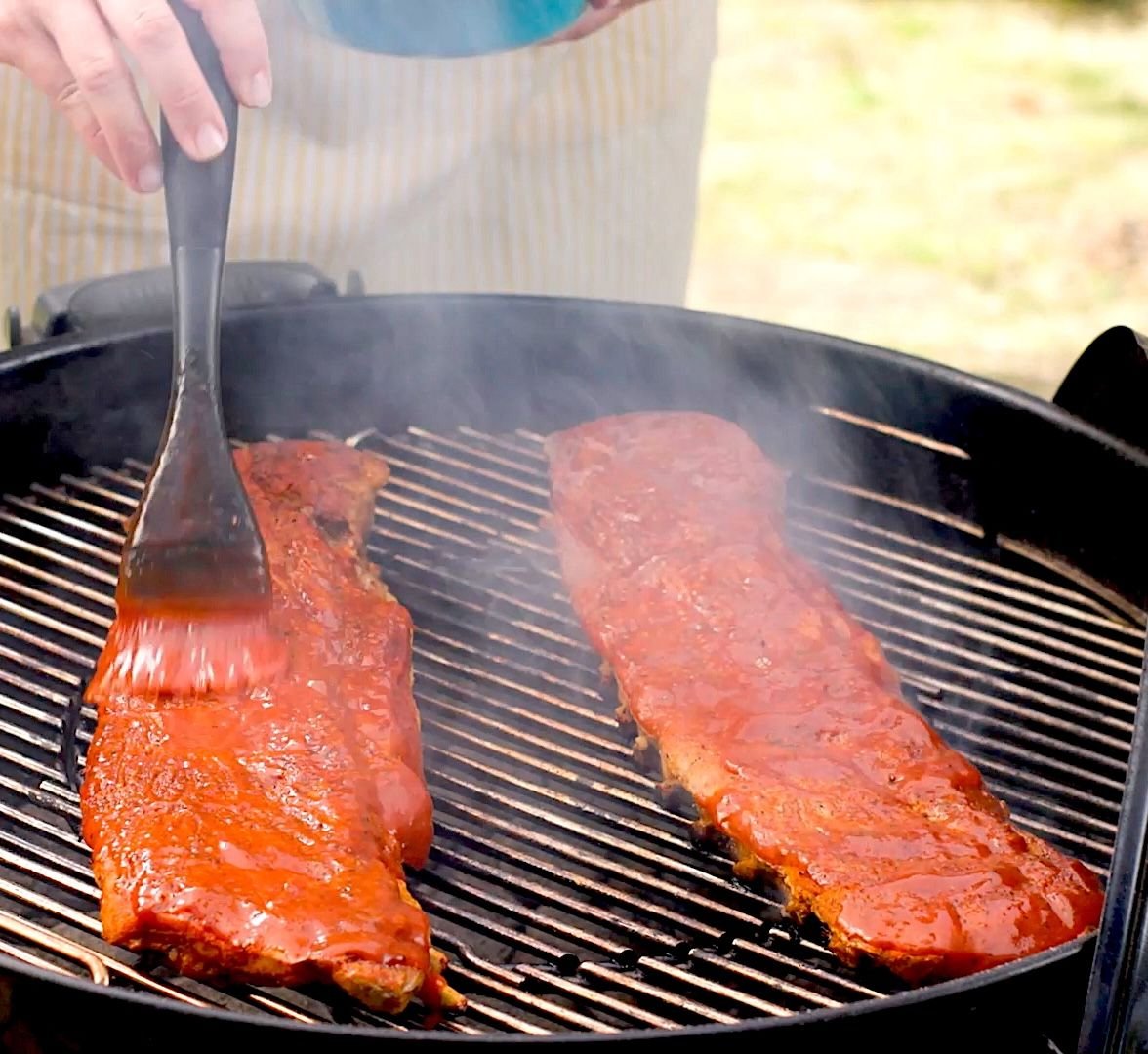
Adding barbecue sauce too early can cause it to burn and taste bitter. It's best to apply the sauce during the last 15 to 20 minutes of grilling. This allows the sauce to warm up and stick to the ribs without turning into a burnt mess.
Think about your grill's temperature—keep it moderate to low when saucing. This slow heat helps the sugars in the sauce caramelize nicely without charring. Have you noticed how ribs taste better when the sauce is just right? Timing is the secret.
Caramelizing The Sauce
Caramelizing the sauce gives ribs that signature sticky, glossy finish. To do this, brush on a thin layer of sauce, then close the grill lid and let the ribs cook for about 5 to 7 minutes. Repeat this process 2 or 3 times for layers of flavor.
Use indirect heat to prevent flare-ups from the sugars in the sauce. If flames appear, quickly move the ribs to a cooler side. Do you prefer your ribs with a bit of char or just a smooth glaze? Adjust your caramelizing time accordingly.
Resting The Ribs Before Serving
After grilling, let the ribs rest for 10 to 15 minutes before cutting. This step allows the juices to redistribute, keeping the meat moist and tender. Cutting too soon can cause those flavorful juices to spill out, leaving your ribs dry.
Cover the ribs loosely with foil during resting to keep them warm. This quiet pause might feel like a tease, but it’s essential for the best bite. How often do you skip resting and regret it later?
Common Mistakes To Avoid
Cooking pork ribs on a charcoal grill can be incredibly rewarding, but it’s easy to slip up if you don’t pay close attention. Some mistakes can ruin the texture, flavor, or overall experience. Knowing what to avoid helps you get tender, juicy ribs every time.
Overcooking Or Undercooking
Overcooked ribs become dry and tough, while undercooked ribs stay chewy and fatty. Finding the right balance is crucial. Use a meat thermometer or the bend test—gently pick up the ribs with tongs; if they bend and crack slightly, they’re done.
I once left ribs on the grill too long because I was distracted, and they turned rock hard. That taught me to stay attentive and check frequently, especially during the last 30 minutes of cooking.
Excessive Sauce Application
Slathering ribs with too much sauce too early can cause burning and bitterness. Apply sauce mostly in the final 15 minutes of grilling to let it caramelize without charring. This technique keeps flavors balanced and avoids that unpleasant burnt taste.
Think about how much sauce you really want—do you prefer a light glaze or a sticky coating? Adjust your application accordingly to avoid overpowering the natural pork flavor.
Neglecting Grill Temperature
Ignoring the grill’s temperature control leads to uneven cooking and flare-ups. Charcoal grills can be tricky; you need a steady, indirect heat around 225°F to 250°F for ribs. Use a grill thermometer and adjust the vents to maintain this range.
Have you checked your grill’s hot spots before? Moving ribs around during cooking can prevent burning in some areas and undercooking in others. Staying on top of your grill’s temperature is one of the best ways to improve your ribs.
Serving Suggestions
Serving pork ribs fresh off the charcoal grill is a treat. Choosing the right sides and drinks enhances the meal's flavor. Here are some ideas to complete your plate and delight your guests.
Side Dishes That Complement Pork Ribs
- Classic coleslaw adds a crunchy, tangy contrast.
- Grilled corn on the cob brings a smoky sweetness.
- Baked beans offer a rich, hearty flavor.
- Potato salad provides a creamy, cool balance.
- Garlic bread delivers a warm, buttery touch.
- Fresh garden salad lightens the meal with crisp greens.
Beverage Pairings
- Cold beer, especially lagers or ales, complements smoky ribs.
- Iced tea refreshes the palate between bites.
- Lemonade adds a sweet and tart flavor contrast.
- Red wine, like Zinfandel, matches the ribs’ bold taste.
- Soft drinks provide a fizzy, sweet balance.
Frequently Asked Questions
How Long To Cook Pork Ribs On A Charcoal Grill?
Cook pork ribs for 3 to 4 hours on low heat. Maintain a grill temperature of 225°F to 250°F. Use indirect heat to avoid burning. Check tenderness by piercing with a fork. Wrap in foil midway to keep ribs moist.
What Charcoal Type Is Best For Grilling Pork Ribs?
Use natural lump charcoal for a clean, hot burn. Avoid briquettes with additives or chemicals. Lump charcoal ignites quickly and produces less ash. It enhances the smoky flavor of pork ribs. Use hardwood charcoal for the best taste.
How To Keep Pork Ribs Juicy On A Charcoal Grill?
Keep ribs moist by using a water pan near the coals. Baste ribs with sauce or marinade every 30 minutes. Wrap ribs in foil during cooking to retain moisture. Avoid opening the grill frequently. Use indirect heat to prevent drying out.
Should I Marinate Pork Ribs Before Grilling?
Yes, marinate ribs for at least 2 hours or overnight. Use a mixture of oil, acid, and spices for flavor. Marinating tenderizes the meat and adds flavor depth. Pat ribs dry before grilling to ensure proper searing. Marinades enhance the overall taste experience.
Conclusion
Grilling pork ribs on charcoal brings rich, smoky flavor to your meal. Keep the heat steady and cook ribs slowly for tender results. Use your favorite rub or sauce to add taste. Remember to check ribs often to avoid burning.
Enjoy the process and share with friends or family. Cooking ribs outdoors makes any meal special. Try these steps next time you grill. Simple, tasty, and satisfying.