If you’ve ever wanted to enjoy a warm, hearty meal without spending hours in the kitchen, cooking Northern beans in a slow cooker is the answer. Imagine coming home to a pot of perfectly tender beans, rich with flavor and ready to eat.
You don’t need to be a chef or stand over the stove all day. In this guide, you’ll discover simple steps to make Northern beans that are delicious, healthy, and effortless. Keep reading, and you’ll learn how to turn basic ingredients into a comforting dish that fits your busy life perfectly.
Choosing Northern Beans
Choosing the right northern beans is key to a perfect slow cooker meal. These beans are creamy and mild, great for soups and stews. Picking the best type and quality affects taste and texture. Understanding your options helps you cook beans that are soft and flavorful.
Types Of Northern Beans
- Great Northern Beans: Medium-sized, white, and smooth. They hold their shape well.
- Cannellini Beans: A bit larger and creamier with a slightly nutty flavor.
- Navy Beans: Smaller, white, and soft when cooked, ideal for creamy dishes.
Benefits Of Using Dried Beans
Dried beans are cost-effective and last long on shelves. They absorb flavors better than canned beans. Cooking from dried beans lets you control salt and texture. Soaking reduces cooking time and improves digestion. Slow cooking dried beans brings out their natural creaminess.
Where To Buy Quality Beans
- Local grocery stores often have good dried beans.
- Health food stores offer organic and non-GMO options.
- Online shops provide a wide variety and bulk buying.
- Farmers markets can have fresh, high-quality beans.

Credit: nodashofgluten.com
Preparing Beans For Cooking
Preparing your northern beans properly before placing them in the slow cooker can make a huge difference in texture and cooking time. Taking a little extra time upfront ensures your beans cook evenly and taste their best. It also helps you avoid that unpleasant, sometimes gritty texture you might have encountered in the past.
Soaking Methods
Soaking beans softens their skins and reduces cooking time. You can soak your northern beans overnight in plenty of cold water—about three times the volume of beans. This slow soak helps break down some of the complex sugars that cause gas.
If you're short on time, try a quick soak: bring the beans and water to a boil for 2 minutes, then cover and let them sit for an hour. Both methods work well, but the quick soak may slightly affect the texture compared to an overnight soak.
Rinsing And Sorting
After soaking, rinse the beans thoroughly under cool running water. This step removes leftover dirt and some of the indigestible sugars that cause bloating.
Sorting is just as important—scan through the beans and remove any small stones, debris, or damaged beans. It’s a simple step that can save you from crunchy surprises in your slow-cooked meal.
Tips For Faster Cooking
Want to speed up the slow cooker process? Adding a pinch of baking soda to the soaking water can soften the beans faster by breaking down their tough skins. Be cautious not to add too much—about 1/4 teaspoon per cup of beans is enough.
Another trick is to use hot water for soaking instead of cold. It wakes up the beans’ starches and helps reduce cooking time. Have you noticed how a small change like soaking temperature impacts your cooking? It’s worth experimenting with!
Slow Cooker Setup
Setting up your slow cooker properly makes all the difference when cooking northern beans. It ensures even cooking, perfect texture, and deep flavors. Let’s look at how to get your slow cooker ready for a delicious bean dish.
Selecting The Right Slow Cooker
Choose a slow cooker that fits the amount of beans you plan to cook. A 4 to 6-quart model works well for most family meals. Avoid using a cooker that’s too large, as beans can dry out or cook unevenly.
Think about the shape too. Oval slow cookers are great for layering ingredients. Round ones work fine but might not spread ingredients as evenly. Your slow cooker’s material—ceramic or stoneware—helps hold heat steadily, which is key for beans.
Recommended Settings
Most slow cookers have low, high, and sometimes a keep-warm setting. Northern beans generally cook best on low heat for 6 to 8 hours. This slow, gentle cooking softens the beans perfectly without breaking them apart.
Using high heat can speed things up but risks beans turning mushy. If you’re pressed for time, high for 3 to 4 hours might work, but keep an eye on them. Avoid using the keep-warm setting for cooking, as it won’t soften the beans properly.
Layering Ingredients
How you place ingredients in the slow cooker impacts the cooking process. Start by adding beans at the bottom since they take the longest to cook. Cover them with water or broth to keep them submerged.
Next, add aromatics like onions, garlic, and herbs on top. Place any tougher vegetables or meats above, as they cook faster. This layering ensures everything cooks evenly without overcooking delicate ingredients.
Have you ever noticed that stirring too much during slow cooking can break beans? Resist the urge! Let the slow cooker do its job with minimal interference for the best results.
Cooking Process
Cooking northern beans in a slow cooker is simple and rewarding. The slow cooker helps beans cook evenly and become tender without much effort. Understanding the cooking process ensures you get the best texture and flavor. Focus on how to add liquids and seasonings, control cooking times and temperature, and check for doneness.
Adding Liquids And Seasonings
Start by rinsing the northern beans under cold water. Place them in the slow cooker. Add enough water or broth to cover the beans by about two inches. This prevents drying out during cooking. Use broth for richer flavor.
Seasonings are important but avoid adding salt too early. Salt can make the beans tough. Instead, add salt and acidic ingredients like tomatoes or vinegar near the end of cooking. Add herbs, garlic, onions, or bay leaves at the start for deeper taste.
Cooking Times And Temperature
Set the slow cooker to low or high heat. Cooking on low takes about 6 to 8 hours. High heat cooks beans in 3 to 4 hours. Slow and low is best for soft, creamy beans. Check your slow cooker manual for exact settings.
Keep the lid on while cooking. Lifting the lid releases heat and increases cooking time. Avoid stirring too much during cooking to keep beans intact.
How To Check For Doneness
Beans are done when they are soft but not mushy. Take a few beans and press them between your fingers. They should mash easily without feeling hard inside. Taste a few beans to check texture.
If beans are still firm, continue cooking and check every 30 minutes. Do not overcook, or beans will break apart. Properly cooked northern beans have a creamy texture and mild flavor.
Flavor Enhancements
Enhance the flavor of northern beans by adding garlic, onions, and herbs before slow cooking. A splash of broth or a pinch of salt deepens the taste. Simple seasonings make the beans rich and tasty without much effort.
Cooking northern beans in a slow cooker can be a delightful experience. Their mild flavor absorbs seasonings well, enhancing each bite. To elevate their taste, consider adding flavor enhancements. These additions can transform a simple dish into something extraordinary. Aromatics, herbs, meats, and vegetables all play a role. Adjusting seasonings after cooking also makes a difference. Let's explore these options to create a savory, satisfying dish.
Using Aromatics And Herbs
Aromatics like onions, garlic, and celery add depth. Chop them finely for even distribution. Fresh herbs such as thyme and rosemary infuse earthy flavors. Add them early for a rich aroma throughout cooking. Bay leaves provide a subtle yet distinct taste. Remove them before serving for the best experience.
Incorporating Meats And Vegetables
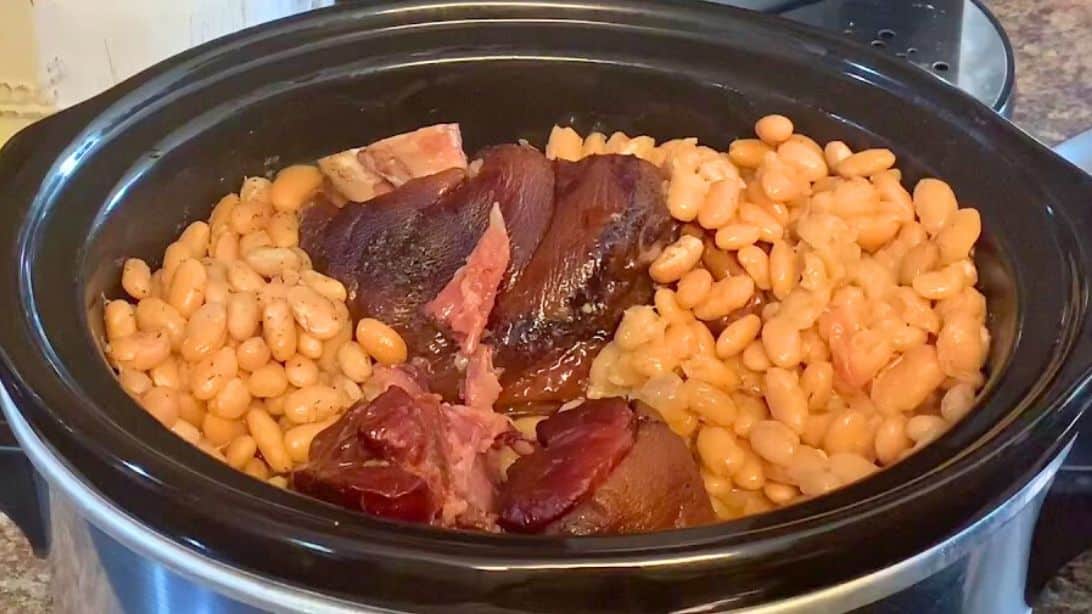
Meats enrich the beans with hearty flavors. Ham hocks or bacon give a smoky touch. Cook them first to release natural oils. Vegetables like carrots and bell peppers add sweetness. Dice them into small pieces for quick cooking. Together, meats and vegetables create a balanced profile.
Adjusting Seasonings After Cooking
Taste the beans once cooked. Their flavors deepen as they rest. Add salt and pepper gradually to avoid overpowering the dish. A splash of vinegar or lemon juice brightens flavors. Fresh herbs can be added at the end for a vibrant finish. Adjusting seasonings ensures a flavorful and satisfying meal.
Serving Suggestions
Serving Northern Beans cooked in a slow cooker opens up many delicious possibilities. These beans are not only hearty and filling but also versatile enough to complement a wide range of dishes. How you serve them can completely change your meal experience, making it worth experimenting with different sides and recipes.
Pairing With Side Dishes
Think about balancing the creamy texture of Northern Beans with something crunchy or fresh. A simple green salad with a tangy vinaigrette adds brightness and cuts through the richness of the beans. Roasted vegetables like carrots or Brussels sprouts bring a caramelized flavor that pairs well.
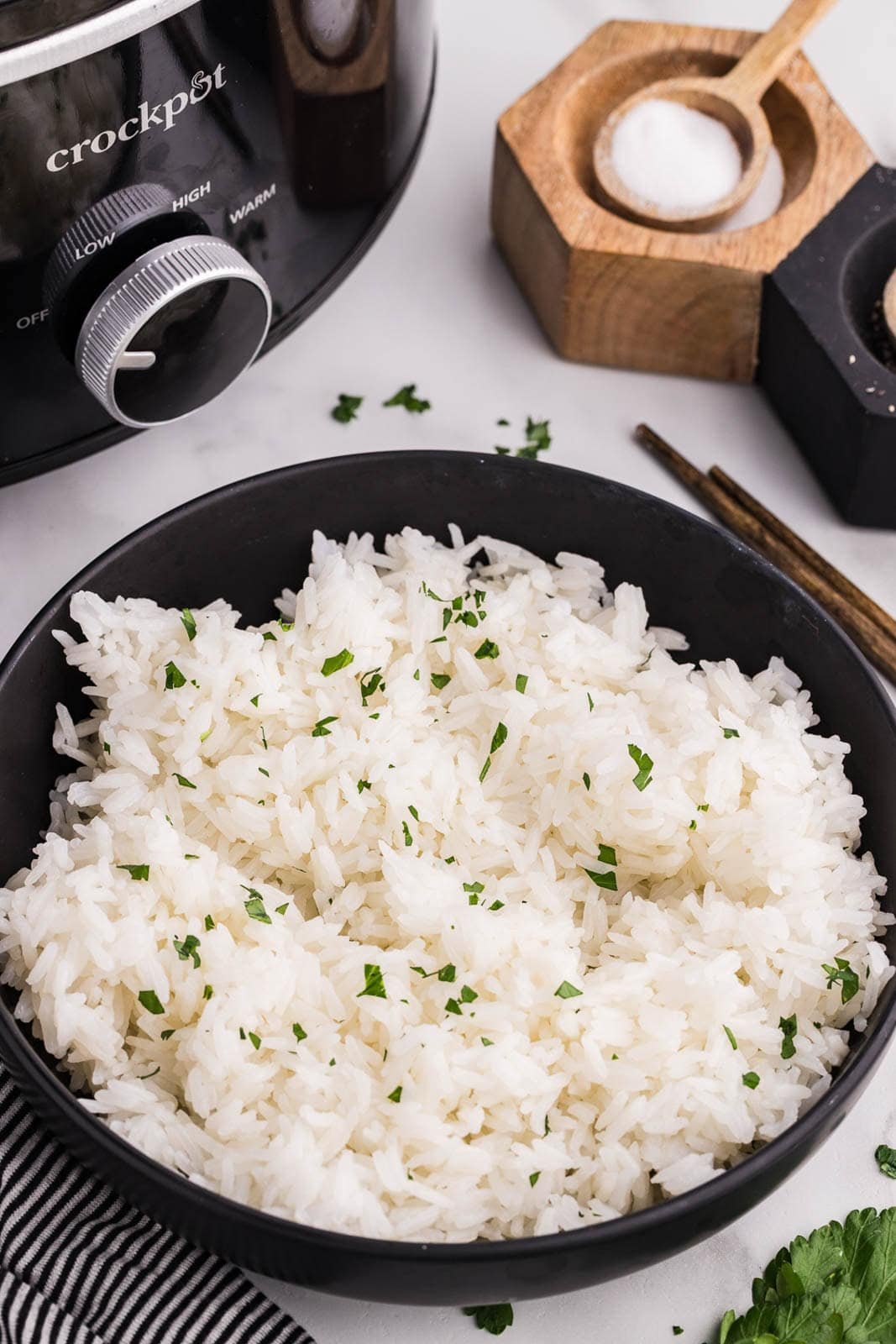
Adding cornbread or crusty bread gives you something to scoop up the beans and soak in their delicious juices. You could also serve them with steamed rice to keep the meal simple yet satisfying. Which side dishes do you find bring out the best in your slow-cooked beans?
Storage And Reheating Tips
Storing slow-cooked Northern Beans is easy and lets you enjoy leftovers without hassle. Place the beans in an airtight container and refrigerate for up to four days. If you want to keep them longer, freezing in portion-sized containers works well.
Reheat gently on the stove or in the microwave, adding a splash of water or broth to keep them moist. Avoid overheating, as this can make the beans dry and tough. Have you noticed how slow cooker beans often taste even better the next day?
Creative Recipe Ideas
Turn your slow cooker beans into a variety of dishes to keep your meals exciting. Use them as a base for a vegetarian chili by adding spices, tomatoes, and peppers. Mix beans into a hearty soup with greens and smoked sausage for extra flavor.
Try mashing the beans with garlic and herbs for a tasty bean dip or spread. You can also stuff them into tacos or burritos with fresh salsa and avocado. What new recipe will you try with your next batch of slow cooker Northern Beans?
Troubleshooting Tips
Cooking northern beans in a slow cooker can sometimes come with unexpected hiccups. From beans that stay hard to those that turn into mush, or even dealing with slow cooker messes, these issues can be frustrating. Knowing how to troubleshoot common problems helps you get the perfect texture and avoid kitchen chaos.
Fixing Undercooked Beans
If your beans are still hard after the cooking time, don’t give up. Add a bit more water or broth to the slow cooker, cover it again, and cook on low for another hour or two. Sometimes beans need extra time, especially if they’re older or soaked for a shorter period.
Check your slow cooker’s temperature settings. Some models cook slower than others. If you notice undercooked beans often, try increasing the cooking time or switching to a higher setting next time.
Preventing Beans From Being Mushy
Overcooked beans turn mushy and lose their shape, which can ruin your dish. To avoid this, keep an eye on the cooking time and avoid cooking beans on high heat for too long. Slow cookers vary, so test your beans around the minimum time suggested.
Another helpful tip is to soak your beans for the right amount of time before cooking—typically 6 to 8 hours. This softens them enough to cook evenly without breaking down. Have you ever tried quick-soaking beans? It can sometimes help control texture better than overnight soaking.
Handling Overflows And Spills
Slow cookers can bubble over when beans release starch or when the pot is too full. To prevent spills, never fill your slow cooker more than two-thirds full. Using a larger slow cooker or reducing the liquid can also help.
If you notice bubbling or spilling starting, carefully lift the lid to let some steam escape, but do this briefly to keep the heat in. Placing a baking sheet under the slow cooker catches any mess and saves your countertop.
Credit: diyjoy.com

Credit: www.themountainkitchen.com
Frequently Asked Questions
How Long Do Northern Beans Take In A Slow Cooker?
Northern beans typically take 6 to 8 hours on low heat in a slow cooker. Soaking beans overnight reduces cooking time. Always check for tenderness before serving.
Should I Soak Northern Beans Before Slow Cooking?
Yes, soaking Northern beans overnight improves texture and reduces cooking time. It also helps remove some indigestible sugars, making beans easier to digest.
Can I Add Seasoning Before Slow Cooking Northern Beans?
Yes, add herbs, spices, and aromatics before cooking for enhanced flavor. Avoid adding salt until beans are tender to prevent tough skins.
What Liquid Is Best For Cooking Northern Beans In Slow Cooker?
Water, broth, or stock work well. Use enough liquid to cover beans by 1-2 inches. Broth adds more flavor compared to plain water.
Conclusion
Cooking northern beans in a slow cooker saves time and effort. The beans come out soft and flavorful every time. You only need a few simple ingredients and patience. This method suits busy days or relaxed weekends. Try adding spices or vegetables for extra taste.
Enjoy a healthy, hearty meal without much fuss. Slow cooking makes beans tender and easy to digest. Keep experimenting with flavors to find your favorite mix. Simple steps lead to delicious results. Give it a try and enjoy the comfort of home-cooked beans.