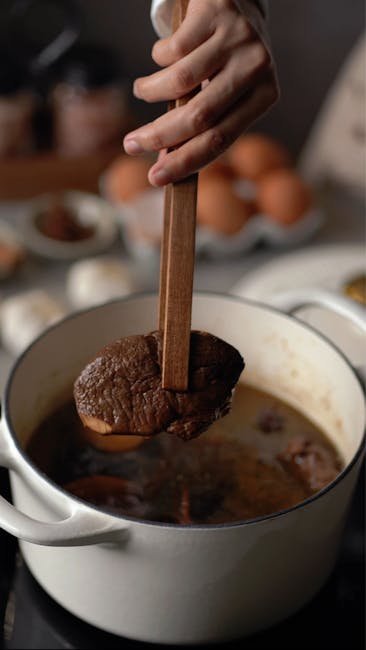
Are you looking for a simple way to cook a tender, juicy lamb leg without spending hours in the kitchen? Cooking lamb leg in a slow cooker might be the answer you’ve been waiting for.
Imagine coming home to the rich aroma of perfectly cooked meat that melts in your mouth. In this guide, you’ll discover easy steps and insider tips to make your slow cooker lamb leg a delicious success every time. Ready to impress your family and friends with minimal effort?
Let’s get started!
Choosing The Right Lamb Leg
Choosing the right lamb leg is the first step to a delicious slow-cooked meal. The cut you pick will affect cooking time, flavor, and texture. Understanding the differences in lamb leg options helps you match your recipe with the perfect piece of meat.
Bone-in Vs Boneless
Bone-in lamb legs often deliver more flavor because the bone adds richness during slow cooking. The meat also tends to stay juicier around the bone, giving you a tender result. On the other hand, boneless legs are easier to carve and fit better in most slow cookers.
If you want a hands-off cooking experience, boneless might be your best bet. But if you enjoy a deeper lamb taste and don’t mind a bit of extra effort carving, bone-in is the way to go. Which do you prefer: convenience or flavor depth?
Fresh Vs Frozen
Fresh lamb legs usually provide a better texture and flavor, especially when cooked slowly. However, frozen lamb can be just as good if thawed properly before cooking. Avoid refreezing after thawing to keep the meat tender and juicy.
If you buy frozen, plan ahead to thaw it slowly in the fridge for 24 to 48 hours. Quick thawing methods can affect the meat’s quality. Have you noticed a difference in taste between fresh and frozen lamb?
Size And Weight Tips
Slow cookers come in different sizes, so picking the right weight of lamb leg matters. A 3 to 5-pound leg usually fits well in a standard slow cooker and cooks evenly. Larger legs may need more cooking time or a bigger slow cooker.
Also, consider how many people you’re serving. A 4-pound leg typically feeds six to eight people. Do you usually cook for a crowd, or is it just a cozy dinner for two? Adjust your lamb leg size accordingly to avoid waste or extra leftovers.
Preparing The Lamb Leg
Preparing the lamb leg properly sets the foundation for a delicious slow-cooked meal. Taking time to trim, season, and add aromatics can transform a simple cut of meat into a tender, flavorful dish that melts in your mouth. Let’s look at how to get your lamb leg ready before it hits the slow cooker.
Trimming And Cleaning
Start by removing excess fat and any silver skin from the lamb leg. Too much fat can cause greasy cooking, while silver skin prevents seasonings from penetrating the meat. Use a sharp knife to carefully trim away these parts, but leave a thin layer of fat to keep the meat moist during slow cooking.
Rinse the lamb leg under cold water and pat it dry with paper towels. Drying is essential because it helps the seasoning stick better and promotes even cooking. Have you noticed how a dry surface improves browning? It’s the same principle here.
Seasoning And Marinating
Season the lamb generously with salt and pepper to enhance its natural flavors. Adding herbs like rosemary, thyme, or garlic powder gives the meat a fragrant boost. You can keep it simple or create a marinade with olive oil, lemon juice, and minced garlic for extra tenderness.
Marinate the lamb leg for at least a few hours or overnight if possible. This step allows the flavors to seep into the meat deeply, ensuring every bite is tasty. Don’t worry if you’re short on time; even a quick 30-minute rub can make a noticeable difference.
Adding Aromatics
Place aromatics such as onion slices, garlic cloves, and fresh herbs around and under the lamb leg before slow cooking. These ingredients infuse the meat with subtle but rich flavors as they cook together. Consider adding a splash of broth or red wine to create a flavorful cooking liquid.
Think about the aroma filling your kitchen while the lamb cooks slowly. Isn’t it rewarding to know you helped create such an inviting scent? Adding aromatics is a small step that elevates your dish from ordinary to memorable.
Setting Up The Slow Cooker
Setting up the slow cooker properly is key for tender, flavorful lamb leg. A well-prepared cooker ensures even cooking and rich taste. This section guides you through layering ingredients, selecting liquids, and adjusting settings for the best results.
Layering Ingredients
Start by placing root vegetables like carrots and potatoes at the bottom. These create a barrier and prevent the lamb from sticking. Next, add aromatics such as onions and garlic for extra flavor. Finally, place the lamb leg on top, allowing juices to drip down and keep vegetables moist.
Choosing Cooking Liquids
Use liquids that add moisture and enhance flavor. Good options include beef broth, red wine, or a mix of both. Avoid overfilling; liquids should cover the vegetables but not submerge the lamb. This balance helps slow cooking without losing texture.
Adjusting Settings
Set your slow cooker to low for 6 to 8 hours for tender meat. High setting can be used for faster cooking, around 3 to 4 hours. Use a meat thermometer to check for an internal temperature of 145°F (63°C) for medium-rare lamb.

Credit: greatcurryrecipes.net
Cooking Time And Temperature
Mastering the cooking time and temperature is key to preparing a tender and flavorful lamb leg in your slow cooker. Getting this balance right ensures the meat becomes juicy without drying out or turning tough. Let’s break down how heat levels and timing impact your dish.
Low Vs High Heat
Slow cookers typically offer two heat settings: low and high. Cooking on low heatallows the lamb leg to cook gently over several hours, breaking down connective tissues for a melt-in-your-mouth texture. On the other hand, high heatcooks the meat faster but risks drying it out if you’re not careful.
Think about how much time you have. If you’re preparing the meal ahead or leaving it unattended, low heat is safer and more forgiving. High heat suits those last-minute cooks but requires closer monitoring.
Estimated Cooking Durations
| Heat Setting | Approximate Cooking Time | Resulting Texture |
|---|---|---|
| Low Heat | 6 to 8 hours | Tender, juicy, and well-cooked |
| High Heat | 3 to 4 hours | Cooked through but can be less tender |
These times vary depending on the size of your lamb leg and your slow cooker model. A 3 to 4-pound leg generally fits these estimates, but it’s always good to check early to prevent overcooking.
Checking For Doneness
How do you know when your lamb leg is perfectly cooked? Use a meat thermometer to check the internal temperature. Aim for about 145°F (63°C) for medium-rare and 160°F (71°C) for medium.
If you don’t have a thermometer, test doneness by inserting a fork into the meat. It should slide in easily and the meat should pull apart without resistance. Remember, the slow cooker continues to cook the meat slightly even after you turn it off, so remove it just before it reaches your desired temperature.
Have you experimented with different cooking times or temperatures in your slow cooker? What results surprised you the most?
Enhancing Flavor During Cooking
Enhancing the flavor of lamb leg in a slow cooker takes more than just setting the timer. The slow cooking process lets flavors meld deeply, but you must give your lamb the right companions to shine. Thoughtful additions during cooking can turn a simple roast into a memorable meal that excites your taste buds.
Adding Herbs And Spices
Fresh herbs like rosemary, thyme, and oregano pair beautifully with lamb’s rich taste. You can tuck whole sprigs under the meat or chop them finely and rub onto the surface before cooking.
Don’t forget spices such as cumin, coriander, or smoked paprika. These bring warmth and complexity, especially when used in combination. Have you tried adding a pinch of cinnamon or allspice for a subtle twist?
Incorporating Vegetables
Vegetables don’t just add texture; they release juices that enhance the overall flavor profile. Root vegetables like carrots, onions, and potatoes create a natural sweetness that balances lamb’s savoriness.
Place them around and beneath the lamb to soak up the drippings. You might also experiment with garlic cloves and leeks to add aromatic depth without overpowering the dish.
Using Broth Or Wine
Adding liquid helps keep the lamb moist and infuses it with extra taste. Beef or vegetable broth adds a savory base that complements the meat’s natural flavor.
For a richer profile, pour in a splash of red wine. It tenderizes the meat while contributing subtle fruity and tannic notes. Do you prefer using broth or wine? Try both to discover which suits your palate best.
Finishing Touches
After your lamb leg has slowly cooked to tender perfection, the finishing touches make all the difference in turning a good meal into a memorable one. These final steps ensure the meat is juicy, flavorful, and ready to impress your guests or family. Let's dive into how you can rest the meat, create a delicious sauce, and present your dish with style.
Resting The Meat
Once you remove the lamb leg from the slow cooker, let it rest for at least 15 minutes. Resting allows the juices to redistribute, keeping the meat moist and tender when sliced. If you cut into it too soon, those flavorful juices will escape, leaving the meat dry.
Cover the lamb loosely with aluminum foil to keep it warm while it rests. This simple step can change the texture of your roast dramatically, making your effort in slow cooking truly shine.
Making A Gravy Or Sauce
The slow cooker juices are a goldmine for creating a rich gravy. Start by straining the liquid to remove any solids. Then, skim off excess fat to avoid a greasy sauce.
To thicken the gravy, mix a tablespoon of cornstarch or flour with cold water to make a slurry. Stir this into the simmering juices on the stove until it reaches your preferred thickness. Season with salt, pepper, and a splash of red wine or balsamic vinegar to deepen the flavor.
Serving Suggestions
Think about pairing your lamb with sides that complement its rich taste. Roasted vegetables like carrots, parsnips, and potatoes work beautifully. Fresh herbs such as rosemary or mint add a bright contrast to the hearty meat.
You could also serve the lamb with creamy mashed potatoes or a simple couscous salad for texture variety. How do you prefer your lamb—classic or with a twist? Experimenting with different side dishes can make each meal feel new and exciting.
Common Mistakes To Avoid
Avoid using too much liquid; it can make the lamb soggy. Trim excess fat to prevent greasiness.
Cooking a lamb leg in a slow cooker can transform this cut of meat into a tender, flavorful delight. However, there are common mistakes that can easily derail your culinary efforts. By avoiding these pitfalls, you can ensure your dish is perfectly cooked and bursting with flavor.
Overcooking
Slow cookers are great at making meat tender, but overcooking can lead to a mushy texture. It's a misconception that you can leave the slow cooker on all day without checking. Always set a timer and check the meat's tenderness a couple of hours before the end. Consider the size of your lamb leg. A smaller cut will cook faster and might only need about 6-8 hours on low. Keep an eye on it, and use a meat thermometer to check for doneness.
Under-seasoning
Lamb has a robust flavor that can stand up to strong seasonings, but under-seasoning can leave it tasting bland. Don't be shy with your spices and herbs. Think about the flavor profile you want. A simple mix of garlic, rosemary, and lemon can work wonders. But remember, the slow cooking process can mellow flavors, so be generous with your seasoning.
Ignoring Liquid Levels
The liquid is crucial in a slow cooker as it prevents the meat from drying out. However, too much liquid can dilute flavors, while too little can cause the meat to stick and burn. Check the liquid levels at the halfway point. You want just enough to cover the bottom of the cooker, ensuring the lamb stays moist without swimming in broth. Are you watching your lamb leg swim in too much liquid? Reduce it by removing some with a ladle. Adjust as needed, but always maintain some liquid for the best results. By being mindful of these common mistakes, you'll create a delicious, slow-cooked lamb leg that will impress at any dinner table. Have you encountered any of these issues before? Share your tips in the comments!

Credit: greatcurryrecipes.net
Tips For Leftovers
Leftovers from a slow-cooked lamb leg can be a real treat if handled right. Knowing how to store, reheat, and reinvent them will keep your meals exciting and reduce waste. Let’s dive into some practical tips that make your leftover lamb just as delicious as the first time.
Storage Guidelines
After cooking, let the lamb cool to room temperature before storing to avoid condensation, which can affect texture and flavor. Wrap it tightly in foil or place it in an airtight container to keep it fresh.
Store leftovers in the fridge for up to 3-4 days. If you want to keep it longer, freezing is your best option. Label your containers with the date so you don’t lose track.
Reheating Methods
To keep the lamb juicy, reheat it slowly. Using a low oven (around 300°F or 150°C) wrapped in foil works wonders. Microwave reheating is quick but can dry the meat, so add a splash of broth or water to keep moisture.
Another great way is reheating in a skillet with a bit of olive oil or butter over medium heat, stirring often. This method adds a nice sear and keeps the texture appealing.
Creative Recipes
Don’t let your leftover lamb gather dust. Chop or shred it to make hearty sandwiches with fresh herbs and a tangy yogurt sauce. Or toss it into a salad with roasted veggies for a quick lunch.
Try mixing your lamb into pasta or rice dishes with spices like cumin and coriander to give it a new life. Have you ever turned leftover lamb into a spicy stew? It’s a game changer and makes your meal feel brand new.

Credit: crave-worthy.com
Frequently Asked Questions
How Long To Cook Lamb Leg In A Slow Cooker?
Cook lamb leg on low for 6-8 hours or high for 4-5 hours. Slow cooking ensures tender, juicy meat that easily falls off the bone.
What Seasoning Works Best For Slow-cooked Lamb Leg?
Use garlic, rosemary, thyme, salt, and pepper. These herbs enhance lamb’s natural flavor and create a delicious aromatic dish.
Can I Cook Frozen Lamb Leg In A Slow Cooker?
It’s best to thaw lamb leg before slow cooking. Cooking frozen meat may cause uneven cooking and food safety risks.
Should I Brown Lamb Leg Before Slow Cooking?
Yes, browning lamb leg adds extra flavor and seals in juices. Sear the meat on all sides before placing it in the slow cooker.
Conclusion
Cooking lamb leg in a slow cooker is simple and rewarding. You get tender, juicy meat with little effort. Just prepare the lamb, add your favorite herbs and spices, and let the cooker do the work. The slow cooking process brings out deep flavors and makes the meat soft.
This method saves time and reduces stress in the kitchen. Try it for a cozy family dinner or a special occasion. Enjoy a delicious, home-cooked meal without fuss or rush.