If you’ve ever wondered how to get the most out of your cast iron Dutch oven, you’re in the right place. This kitchen tool is a game changer, but only if you know how to use it right.
Imagine cooking meals that are juicy, flavorful, and perfectly tender every single time. Whether you’re a beginner or have tried a few recipes before, this guide will help you unlock the full potential of your Dutch oven. By the end, you’ll feel confident to create dishes that impress your family and friends.
Ready to transform your cooking? Let’s dive in.

Credit: food52.com
Choosing The Right Dutch Oven
Choosing the right Dutch oven is key for great cooking results. It affects how food cooks and how easy it is to use. Consider the material, size, and finish to fit your cooking needs. Proper care keeps your Dutch oven lasting for years.
Material And Size Options
Cast iron is the classic choice for Dutch ovens. It holds heat evenly and works well on all heat sources. Some Dutch ovens are pure cast iron, while others have a smooth enamel coating.
Sizes vary from small 2-quart pots to large 7-quart or more. Small sizes suit side dishes or sauces. Large sizes handle stews, roasts, or big family meals. Choose a size that matches your usual cooking volume.
Seasoned Vs. Enameled
Seasoned Dutch ovens have a natural cast iron surface. They develop a non-stick layer with use. This type needs regular oiling and careful cleaning. It can handle high heat and is great for searing.
Enameled Dutch ovens have a smooth, colored coating. They do not require seasoning and clean easily. Enameled pots do not react with acidic foods like tomato sauce. They may chip if dropped but are low maintenance.
Care And Maintenance Basics
Seasoned Dutch ovens need gentle cleaning with warm water and a brush. Avoid soap to keep the seasoning. Dry them well and apply a thin oil layer to prevent rust.
Enameled Dutch ovens clean with soap and water. Avoid metal scrubbers to protect the coating. Dry thoroughly to avoid water spots. Store with the lid off to prevent moisture buildup.

Credit: food52.com
Preparing Your Dutch Oven
Preparing your cast iron Dutch oven properly ensures it cooks well and lasts long. This process includes seasoning, cleaning, and preheating. Each step makes your Dutch oven ready for delicious meals.
Initial Seasoning Tips
Seasoning builds a natural, non-stick surface on your Dutch oven. Start by washing it with warm water and mild soap. Dry it completely with a towel. Apply a thin layer of vegetable oil inside and outside. Place it upside down in an oven at 375°F (190°C). Bake for one hour. Let it cool inside the oven. Repeat this process a few times for better seasoning.
Cleaning Before Use
Clean your Dutch oven carefully before cooking. Use warm water and a soft brush or sponge. Avoid soap unless necessary to keep seasoning intact. Never use steel wool or harsh scrubbers. Dry it thoroughly after washing. Apply a light coat of oil to prevent rust.
Preheating Techniques
Preheat your Dutch oven slowly to avoid cracking. Place it on low heat first. Increase the temperature gradually over a few minutes. This helps the heat spread evenly. Avoid heating an empty Dutch oven for a long time. Add oil or food once it is warm. This protects the seasoning and improves cooking.
Cooking Techniques For Flavor
Cooking in a cast iron Dutch oven brings out deep, rich flavors. The thick walls and heavy lid help keep heat steady. This makes it perfect for many cooking styles that build taste.
Different techniques work well to create layers of flavor. Each method uses the Dutch oven’s strengths to enhance your dish.
Searing And Browning
Searing locks in juices and adds color. Heat the Dutch oven until very hot. Add oil and place meat or vegetables inside. Let them sit without moving to form a brown crust.
This crust adds a rich taste and texture. It also creates fond, the brown bits stuck to the pot. Fond is full of flavor and perfect for sauces.
Slow Cooking And Braising
Slow cooking uses low heat for a long time. Braising means cooking food partly in liquid. Both methods break down tough fibers in meat or vegetables.
The Dutch oven’s tight lid keeps moisture inside. This makes the food tender and juicy. Flavors blend deeply during slow cooking and braising.
Baking And Roasting
The Dutch oven can act like an oven inside your kitchen. Use it to bake bread or roast meats. The heavy lid traps steam and heat evenly.
Roasting in a Dutch oven creates a crispy outside and soft inside. Baking bread here gives a crusty, chewy texture. Both use steady heat to develop flavor fully.
Recipes To Try
Cooking with a cast iron Dutch oven brings rich flavors and even heat to your meals. Simple recipes like stews, roasts, and breads work great in this versatile pot. Enjoy hearty dishes that are easy to prepare and full of taste.
Cooking with a cast iron Dutch oven opens a world of flavors. This versatile tool is perfect for crafting delicious, comforting dishes. From hearty stews to fresh bread, the possibilities are endless. Below, explore some delightful recipes to try.
Hearty Stews And Soups
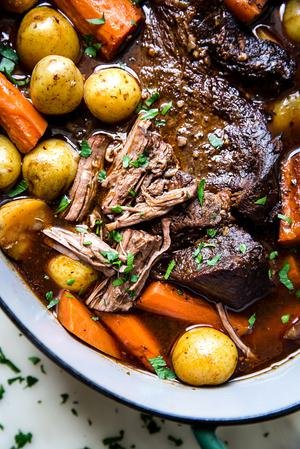
A Dutch oven is ideal for simmering stews. Its thick walls retain heat and distribute it evenly. Try a beef stew with tender chunks of meat. Add carrots, potatoes, and herbs for flavor. Or make a chicken soup with fresh vegetables. Let it simmer slowly for rich taste.
Freshly Baked Bread
Baking bread in a Dutch oven creates a perfect crust. The trapped steam makes the inside soft and chewy. Mix flour, water, salt, and yeast for a simple dough. Let it rise, then bake with the lid on. Remove the lid for the last minutes for a golden crust.
One-pot Meals
Create satisfying one-pot meals with ease. Cook a hearty chili with beans, spices, and tomatoes. Or prepare a creamy risotto with mushrooms and cheese. The Dutch oven keeps everything warm and blends the flavors beautifully. Cleanup is a breeze with fewer dishes.
Flavor Enhancements
Cooking in a cast iron Dutch oven brings out rich, deep flavors. Enhancing these flavors makes meals more satisfying. Small techniques can boost taste and aroma. Use herbs, spices, careful layering, and deglazing for best results. These steps work together to create complex, delicious dishes.
Using Herbs And Spices
Fresh herbs add bright, natural notes to dishes. Dried herbs give a concentrated, earthy flavor. Spices bring warmth and depth. Add whole spices early for slow cooking. Ground spices work well near the end. Experiment with combinations like thyme, rosemary, garlic, and paprika. Remember to use herbs and spices according to the recipe’s cooking time.
Layering Ingredients
Layering means adding ingredients in a specific order. Start with aromatics like onions and garlic. Next, add proteins and tougher vegetables. Finish with delicate items like tomatoes or greens. This process helps each ingredient release its flavor fully. Layering also prevents overcooking delicate foods. It builds a rich, balanced taste throughout the dish.
Deglazing For Depth
Deglazing removes browned bits stuck to the Dutch oven’s surface. These bits hold intense flavor. Use liquid like broth, wine, or water to scrape the bottom. This creates a flavorful base for sauces or stews. Deglazing adds complexity and richness to the dish. It helps capture every bit of flavor from cooking.

Credit: gratefulgrits.com
Cleaning And Storing Tips
Cleaning and storing your cast iron Dutch oven properly keeps it in great shape. Good care helps maintain its non-stick surface and prevents rust. It also extends the life of your cookware. Follow simple steps to clean and store your Dutch oven after every use.
Post-cooking Cleaning
Let the Dutch oven cool before cleaning. Avoid soaking it in water for long. Use warm water and a soft brush or sponge to remove food. For stuck-on bits, scrub gently with coarse salt and a little water. Never use soap or harsh detergents, as they can strip the seasoning. Dry the pot thoroughly with a towel to stop rust.
Re-seasoning When Needed
Re-season your Dutch oven if food starts to stick or the surface looks dull. Apply a thin layer of cooking oil inside and out. Heat it in the oven at 350°F (175°C) for one hour. Let it cool completely before storing. This process restores the protective, non-stick coating.
Proper Storage Methods
Store your Dutch oven in a dry place with the lid off or slightly ajar. This allows air circulation and stops moisture build-up. Place a paper towel or cloth inside to absorb any dampness. Avoid stacking heavy items on top to prevent damage. Proper storage keeps your Dutch oven ready for the next meal.
Frequently Asked Questions
How Do You Properly Season A Cast Iron Dutch Oven?
Season by coating it with vegetable oil, then bake upside down at 375°F for an hour. Cool and repeat if needed. This creates a non-stick surface and prevents rust.
Can You Cook Acidic Foods In A Cast Iron Dutch Oven?
Yes, but avoid long cooking times with acidic foods. Acid can break down the seasoning and cause a metallic taste.
What Heat Level Is Best For Cooking In A Dutch Oven?
Use medium to low heat. Cast iron retains heat well, so avoid high heat to prevent burning and uneven cooking.
How Do You Clean A Cast Iron Dutch Oven Safely?
Clean with warm water and a brush. Avoid soap or soaking. Dry thoroughly and apply a light oil coat to protect seasoning.
Conclusion
Cooking with a cast iron Dutch oven brings joy to the kitchen. This tool holds heat well and cooks food evenly. You can make stews, roasts, bread, and more. Always clean and dry it carefully to keep it working long.
With practice, you will feel confident using your Dutch oven. It adds rich flavor to meals and makes cooking fun. Try different recipes and enjoy the process. Your cast iron Dutch oven will become a favorite cooking tool. Simple steps lead to great dishes every time.