If you want to enjoy tender, flavorful Great Northern beans without spending hours in the kitchen, this guide is for you. Cooking these beans in a slow cooker is easy, hands-off, and brings out their natural taste perfectly.
Whether you're new to slow cooking or looking for tips to improve your bean dishes, you’ll find simple steps that make a big difference. Keep reading to discover how you can turn basic beans into a delicious meal that your whole family will love.
Choosing The Right Beans
Choosing the right beans is key to cooking delicious Great Northern beans in a slow cooker. The type and quality of beans affect the texture and flavor of your dish. Picking the right beans helps you cook evenly and get the best taste from your recipe.
Types Of Great Northern Beans
Great Northern beans are medium-sized white beans. They have a mild, nutty flavor and a firm texture. These beans hold their shape well during slow cooking. They work great in soups, stews, and casseroles.
There are slight variations in size and shape. Some beans are rounder, others more oval. The differences do not affect cooking much but may change the look of your dish.
Buying Dried Vs. Canned Beans
Dried beans need soaking before cooking. This reduces cooking time and makes them easier to digest. They take longer to prepare but give better control over texture and flavor.
Canned beans are ready to use and save time. They are soft and fully cooked. Rinse them well to remove excess salt and preservatives. Canned beans may be softer and less firm than dried beans.
For slow cooking, dried beans are often preferred. They absorb flavors better and cook slowly to perfection. Canned beans suit quick recipes or when you want convenience.
Preparing Beans For Cooking
Preparing Great Northern beans properly before cooking is key to achieving the perfect texture and flavor in your slow cooker. This step ensures the beans cook evenly and reduces cooking time. It also helps remove any dirt, debris, or impurities that might be hiding in the beans.
Rinsing And Sorting Beans
Start by spreading your beans out on a clean surface or plate. Look closely and pick out any small stones, broken beans, or discolored ones. This simple action prevents unpleasant surprises in your dish.
Next, place the beans in a colander and rinse them thoroughly under cold running water. Moving the beans with your hands helps remove dust and dirt effectively. This step might seem minor, but it makes a noticeable difference in the final taste and cleanliness of your beans.
Soaking Methods
Soaking beans softens them and reduces cooking time, which is especially helpful for slow cooker recipes. You can choose between two common soaking methods based on your time and schedule.
- Overnight soak:Cover the rinsed beans with water in a large bowl. Use about three cups of water for every cup of beans. Leave them to soak for 8 to 12 hours or overnight, then drain and rinse before cooking.
- Quick soak:Place the beans in a pot and cover with water. Bring it to a boil and let it boil for 2 minutes. Remove from heat and let the beans soak for 1 hour. Drain and rinse before adding them to your slow cooker.
Have you ever skipped soaking and ended up with hard beans after hours of cooking? Taking a few minutes to soak can save you from that frustration. Plus, it can make the beans easier to digest.
Setting Up Your Slow Cooker
Setting up your slow cooker properly is the key to cooking Great Northern beans that are tender, flavorful, and perfectly cooked. It all begins with choosing the right slow cooker and having the essential tools at hand. These choices can save you time and avoid common cooking frustrations.
Slow Cooker Size And Features
Pick a slow cooker size that matches the amount of beans you want to cook. A 4 to 6-quart slow cooker is usually perfect for a family-sized batch. If you often cook larger meals or batch cook, consider an 8-quart model to avoid overcrowding the beans.
Look for features like adjustable temperature settings and a timer. A programmable timer helps prevent overcooking, especially if you’re out during the day. Some models also have a “keep warm” function, which keeps your beans ready to eat without drying out.
Ask yourself: do you want a simple dial or a digital control panel? Digital controls offer precision, but dials can be more straightforward to use. Your choice should fit your cooking style.
Essential Tools And Accessories
Besides the slow cooker, gather a few tools to make your bean-cooking process smoother. A good-quality slotted spoon helps you stir without breaking the beans. Measuring cups and spoons ensure you add the right amount of beans, water, and seasoning.
A fine-mesh strainer is handy for rinsing beans before cooking. Rinsing removes dust and reduces some of the compounds that cause digestive discomfort. You might also want a ladle for serving your beans directly from the slow cooker.
Do you have a heat-resistant silicone spatula? It’s great for scraping the sides without scratching the slow cooker pot. These small tools make a big difference in your cooking experience.
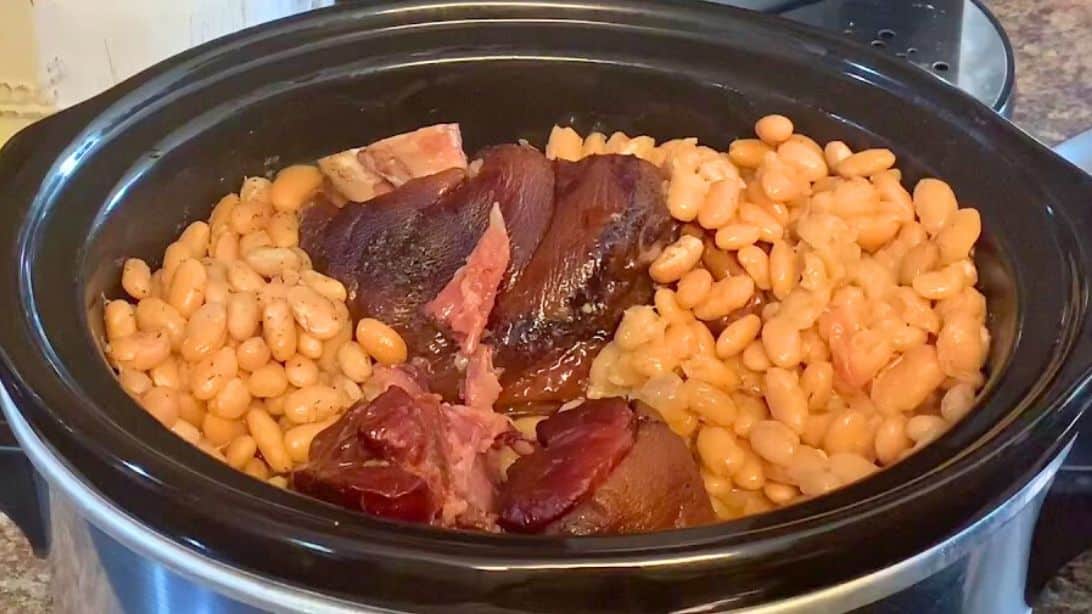
Credit: diyjoy.com
Basic Slow Cooker Bean Recipe
Cooking Great Northern Beans in a slow cooker is a culinary art that marries convenience with deliciousness. It's a method that lets you set it and forget it, while still delivering a hearty, flavorful dish. If you're looking to create a simple yet satisfying meal, this basic slow cooker bean recipe is your go-to guide.
Ingredients List
- 1 pound of dried Great Northern beans
- 6 cups of water
- 1 onion, chopped
- 2 cloves of garlic, minced
- 1 teaspoon of salt
- 1/2 teaspoon of black pepper
- 1 teaspoon of dried thyme
- Optional: diced ham or bacon for added flavor
Step-by-step Cooking Process
Rinse the beans thoroughly under cold water and check for any debris. This step ensures your beans are clean and ready for cooking.
Place the beans in the slow cooker, adding the chopped onion and minced garlic. These aromatics provide a foundational flavor that permeates the beans as they cook.
Pour in the water, making sure the beans are fully submerged. This is crucial for even cooking and avoiding any tough textures.
Add salt, black pepper, and dried thyme to the mix. Stir gently to combine, allowing the spices to infuse into the beans.
If desired, add diced ham or bacon. This addition elevates the beans with a smoky depth that’s hard to resist.
Set your slow cooker to low and let it work its magic for 7-8 hours. This slow, gentle cooking allows the beans to become tender and absorb all the flavors.
As you wait, consider how this simple dish can transform into a hearty meal. Pair it with crusty bread or a side salad for a complete experience.
Once cooked, taste and adjust seasoning if necessary. Do you prefer a bit more salt, or perhaps a dash of hot sauce for kick?
Serve warm and enjoy the fruits of your (minimal) labor. Isn’t it satisfying to create such flavor with so little effort?
Flavor Enhancers And Add-ins
Enhancing the flavor of Great Northern beans in a slow cooker transforms a simple dish into something special. Adding the right herbs, spices, vegetables, and meats brings depth and richness. These flavor enhancers make the beans taste fresh and hearty without much effort.
Herbs And Spices
Herbs and spices add aroma and taste to your beans. Use fresh or dried herbs for best results. Try these options:
- Bay leaves - add subtle earthiness
- Thyme - offers a mild, minty flavor
- Rosemary - gives a pine-like scent
- Smoked paprika - adds a smoky touch
- Cumin - brings warmth and depth
- Black pepper - enhances overall flavor
- Garlic powder - adds savory notes
Add herbs early in cooking for full flavor. Spices can be adjusted to your taste.
Vegetables And Aromatics
Vegetables and aromatics build a rich base for slow-cooked beans. These ingredients release natural sweetness and complexity:
- Onions - provide a sweet, savory base
- Carrots - add mild sweetness and texture
- Celery - brings a fresh, crisp flavor
- Garlic cloves - deepen the savory taste
- Bell peppers - add color and mild sweetness
- Tomatoes - give acidity and richness
Chop vegetables evenly for uniform cooking. Sautéing them before adding boosts flavor.
Meat And Broth Options
Meats and broths add richness and body to beans. They create a hearty, satisfying meal:
- Bacon or pancetta - lend smoky, salty flavor
- Ham hocks - infuse a deep, meaty taste
- Chicken thighs - add mild, tender meatiness
- Beef broth - enhances savory depth
- Vegetable broth - keeps it light and flavorful
- Bone broth - boosts nutrients and umami
Choose broth over water for richer flavor. Add meat early for tender, infused beans.

Credit: www.themountainkitchen.com
Tips For Perfect Texture
Getting the texture of Great Northern Beans just right in your slow cooker can transform a simple meal into something truly satisfying. The goal is to have beans that are tender yet hold their shape well. Achieving this balance means paying close attention to cooking time and moisture, as well as how you prepare the beans before cooking.
Cooking Time Adjustments
Every slow cooker cooks a bit differently, so you might need to tweak the cooking time to get perfect beans. Start by setting your slow cooker to low and check the beans after about 6 hours. If they are still too firm, continue cooking and check every 30 minutes until they reach your desired tenderness.
Remember, if you’re using soaked beans, they’ll cook faster—usually about 4 to 6 hours on low. Unsoaked beans need more time, often 7 to 8 hours. Adjust based on your experience and the texture you prefer.
Avoiding Mushy Or Undercooked Beans
Overcooking beans can turn them mushy, while undercooking leaves them hard and unpleasant. To avoid mushiness, resist the urge to stir the beans too much during cooking; this can break their skins. Instead, give them a gentle stir only once or twice.
Soaking beans overnight helps reduce cooking time and promotes even cooking, but if you skip soaking, be prepared for longer cooking and a bit more trial and error. Also, avoid adding acidic ingredients like tomatoes or vinegar early in the cooking process, as they can toughen the beans’ skins.
Have you noticed how your beans respond to different cooking times or preparation methods? Experimenting with these tips can help you find your perfect slow cooker routine.
Serving Suggestions
Serving Great Northern beans cooked in a slow cooker offers plenty of delicious possibilities. How you serve them can turn a simple dish into a satisfying meal or a versatile side. Let’s look at some ideas that can elevate your bean dishes and keep your meals interesting.
Side Dishes That Pair Well
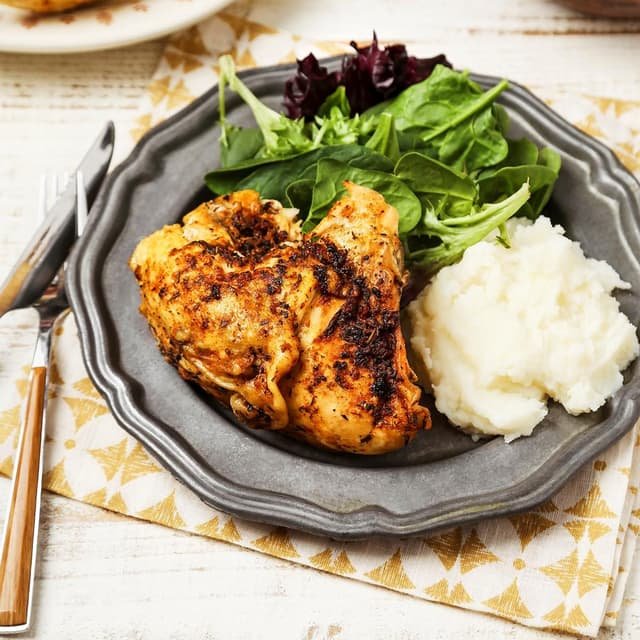
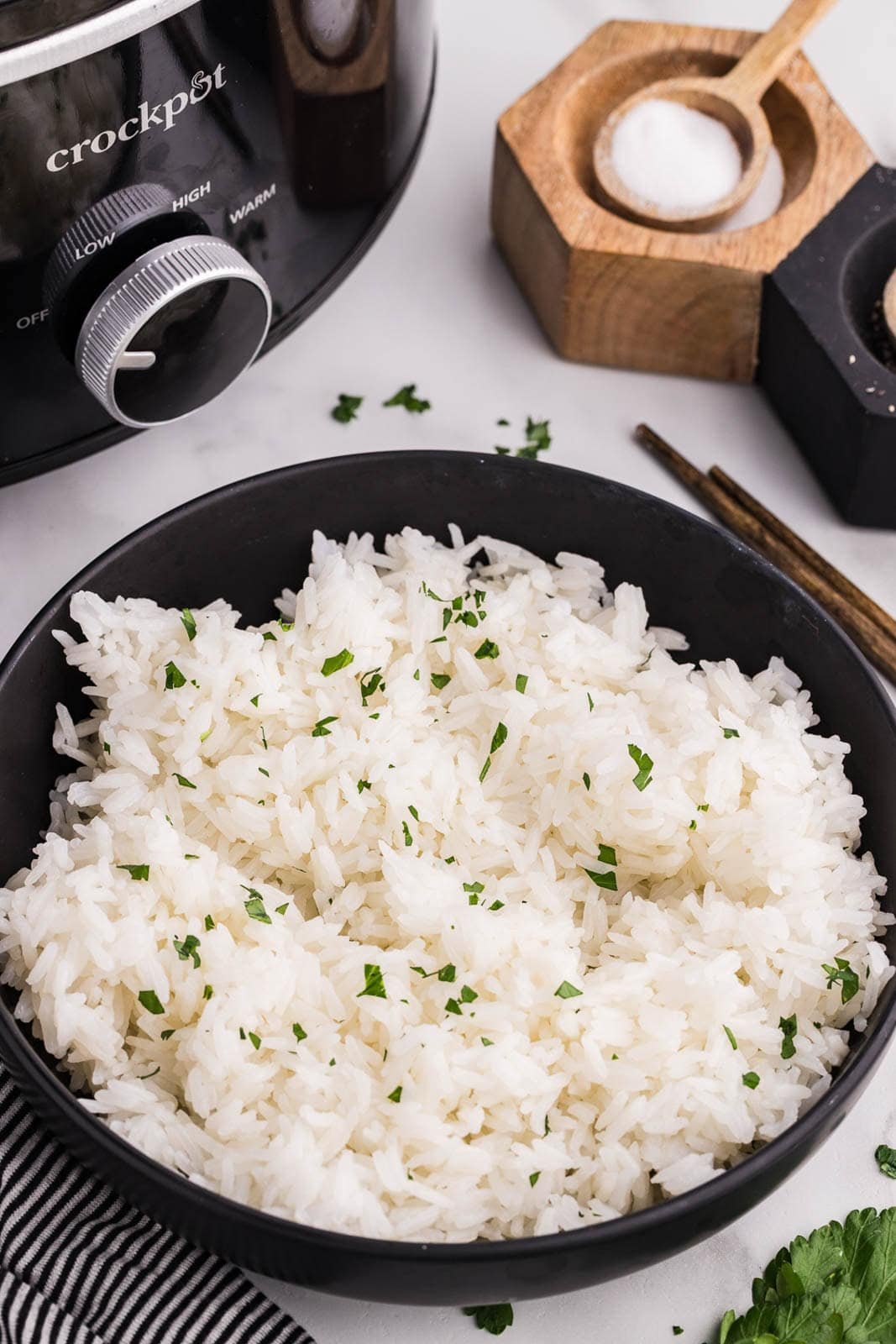
Great Northern beans have a mild, nutty flavor that pairs well with a variety of sides. You can keep things classic with steamed rice or creamy mashed potatoes, both of which soak up the beans’ rich sauce beautifully.
Roasted vegetables like carrots, Brussels sprouts, or sweet potatoes add a sweet and crispy contrast. If you want something lighter, a crisp green salad with a tangy vinaigrette can balance the beans’ earthiness perfectly.
- Garlic bread or cornbread for a hearty touch
- Grilled or sautéed greens like kale or spinach
- Pickled vegetables to add a sharp, refreshing bite
Using Beans In Recipes
Don’t just serve your slow-cooked beans as they are—try mixing them into other dishes. You can add them to soups or stews for extra protein and texture. They also make a fantastic base for veggie burgers or bean dips.
Think about tossing them into a pasta salad or stuffing them into tacos for a protein-packed twist. Have you ever tried blending beans into a creamy sauce or hummus? It’s a simple way to boost nutrition without changing the flavor too much.
- Bean chili with tomatoes, peppers, and spices
- Beans mixed with quinoa or couscous for a filling salad
- Baked beans casserole with cheese and herbs

Credit: www.theincrediblebulks.com
Storage And Reheating
Knowing how to properly store and reheat your Great Northern Beans after slow cooking can make all the difference in taste and safety. Improper storage can lead to spoilage, while reheating them wrong might affect their texture and flavor. Let’s dive into practical tips that keep your beans fresh and delicious every time.
Storing Cooked Beans
Once your beans are cooked, let them cool to room temperature but no longer than two hours. Transfer them to an airtight container to lock in moisture and prevent odors from other foods in the fridge.
Store your beans in the refrigerator for up to 4-5 days. If you want to keep them longer, freezing is a great option. Use freezer-safe containers or heavy-duty freezer bags and label them with the date.
Have you ever noticed beans drying out in the fridge? Adding a splash of the cooking liquid before sealing helps maintain their creamy texture.
Best Practices For Reheating
Reheat your beans gently to avoid turning them mushy or dry. Using a microwave, cover the container loosely and stir halfway through heating to ensure even warmth.
On the stovetop, add a little water or broth to the beans and warm them over low heat, stirring occasionally. This prevents sticking and keeps the beans tender.
Thinking about reheating large batches? Consider reheating only the portion you plan to eat. Constantly reheating and cooling beans can affect both safety and taste.
Troubleshooting Common Issues
Common problems like undercooked or mushy beans often happen with slow cookers. Adjust cooking time and water amount to fix these issues easily. Stirring beans occasionally helps keep the texture just right.
Cooking Great Northern Beans in a slow cooker can be a delightful experience, yielding a warm, hearty dish. However, even seasoned cooks can encounter a few hiccups along the way. Let's dive into some common issues you might face and how to troubleshoot them effectively.
Beans Not Softening
Imagine eagerly waiting for your beans to reach the perfect tenderness, only to find them still hard. This can be frustrating. Often, the culprit is old beans. Check the expiration date before cooking, as older beans tend to resist softening. Another reason could be the presence of acidic ingredients. Tomatoes or vinegar added too early can prevent softening. Consider adding such ingredients after the beans have sufficiently softened. If you suspect your water is too hard, it might be affecting the cooking process. Try using filtered or bottled water next time.
Beans Breaking Apart
On the flip side, you might end up with beans that have turned to mush. To prevent this, be mindful of the cooking time. Overcooking is a common reason beans fall apart. Ensure you soak your beans overnight. This not only reduces cooking time but also helps maintain their structure. Consider the heat settings on your slow cooker. If your beans are consistently breaking apart, try cooking them on a lower setting next time. Have you ever tried adding a pinch of salt midway through cooking? This can help beans hold their shape better. Remember, it's all about adjusting and experimenting until you get it just right. By keeping these troubleshooting tips in mind, you can ensure your Great Northern Beans turn out perfectly every time.
Frequently Asked Questions
How Long Do Northern Beans Take In A Slow Cooker?
Northern beans usually take 6 to 8 hours on low or 3 to 4 hours on high in a slow cooker. Cooking times may vary depending on the bean age and slow cooker model.
Should I Soak Northern Beans Before Slow Cooking?
Soaking Northern beans overnight helps reduce cooking time and improves digestibility. However, you can cook them unsoaked; just increase the slow cooking time by 1 to 2 hours.
What Liquid Is Best For Cooking Northern Beans Slowly?
Water or broth works best for slow cooking Northern beans. Broth adds extra flavor, while water keeps the beans mild and versatile for recipes.
Can I Add Seasoning Before Slow Cooking Northern Beans?
Yes, adding herbs, spices, and aromatics before slow cooking enhances flavor. Avoid salt or acidic ingredients early, as they can toughen beans; add them towards the end.
Conclusion
Great Northern beans taste best when cooked slowly and gently. Use your slow cooker to make them soft and full of flavor. Add simple ingredients like herbs, salt, and broth for better taste. Stir occasionally and check the beans near the end.
This easy method saves time and effort in the kitchen. Enjoy healthy, delicious beans that pair well with many meals. Try this slow cooker recipe for a warm, comforting dish anytime. Cooking beans has never been simpler or more satisfying.
Give it a try and enjoy the results!