Are you ready to make a delicious, hearty meal with minimal effort? Cooking Great Northern Beans in a slow cooker is the perfect way to enjoy tender, flavorful beans without standing over the stove.
Whether you’re new to slow cooking or looking to improve your bean game, this guide will show you simple steps to get perfect results every time. Keep reading, and soon you’ll be serving up a comforting dish that’s packed with nutrition and taste—no stress, no fuss.
Your slow cooker is about to become your new best friend in the kitchen!
Choosing The Right Beans
Choosing the right beans is key to making tasty Great Northern Beans in your slow cooker. Beans vary in size, texture, and flavor. Picking the best type ensures your dish cooks evenly and tastes fresh. Good beans absorb flavors well and soften nicely after slow cooking.
Types of Great Northern Beans
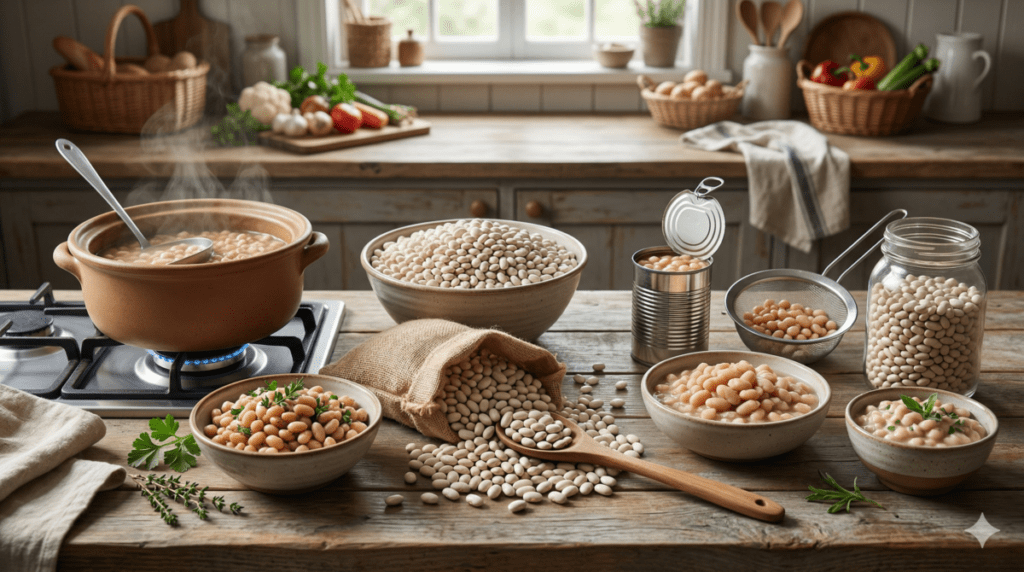
Great Northern Beans are medium-sized and white. They have a mild, nutty flavor and smooth texture. These beans hold their shape during cooking. This makes them perfect for soups, stews, and casseroles. You may find different varieties in stores:
- Standard Great Northern Beans: The most common choice, creamy and firm.
- Organic Great Northern Beans: Grown without pesticides, usually fresher.
- Dry vs. Canned: Dry beans need soaking and slow cooking; canned beans save time but may be softer.
How To Select Fresh Beans
Choose dry beans that look clean and uniform in color. Avoid beans with cracks, wrinkles, or dark spots. These signs mean old or damaged beans. Beans should feel dry and firm, not soft or brittle. Buy from stores with high turnover for fresher stock. Store beans in a cool, dry place to keep them fresh longer.
Preparing Beans For Cooking
Preparing Great Northern beans before cooking is a crucial step that impacts both texture and flavor. Taking time to properly clean and soak your beans can save you from unpleasant surprises like gritty bits or uneven cooking. Your slow cooker will do most of the work, but your prep sets the stage for a delicious meal.
Rinsing And Sorting
Start by spreading your beans out on a clean surface or shallow dish. Look carefully for small stones, dirt clumps, or broken beans that might affect the final dish. Removing these ensures every bite is smooth and enjoyable.
After sorting, place the beans in a colander and rinse them thoroughly under cold running water. This washes away dust and any residual debris from storage. You’ll notice the water turns cloudy at first—that’s normal, so rinse until it runs clear.
Soaking Methods
Soaking beans isn’t mandatory but it helps reduce cooking time and improves digestibility. There are two common approaches you can try, depending on your schedule.
- Overnight soak:Cover your rinsed beans with about three inches of cold water in a large bowl. Let them sit for 6 to 8 hours or overnight. This gentle soak softens the beans and makes them cook more evenly.
- Quick soak:If you’re short on time, boil your beans in water for 2 minutes, then remove from heat and let them soak for 1 hour. This speeds up the process while still giving good results.
Have you ever skipped soaking and ended up with beans that were still hard after hours in the slow cooker? Preparing them right can help you avoid that frustrating experience. Plus, soaking can reduce the gas-causing compounds, making your meal more comfortable to enjoy.
Essential Ingredients
Great Northern Beans gain their rich flavor from a thoughtful selection of ingredients. Choosing the right essentials can transform your slow cooker dish from simple to outstanding. Let’s look at what you really need to make your beans taste amazing.
Spices And Herbs
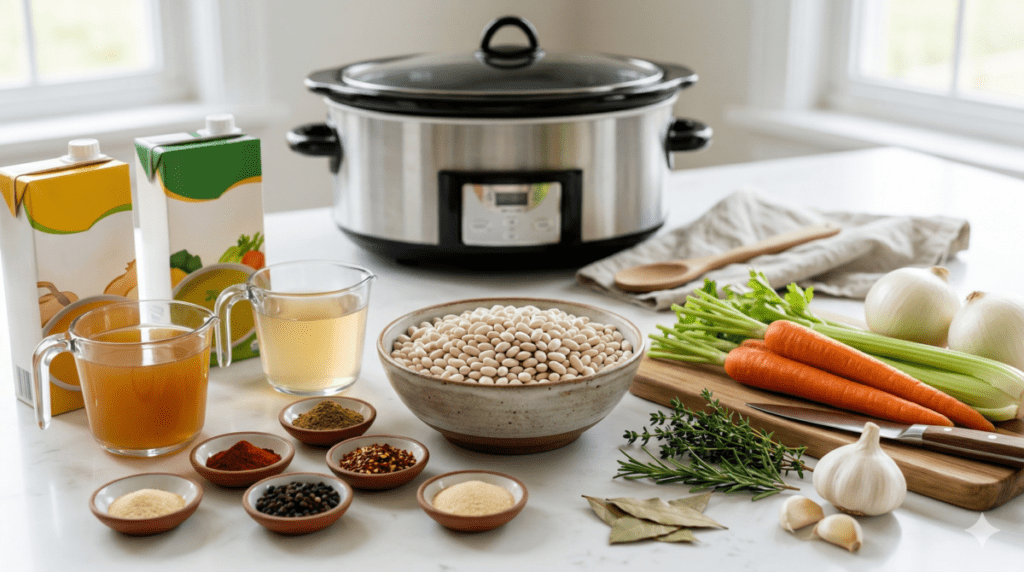
Spices and herbs are the backbone of flavor in slow-cooked beans. You want to add depth without overpowering the natural taste of the beans. Common favorites include bay leaves, thyme, and rosemary, which offer a subtle earthiness.
Don't forget garlic and onion powder—they bring warmth and aroma. A pinch of smoked paprika or cumin can add a smoky or slightly spicy note that surprises the palate. Have you tried adding a touch of black pepper or crushed red pepper flakes for a little heat? Experimenting with these can make your beans uniquely yours.
Vegetables And Broth Options
Vegetables do more than add texture—they infuse the beans with flavor as they cook slowly. Carrots, celery, and onions are classic choices that blend well with the beans’ creamy texture. You can also add diced tomatoes for a tangy twist.
The choice of broth is equally important. Using chicken or vegetable broth instead of water instantly boosts the taste. If you want a richer flavor, homemade broth is unbeatable. Don’t overlook the power of broth; it’s the liquid that carries all your ingredients' flavors together. What broth have you used before, and how did it change your dish?
Slow Cooker Setup
Setting up your slow cooker correctly is key to cooking Great Northern beans perfectly. The right arrangement and temperature help the beans cook evenly and absorb flavors well. This section explains how to prepare your slow cooker for the best results.
Layering Ingredients
Place beans at the bottom of the slow cooker. They need direct heat to soften properly. Next, add chopped vegetables like onions, carrots, and celery. These add flavor and cook well on top of the beans. Pour broth or water over the ingredients until they are just covered. Avoid filling the slow cooker too full. Leave space for the beans to expand as they cook. Season last with salt, pepper, and herbs. Stir gently to mix without disturbing the layers.
Setting The Right Temperature
Use the low setting for slow cooking Great Northern beans. It takes 6 to 8 hours for soft, tender beans. The low heat prevents beans from breaking apart. The high setting cooks beans faster but risks uneven texture. If pressed for time, set the slow cooker to high for 3 to 4 hours. Check beans often to avoid overcooking. Keep the lid closed during cooking to keep heat inside. Opening the lid lets steam escape and slows cooking.
Cooking Times And Tips
Cooking Great Northern beans in a slow cooker needs the right timing and care. Beans must cook long enough to become soft but not mushy. Proper cooking times ensure the best texture and flavor.
Slow cooking lets the beans absorb flavors well. Patience is key for tender beans. Watch the beans closely near the end to get perfect results.
Low Vs High Settings
Slow cookers have two main settings: low and high. Cooking on low takes longer but gives beans a creamy texture.
- Low setting usually takes 6 to 8 hours.
- High setting cooks beans faster, about 3 to 4 hours.
- Low heat helps beans cook evenly and avoid splitting.
- High heat is good for quick meals but needs more attention.
Checking Bean Doneness
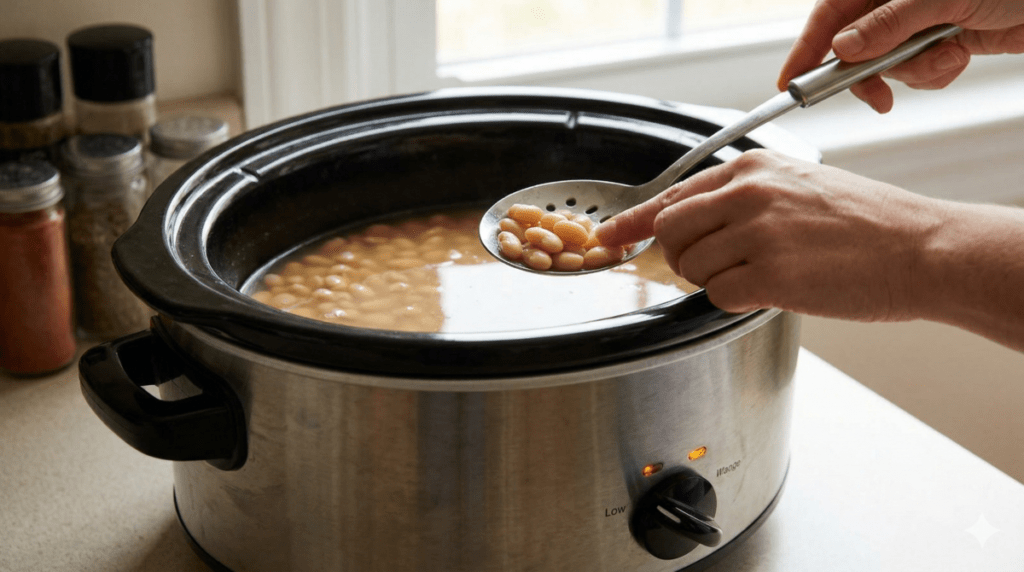
Check beans after the minimum cooking time. Take a few beans and taste them.
- Beans should be soft but hold their shape.
- If beans are still hard or crunchy, cook longer.
- Add a little water if the slow cooker looks dry.
- Keep checking every 30 minutes once close to done.
- Overcooked beans become mushy and lose flavor.
Enhancing Flavor
Enhancing the flavor of Great Northern Beans in a slow cooker makes a big difference. Slow cooking allows spices and ingredients to blend deeply. This results in rich, delicious beans that taste homemade and fresh.
Simple steps can boost the flavor without extra effort. Timing and choice of seasonings are key. Knowing when to add ingredients helps keep flavors bright and balanced.
Adding Seasonings Mid-cook
Add strong seasonings like garlic, herbs, or spices about halfway through cooking. This keeps their flavors fresh and vibrant. Adding salt too early can make beans tough, so wait until mid-cook.
- Use dried herbs like thyme, oregano, or bay leaves.
- Add ground spices such as cumin or smoked paprika for warmth.
- Include minced garlic or onion for deeper flavor.
- Stir gently to mix seasonings without breaking beans.
Mid-cook seasoning helps beans absorb flavors slowly and evenly. This step creates a delicious, well-rounded taste.
Finishing Touches
Finish with fresh ingredients to brighten the dish. Add chopped herbs like parsley or cilantro just before serving. A squeeze of lemon or splash of vinegar adds fresh acidity.
- Sprinkle fresh herbs for color and aroma.
- Add a dash of black pepper for a mild kick.
- Stir in a bit of olive oil to enrich texture.
- Adjust salt to taste at the end.
Finishing touches bring the beans to life with fresh, vibrant flavors. They make slow-cooked beans taste lively and complete.
Serving Suggestions
Pair Great Northern Beans with rice or cornbread for a classic meal. Add fresh herbs for a flavorful touch. Enjoy them with grilled vegetables or as a hearty soup base.
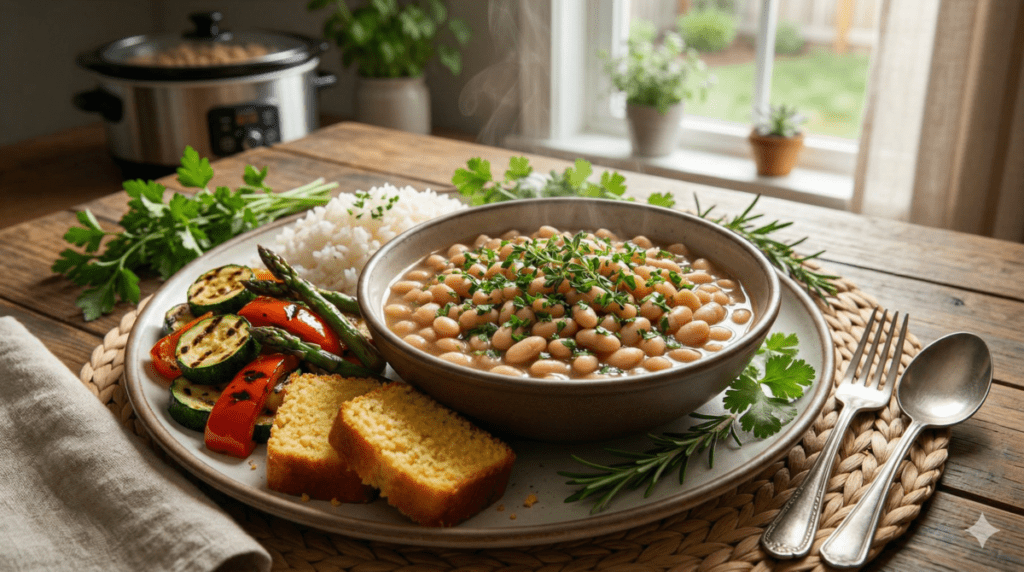
Cooking Great Northern Beans in a slow cooker is a delightful experience. They become tender and flavorful with minimal effort. Once your beans are ready, the next step is serving them in delicious ways. Here are some serving suggestions to enhance your meal.
Pairing Ideas
Great Northern Beans pair well with various dishes. Consider serving them with rice or quinoa for a hearty meal. Add a side of cornbread or crusty bread for a comforting touch. For more protein, include grilled chicken or roasted vegetables. You can also use these beans in salads. Toss them with fresh greens, cherry tomatoes, and a light vinaigrette. Another option is to incorporate them into soups or stews. Their creamy texture complements many broths and sauces.
Storage And Reheating
Store leftover beans in an airtight container. They stay fresh in the refrigerator for up to five days. For longer storage, freeze them for up to three months. Reheat beans on the stovetop or microwave. Add a splash of water to maintain moisture. Stir occasionally to ensure even heating. Avoid overcooking to keep the beans tender.
Frequently Asked Questions
How Long To Cook Great Northern Beans In Slow Cooker?
Great Northern beans typically cook in a slow cooker for 6 to 8 hours on low heat. This timing ensures they become tender without overcooking. Always check for softness before serving to get the best texture and flavor.
Should I Soak Great Northern Beans Before Slow Cooking?
Soaking Great Northern beans overnight is recommended. It reduces cooking time and improves digestibility. If you’re short on time, quick-soak by boiling beans for 2 minutes, then let them sit for an hour before slow cooking.
Can I Add Seasoning Before Slow Cooking Beans?
Yes, you can add seasonings like salt, garlic, and herbs before slow cooking. However, add acidic ingredients like tomatoes or vinegar after beans are fully cooked to prevent toughness.
How Much Water Is Needed For Slow Cooking Great Northern Beans?
Use about 3 cups of water for every 1 cup of dried Great Northern beans. This ratio ensures beans remain submerged and cook evenly without drying out or boiling over.
Conclusion
Great Northern beans taste best when cooked low and slow. The slow cooker makes the process easy and hands-free. Just add your beans, water, and seasonings, then let time do the work. The beans turn soft and flavorful without much effort.
Perfect for soups, stews, or as a side dish. Remember to soak beans first for quicker cooking. Enjoy healthy, tasty meals with little prep or fuss. Slow cooking saves time and enhances taste. Give it a try, and enjoy simple, hearty dishes every day.