Cooking a frozen turkey breast might seem tricky, but it doesn’t have to be. What if you could have a juicy, tender turkey ready with almost no effort?
Using your slow cooker is the perfect way to make that happen. You’ll save time, avoid the hassle of thawing, and still enjoy a delicious meal. Keep reading, and you’ll discover simple steps to turn your frozen turkey breast into a mouthwatering dish that everyone will love.
Choosing The Right Turkey Breast
Choosing the right turkey breast is important for slow cooker recipes. It affects cooking time and flavor. Understanding the types and sizes helps you pick the best option for your meal. This makes cooking easier and results tastier.
Types Of Turkey Breast
Turkey breast comes in several types. Fresh turkey breast offers a natural flavor and moist texture. Frozen turkey breast is convenient and lasts longer in the freezer. Some turkey breasts are bone-in, which adds more flavor during cooking. Boneless turkey breasts cook faster and are easier to slice.
Look for skin-on turkey breast for extra moisture. Skinless options cook faster but may dry out. Choose based on your taste and cooking time.
Size And Weight Considerations
The size of the turkey breast affects slow cooker time. Larger breasts take longer to cook. Smaller breasts cook faster and fit better in most slow cookers.
Common sizes range from 2 to 6 pounds. For slow cooking, a 3 to 5-pound breast works well. It fits easily and cooks evenly. Too large can crowd the cooker and slow cooking. Too small may dry out quickly.

Credit: mommacan.com
Preparing The Frozen Turkey Breast
Preparing frozen turkey breast for the slow cooker is a key step. It sets the stage for a tender, flavorful meal. Handling the turkey correctly ensures even cooking and great taste. Let’s explore how to get your turkey breast ready.
Thawing Vs Cooking Frozen
Cooking turkey breast directly from frozen saves time. The slow cooker heats the meat gently and evenly. This method is safe but requires more cooking time.
Thawing first helps the turkey cook faster and more evenly. Thaw in the fridge for 24-48 hours depending on size. Avoid thawing at room temperature to prevent bacteria growth.
Both ways work well if you adjust cooking times. Frozen turkey needs about 1.5 times longer than thawed.
Trimming And Seasoning Tips
Trim excess fat and skin from the turkey breast. This reduces grease and improves flavor.
Pat the turkey dry with paper towels. This helps seasoning stick better.
Use simple seasonings for best results. Salt, pepper, garlic powder, and herbs work well. Rub spices evenly over all sides.
Adding a little olive oil or butter locks in moisture during cooking.
Place the turkey breast on a bed of vegetables or aromatics inside the slow cooker. This adds flavor and prevents sticking.
Setting Up Your Slow Cooker
Cooking a frozen turkey breast in a slow cooker is simple and convenient. Place the turkey breast in the slow cooker, add your favorite seasonings, and set it to cook. Enjoy tender, juicy meat without much effort.
Setting up your slow cooker properly is the first step to achieving a tender and flavorful turkey breast. This process ensures that your turkey cooks evenly and maintains its moisture throughout the long cooking time. Let’s dive into the essentials of preparing your slow cooker for a delicious turkey meal.
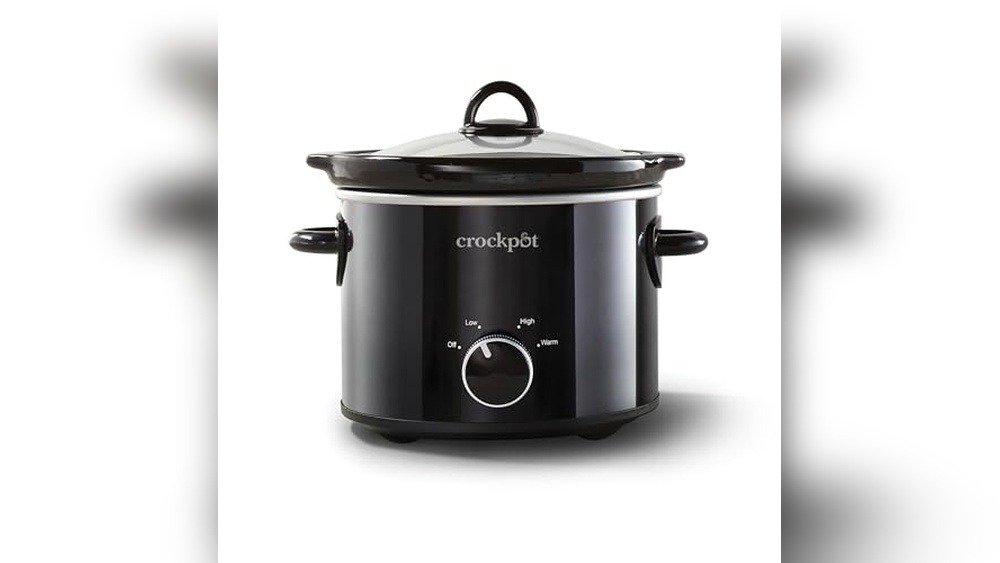
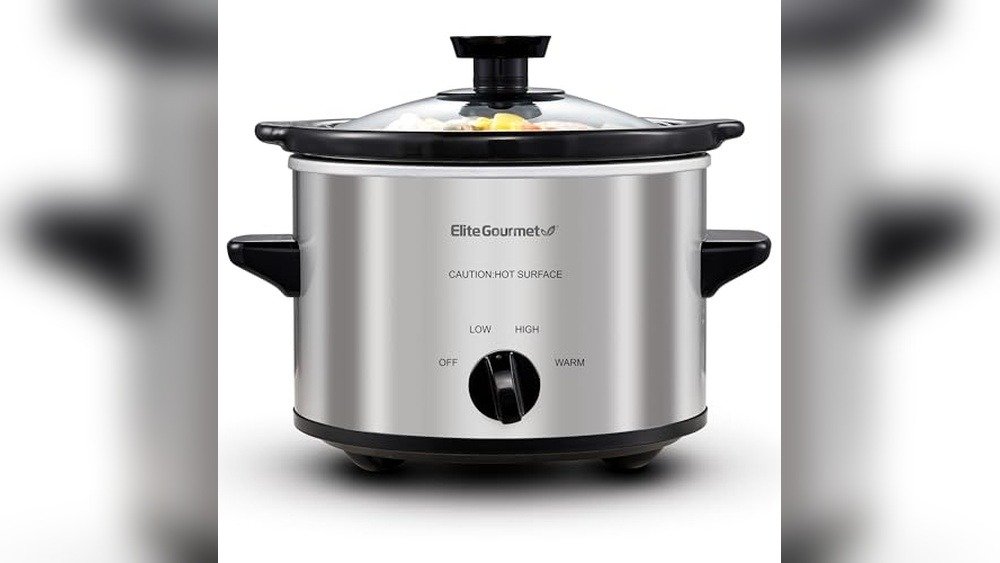
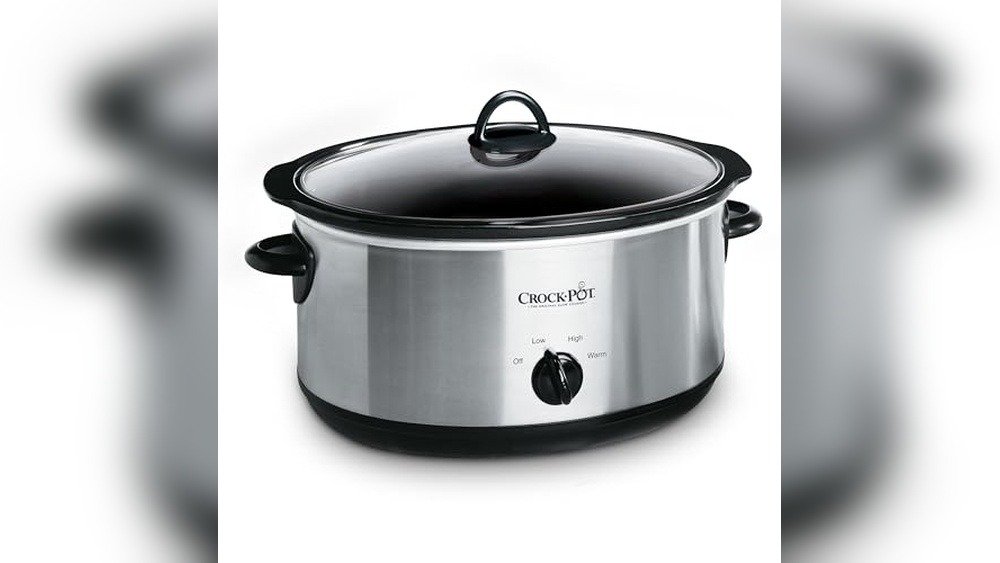
Choosing Slow Cooker Size
Selecting the right slow cooker size is crucial. A 6-quart slow cooker is ideal for most turkey breasts. It provides ample space for the turkey and any additional ingredients, allowing for even heat distribution. If your slow cooker is too small, the turkey may not cook evenly, leading to dry or undercooked portions. A larger cooker also gives you the flexibility to add vegetables, herbs, or a savory broth. Have you ever tried adding root vegetables like carrots and potatoes? They soak up the turkey juices, becoming flavorful accompaniments to your meal.
Adding Liquid For Moisture
Adding liquid is a must to keep your turkey breast juicy. Consider adding a cup of chicken broth or apple cider to the bottom of the slow cooker. This not only adds moisture but also infuses the turkey with additional flavor. You could also experiment with other liquids such as white wine or a mix of broth and orange juice for a citrus twist. The key is to ensure there’s enough liquid to prevent the turkey from drying out during the cooking process. Remember, the goal is a succulent turkey breast, so don’t shy away from adding that extra cup of broth. Have you ever thought about how different liquids can transform the taste of your turkey? Give it a try and discover your new favorite flavor combination.
Cooking Times And Temperatures
Getting the cooking times and temperatures right is crucial for a juicy and safe-to-eat frozen turkey breast in your slow cooker. Since the turkey starts from frozen, it needs more time to reach the safe internal temperature without drying out. Understanding how different heat settings affect cooking can help you choose the best approach for your schedule and taste preferences.
Low Vs High Settings
Choosing between low and high settings on your slow cooker affects both the texture and timing of your turkey breast. Low heat allows the meat to cook gently, keeping it tender and moist. It’s ideal if you have plenty of time and prefer a more evenly cooked turkey.
High heat speeds up the cooking process but requires careful timing to avoid overcooking. It’s perfect for busy days when you need dinner ready faster but still want a flavorful result. However, turkey cooked on high can sometimes turn out a bit drier if left too long.
- Low setting:Slow and steady, better moisture retention
- High setting:Faster cooking, risk of dryness if overcooked
Estimated Cooking Duration
Knowing the approximate time your turkey breast will take helps you plan your day around dinner. For a frozen turkey breast weighing 2 to 3 pounds, expect these rough cooking times:
| Slow Cooker Setting | Estimated Cooking Time | Internal Temperature to Reach |
|---|---|---|
| Low | 6 to 8 hours | 165°F (74°C) |
| High | 3 to 4 hours | 165°F (74°C) |
Remember, these times can vary based on your slow cooker model and turkey size. Using a meat thermometer is the safest way to check doneness. Have you ever guessed cooking time only to find your turkey dry or undercooked? A thermometer saves you from that disappointment every time.
Flavor Enhancements
Enhancing the flavor of frozen turkey breast in a slow cooker makes every bite delicious. Simple ingredients can transform the turkey into a tasty meal. Focus on herbs, spices, broth, and aromatics to boost the taste.
Herbs And Spices
Fresh or dried herbs add a rich aroma and depth to turkey. Popular choices include rosemary, thyme, and sage. Sprinkle these herbs over the turkey before cooking. Ground spices like black pepper, paprika, and garlic powder add warmth and flavor. Use them sparingly to avoid overpowering the meat.
Using Broth And Aromatics
Broth keeps the turkey moist and adds a savory base. Chicken or vegetable broth works best in slow cookers. Place aromatics like onions, garlic, and celery around the turkey. These ingredients release natural flavors during cooking. They blend with the broth and turkey, creating a tasty sauce.

Credit: www.craftingafamily.com
Checking For Doneness
Checking for doneness is a key step when cooking frozen turkey breast in a slow cooker. It ensures the turkey is safe to eat and has the best texture. Knowing when your turkey is fully cooked avoids undercooking or drying it out. Use simple tools and signs to confirm the turkey is ready.
Using A Meat Thermometer
A meat thermometer is the most accurate way to check turkey doneness. Insert it into the thickest part of the breast. Avoid touching bone, which can give a false high reading. The turkey is safe when the internal temperature reaches 165°F (74°C). This temperature kills harmful bacteria. Wait a few seconds for the thermometer to show the correct reading. Clean the thermometer after use to keep it hygienic.
Visual And Texture Cues
Besides temperature, look at the turkey’s color and texture. The meat should be white or light tan inside. Pink or red areas mean it needs more cooking. Juices running clear also indicate doneness. If the juices are pink, cook longer. The texture should be firm but not dry. Press the meat with a fork; it should spring back slightly. Avoid cutting too early to keep the turkey moist.
Resting And Serving Tips
After slow cooking your frozen turkey breast, knowing how to rest and serve it properly can make all the difference in taste and texture. Resting allows juices to redistribute, making the meat juicier and easier to carve. Serving it thoughtfully can elevate your meal and impress your guests.
Allowing Meat To Rest
Once your turkey breast is cooked, resist the urge to cut into it immediately. Let it rest for at least 10 to 15 minutes. This pause lets the juices settle back into the meat, preventing them from running out and leaving the turkey dry.
Place the turkey breast on a cutting board and loosely cover it with foil. This keeps it warm without steaming the skin, which helps maintain the texture you worked hard to achieve. Have you noticed how much better leftover turkey tastes after resting? That’s the reason.
Carving Techniques
Carving the turkey breast correctly ensures every slice is tender and uniform. Use a sharp carving knife for clean cuts and slice against the grain of the meat. Cutting with the grain can make the meat stringy and tough.
Start by removing the skin if you prefer, then make thin, even slices. This helps control portion sizes and makes the turkey easier to eat. If you’re serving a crowd, consider slicing the breast before plating to let guests choose their preferred thickness.
Serving Suggestions
- Serve your turkey breast with a side of cranberry sauce for a classic flavor contrast.
- Pair it with roasted vegetables or a fresh salad to add color and nutrition.
- Try warm gravy or a simple pan jus made from the slow cooker drippings for extra moisture.
Think about adding a touch of fresh herbs like rosemary or thyme on top for visual appeal and aroma. How could you customize these ideas to suit your family’s tastes? Your creativity here can turn a simple meal into a memorable one.
Troubleshooting Common Issues
Cooking frozen turkey breast in a slow cooker can sometimes lead to unexpected challenges. You might end up with meat that's too dry or parts that cook unevenly. Knowing how to troubleshoot these issues will help you get juicy, evenly cooked turkey every time.
Dry Turkey Breast
Dry turkey breast is a common problem, especially when cooking for long hours. The slow cooker’s heat can easily dry out the meat if there's not enough moisture inside.
Try adding broth, water, or even a splash of white wine to keep the turkey moist. Cover the turkey with a layer of butter or olive oil before cooking to lock in moisture. Also, avoid overcooking—check the internal temperature with a meat thermometer; it should reach 165°F (74°C) and not go much beyond that.
Have you ever noticed how even a little extra liquid can make a big difference in tenderness?
Uneven Cooking
Uneven cooking happens when the turkey breast is too large or unevenly shaped, causing some parts to cook faster than others. This is especially true if the slow cooker is overcrowded or the turkey isn’t placed properly.
To fix this, make sure the turkey breast fits comfortably inside the slow cooker. You can also rotate the meat halfway through cooking to promote even heat distribution. Adding vegetables like carrots or potatoes beneath the turkey can create a natural rack, helping heat circulate better.
Ever tried flipping your turkey mid-cook? It might feel like extra work, but it can save your meal from being partly raw or overdone.

Credit: mommacan.com
Frequently Asked Questions
Can I Cook Frozen Turkey Breast In A Slow Cooker?
Yes, you can cook frozen turkey breast in a slow cooker. It takes longer than thawed meat but is safe. Use low heat and cook for 6-8 hours until fully cooked.
How Long Does Frozen Turkey Breast Take In Slow Cooker?
Frozen turkey breast usually takes 6 to 8 hours on low heat in a slow cooker. Cooking times vary by size, so always check the internal temperature.
Do I Need To Thaw Turkey Breast Before Slow Cooking?
No, thawing is not necessary. You can cook turkey breast directly from frozen in a slow cooker. Just allow extra cooking time for safe results.
What Temperature Should Turkey Breast Reach In Slow Cooker?
The turkey breast should reach an internal temperature of 165°F (74°C) to be safe. Use a meat thermometer to ensure it’s fully cooked.
Conclusion
Cooking frozen turkey breast in a slow cooker saves time and effort. It stays juicy and tender without much work. Just follow the steps carefully for best results. Add your favorite seasonings for extra flavor. Let the slow cooker do the hard work while you relax.
This method suits busy days or simple meals. Enjoy a delicious turkey breast with little fuss. Perfect for family dinners or special occasions. Try it once, and you’ll find it easy and tasty. A great way to cook turkey with minimal stress.