Are you ready to enjoy a tender, flavorful corned beef brisket without spending hours in the kitchen? Cooking corned beef in a slow cooker is the perfect way to get juicy, melt-in-your-mouth meat with minimal effort.
Whether you’re preparing a special dinner or just craving a hearty meal, this method makes the process simple and stress-free. Keep reading, and you’ll discover easy steps and insider tips to make your next corned beef brisket a mouthwatering success.
Your taste buds will thank you!
Choosing The Right Brisket
Choosing the right brisket sets the stage for a tender, flavorful corned beef cooked in your slow cooker. The quality and cut of meat you pick will directly affect how your meal turns out. Knowing what to look for can save you from a tough, dry brisket and instead deliver a melt-in-your-mouth experience.
Types Of Corned Beef
Corned beef brisket usually comes in two main types: flat cut and point cut. The flat cut is leaner and slices neatly, making it perfect for sandwiches. The point cut has more fat and connective tissue, which means it can be juicier but might not slice as cleanly.
Think about your final dish. Do you want lean slices or a richer, more tender texture? Sometimes, choosing the point cut can surprise you with its flavor, especially after slow cooking for several hours. Your choice depends on what matters more to you—ease of slicing or depth of flavor.
Size And Cut Tips
Briskets come in various sizes, typically ranging from 2 to 5 pounds. A smaller brisket cooks faster and fits better in most slow cookers, but larger cuts offer more servings for family or guests. Consider your slow cooker’s capacity and your meal plans before picking your brisket size.
Look for briskets with an even thickness. This helps the meat cook uniformly without dry spots. Also, check the packaging date to ensure freshness—fresher brisket will have a cleaner taste and better texture.
- Choose a brisket that fits comfortably inside your slow cooker.
- Trim excess fat if you prefer a leaner meal, but don’t remove all fat—it adds flavor and moisture.
- Ask your butcher for advice on the best brisket for slow cooking.
Have you ever wondered why your brisket turns out dry or chewy? The right cut and size can change everything. Don’t rush this step—your patience here will pay off in every delicious bite.
Preparing The Brisket
Preparing the brisket properly sets the foundation for a tender, flavorful corned beef cooked in your slow cooker. Taking a few moments to get the brisket ready will improve the final texture and taste. This step is simple but important, so don’t rush through it.
Rinsing And Trimming
Start by rinsing the corned beef brisket under cold water. This helps remove excess salt and any surface brine that could overpower your dish.
Pat the brisket dry with paper towels afterward to ensure it browns well if you decide to sear it before slow cooking. Check the brisket for any thick fat layers and trim off large chunks if you prefer less grease in your meal.
However, leaving a thin fat layer can add flavor and moisture during cooking. Have you tried trimming just a bit and noticed how it affects the juiciness?
Optional Seasoning Enhancements
While the brisket is already seasoned from curing, you can boost the flavor with a few extra touches. Adding cracked black pepper, garlic powder, or a bay leaf can bring depth to the slow cooker broth.
Some cooks like to sprinkle mustard seeds or crushed coriander on the meat before cooking. These spices complement the classic corned beef taste without overpowering it.
Think about your favorite flavors—do you want a more peppery bite or a hint of sweetness? Customizing the seasoning here makes the dish truly yours.
Setting Up The Slow Cooker
Setting up the slow cooker correctly is key to cooking corned beef brisket. It helps the meat cook evenly and absorb all flavors. A well-prepared slow cooker makes the brisket tender and tasty. Follow simple steps to layer ingredients and add liquids and aromatics for the best results.
Layering Ingredients
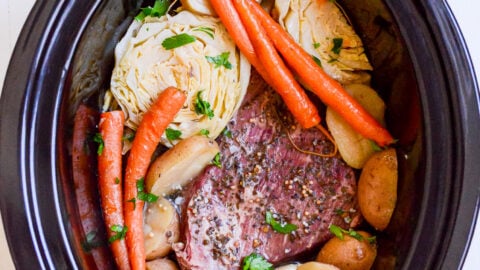
Start by placing a layer of sliced onions and carrots at the bottom of the slow cooker. This creates a flavorful base and prevents the meat from sticking. Next, add the corned beef brisket on top of the vegetables. Make sure the fat side is facing up. This allows the fat to melt and keep the meat moist during cooking. Finally, add more vegetables like potatoes around the brisket. This helps everything cook together and absorb rich flavors.
Adding Liquids And Aromatics
Pour enough liquid to cover about half of the brisket. Use beef broth, water, or a mix of both for deep flavor. Add the seasoning packet that comes with the corned beef. Include aromatics like garlic cloves, bay leaves, and peppercorns. These enhance the taste and give a nice aroma. Avoid overfilling to ensure slow cooking works correctly. The liquid keeps the brisket juicy and tender throughout the cooking time.
Credit: realfoodwholelife.com
Cooking Times And Temperatures
Slow cook corned beef brisket on low heat for 8 to 10 hours to ensure tenderness. Maintain a temperature around 190°F to 200°F for best results. This method breaks down tough fibers, making the meat juicy and flavorful.
Cooking a corned beef brisket in a slow cooker is all about balancing time and temperature to achieve that perfect melt-in-your-mouth texture. The beauty of using a slow cooker lies in its ability to transform a tough cut of meat into something tender and flavorful. However, the cooking times and temperatures play a crucial role in this transformation. Understanding the difference between low and high settings and knowing how to monitor doneness are key factors in your culinary success.
Low Vs. High Settings
Choosing between the low and high settings on your slow cooker can significantly affect the outcome of your corned beef brisket. On the low setting, you’re looking at a cooking time of about 8 to 10 hours. This method allows the brisket to break down slowly, resulting in a succulent and tender dish. On the other hand, if you’re short on time, the high setting is your friend. It will have your brisket ready in roughly 4 to 6 hours. While this is quicker, the texture might be slightly less tender compared to the low setting. Decide based on your schedule and desired texture. Both settings will yield a delicious meal, but patience often rewards with extra tenderness.
Monitoring Doneness
Checking the doneness of your corned beef brisket is as simple as using a fork. When the brisket is done, it should be fork-tender, meaning it easily pulls apart with minimal resistance. This is your cue that the collagen has broken down enough, creating that juicy texture. You can also use a meat thermometer. Aim for an internal temperature of about 190°F to 205°F. This range ensures the brisket is cooked through and safe to eat. Ever wondered if it’s possible to overcook brisket in a slow cooker? Yes, it is. If left too long, even on low, the meat can become mushy. So, keep an eye on it during the final hours to avoid this. Balancing time and temperature in your slow cooker can transform your cooking experience. How will you choose to cook your next corned beef brisket?
Adding Vegetables
Adding vegetables to your corned beef brisket in the slow cooker enhances flavor and texture. Vegetables soak up juices and spices, making the dish richer. They also create a balanced meal with protein and fiber.
Choosing the right vegetables and knowing when to add them is key. Some veggies need longer cooking to soften, while others cook quickly. Timing affects the overall taste and texture of your dish.
Best Vegetables To Pair
- Carrots – Sweet and firm, they hold shape well
- Potatoes – Absorb flavors and make the dish hearty
- Cabbage – Classic choice, adds mild crunch and color
- Onions – Add sweetness and depth of flavor
- Turnips – Earthy taste that complements the beef
Timing For Adding Veggies
Root vegetables like carrots and potatoes need about 3 to 4 hours in the slow cooker. Add them at the start with the brisket for best results.
Cabbage cooks faster and can become mushy if overcooked. Add cabbage during the last hour of cooking to keep some texture.
Onions can go in early to release sweetness, or late for a stronger bite.

Credit: www.foodfaithfitness.com
Serving Suggestions
Serving corned beef brisket from the slow cooker can be a delightful experience. The way you slice and pair it affects the taste and presentation. Simple techniques and thoughtful sides enhance every bite. Here are some tips to make your meal memorable.
Slicing Techniques
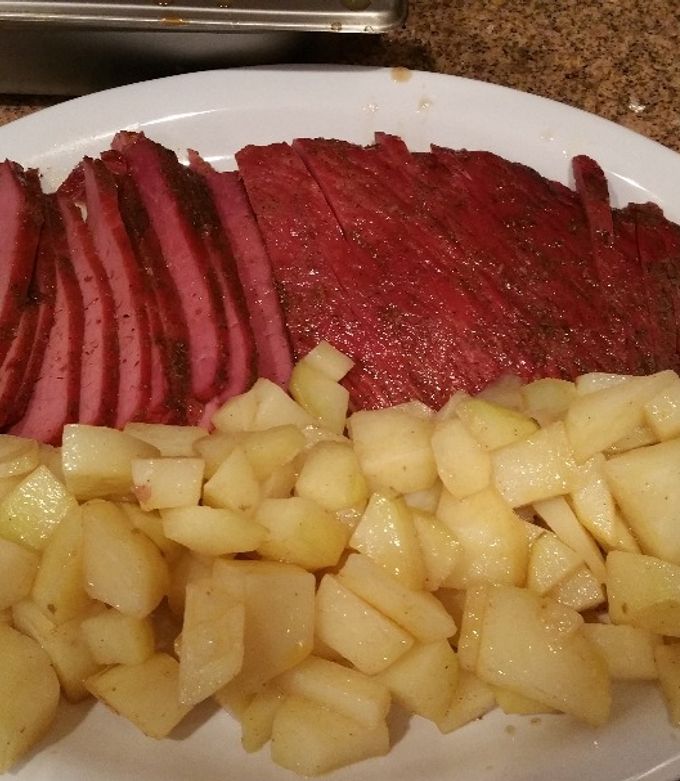
Slice the brisket against the grain. This makes the meat tender and easier to chew. Use a sharp knife to get clean cuts. Aim for slices about ¼ inch thick. Thin slices help the flavors stand out. Cut carefully to keep the meat intact and attractive on the plate.
Side Dishes And Sauces
Classic sides work best with corned beef brisket. Boiled potatoes, cabbage, and carrots are traditional choices. Mashed potatoes add a creamy texture. Roasted vegetables bring a smoky flavor. Horseradish sauce or mustard pairs well with the beef. A tangy mustard sauce brightens the meal. You can also serve it with a simple gravy made from the cooking juices.
Tips For Extra Tenderness
Getting corned beef brisket to melt-in-your-mouth tenderness in a slow cooker can feel like a bit of a culinary puzzle. But a few simple adjustments can make all the difference in texture and flavor. Here are some practical tips that will help you achieve that perfect, tender bite every time.
Resting The Meat
After your brisket has finished cooking, don’t rush to slice it right away. Letting the meat rest for at least 10 to 15 minutes allows the juices to redistribute evenly. This rest time makes the meat juicier and easier to cut.
Try wrapping the brisket loosely in foil while it rests to keep it warm. You’ll notice the difference when the slices hold together better and don’t dry out on your plate. Have you ever cut into a hot roast only to see the juices run out? Resting stops that from happening.
Reheating Leftovers
Reheating corned beef brisket can be tricky if you want to maintain its tenderness. Avoid using a microwave, which can dry out the meat quickly. Instead, gently reheat slices in a covered pan with a little broth or water on low heat.
This slow warming process helps the meat stay moist and soft. You can also reheat leftovers in the oven, wrapped in foil at about 300°F (150°C) for 15 to 20 minutes. How do you usually bring your leftovers back to life without sacrificing taste?
Credit: cookpad.com
Frequently Asked Questions
How Long Does Corned Beef Brisket Take In Slow Cooker?
Corned beef brisket typically takes 8 to 10 hours on low heat in a slow cooker. Cooking slowly ensures tender, flavorful meat that easily shreds. Avoid high heat to prevent toughness.
Should I Rinse Corned Beef Before Slow Cooking?
Yes, rinse corned beef under cold water to remove excess salt and brine. This step reduces saltiness and improves the dish’s overall flavor when slow cooked.
What Vegetables Pair Well With Slow-cooked Corned Beef?
Potatoes, carrots, and cabbage are classic vegetables to cook with corned beef. They absorb flavors and create a balanced, hearty meal when cooked together in the slow cooker.
Can I Freeze Leftover Slow-cooked Corned Beef Brisket?
Yes, freeze leftovers in airtight containers or freezer bags for up to 3 months. Thaw overnight in the refrigerator before reheating for best texture and taste.
Conclusion
Cooking corned beef brisket in a slow cooker saves time and effort. The meat turns tender and full of flavor. Just add simple ingredients and let the slow cooker do the work. This method fits busy schedules well. Serve it with your favorite sides for a tasty meal.
Try this easy recipe and enjoy a hearty dish at home. Slow cooking makes corned beef soft and juicy every time. Give it a go and taste the difference yourself.