Are you ready to master the art of cooking juicy, flavorful chicken thighs on your gas grill? Whether you're grilling for family, friends, or just yourself, knowing the right techniques can make all the difference.
Imagine biting into perfectly charred, tender chicken with every bite. In this guide, you’ll discover simple steps that guarantee mouthwatering results every time. Keep reading, and turn your gas grill into your secret weapon for delicious chicken thighs that everyone will rave about.
Choosing The Right Chicken Thighs
Choosing the right chicken thighs sets the foundation for delicious grilled meals. The type you pick affects flavor, cooking time, and texture. Knowing the differences helps you enjoy juicy, tender results every time.
Bone-in Vs Boneless
Bone-in thighs keep meat moist and add rich flavor. Bones take longer to cook but give a juicy bite. Boneless thighs cook faster and are easier to eat. They work well for quick grilling and recipes needing bite-sized pieces.
Skin-on Vs Skinless
Skin-on thighs create crispy, flavorful crusts on the grill. The skin protects the meat and locks in moisture. Skinless thighs cook faster and absorb marinades well. They are lighter and better for low-fat meals.
Fresh Vs Frozen
Fresh chicken thighs offer better texture and taste. They grill evenly and stay juicy. Frozen thighs are convenient and last longer in storage. Thaw them fully before grilling to cook safely and evenly.

Credit: www.youtube.com
Preparing Chicken Thighs For Grilling
Preparing chicken thighs for grilling is an important step to get juicy and flavorful results. Proper preparation helps the chicken cook evenly and enhances the taste. Start by handling the raw chicken with care and cleaning it well. Next, use marinades or seasonings to boost flavor and tenderness. These simple steps make grilling easier and more enjoyable.
Trimming And Cleaning
Remove excess fat and skin from the chicken thighs. Trim off any leftover feathers or small bones. Rinse the thighs under cold water and pat dry with paper towels. Dry chicken helps the seasoning stick better and prevents flare-ups on the grill.
Marinating Tips
Marinate chicken thighs to add flavor and moisture. Use a mix of oil, acid (like lemon juice or vinegar), and spices. Let the chicken soak for at least 30 minutes or up to 4 hours in the fridge. Avoid marinating too long to keep the texture firm. Turn the thighs occasionally to coat evenly.
Seasoning Options
Choose simple or bold seasoning blends for grilled chicken thighs. Try salt, pepper, garlic powder, and paprika for a classic taste. For more flavor, add herbs like thyme or rosemary. Use dry rubs or sprinkle seasoning just before grilling. Seasoning enhances the natural taste without overpowering it.
Setting Up Your Gas Grill
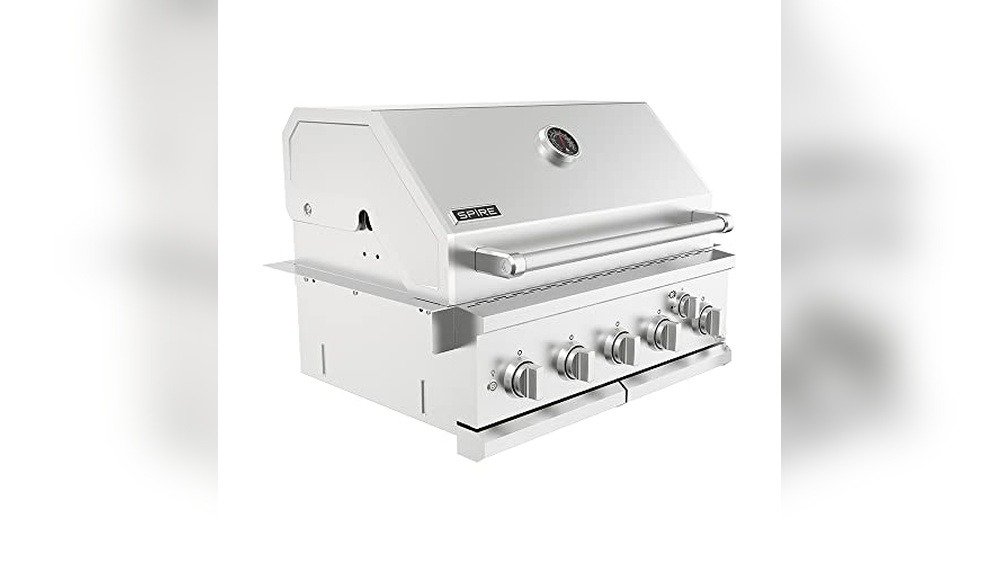
Setting up your gas grill correctly is key to cooking juicy, flavorful chicken thighs. A well-prepared grill ensures even cooking and great taste. Start with a clean grill and arrange the burners for the right heat levels. This setup helps control cooking speed and prevents burning.
Preheating The Grill
Turn on your gas grill and set all burners to high. Close the lid and let it heat for 10 to 15 minutes. Preheating creates a hot surface that sears the chicken quickly. It also helps avoid sticking and promotes grill marks.
Creating Heat Zones
Turn off one or two burners to create cooler zones on your grill. This allows you to move chicken thighs between hot and cooler areas. Use the hot zone for searing and the cooler zone for gentle cooking. This method keeps the chicken juicy and avoids burning.
Cleaning The Grates
Use a grill brush to clean the grates before cooking. Remove any leftover food or grease from previous grilling sessions. Clean grates prevent sticking and give clear grill marks. Wipe the grates with a paper towel dipped in oil to further reduce sticking.

Credit: garnishedplate.com
Grilling Techniques For Juicy Thighs
Grilling chicken thighs on a gas grill requires specific techniques to keep the meat juicy and flavorful. The right heat control and cooking style make a big difference. Understanding how to use direct and indirect heat, managing flare-ups, and setting the grill temperature properly will improve your results. Follow these tips to enjoy tender, juicy chicken thighs every time.
Direct Vs Indirect Heat
Direct heat cooks chicken quickly by placing it right over the flame. This method gives a nice char and crispy skin. However, it can dry out the meat if left too long. Indirect heat cooks chicken more slowly by placing it away from the flame. This keeps the meat juicy and tender. Start with direct heat to sear the skin, then move to indirect heat to finish cooking.
Managing Flare-ups
Flare-ups happen when fat drips onto the flames. These flames can burn the chicken's skin and make it bitter. Keep a spray bottle of water nearby to control small flare-ups. Move chicken to cooler parts of the grill during big flare-ups. Trim excess fat before grilling to reduce flare-ups. Watch the grill closely to avoid burning.
Optimal Grill Temperature
Set the grill temperature between 350°F and 400°F (175°C to 205°C). This range cooks chicken evenly without drying it out. Use a grill thermometer to check the heat. High temperatures can burn the skin before the inside cooks. Low heat may leave the chicken undercooked. Aim for steady heat for juicy, well-cooked thighs.
Cooking Times And Doneness
Grilling chicken thighs on a gas grill requires precision. Cook them for 6-7 minutes per side at medium heat. Ensure internal temperature reaches 165°F for perfect doneness.
Cooking chicken thighs on a gas grill requires precision. Getting the timing and doneness right ensures juicy and flavorful meat. Follow these guidelines for perfectly grilled chicken thighs.
Internal Temperature Guide
Chicken thighs need to reach the right internal temperature. This ensures they are safe to eat. The recommended temperature is 165°F (74°C). This temperature ensures the chicken is cooked through while remaining juicy.
Using A Meat Thermometer
A meat thermometer is essential for grilling chicken. Insert it into the thickest part of the thigh. Make sure it does not touch the bone. This gives an accurate temperature reading. Check the temperature a few minutes before the end of cooking. This helps prevent overcooking.
Resting The Meat
After cooking, let the chicken thighs rest. Resting for 5 to 10 minutes helps juices redistribute. This resting time enhances flavor and tenderness. Cover the thighs with foil while resting to keep them warm. Enjoy your perfectly cooked chicken thighs!
Serving And Pairing Ideas
After grilling your chicken thighs to juicy perfection, the way you serve and pair them can elevate your meal from good to unforgettable. Thoughtful combinations of sauces, sides, and presentation not only enhance flavor but also create a balanced dining experience. What flavors and textures will you bring together to make your grilled chicken shine?
Sauces And Glazes
Adding a sauce or glaze can boost the flavor profile of your grilled chicken thighs dramatically. Consider a tangy barbecue sauce for a smoky punch or a honey mustard glaze for a sweet and zesty twist.
If you prefer something lighter, a fresh chimichurri or a lemon herb sauce adds brightness without overpowering the chicken’s natural taste. Don’t be afraid to experiment with spicy sriracha mayo or a creamy garlic aioli to add a bold contrast.
Side Dish Suggestions
Choose sides that complement both the texture and flavor of your chicken thighs. Grilled vegetables like asparagus or bell peppers add a smoky crunch that matches the chicken’s char.
- Simple green salads with a citrus vinaigrette keep the meal fresh and light.
- Roasted potatoes or a creamy coleslaw provide comforting, hearty options.
- For a more exotic touch, try coconut rice or a black bean salad to bring in new flavors.
What side dishes do you usually reach for when grilling? Trying something different can unlock new favorite combinations.
Presentation Tips
The way you plate your chicken thighs can make your meal feel more special and inviting. Slice the thighs into bite-sized pieces and arrange them neatly on a platter for easy sharing.
Garnish with fresh herbs like parsley or cilantro to add a pop of color and freshness. Serving with lemon wedges not only looks appealing but also allows guests to add a fresh zing to their plate.
Think about texture contrast on your plate—adding crunchy elements like toasted nuts or crispy onions can surprise the palate and keep each bite interesting.
Troubleshooting Common Issues
Grilling chicken thighs on a gas grill is simple, but problems can happen. Knowing how to fix common issues helps keep your meal tasty and safe. This section covers solutions for dry meat, undercooked pieces, and burnt skin.
Dry Or Overcooked Thighs
Dry chicken thighs lose their juicy flavor quickly. Avoid cooking at very high heat for a long time. Use medium heat and watch the cooking time closely. Baste the thighs with marinade or oil to keep moisture. Let the meat rest after grilling to keep juices inside.
Undercooked Meat
Undercooked chicken is unsafe and unpleasant. Check the internal temperature with a meat thermometer. The safe temperature is 165°F (74°C). Cook the thighs longer if needed, using indirect heat to avoid burning. Close the grill lid to keep even heat while cooking through.
Burnt Skin Problems
Burnt skin tastes bitter and ruins the texture. Avoid placing thighs too close to direct flames. Use a two-zone setup: one side hot, one cooler. Start skin side down on the cooler side to crisp gently. Flip often to prevent burning and promote even cooking.

Credit: www.gritsandpinecones.com
Frequently Asked Questions
How Long To Grill Chicken Thighs On Gas Grill?
Grill chicken thighs for 6-8 minutes per side over medium heat. Ensure internal temperature reaches 165°F for safety. Use a meat thermometer to check doneness accurately. Avoid overcooking to keep meat juicy and tender.
Should Chicken Thighs Be Marinated Before Grilling?
Marinating chicken thighs enhances flavor and tenderness. Use a marinade with acid, oil, and spices. Marinate for at least 30 minutes or up to 8 hours. This helps keep the meat juicy and adds a delicious taste.
What Temperature Is Best For Grilling Chicken Thighs?
Set your gas grill to medium heat, around 350°F to 400°F. This temperature cooks chicken thighs evenly without burning the skin. Use indirect heat if flare-ups occur, ensuring thorough cooking and a crispy exterior.
How To Prevent Chicken Thighs From Sticking To The Grill?
Preheat the grill and oil the grates before cooking. Pat chicken thighs dry and lightly oil the skin. Avoid moving the thighs too early to form a natural crust. This prevents sticking and creates perfect grill marks.
Conclusion
Grilling chicken thighs on a gas grill is simple and rewarding. Start with clean, hot grates to prevent sticking. Use medium heat for even cooking and juicy meat. Turn the thighs often to avoid burning. Check the internal temperature to ensure safety.
Let the meat rest before serving for best taste. Enjoy your delicious, smoky chicken with family or friends. Practice makes perfect—each time, you will get better. Give it a try and enjoy the flavors!