Grilling chicken legs on a gas grill can be simple and delicious when you know the right steps. You want juicy, flavorful meat with crispy skin every time.
But sometimes, it’s tricky to get the temperature just right or avoid dry, overcooked chicken. In this guide, you’ll discover easy tips and tricks that make grilling chicken legs a breeze. By the end, you’ll feel confident to fire up your grill and impress everyone with perfectly cooked chicken.
Ready to become the grill master in your backyard? Let’s get started!
Credit: thissillygirlskitchen.com
Choosing The Right Chicken Legs
Choosing the right chicken legs is important for great grilling results. The quality and type of chicken can change the flavor and cooking time. Knowing the differences helps you pick the best pieces for your gas grill.
Fresh Vs Frozen
Fresh chicken legs have a better texture and taste. They cook more evenly and stay juicy. Frozen chicken legs are easy to store but need proper thawing. Thaw frozen legs in the fridge for 24 hours before grilling. Avoid cooking frozen chicken directly on the grill. It may cook unevenly and dry out.
Size And Quality Tips
Choose chicken legs that look plump and have smooth skin. Avoid pieces with bruises or dark spots. Smaller legs cook faster but can dry out quickly. Larger legs take longer but stay juicy inside. Look for legs with firm flesh and a fresh smell. Organic or free-range chicken often has better flavor and texture.

Credit: www.averiecooks.com
Preparing The Chicken Legs
Preparing chicken legs properly sets the foundation for a flavorful and juicy result on your gas grill. Taking time to clean, trim, and season your chicken can make a noticeable difference in taste and texture. Let’s dive into simple steps that ensure your chicken legs are ready to shine over the flames.
Cleaning And Trimming
Start by rinsing the chicken legs under cold water to remove any residue or packaging juices. Pat them dry with paper towels to help the skin crisp up better during grilling. Trim off any excess fat or loose skin that might cause flare-ups or uneven cooking.
Have you ever noticed uneven cooking on your grill? Removing extra fat helps prevent sudden flames and ensures your chicken cooks evenly. Don’t skip this step—it’s quick but crucial.
Marinades And Rubs
Marinating your chicken legs can add moisture and infuse deep flavors. You can use simple ingredients like olive oil, lemon juice, garlic, and herbs for a fresh taste. Alternatively, dry rubs with spices like paprika, cumin, and brown sugar create a delicious crust.
I once marinated chicken legs overnight in a mix of soy sauce, honey, and ginger. The result was tender meat with a slightly sweet glaze that my guests loved. Experiment with different combinations to find your favorite flavor profile.
Seasoning Ideas
- Classic BBQ:Paprika, garlic powder, onion powder, salt, pepper, and a touch of cayenne for heat.
- Herb Blend:Rosemary, thyme, oregano, lemon zest, and sea salt for a Mediterranean vibe.
- Spicy Kick:Chili powder, cumin, smoked paprika, and a sprinkle of brown sugar to balance heat and sweetness.
Think about what flavors excite your taste buds. Are you in the mood for smoky, spicy, or herbaceous? Your seasoning choice will guide your grilling adventure.
Setting Up The Gas Grill
Setting up the gas grill properly is key to cooking juicy, flavorful chicken legs. A well-prepped grill helps cook the meat evenly and prevents burning. Taking time to arrange the heat zones and control temperature makes the grilling process smooth and enjoyable.
Preheating Techniques
Start by turning on the gas grill and opening the lid. Preheat the grill for 10 to 15 minutes. This ensures the grates get hot enough to sear the chicken skin. Keep the lid closed during preheating to trap heat inside. A properly preheated grill reduces sticking and promotes even cooking.
Direct Vs Indirect Heat
Set up two heat zones on the grill: direct and indirect. Direct heat means placing the chicken directly over the flame. This cooks food fast and creates a crispy skin. Indirect heat means placing chicken away from the flame. It cooks the chicken slowly and prevents burning. Use direct heat to sear chicken legs, then move to indirect heat to finish cooking through.
Adjusting Grill Temperature
Control the grill temperature by adjusting the burner knobs. Aim for medium heat, about 350°F (175°C), for chicken legs. Too high heat burns the outside before the inside cooks. Too low heat makes the chicken dry and tough. Use a grill thermometer to check the temperature. Adjust burners as needed to keep a steady heat level.
Grilling Process
Grilling chicken legs on a gas grill is a delightful experience. The process involves several key steps to ensure juicy, flavorful results. This section will guide you through the grilling process with helpful tips.
Placing Chicken On The Grill
Start by preheating your grill to medium heat. Ensure the grates are clean and lightly oiled. This prevents sticking. Place the chicken legs on the grill. Arrange them in a single layer. Leave enough space between each piece for even cooking. Close the lid to retain heat.
Flipping And Turning Tips
Flip the chicken every 5-7 minutes. This ensures even cooking and prevents burning. Use tongs for easy handling. Avoid piercing the meat to retain juices. Monitor the grill temperature. Keep it steady for consistent results.
Avoiding Flare-ups
Flare-ups can char your chicken. Trim excess fat to reduce flare-ups. Keep a spray bottle of water handy. Use it to control small flames. Move chicken pieces away from direct flames if needed. Close the lid to minimize oxygen and keep flare-ups under control.
Checking For Doneness
Checking for doneness is key to perfectly grilled chicken legs. Undercooked chicken can be unsafe. Overcooked chicken becomes dry and tough. Knowing when your chicken legs are ready ensures juicy, flavorful results every time.
Using A Meat Thermometer
A meat thermometer is the most accurate way to check doneness. Insert it into the thickest part of the chicken leg, avoiding the bone. The safe internal temperature for chicken is 165°F (75°C). Once the thermometer reads this, the chicken is fully cooked and safe to eat.
Digital thermometers give quick and precise readings. Leave the probe in the meat for a few seconds. If the temperature is below 165°F, continue grilling and check again soon.
Visual And Texture Cues
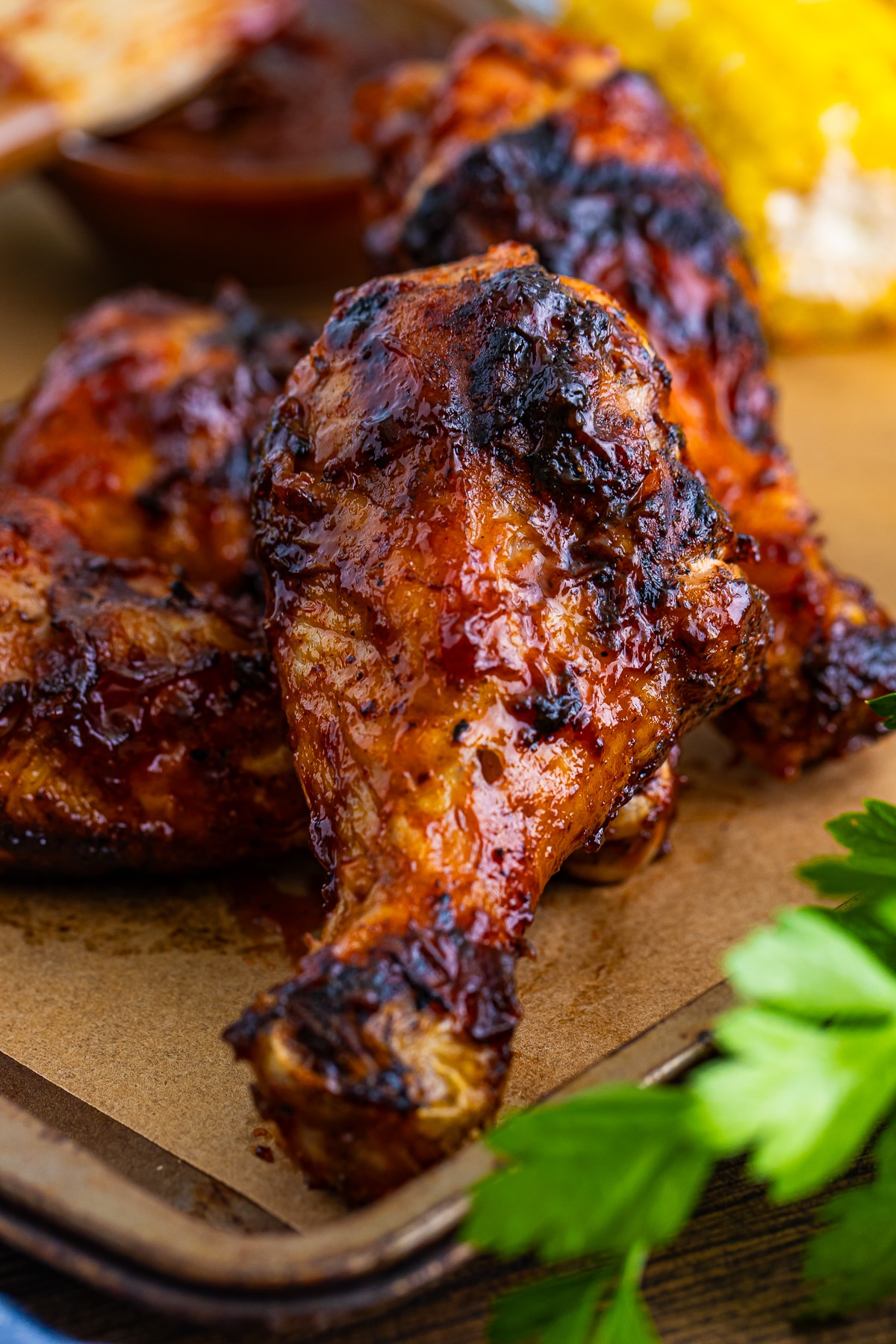
Visual signs help judge doneness without tools. The skin should be golden brown and crispy. The juices running from the meat should be clear, not pink or red.
Press the chicken leg gently. Cooked chicken feels firm but still slightly springy. If it feels very soft or jelly-like, it needs more time on the grill.
Cut into the thickest part of the leg. The meat should be white or light brown inside. Pink or translucent meat means it needs more cooking.
Resting And Serving
Resting and serving chicken legs after grilling is key to a tasty meal. This step allows juices to settle inside the meat. It makes the chicken juicy and tender. Serving the chicken properly enhances the eating experience. Pairing with the right sides completes the dish.
Resting Time Importance
Let chicken legs rest for 5 to 10 minutes. This keeps the juices inside the meat. Cutting too soon causes the juices to run out. Resting helps the chicken stay moist and flavorful. Cover the chicken lightly with foil to keep warm.
Serving Suggestions
Serve chicken legs hot with a sprinkle of fresh herbs. Add a squeeze of lemon for a fresh touch. Offer dipping sauces like barbecue or garlic mayo. Arrange on a platter for easy sharing. Use colorful plates to make the meal inviting.
Side Dish Pairings
- Grilled vegetables such as bell peppers, zucchini, and corn
- Classic coleslaw for a crunchy, creamy contrast
- Steamed rice or flavored quinoa for a filling base
- Fresh garden salad with a light vinaigrette
- Garlic bread or soft dinner rolls to soak juices
Troubleshooting Common Issues
Grilling chicken legs on a gas grill can sometimes lead to common problems. Knowing how to fix these issues helps you enjoy juicy and tasty chicken every time. This section covers the most frequent troubles and easy solutions.
Dry Or Overcooked Meat
Dry chicken legs happen when cooked too long or at too high heat. To avoid this, cook chicken over medium heat and check often. Use a meat thermometer to ensure the internal temperature reaches 165°F (74°C).
Rest the chicken for a few minutes after grilling. This keeps the juices inside, making the meat tender and moist.
Undercooked Chicken
Undercooked chicken is unsafe and tastes bad. It occurs when the grill heat is too low or cooking time is too short. Increase the grill temperature slightly and cook longer.
Check inside the thickest part of the leg with a thermometer. The meat must be white with no pink and the juices clear.
Uneven Cooking
Uneven cooking causes some parts to burn while others stay raw. This happens when the grill heat is uneven or chicken pieces vary in size.
Arrange legs with similar sizes together. Turn them regularly for even heat exposure. Use indirect heat by moving chicken away from direct flames to cook evenly without burning.

Credit: cooking.nytimes.com
Tips For Juicy And Flavorful Results
Achieving juicy and flavorful chicken legs on a gas grill requires more than just turning on the heat. Small adjustments and thoughtful techniques can make a big difference in taste and texture. Let’s dive into some practical tips that will help you impress your guests and enjoy every bite of your grilled chicken.
Basting Techniques
Basting adds moisture and layers of flavor to your chicken legs. Use a brush or spoon to apply a marinade or sauce every 10-15 minutes while grilling. This keeps the meat tender and helps build a delicious glaze on the skin.
Try mixing oil, herbs, and a bit of citrus juice for a simple, fresh basting sauce. Avoid sugary sauces too early, as they can burn quickly. Save those for the last few minutes to achieve a perfect caramelized finish.
Using Wood Chips Or Smoke
Adding smoke enhances the flavor profile of grilled chicken legs. Soak wood chips like hickory or applewood in water for 30 minutes, then place them in a smoker box or wrap them in foil with holes poked on top. Set this directly on the grill’s burners to create aromatic smoke.
Have you noticed how a subtle smoky taste turns ordinary grilled chicken into something special? Experiment with different wood types to find your favorite combination. Just remember, too much smoke can overpower the natural chicken flavor, so use it sparingly.
Optimal Cooking Times
Cooking chicken legs too fast dries them out, while undercooking poses health risks. Maintain medium heat around 350°F (175°C) for even cooking. Grill the legs for about 30-35 minutes, turning every 5-7 minutes to avoid burning and ensure thorough cooking.
Use a meat thermometer to check for an internal temperature of 165°F (74°C). Do you own a digital thermometer? It’s the easiest way to avoid guessing and guarantees juicy results every time. Rest the chicken for a few minutes after grilling to let juices redistribute.
Frequently Asked Questions
How Long To Grill Chicken Legs On Gas Grill?
Grill chicken legs for 30-35 minutes over medium heat. Turn every 5-7 minutes for even cooking. Ensure internal temperature reaches 165°F for safety.
What Temperature Is Best For Grilling Chicken Legs?
Set your gas grill to medium heat, around 350°F to 375°F. This temperature cooks legs evenly without burning the skin or drying the meat.
Should Chicken Legs Be Marinated Before Grilling?
Marinating chicken legs enhances flavor and tenderness. Use marinades for 30 minutes to 4 hours. Avoid over-marinating to prevent mushy texture.
How To Prevent Chicken Legs From Sticking To Grill?
Preheat the grill and clean grates thoroughly. Oil the grill grates or brush chicken legs with oil before cooking. This prevents sticking and tearing.
Conclusion
Grilling chicken legs on a gas grill is simple and fun. Start with clean, hot grates for best results. Use a good marinade or seasoning for tasty flavor. Cook the legs evenly, turning often to avoid burning. Check the internal temperature to ensure they are fully cooked.
Let the chicken rest a few minutes before serving. Enjoy juicy, flavorful chicken with your family and friends. Keep practicing to improve your grilling skills every time. Grilled chicken legs make a great meal for any day.