Grilling chicken legs on a charcoal grill is a skill you’ll want to master. Imagine juicy, smoky chicken with crispy skin that melts in your mouth.
You might think it’s tricky, but with the right steps, you can cook perfect chicken legs every time. In this guide, you’ll discover simple tips and secrets that make your chicken legs flavorful and tender. Ready to impress your friends and family at your next barbecue?
Keep reading, and you’ll learn exactly how to get it done right.
Choosing The Right Chicken Legs
Choosing the right chicken legs is the first step to great grilling. The quality and type of chicken you pick affect taste and cooking time. Understanding what to buy helps you prepare better and enjoy juicy, flavorful meat.
Freshness and variety matter. Different types of chicken legs offer various textures and flavors. Also, knowing the benefits of fresh versus frozen options guides smart buying decisions.
Types Of Chicken Legs
Chicken legs come in several types. Whole legs include both the thigh and drumstick. Drumsticks are the lower part only, with a thick, meaty texture. Thighs have more fat and stay juicy longer. Skin-on legs crisp nicely on the grill. Skinless ones cook faster and absorb marinades well. Select the type that fits your taste and recipe.
Fresh Vs Frozen Options
Fresh chicken legs taste better and cook evenly. They have a firmer texture and natural moisture. Frozen legs are convenient and last longer. They may lose some juice after thawing, but still work well. Always thaw frozen chicken safely before grilling. Check packaging dates for freshness. Choose fresh for best flavor, frozen for easy storage.

Credit: www.youtube.com
Prepping Chicken For The Grill
Getting your chicken legs ready for the charcoal grill is key to a juicy and flavorful meal. Proper prep helps the meat cook evenly and soak up all the flavors you want to deliver. Let’s break down the essential steps to make sure your chicken legs shine on the grill.
Cleaning And Trimming
Start by rinsing the chicken legs under cold water to remove any residue. Pat them dry with paper towels—moisture on the skin can cause flare-ups on the grill. Trim off excess fat and any loose skin to prevent burning and to help the seasoning stick better.
Have you noticed how trimming changes the way your chicken cooks? Less fat means fewer flare-ups, which lets you control the heat more easily and avoid charred spots.
Marinating Tips
Marinating adds moisture and infuses flavor deep into the meat. Use a mix of oil, acid (like lemon juice or vinegar), and seasonings. Let the chicken legs sit in the marinade for at least 30 minutes, or up to 4 hours for a bolder taste.
Don’t overcrowd your marinade container. Each piece should be fully coated to get even flavor. Ever tried marinating overnight? It can make your chicken incredibly tender and tasty, but even short marinating works wonders.
Dry Rubs And Seasonings
If you prefer a dry rub, combine spices like paprika, garlic powder, salt, pepper, and a bit of brown sugar for caramelization. Rub the mixture all over the chicken legs, pressing it into the skin. This creates a flavorful crust once grilled.
Try mixing your own blend to match your taste. Have you experimented with adding cumin or chili powder? Small changes can turn your chicken from ordinary to unforgettable.
Setting Up Your Charcoal Grill
Setting up your charcoal grill properly is key to cooking juicy chicken legs. It affects the flavor and how evenly the chicken cooks. A well-prepared grill gives you control over the heat and cooking time. Follow these tips to get your grill ready and make your chicken legs delicious.
Charcoal Types And Lighting
Choose between briquettes or lump charcoal. Briquettes burn longer and steady. Lump charcoal lights faster and burns hotter. Use a chimney starter for easy lighting. Avoid lighter fluid to keep taste pure. Let the charcoal ash over before cooking.
Creating Heat Zones
Arrange charcoal for two heat zones. Place most coals on one side for direct heat. Leave the other side with fewer coals for indirect heat. This setup lets you sear chicken on high heat. Then move it to the cooler side to cook through without burning.
Maintaining Grill Temperature
Keep the grill temperature between 300°F and 350°F for chicken legs. Adjust vents to control airflow and heat. Open vents increase temperature; close them to lower heat. Check temperature often with a grill thermometer. Add more charcoal if heat drops during cooking.

Credit: www.youtube.com
Grilling Techniques For Juicy Legs
Grilling chicken legs to juicy perfection requires more than just placing them on the grill. Mastering the right techniques can make a huge difference in flavor and texture. Let’s look at key tips that help keep your chicken legs tender and full of smoky goodness every time you fire up the charcoal.
Direct Vs Indirect Heat
Deciding between direct and indirect heat is crucial. Direct heat cooks chicken quickly and gives a nice char, but it can dry out the meat if you’re not careful. Indirect heat lets the legs cook slower, locking in juices while still absorbing that smoky flavor.
Try starting your chicken legs on direct heat for 3–4 minutes per side to get grill marks, then move them to indirect heat to finish cooking through. This balance helps you avoid burnt skin and undercooked centers.
Using A Grill Basket Or Foil
Ever struggled with chicken legs sticking to the grill grates? A grill basket or foil can save you from that frustration. They create a barrier that prevents sticking and make flipping easier, especially when the skin is delicate.
Wrapping the legs loosely in foil also traps moisture, acting like a mini steam cooker right on the grill. If you want crispy skin, remove the foil during the last few minutes of grilling to let the legs brown nicely.
Turning And Basting
How often should you turn your chicken legs? Too much flipping interrupts the cooking process and cools down the grill surface. Aim to turn them once or twice to keep even heat exposure without losing temperature.
Basting adds flavor and moisture, but it’s best done with a light hand. Use a brush or spoon to apply your marinade or sauce every 10 minutes. This keeps the legs juicy and adds layers of taste without burning the sugars in the sauce.
Cooking Time And Temperature
Chicken legs cook best over medium heat on a charcoal grill. Aim for about 30-40 minutes, turning often for even cooking. Ensure the internal temperature reaches 165°F to keep the meat safe and juicy.
Cooking chicken legs on a charcoal grill can be a delicious culinary adventure. The key to achieving perfectly grilled chicken is understanding the right cooking time and temperature. These factors ensure your chicken is juicy, flavorful, and cooked to perfection.
Ideal Internal Temperature
The golden rule for grilling chicken legs is reaching an internal temperature of 165°F (74°C). This ensures the meat is safe to eat and retains its juices. Use a meat thermometer to check the thickest part of the leg, avoiding the bone for an accurate reading. Have you ever bitten into a chicken leg only to find it undercooked? A thermometer saves you from this disappointment, ensuring your meal is both safe and satisfying.
Estimating Cooking Duration
On a charcoal grill, chicken legs typically take about 30 to 40 minutes to cook. Begin by setting up a two-zone fire: one side with hot coals for searing and another cooler side for indirect cooking. Grill the legs over direct heat first, about 3 to 4 minutes on each side, to get that enticing crispy skin. Move them to indirect heat and cover the grill, allowing them to cook thoroughly without burning. Do you find it challenging to manage heat on a charcoal grill? Practice makes perfect, and using this two-zone technique gives you control over the cooking process. Incorporate these tips into your next grilling session, and savor the satisfaction of perfectly cooked chicken legs. The right temperature and timing transform your grilling experience from good to great.
Enhancing Flavor On The Grill
Getting the most flavor out of chicken legs on a charcoal grill is all about layering tastes and textures. You want that perfect balance of smoky aroma, savory glaze, and juicy tenderness. Enhancing flavor means paying attention to every detail, from the wood chips you choose to the moment you let the meat rest.
Smoking With Wood Chips
Adding wood chips to your charcoal grill introduces a rich smoky flavor that transforms simple chicken legs into something special. Try soaking wood chips like hickory, apple, or cherry in water for about 30 minutes before placing them on the coals. This creates a slow, steady smoke that infuses the chicken without burning it.
Have you experimented with different types of wood chips? Each variety brings a unique taste—apple wood gives a slightly sweet note, while hickory offers a stronger, bacon-like smoke. Use a foil packet with holes or a smoker box to control the smoke release, ensuring your chicken legs absorb just the right amount.
Adding Glazes And Sauces
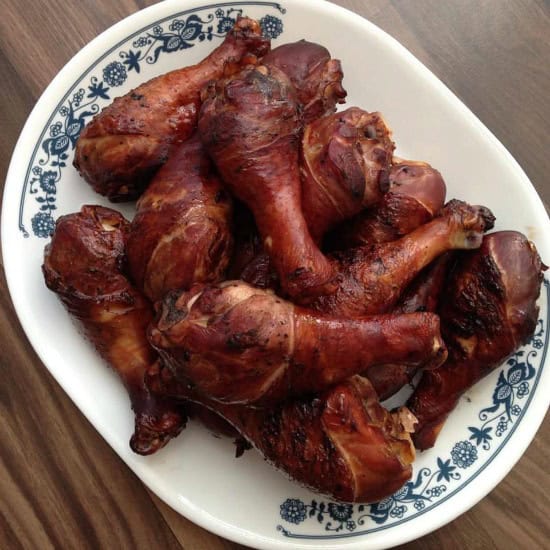
Applying glazes or sauces during grilling adds a delicious caramelized crust that boosts flavor and texture. Brush your chicken legs with a barbecue sauce or honey mustard glaze in the last 10 minutes of cooking to avoid burning the sugars. This step not only enhances taste but also creates a beautiful shiny finish.
Think about your favorite flavors—do you prefer spicy, sweet, or tangy? You can mix sauces with fresh herbs or a splash of citrus juice to brighten the taste. Keep a spray bottle of water nearby to manage flare-ups caused by sugary sauces, so your chicken cooks evenly.
Resting For Maximum Juiciness
After grilling, don’t rush to serve your chicken legs. Resting them for at least 5 to 10 minutes lets the juices redistribute, making every bite moist and tender. Cover the chicken loosely with foil during this time to keep it warm without steaming the skin.
Have you noticed how rested meat tastes different? Skipping this step often leads to dry chicken because the juices run out when you cut too soon. Letting your chicken legs rest is a simple trick that guarantees a juicy result every time.
Serving Suggestions
Serving chicken legs straight from the charcoal grill is a true delight. The smoky flavor pairs best with simple sides and fresh presentation. Thoughtful serving ideas enhance the meal and impress guests.
Side Dishes That Pair Well
- Grilled corn on the cob with butter and herbs
- Fresh garden salad with light vinaigrette
- Coleslaw for a cool, crunchy contrast
- Roasted potatoes seasoned with garlic and rosemary
- Steamed green beans or asparagus for a healthy touch
- Rice pilaf with herbs and lemon zest
These sides balance the rich flavor of grilled chicken legs. They add texture and freshness to every bite.
Presentation Tips
- Serve chicken legs on a large wooden board or platter
- Garnish with fresh parsley or cilantro for color
- Add lemon wedges on the side for brightness
- Arrange sides in small bowls or ramekins
- Use colorful plates to make the meal pop visually
- Keep napkins and utensils handy for easy eating
Good presentation invites guests to dig in with excitement. Simple touches make the meal feel special and inviting.
Common Mistakes To Avoid
Avoid cooking chicken legs over very high heat, which can burn the outside while leaving the inside raw. Skipping proper seasoning or not letting the grill heat evenly also affects flavor and cooking quality. Always check the meat’s internal temperature for safety.
Grilling chicken legs on a charcoal grill can be tricky. Many people make common mistakes that affect flavor and texture. Knowing these errors can help you grill better chicken legs.
Overcooking Risks
Overcooking makes chicken tough and chewy. Use a meat thermometer to check doneness. Aim for an internal temperature of 165°F (74°C). Too much heat cooks the outside too fast. This leaves the inside undercooked. Keep an eye on the grill temperature. Adjust as needed.
Avoiding Flare-ups
Flare-ups happen when fat drips onto the coals. They cause uneven cooking and burnt spots. Trim excess fat from chicken legs. Use a drip pan to catch drippings. Keep a spray bottle of water handy to control flames. Always grill with the lid down to reduce oxygen.
Preventing Dryness
Dry chicken lacks flavor and appeal. Marinate chicken legs before grilling. This adds moisture and taste. Baste with marinade or sauce during cooking. Don't grill too long or at high heat. Let the chicken rest after cooking to retain juices.
Credit: gluesticksblog.com
Frequently Asked Questions
How Long To Grill Chicken Legs On Charcoal?
Grill chicken legs for 30-35 minutes on medium heat. Turn them every 5-7 minutes to cook evenly. Use a meat thermometer to check for 165°F internal temperature for safe consumption.
Should I Marinate Chicken Legs Before Grilling?
Yes, marinate chicken legs for at least 1 hour. This enhances flavor and keeps the meat juicy. Use a mix of oil, acid, and spices for best results.
How To Prevent Chicken Legs From Sticking To The Grill?
Preheat the grill and oil the grates before cooking. Also, brush chicken legs with oil to create a non-stick surface. Avoid flipping too frequently to prevent tearing.
What Charcoal Type Is Best For Grilling Chicken Legs?
Use natural lump charcoal for better heat control and smoky flavor. Avoid briquettes with additives that can affect taste. Lump charcoal burns hotter and cleaner.
Conclusion
Grilling chicken legs on charcoal gives a tasty, smoky flavor. Keep the fire steady and watch the heat closely. Turn the legs often for even cooking. Use a meat thermometer to check doneness. Rest the chicken for a few minutes before serving.
Enjoy juicy, flavorful chicken with family and friends. Try this simple method for your next barbecue. It’s easy and fun to cook chicken legs outdoors. Cooking over charcoal adds a special touch to your meal. Give it a try and taste the difference.