If you want to impress your family and friends with a delicious, smoky salmon, cooking cedar plank salmon on your gas grill is the way to go. You might think this sounds complicated, but it’s easier than you expect.
Imagine biting into perfectly tender fish infused with a subtle woodsy flavor that only a cedar plank can give. In this guide, you’ll learn simple steps to master this cooking method and elevate your grilling skills. Ready to make your next meal unforgettable?
Keep reading to discover how you can turn your gas grill into a gourmet kitchen.
Choosing The Right Cedar Plank
Choosing the right cedar plank is key for cooking delicious salmon on a gas grill. The plank adds flavor and keeps the fish moist. Not all cedar planks are the same. Picking the best wood and preparing it correctly makes a big difference in taste and safety.
Types Of Cedar Wood
Cedar planks come in different types. Western Red Cedar is the most popular choice. It has a strong aroma that enhances the salmon’s flavor. Aromatic Cedar is another option. It gives a slightly sweeter taste. Avoid planks treated with chemicals. Only use food-safe, untreated cedar wood. This prevents harmful substances from touching your food.
Preparing The Plank For Grilling
Preparation starts by soaking the cedar plank in water. Soak it for at least one hour. This prevents the wood from burning on the grill. Some people add flavors to the soaking water, like lemon juice or herbs. After soaking, dry the plank slightly. Place the salmon directly on the wet plank. This helps create steam, cooking the fish gently and adding smoky flavor.
Selecting Fresh Salmon
Choosing fresh salmon is the foundation of a delicious cedar plank salmon on your gas grill. The right fish not only enhances flavor but also ensures a safe and enjoyable meal. Understanding what to look for can make your grilling experience more rewarding.
Best Cuts For Grilling
Opt for salmon cuts that hold well on a cedar plank without falling apart. Fillets with the skin on are ideal because the skin acts as a natural barrier, keeping the flesh intact and moist. Thick, center-cut fillets work best since they cook evenly and give you that perfect flaky texture.
Steaks are another great option, especially if you want a more rustic presentation. Just make sure the pieces are at least an inch thick to avoid overcooking. If you’ve ever tried grilling thin slices, you know how quickly they can dry out—choose thicker cuts to avoid this common pitfall.
Checking Freshness And Quality
Fresh salmon should smell clean and slightly briny, like the ocean, not fishy or sour. Your nose is a powerful tool here—don’t ignore it. When you look at the flesh, it should be firm and moist, not slimy or dull.
Check the color carefully; vibrant pink to orange hues are a good sign. If the flesh looks faded or has brown spots, it’s better to pass. Press the flesh gently—it should spring back quickly, indicating freshness. If it leaves an indentation, the salmon is likely past its prime.
Prepping The Salmon
Prepping the salmon is key to making delicious cedar plank salmon on a gas grill. Proper preparation enhances flavor and keeps the fish moist during cooking. Taking time to season and decide on the skin will improve the final result.
Marinades And Seasonings
Marinades add moisture and flavor to the salmon. Use simple ingredients like lemon juice, olive oil, garlic, and herbs. Let the salmon sit in the marinade for 15 to 30 minutes. Avoid marinating too long to keep the fish texture firm.
Seasoning with salt and pepper is essential. Add fresh dill, parsley, or smoked paprika for extra taste. Use spices sparingly to not overpower the natural flavor of the fish.
Skin On Or Off?
Leaving the skin on helps keep the salmon together on the cedar plank. It also protects the flesh from direct heat and adds flavor. The skin crisps up nicely on the grill.
Removing the skin can make the salmon easier to eat for some people. It also allows seasonings to penetrate the flesh better. If skinless, handle the fish gently to avoid breaking it.
Setting Up The Gas Grill
Setting up the gas grill correctly is key to cooking perfect cedar plank salmon. Proper grill setup ensures even heat and great flavor. Preparing the grill involves controlling temperature and choosing the right heat method. These steps protect the cedar plank from burning and cook salmon evenly.
Temperature Control
Start by preheating the gas grill to medium heat, about 350°F (175°C). Use the grill’s built-in thermometer or a separate grill thermometer. Avoid very high heat; it can burn the cedar plank quickly. Medium heat helps the salmon cook slowly and absorb smoky flavor from the wood. Adjust burners to maintain steady heat throughout cooking.
Indirect Vs Direct Heat
Cooking cedar plank salmon works best with indirect heat. Turn on one side of the grill burners and place the cedar plank on the unlit side. This method cooks the fish gently without charring the wood. Direct heat puts the plank too close to flames and can cause flare-ups. Indirect heat creates a smoky environment that infuses flavor and cooks the salmon evenly.
Grilling The Salmon On Cedar Plank
Grilling salmon on a cedar plank brings out a smoky flavor that’s hard to beat. The plank acts as a barrier, keeping the fish moist while infusing it with a subtle wood aroma. Knowing how to prepare and grill the salmon properly on the plank can make a big difference in your final dish.
Soaking The Plank
Start by soaking your cedar plank in water for at least an hour. This prevents the wood from catching fire on the gas grill and helps it produce steam, which keeps the salmon tender.
You can add flavors to the soaking water, like lemon slices or herbs, to give the salmon an extra layer of aroma. I once soaked my plank in a mix of apple cider and rosemary—it made the fish taste amazing.
Placing Salmon On The Grill
Place the soaked plank directly on the grill grates over medium heat. Lay your salmon skin-side down on the plank, so it cooks evenly and doesn’t stick.
Close the grill lid to trap heat and smoke, which enhances the flavor. If your plank starts to smoke a lot, reduce the heat slightly to avoid burning it.
Cooking Time And Tips
Cook your salmon for about 20 to 30 minutes, depending on thickness. The fish is done when it flakes easily with a fork and reaches an internal temperature of 145°F (63°C).
- Keep the grill lid closed as much as possible to maintain heat.
- If you want extra crispiness, finish by searing the salmon directly on the grill for a minute or two.
- Watch for flare-ups—soaked planks can still catch fire if left unattended.
Have you ever noticed how much flavor a simple plank can add? Give it a try and see how your gas grill salmon transforms with this technique.

Credit: homefrontcooking.com
Enhancing Flavor
Enhancing the flavor of cedar plank salmon is key to a memorable meal. The natural wood smoke adds a subtle taste, but layering extra flavors makes the dish truly special. Simple additions can lift the salmon’s profile and create a rich, delicious experience.
Adding Herbs And Aromatics
Fresh herbs bring bright, natural notes to the salmon. Dill, parsley, and thyme complement the fish well. Place whole sprigs directly on the cedar plank. This releases fragrant oils as the plank heats.
Thin lemon slices or orange zest add a citrusy twist. Garlic cloves and shallots provide a mild, savory depth. Layer these aromatics under or over the salmon fillet for best effect.
These simple ingredients infuse the fish while it cooks. They keep the flavors fresh and balanced without overpowering the smoke.
Using Glazes And Sauces
Glazes add a shiny finish and extra flavor layers. Mix honey, soy sauce, and mustard for a sweet and tangy glaze. Brush it gently on the salmon before grilling.
Barbecue sauce or teriyaki sauce also works well. Apply during the last minutes of cooking to avoid burning. This keeps the glaze sticky and tasty.
Sauces served on the side offer more options for guests. A lemon butter sauce or a dill yogurt dip pairs nicely with the smoky salmon.
Serving Suggestions
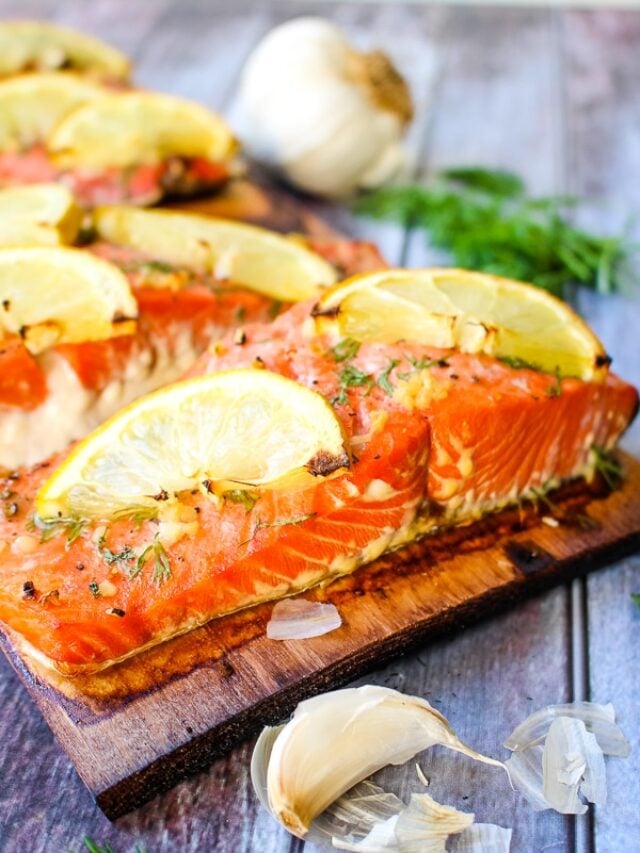
Pair cedar plank salmon with fresh lemon slices and a light dill sauce. Serve alongside a crisp green salad or grilled asparagus for a delightful meal. Enhance the experience with a chilled white wine.
Cooking cedar plank salmon on a gas grill is a delightful experience. The smoky aroma infused by the cedar plank enhances the fish's flavor. Once cooked, it's time to serve this mouthwatering dish. Let's explore some serving suggestions that will elevate your culinary creation.
Side Dishes That Pair Well
Pairing your salmon with the right side dishes can make all the difference. Consider these options:
- Grilled Asparagus: Lightly seasoned, it complements the salmon's rich flavors.
- Lemon Herb Quinoa: Offers a refreshing contrast with its zesty taste.
- Garlic Mashed Potatoes: A creamy option that pairs well with the fish.
- Mixed Greens Salad: Adds a fresh, crisp touch to your meal.
- Rice Pilaf: A classic choice that absorbs the salmon's juices.
Presentation Tips
Presentation enhances the dining experience. Follow these tips for an appealing plate:
- Use Fresh Herbs: Garnish with dill or parsley for a pop of color.
- Lemon Wedges: Add to the plate for a touch of brightness.
- Serve on the Plank: Keep the salmon on the cedar plank for rustic charm.
- Layer Sides Thoughtfully: Arrange sides around the salmon for balance.
- Drizzle with Sauce: Consider a light lemon butter sauce for extra flavor.
Serve your cedar plank salmon with these suggestions for a memorable meal.
Credit: delightfulemade.com
Cleaning And Reusing Cedar Planks
Cedar planks add a smoky, rich flavor to salmon on the grill. Cleaning and reusing these planks saves money and reduces waste. Proper care helps keep the wood safe and tasty for the next cookout. Follow simple steps to clean your plank well and know when it’s time to replace it.
Proper Cleaning Methods
Start by soaking the cedar plank in water for at least an hour before grilling. After cooking, let the plank cool down completely. Use a grill brush or a soft scrub pad to remove stuck-on food gently. Avoid harsh soaps that soak into the wood and change the flavor. Rinse the plank with warm water and let it air dry standing up. Store the plank in a dry place to prevent mold growth.
When To Replace Your Plank
Check the plank for cracks, splits, or deep burns after cleaning. If the wood feels fragile or breaks easily, it’s time to get a new one. A strong smoke smell means the plank is still good to use. Avoid using planks with mold or a sour smell. Replace the plank if it has been used more than two or three times for best flavor and safety.
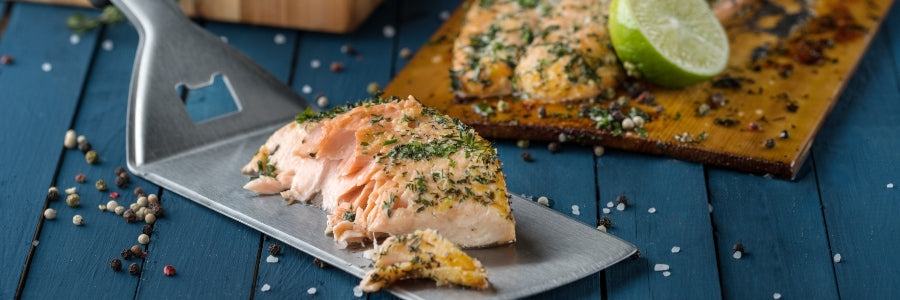
Credit: broilking.ca
Frequently Asked Questions
How Long To Cook Cedar Plank Salmon On Gas Grill?
Cook cedar plank salmon for 20-25 minutes on medium heat. Ensure grill temperature is around 350°F for even cooking. Check for opaque, flaky flesh to confirm it’s done.
Should Cedar Planks Be Soaked Before Grilling Salmon?
Yes, soak cedar planks in water for at least 1 hour. This prevents the wood from burning and adds smoky flavor to the salmon.
What Temperature Is Ideal For Grilling Cedar Plank Salmon?
Maintain a medium heat of 350°F on your gas grill. This temperature cooks salmon evenly and prevents burning the cedar plank.
Can I Reuse Cedar Planks For Grilling Salmon?
It’s best to use cedar planks once or twice only. After that, they become brittle and lose flavor, which impacts your salmon’s taste.
Conclusion
Cooking cedar plank salmon on a gas grill is simple and fun. The cedar plank adds a smoky flavor to the fish. Keep the grill at medium heat and watch the salmon cook evenly. Remember to soak the plank to avoid burning.
Serve the salmon right off the plank for a fresh taste. Enjoy a tasty, healthy meal with little effort. This method works well for any salmon cut. Try it again to get the perfect smoky flavor every time. A great way to enjoy grilled salmon outdoors.