If you love salmon but want to try something new and exciting, cooking it on a cedar plank might be your next favorite method. Imagine juicy, tender salmon infused with a smoky, woodsy flavor—all cooked perfectly on your gas grill.
This technique is easier than you think, and once you master it, your friends and family will be asking for seconds. Ready to learn how to cook cedar plank salmon on a gas grill that tastes like it’s from a five-star restaurant?
Keep reading, and I’ll guide you step-by-step to grilling success.
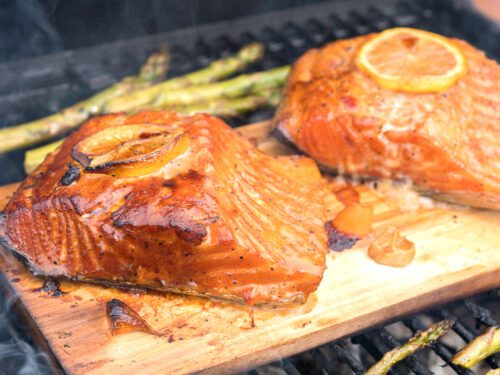
Credit: www.nelliebellie.com
Choosing The Right Cedar Plank
Choosing the right cedar plank is key to a delicious salmon on the grill. The wood affects the flavor and how the fish cooks. Not all cedar planks are the same. Picking good quality wood ensures safety and taste. This section guides you to select and prepare the perfect cedar plank for grilling.
Types Of Cedar Wood
Cedar wood varies by species and quality. Western red cedar is the most popular for grilling. It offers a sweet, smoky aroma. Alaskan yellow cedar is another choice, lighter in flavor but still effective. Avoid planks treated with chemicals or paint. Only use food-safe, untreated cedar planks for cooking.
Preparing The Plank For Grilling
Soak the cedar plank in water before grilling. This prevents the wood from catching fire. Soaking time should be at least one hour. You can add herbs or lemon slices in the water for extra flavor. After soaking, pat the plank dry but keep it moist. Place the salmon on the plank, then put it on the grill for best results.
Selecting Fresh Salmon
Selecting fresh salmon is the foundation of a great cedar plank grilling experience. Your salmon’s quality directly impacts flavor and texture after cooking. Choosing the right fish can turn your gas grill session into a memorable meal.
Wild Vs Farmed Salmon
Wild salmon often has a richer taste and firmer texture. It swims freely in natural environments, which can enhance flavor complexity. However, it can be pricier and less available depending on the season.
Farmed salmon is more consistent in size and availability. It tends to have a milder flavor and softer texture. Some people worry about additives or environmental impacts, but many farms follow strict guidelines to ensure quality.
Think about what matters most to you—flavor intensity, price, or sustainability—when choosing between wild and farmed salmon. Have you noticed a difference in taste during your past grilling?
Checking For Freshness
Fresh salmon should look moist, not slimy or dry. The flesh must be vibrant pink or orange, depending on the species, without any brown spots or discoloration.
Smell is a powerful freshness indicator. Your salmon should have a clean, ocean-like scent. If it smells overly fishy or sour, it’s best to skip it.
Look at the texture too. Press the flesh gently; it should spring back quickly. If it leaves an indentation, the salmon is likely past its prime.
- Check the skin for shine and firmness.
- Ask your fishmonger when the catch arrived.
- Consider buying from trusted sources known for quality.
Choosing fresh salmon might seem simple, but these details make all the difference. Next time you’re at the market, can you spot these freshness clues before you buy?
Marinating And Seasoning Tips
Marinating and seasoning cedar plank salmon enhances its natural flavor. These steps add moisture and depth. The right marinade or rub makes the fish tender and tasty. Choose simple ingredients for easy preparation. Balance salty, sweet, and acidic flavors for the best results.
Simple Marinade Ideas
Use these easy marinades to boost flavor without overpowering the salmon.
- Lemon and Olive Oil:Mix lemon juice, olive oil, salt, and pepper.
- Maple Soy:Combine maple syrup, soy sauce, and garlic for a sweet-savory taste.
- Dill and Yogurt:Blend plain yogurt, fresh dill, lemon zest, and a pinch of salt.
- Garlic Butter:Melt butter with minced garlic and a splash of lemon juice.
Marinate the salmon for 20 to 30 minutes. Avoid over-marinating, which can change texture.
Dry Rubs And Herbs
Dry rubs bring a bold, concentrated flavor to cedar plank salmon. Use fresh or dried herbs for aroma.
- Simple Salt and Pepper:A classic mix that highlights the salmon's taste.
- Herb Blend:Use thyme, rosemary, and parsley for a green, earthy flavor.
- Smoky Paprika:Combine smoked paprika, garlic powder, and a pinch of cayenne.
- Lemon Pepper:Mix lemon zest, cracked black pepper, and sea salt.
Rub the seasoning evenly on the salmon. Let it rest for 10 minutes before grilling.
Prepping The Gas Grill
Prepping the gas grill ensures even heat distribution for cedar plank salmon. Soak the cedar plank in water to prevent burning. Preheat the grill to medium, then place the soaked plank on the grill grates.
Prepping the gas grill is crucial for delicious cedar plank salmon. Begin by gathering all necessary tools. Ensure you have a reliable grill brush, tongs, and a thermometer. Clean the grill grates thoroughly. This prevents sticking and ensures even cooking. Check your propane tank. Make sure it's full. You don't want to run out halfway through grilling.
Setting Up For Indirect Heat
For perfect salmon, use indirect heat. Turn on one side of the grill. Leave the other side off. This creates two zones: direct and indirect. The cedar plank goes over the unlit side. This method prevents the salmon from burning.
Maintaining Proper Temperature
Maintaining the right temperature is key. Aim for 350 to 375 degrees Fahrenheit. Use a thermometer to check. Adjust the burners as needed. Keep the lid closed as much as possible. This helps retain heat. It also infuses the salmon with smoky flavors.
Soaking And Placing The Cedar Plank
Soaking and placing the cedar plank correctly is key to getting that perfect smoky flavor in your salmon without burning the wood. The plank needs to be properly hydrated so it smokes gently instead of catching fire. Positioning it right on your gas grill helps maintain even heat and ensures your fish cooks beautifully.
How Long To Soak
Soak your cedar plank in water for at least 1 to 2 hours before grilling. This soaking time allows the wood to absorb enough moisture to create steam and smoke rather than flare up.
Some people add a splash of apple juice or wine to the soaking water to infuse extra flavor into the wood. Have you tried that before? It can add a subtle sweetness to your salmon that’s worth experimenting with.
Don’t rush this step. If the plank isn’t soaked long enough, it might char quickly and ruin the taste of your meal.
Positioning On The Grill
Place the soaked cedar plank directly over medium heat on your gas grill. Position it so the flames don’t touch the edges of the plank, which could cause it to burn.
Keep the grill lid closed as much as possible to trap the smoke around the salmon. This helps develop the rich, smoky aroma you’re aiming for.
If your grill has multiple burners, turn off the burner directly under the plank and light the adjacent burners instead. This indirect heat approach prevents the plank from catching fire while still cooking the fish evenly.
Grilling The Salmon
Grilling salmon on a cedar plank adds a smoky flavor and keeps the fish moist. The plank acts like a barrier between the fish and the grill. This prevents burning and gives the salmon a subtle wood aroma. Placing the salmon on the plank also makes handling easier on the grill.
Cooking Time And Temperature
Preheat the gas grill to medium heat, about 350°F (175°C). Place the cedar plank with the salmon on the grill grates.
Cook the salmon for 20 to 25 minutes. Avoid opening the grill too often; this keeps the heat steady. The cooking time depends on the salmon’s thickness. Thicker pieces may need a few extra minutes.
Signs The Salmon Is Done
Check the salmon for these signs to know it is fully cooked:
- The flesh looks opaque and light pink.
- The fish flakes easily with a fork.
- The internal temperature reaches 145°F (63°C).
A little translucence in the center is okay if you prefer it medium. Do not overcook; this dries out the salmon. Remove the plank from the grill carefully using tongs or heatproof gloves.
Serving Suggestions
Serving cedar plank salmon fresh off the grill is a treat, but pairing it well can elevate your meal to something memorable. The right sides and garnishes bring out the smoky flavor and add texture and color to your plate.
Complementary Side Dishes
Think about balance when choosing sides. Fresh, crisp vegetables like asparagus or green beans provide a nice contrast to the rich salmon. A simple salad with lemon vinaigrette can brighten the flavors and cleanse your palate.
Potatoes are a classic match—roasted baby potatoes or a light potato salad work great. You might also enjoy a grain like quinoa or wild rice to add some earthiness and keep the meal hearty but not heavy.
- Grilled zucchini and bell peppers tossed in olive oil and herbs
- Garlic mashed potatoes with a hint of chives
- Light cucumber and dill salad for a refreshing bite
- Steamed broccoli with a squeeze of fresh lemon juice
Garnishing Ideas
Garnishes don’t just make your dish look good—they enhance the flavors too. Fresh herbs like dill, parsley, or cilantro add a pop of green and a burst of freshness that complements the smoky salmon.
Try thin slices of lemon or orange on top before serving. The citrus oils brighten the fish and add a zesty aroma. A drizzle of good quality olive oil or a dollop of creamy tzatziki can also add richness without overpowering the natural taste.
- Sprinkle chopped fresh dill or parsley right before serving
- Add lemon zest or thin lemon slices for a tangy lift
- Top with capers for a salty, briny twist
- Serve with a side of avocado slices for creaminess
Have you ever noticed how a simple garnish can completely change the way a dish tastes? Next time you grill cedar plank salmon, try these garnishing tips and see which combo you enjoy the most.
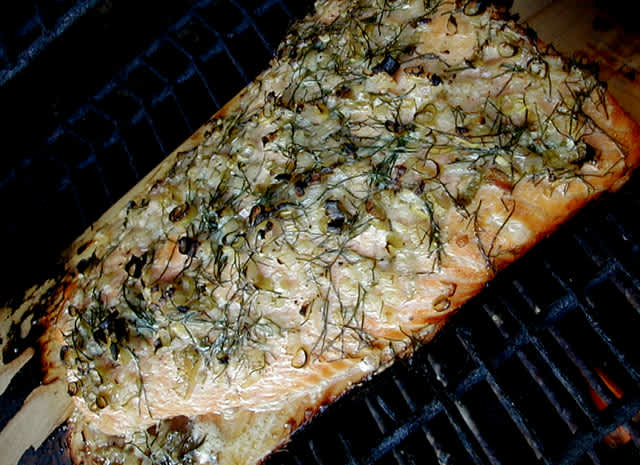
Credit: www.food.com
Cleaning And Reusing Cedar Planks
Cedar planks add a rich, smoky flavor to salmon on a gas grill. Keeping these planks clean is important for food safety and for preserving their flavor. Proper cleaning also helps you reuse the planks safely, saving money and reducing waste. Let’s explore how to clean cedar planks correctly and understand how many times you can reuse them.
Safe Cleaning Methods
Start by letting the cedar plank cool completely after grilling. Avoid soaking it in water for a long time, which can make the wood break. Use a soft brush or sponge to remove food bits gently. Rinse the plank with warm water only, without soap or detergent. Soap can leave harmful residues and affect the taste of your salmon.
Dry the plank thoroughly before storing it. Place it in a warm, ventilated area to air dry. Avoid using a dishwasher or microwave to dry the plank. Both can damage the wood and shorten its life.
How Many Times To Reuse
Most cedar planks can be reused about 2 to 3 times. The wood will darken and may crack after several uses. Check for signs like deep burns, heavy cracking, or a strong burnt smell. These signs mean the plank should be replaced.
Keep track of each use and clean the plank carefully every time. Using fresh planks for important meals ensures the best flavor and safety. Store clean planks in a dry place until the next grilling session.

Credit: food52.com
Frequently Asked Questions
How Do You Prepare A Cedar Plank For Salmon?
Soak the cedar plank in water for at least one hour. This prevents it from burning on the gas grill. You can also soak in apple juice for extra flavor.
What Temperature Should The Gas Grill Be Set To?
Preheat your gas grill to medium heat, around 350°F to 375°F. This temperature cooks salmon evenly without drying it out.
How Long Should Cedar Plank Salmon Cook On The Grill?
Grill salmon on the cedar plank for 12 to 15 minutes. Cooking time depends on the thickness of the fish. The salmon is done when it flakes easily.
Can I Reuse A Cedar Plank For Grilling Salmon?
It’s best to use a fresh cedar plank for each grilling session. Reusing planks can cause uneven flavor and potential burning.
Conclusion
Cooking cedar plank salmon on a gas grill is simple and tasty. The smoky flavor makes the fish special. Always soak your plank before grilling to avoid burning. Keep the grill temperature steady for even cooking. Check the salmon often to prevent overcooking.
Serve with fresh herbs or lemon for extra taste. This method adds a new twist to your meals. Enjoy the rich flavors and easy process every time. Give it a try and impress your family or friends.