If you’ve ever wanted to master the art of cooking Boston butt on your gas grill, you’re in the right place. This cut of meat is packed with flavor and perfect for juicy, tender results—but only if you know the right steps.
Imagine biting into perfectly cooked pork that melts in your mouth, all made on your own grill. In this guide, you’ll learn exactly how to get that mouthwatering taste every time, with simple tips and tricks you can follow easily.
Ready to impress your friends and family with your grilling skills? Let’s get started!
Credit: www.garlicandzest.com
Choosing The Right Boston Butt
Choosing the right Boston butt is key to nailing your gas grill cook. The cut you pick impacts flavor, cooking time, and the overall success of your meal. Let’s break down what to look for to make sure your Boston butt turns out juicy and tender every time.
Size And Weight Tips
Boston butts usually weigh between 4 to 8 pounds. A larger piece means longer cooking, but it also means more leftovers for sandwiches or tacos. If you’re cooking for a crowd, go bigger, but if it’s just you or a small group, pick a smaller cut to avoid overcooking.
Think about your grill size too. A 6-pound butt fits comfortably, but anything bigger might crowd your grill and affect even heat distribution. Have you checked your grill space before buying?
Fresh Vs. Frozen Options
Fresh Boston butt often has better texture and flavor, but frozen can work if thawed properly. If you buy frozen, plan ahead and thaw it in the fridge for 24 to 48 hours.
Some people prefer frozen because it’s easier to store and often less expensive. But fresh cuts give you more control over seasoning and cooking times. What’s your usual choice, and how has it turned out?
Quality Indicators
Look for a Boston butt with consistent marbling—those thin streaks of fat running through the meat. Fat adds flavor and keeps the meat moist during grilling. Avoid cuts with large chunks of fat or dry-looking patches.
Also, check the color. A fresh Boston butt should have a pinkish-red hue, not pale or gray. The meat should feel firm but slightly springy to the touch. If it smells off or sour, walk away.
Choosing well at the start makes the rest of your cooking experience smoother and tastier. What qualities do you prioritize when selecting meat for grilling?
Preparing The Boston Butt
Preparing the Boston Butt properly sets the stage for a delicious meal. How you handle the meat before it hits the grill can change the entire flavor and texture. Taking a little extra time here pays off with juicy, tender results that make your grilling efforts truly worthwhile.
Trimming And Cleaning
Start by removing any excess fat from the Boston Butt, but don’t strip it all away. Leaving a thin layer helps keep the meat moist during grilling. Cut off any silver skin or tough bits that won’t render down well.
Rinse the meat under cold water and pat it dry with paper towels. This simple step helps the rub stick better and ensures even cooking. Have you noticed how dry meat creates better crusts on the grill?
Applying A Dry Rub
Choose a dry rub that complements the rich pork flavor. A mix of salt, pepper, paprika, garlic powder, and brown sugar works wonders. Don’t be shy—massage the rub evenly all over the meat to build layers of taste.
Let the rub sit on the Boston Butt for at least 30 minutes before grilling. This resting time lets the spices penetrate and boosts flavor depth. Ever wondered why some grilled pork tastes so much richer? The rub is often the secret.
Marinating For Flavor
If you want to add extra moisture and complexity, marinate your Boston Butt before grilling. Use a simple marinade with apple cider vinegar, olive oil, and your favorite herbs. This acidic mix helps tenderize the meat without overpowering it.
Marinate in the fridge for 4 to 8 hours, turning the meat occasionally. Avoid marinating too long, or the texture can become mushy. Have you tried marinating pork with unexpected ingredients like coffee or citrus? They add surprising layers of flavor.
Setting Up The Gas Grill
Getting your gas grill ready is key to cooking a perfect Boston butt. This cut needs slow, steady heat to break down its fat and connective tissues, turning tough meat into tender, juicy goodness. Setting up your grill correctly ensures even cooking and helps you avoid flare-ups that can dry out the pork.
Creating Indirect Heat Zones
Set up your grill so one side is hot and the other side is cooler. This means turning on only some of the burners, leaving others off. Place the Boston butt on the cooler side, away from direct flames.
This indirect heat lets the meat cook slowly without burning the outside. It’s like baking the pork low and slow, but outdoors. Have you tried grilling without indirect heat? You might notice the outside burns before the inside cooks through.
Temperature Control
Keep your grill temperature steady between 225°F and 275°F. Use the burner controls to adjust the heat rather than opening the lid too often, which lets heat escape. Invest in a good grill thermometer to monitor the air temperature inside the grill.
Remember, a consistent temperature is more important than a super high heat. This slow pace gives the fat time to melt and flavors to develop fully. How often do you check your grill’s temperature? Try using a digital thermometer with alerts for better control.
Using A Drip Pan
Place a drip pan under the grill grates on the cooler side to catch fat and juices. This prevents flare-ups and keeps your grill clean. You can fill the pan with a bit of water, apple juice, or beer to add moisture and flavor to the cooking environment.
The drip pan also acts as a heat barrier, improving the indirect heat setup. Have you noticed how juices burning on the grill can cause smoke and bitter flavors? A drip pan helps avoid that problem.
Credit: amazingribs.com
Grilling Techniques For Juicy Meat
Getting juicy meat from your Boston butt on a gas grill is all about mastering the right grilling techniques. It’s not just about throwing the meat on the grill; it’s about how you manage heat and timing. These details make the difference between dry, tough pork and tender, flavorful goodness.
Placing The Meat On The Grill
Start by setting your grill for indirect heat. This means turning on burners on one side and placing the Boston butt on the opposite side. This setup lets the meat cook slowly without burning the outside.
Place the meat fat side up so the melting fat keeps the pork moist. Avoid putting it directly over flames; that causes flare-ups and dry spots. You want a gentle, even cook.
Maintaining Consistent Heat
Keep your grill temperature steady, ideally between 225°F and 275°F. Fluctuating heat can toughen the meat and extend cooking time. Use a grill thermometer to monitor the temperature closely.
To maintain this heat, adjust your burners and keep the lid closed as much as possible. Opening the lid lets heat escape and slows cooking. Have a spray bottle of water handy to control flare-ups without dropping the temperature.
When And How To Turn
Resist the urge to flip the Boston butt frequently. Turning it too often interrupts the cooking process and can dry out the meat. Instead, turn it once halfway through the grilling time.
Use tongs or a spatula, not a fork, to handle the meat. Piercing it lets juices escape. Keep track of the internal temperature with a meat thermometer to know exactly when it’s done.
Monitoring And Timing
Monitoring cooking time is key when grilling Boston butt on a gas grill. Keep the grill at a steady temperature and use a thermometer to check the meat’s internal heat. Aim for a slow and even cook to achieve tender, flavorful results.
Grilling a Boston Butt on a gas grill can be an amazing culinary adventure, but getting it just right requires careful monitoring and timing. Understanding how to control and measure the temperature is key to achieving that perfect juicy tenderness. You don't want to leave it to chance, as even a slight miscalculation can turn a promising BBQ into a dry disaster.
Using A Meat Thermometer
A meat thermometer is your best friend in this process. Insert it into the thickest part of the Boston Butt, making sure it doesn't touch the bone. This tool helps you accurately track the internal temperature, which should reach around 195°F for optimal tenderness.
Estimated Cooking Times
Typically, a Boston Butt will need about 1.5 to 2 hours per pound on the grill. However, variables like grill temperature and weather conditions can affect this. It's a good idea to plan for some extra time, just in case your meat takes longer to cook than expected.
Signs Of Doneness
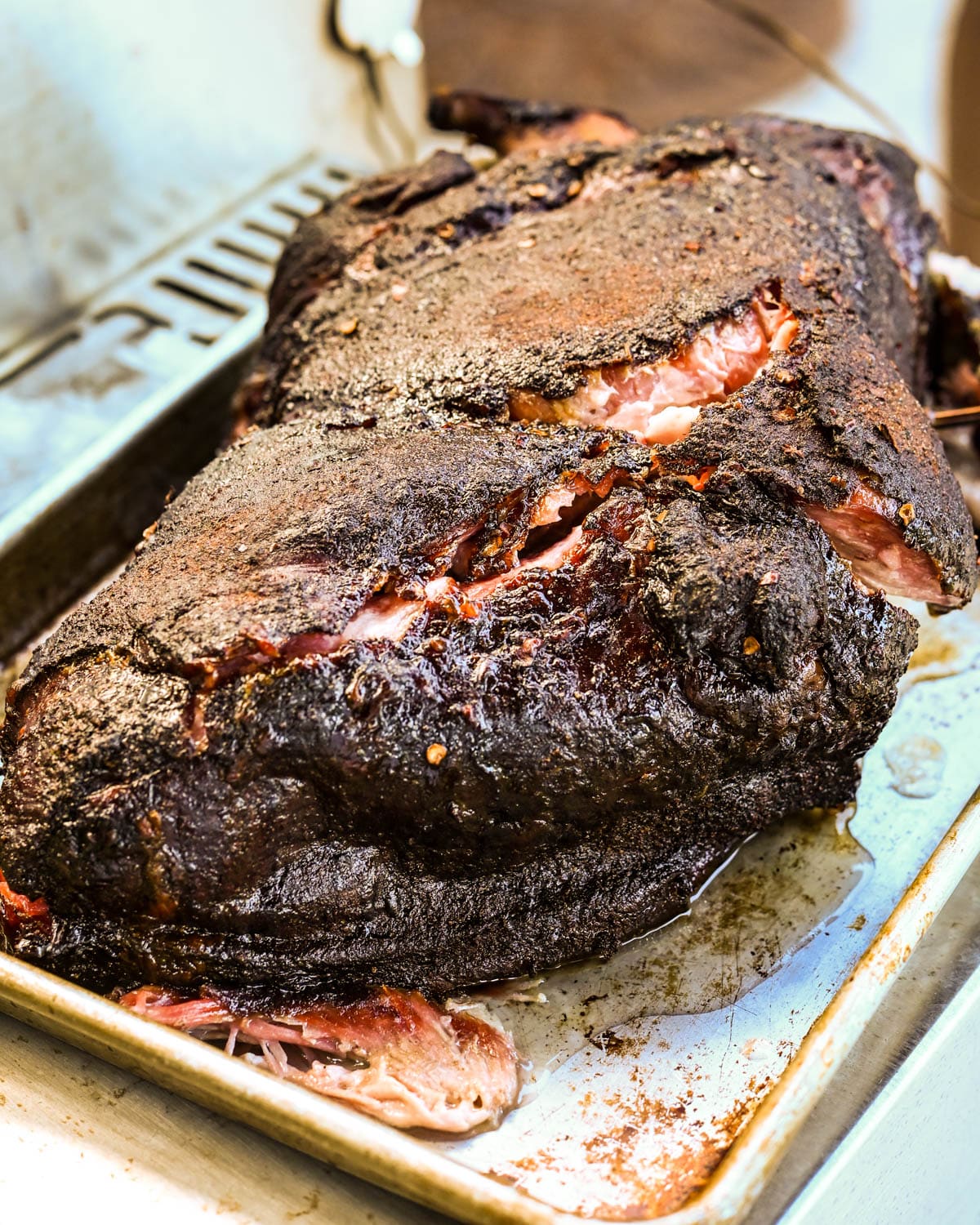
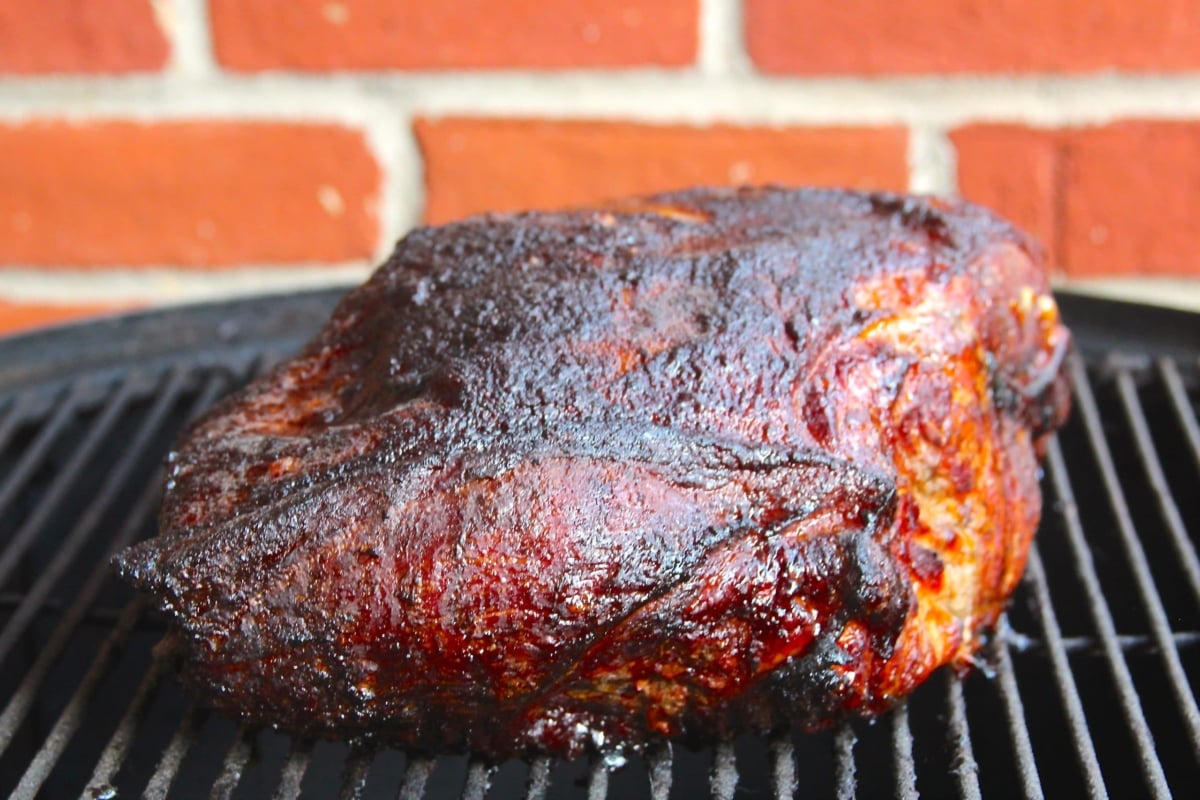
Visual cues can also guide you. The meat should have a nice bark or crust on the outside, with juices running clear when pierced. If it pulls apart easily with a fork, you're likely ready to serve. Remember, patience is a virtue, and waiting for these signs ensures a delicious result. Grilling enthusiasts know the anticipation of waiting for that perfect moment when the meat is just right. Are you prepared to master the timing, or will you let the opportunity slip by?

Credit: www.youtube.com
Resting And Serving
After grilling your Boston butt to perfection, resting and serving are crucial to ensure every bite bursts with flavor and tenderness. This stage allows the meat to settle, making it juicier and easier to handle. How you slice or pull the meat can dramatically change your eating experience, so let’s dive into the best practices.
Resting Period Importance
Resting your Boston butt for at least 20 to 30 minutes after grilling lets the juices redistribute evenly throughout the meat. Cutting into it too soon will cause those flavorful juices to run out, leaving your meat dry.
Use this resting time to tent the meat loosely with foil. This keeps it warm without steaming the crust you worked hard to create.
Slicing Vs. Pulling
Deciding whether to slice or pull your Boston butt depends on the texture you want and how you plan to serve it. Slicing works best when the meat is still firm but tender, giving you neat, juicy pieces.
Pulling is ideal if you want a shredded texture perfect for sandwiches or tacos. Try pulling apart the meat with two forks or your hands once it’s cool enough to handle.
Serving Suggestions
- Classic BBQ Style:Serve pulled Boston butt with coleslaw and your favorite barbecue sauce on a soft bun.
- Hearty Plate:Pair sliced Boston butt with grilled vegetables and a side of baked beans for a filling meal.
- Creative Tacos:Use pulled meat as a taco filling topped with fresh salsa, avocado, and a squeeze of lime.
Have you tried serving it with unexpected sides like pickled onions or spicy slaw? These can add a refreshing contrast that wakes up your taste buds.
Troubleshooting Common Issues
Cooking Boston butt on a gas grill can sometimes present challenges. Knowing how to solve common problems improves your grilling experience. This section helps you handle flare-ups, dry meat, and temperature issues. Simple fixes bring out the best flavors and textures. Stay calm and use these tips to keep your grill session smooth.
Dealing With Flare-ups
Flare-ups happen when fat drips onto the flames. They cause sudden bursts of fire that can burn your meat. Move the Boston butt to a cooler part of the grill. Keep a spray bottle of water nearby to control small flames. Trim excess fat before cooking to reduce flare-ups. Close the grill lid to lower oxygen and calm the fire. These steps protect your meat from charring.
Fixing Dry Meat
Dry meat feels tough and lacks juiciness. Overcooking is a common cause. Monitor internal temperature with a meat thermometer. Remove the Boston butt once it reaches 195°F to 205°F. Wrap the meat in foil and let it rest for 20 minutes. This helps juices redistribute inside the meat. Basting during cooking adds moisture. Use a mop sauce or spray with apple juice for extra flavor and moisture.
Adjusting Grill Temperature
Maintaining steady heat is key to even cooking. Use the grill’s built-in thermometer to check temperature. Aim for 225°F to 250°F for low and slow cooking. Adjust burner knobs to raise or lower heat. If the grill is too hot, open the lid briefly to release heat. If too cold, close the lid and increase burner settings. Control temperature by setting up direct and indirect heat zones. This method prevents burning and ensures tender results.
Frequently Asked Questions
How Long To Cook Boston Butt On A Gas Grill?
Cook Boston butt on a gas grill for 1. 5 to 2 hours per pound. Use indirect heat at 225-250°F. Internal temperature should reach 195-205°F for tender, pull-apart meat.
What Is The Best Temperature For Grilling Boston Butt?
Maintain a grill temperature of 225-250°F using indirect heat. This low and slow method ensures even cooking and juicy, tender pork shoulder.
Should I Marinate Boston Butt Before Grilling?
Marinating is optional but recommended. Use a flavorful marinade or dry rub for at least 2-4 hours. This enhances taste and helps tenderize the meat.
How To Prevent Boston Butt From Drying Out On Grill?
Use indirect heat and cook low and slow. Wrap the meat in foil during the last hour. Also, baste occasionally or use a water pan for moisture.
Conclusion
Cooking Boston butt on a gas grill is simple and rewarding. Keep the heat low and cook slowly for tender meat. Use your favorite spices to add flavor. Check the temperature often to avoid overcooking. Let the meat rest before slicing to keep it juicy.
Enjoy the smoky taste and share it with friends. This method brings great results every time. Try it soon and see how delicious grilled Boston butt can be.