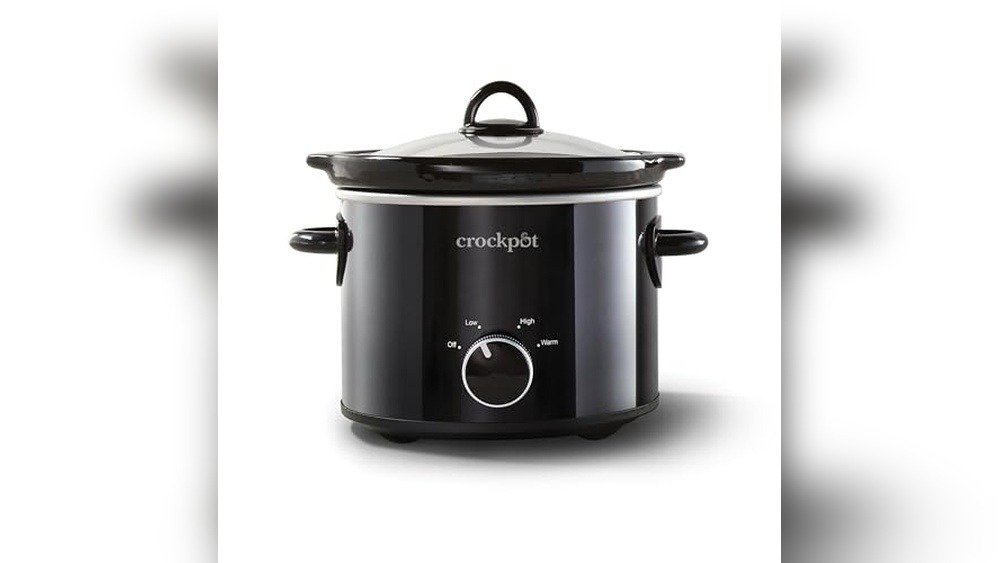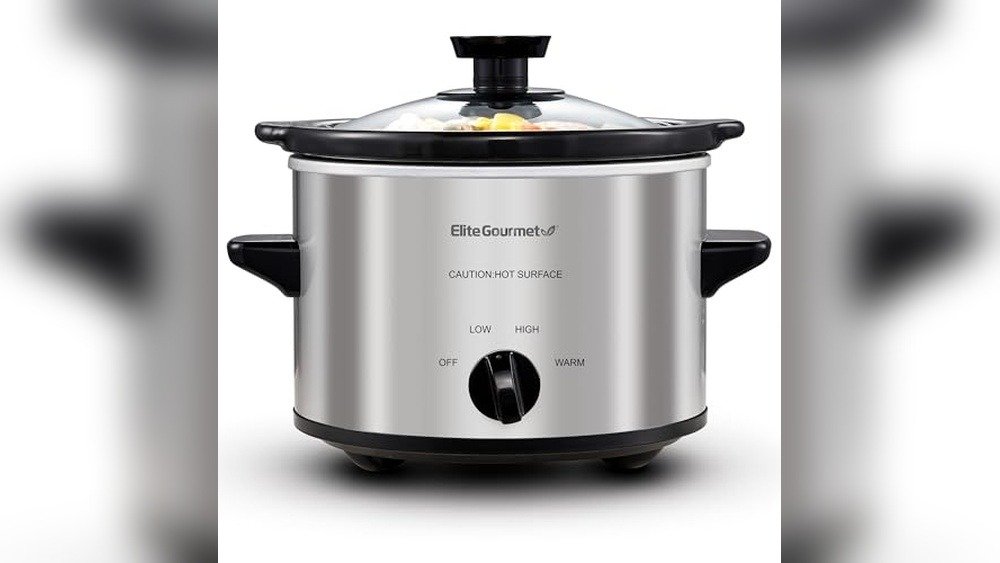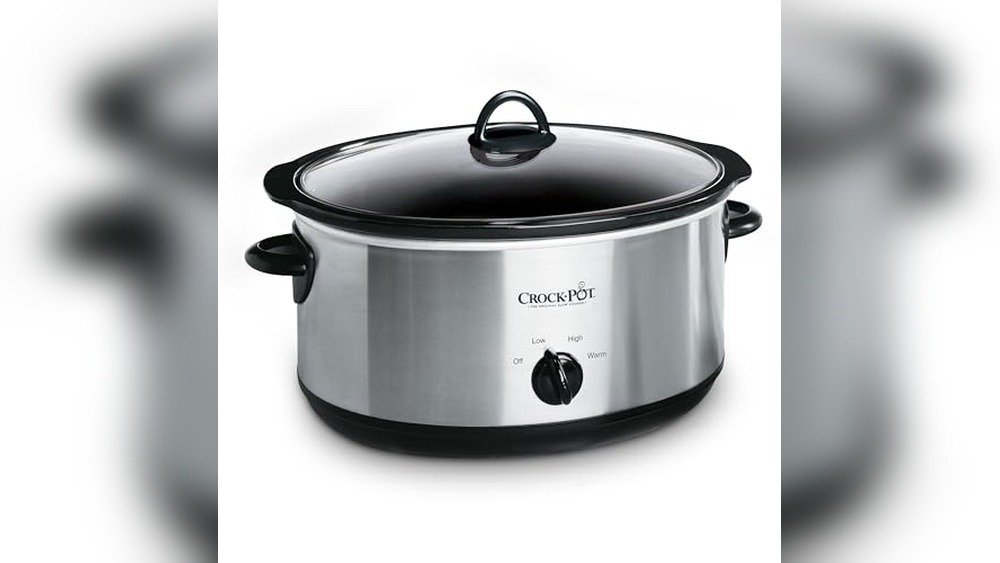
If you love tender, juicy ribs but want an easy way to cook them, boneless ribs in a slow cooker are your best bet. You don’t need to stand over a hot grill or oven for hours.
With just a few simple steps, you can have mouthwatering ribs ready to enjoy. Imagine sinking your teeth into ribs that fall apart with every bite—without any hassle. Keep reading, and you’ll discover how to make perfect slow-cooked boneless ribs that will impress your family and friends every time.
Credit: www.manilaspoon.com
Choosing The Right Boneless Ribs
Choosing the right boneless ribs sets the foundation for a delicious slow cooker meal. The quality and type of ribs affect taste and tenderness. Understanding the options helps you pick ribs that cook well and taste great.
Types Of Boneless Ribs
Boneless ribs come from different parts of the pig. Each type has a unique texture and flavor. Common types include:
- Pork shoulder ribs – tender and flavorful, perfect for slow cooking.
- Boneless country-style ribs – leaner, with a meatier texture.
- Boneless spare ribs – fattier, with rich taste and juicy meat.
Choose ribs that suit your flavor preference and cooking style.
Selecting Quality Meat
Look for ribs with a good balance of meat and fat. Fat adds flavor and keeps the meat moist during slow cooking. The meat should be pinkish-red and fresh, not gray or dry. Avoid ribs with a strong odor. Fresh ribs have a mild, clean smell.
Check the packaging date and buy from trusted sources. Quality ribs make a big difference in your final dish.

Credit: www.sixsistersstuff.com
Preparing The Ribs
Preparing boneless ribs properly sets the stage for tender, flavorful results. This stage involves cleaning the ribs and adding taste with dry rubs or marinades. Careful preparation helps the ribs cook evenly and absorb spices well.
Trimming And Cleaning
Start by removing any excess fat or silver skin from the ribs. Use a sharp knife to trim off tough bits. Rinse the ribs under cold water to clean away any residue. Pat them dry with paper towels before adding seasonings. This step ensures the ribs cook uniformly and taste fresh.
Applying Dry Rubs And Marinades
Choose a dry rub or marinade based on your flavor preference. A dry rub combines spices like paprika, garlic powder, salt, and pepper. Rub it evenly on all sides of the ribs. For marinades, soak the ribs in a mixture of oil, vinegar, and herbs. Let the ribs rest in the marinade for at least one hour, or overnight for stronger flavor. This process helps the ribs absorb spices deeply and stay moist during cooking.
Setting Up The Slow Cooker
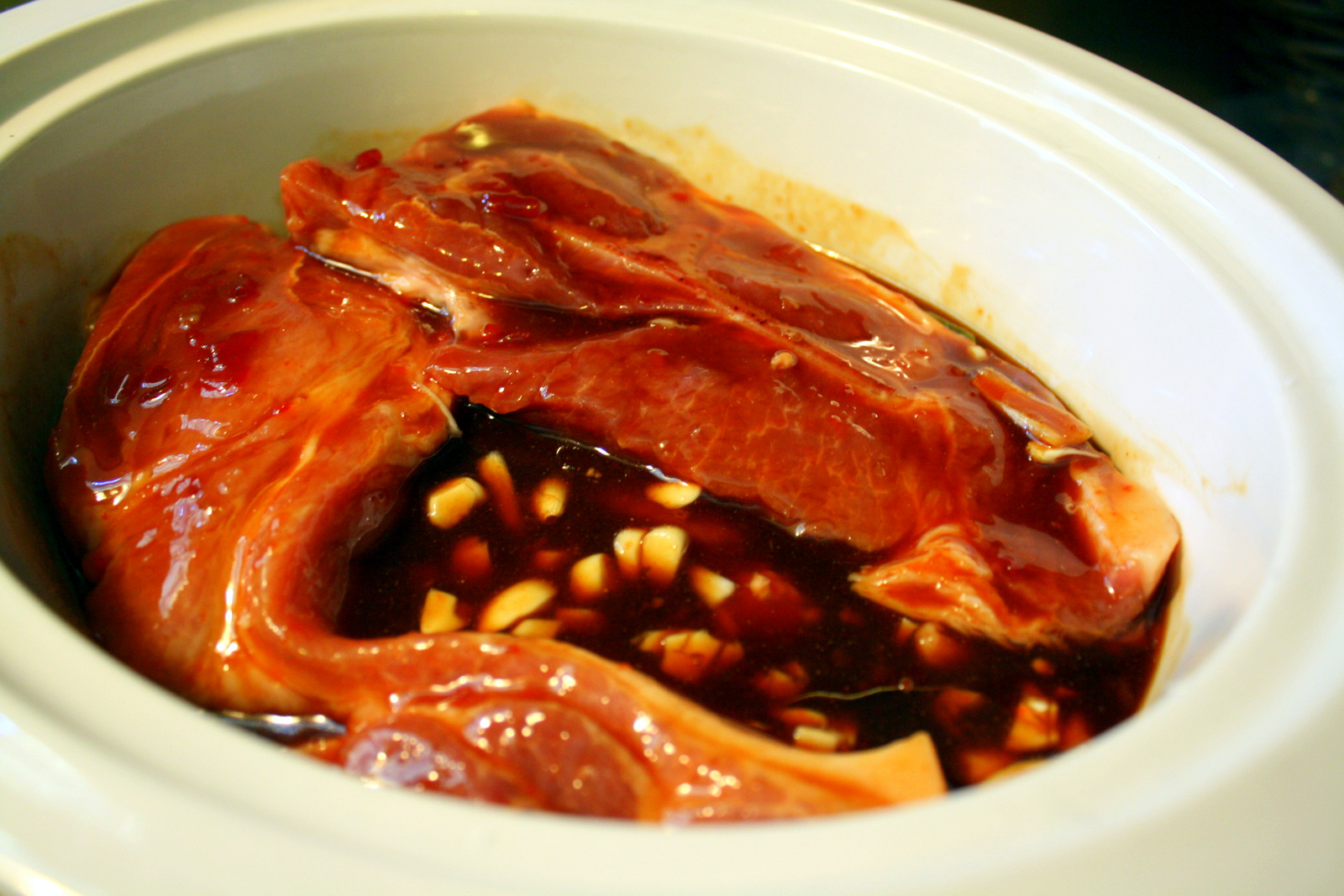
Place the boneless ribs evenly in the slow cooker. Pour your chosen sauce or seasoning over the ribs. Set the cooker to low or high based on your recipe’s cooking time.
Setting up your slow cooker is the first step to achieving tender and flavorful boneless ribs. It’s like building the foundation of a delicious masterpiece. This section will guide you through choosing the right slow cooker and the art of layering ingredients for the best results.
Choosing The Best Slow Cooker
Selecting the right slow cooker can make all the difference. Consider a model with a programmable timer. This allows for precise cooking without overcooking the ribs. Size matters too. A 6-quart slow cooker is ideal for family-sized meals, ensuring everything fits comfortably. Look for a model with a glass lid. This lets you check on your food without losing heat.
Layering Ingredients Properly
Layering is an essential step that affects flavor and texture. Begin by placing a layer of onions or vegetables at the bottom. This prevents the ribs from sticking and infuses them with added flavor. Next, add your boneless ribs. Arrange them in a single layer for even cooking. Pour your favorite sauce over the ribs. Make sure each rib is coated for maximum flavor absorption. What’s your favorite sauce for slow-cooked ribs? Experimenting with different marinades can lead to unexpected, delicious results.
Cooking Process
The cooking process for boneless ribs in a slow cooker is straightforward but requires attention to time and temperature to get the best results. Slow cooking allows the meat to become tender and juicy by breaking down the connective tissues over several hours. Understanding how long to cook and at what temperature makes all the difference between tough ribs and fall-apart goodness.
Recommended Cooking Times
Cooking times vary depending on the size and thickness of your boneless ribs. Generally, slow cookers offer two main settings: low and high. On low, ribs usually need about 6 to 8 hours to become tender.
If you’re short on time, cooking on high for 3 to 4 hours can work but might not yield the same melt-in-your-mouth texture. It’s important to check the ribs near the end of cooking to avoid overcooking, which can dry them out. Have you ever left ribs in too long and ended up with a dry dish? Slow cooking is forgiving but not foolproof.
Temperature Settings For Tenderness
Slow cookers typically have low (around 190°F) and high (around 300°F) settings. Cooking ribs on low heat allows collagen in the meat to slowly dissolve, making them tender without drying out. High heat speeds up the process but can sometimes toughen the meat if not monitored carefully.
Using a meat thermometer can help you decide when your ribs are done. Aim for an internal temperature of about 190°F to 205°F for the best tenderness. Don’t rush the process; patience here brings out the rich, juicy flavor that makes slow-cooked ribs so satisfying.
Flavor Enhancements
Enhancing the flavor of boneless ribs in a slow cooker makes a big difference. Simple additions can bring out rich, deep taste. Use ingredients that soak into the meat during cooking. This helps create juicy and tender ribs full of flavor.
Using Sauces And Glazes
Sauces and glazes add moisture and a tasty coating. Choose barbecue sauce for a smoky and sweet touch. Teriyaki sauce gives a savory and slightly sweet flavor. Honey or maple syrup glazes add a mild sweetness and shine.
- Pour sauce over ribs before cooking for even flavor.
- Brush glaze near the end to prevent burning.
- Mix sauces with spices for custom taste.
Adding Aromatics And Herbs
Aromatics and herbs bring fresh, bold notes to the dish. Garlic, onions, and ginger add sharpness and warmth. Fresh herbs like rosemary, thyme, or parsley give a fragrant lift. Place these ingredients around and under the ribs for best effect.
- Chop garlic and onions finely for better flavor release.
- Use whole herbs or tie them in a bundle for easy removal.
- Add a bay leaf or two for subtle earthiness.
Finishing Touches
After slow cooking your boneless ribs to tender perfection, the finishing touches can elevate the dish from good to unforgettable. This final step adds texture and flavor contrast that slow cooking alone can't achieve. Are you ready to bring out the best in your ribs?
Broiling For A Crispy Exterior
Slow cookers make ribs incredibly tender, but they don't create that crispy, caramelized crust many crave. Broiling the ribs for a few minutes under high heat can fix that. Just place the ribs on a baking sheet, brush on your favorite barbecue sauce or glaze, and put them under the broiler.
Keep a close eye on them—broiling can go from perfect to burnt in seconds. The goal is to develop a golden-brown, slightly charred exterior that adds crunch and intensifies flavor. This contrast makes every bite exciting and keeps your ribs from feeling one-dimensional.
Resting And Serving Tips
After broiling, let your ribs rest for about 5 to 10 minutes. Resting allows the juices to redistribute, preventing them from spilling out the moment you cut in. This step ensures each bite stays juicy and flavorful.
When serving, think about how you want your guests to experience the ribs. Cutting them into individual portions makes sharing easy, but leaving some larger pieces can be more satisfying for those who love hearty bites. Pair your ribs with fresh sides like coleslaw or grilled veggies to balance richness.
Have you experimented with different finishing sauces or rubs after slow cooking? Trying out unique flavors at this stage can personalize your dish and keep your meals exciting every time.
Troubleshooting Common Issues
Slow cooker ribs may turn out dry or tough if cooked too long or at too high heat. Check liquid levels often to keep ribs moist and tender. Adjust seasoning and cooking time based on your slow cooker’s settings for the best results.
Cooking boneless ribs in a slow cooker can sometimes lead to unexpected results. Common issues include ribs becoming dry or the flavors not turning out as desired. Understanding these challenges helps achieve tender and tasty ribs every time.
Dealing With Dry Or Tough Ribs
If ribs are dry, check the cooking time. Overcooking dries them out. Keep an eye on the slow cooker. Cooking on low heat for too long can toughen the meat. Use a meat thermometer to ensure perfect doneness. Ideal temperature is around 145°F (63°C). Adding a bit of broth or juice can help retain moisture. Always add enough liquid to cover the bottom of the slow cooker.
Adjusting Flavors
Flavors can sometimes seem off. Taste the sauce before cooking. Make adjustments as needed. Too salty? Add a bit of sugar or honey. Too sweet? A splash of vinegar balances it out. Spices like paprika or garlic powder enhance flavor. Experiment with herbs and spices. Always adjust flavors after initial tasting. Let the ribs rest in the sauce after cooking. This allows flavors to meld together beautifully.

Credit: intentionalhospitality.com
Side Dishes To Pair
Choosing the right side dishes can transform your slow-cooked boneless ribs into a memorable meal. The perfect sides balance flavors, add texture, and complement the richness of the ribs. Think about what you enjoy most with ribs and how you want to round out your plate.
Classic Sides For Ribs
Some flavors never go out of style. Classic sides like creamy coleslaw add a cool crunch that contrasts the tender ribs beautifully. Baked beans bring a sweet and smoky element, enhancing the savory notes of the meat.
- Macaroni and Cheese:Rich and cheesy, it’s a crowd-pleaser that pairs well with the ribs’ deep flavors.
- Cornbread:Slightly sweet and crumbly, cornbread helps soak up the delicious sauce.
- Potato Salad:A chilled, creamy potato salad balances the warmth and spice of the ribs.
Have you noticed how these sides often steal the show by perfectly matching the ribs’ texture? Try mixing and matching these to find your favorite combo.
Healthy And Creative Options
If you want to lighten up your meal or add a fresh twist, consider healthier or more inventive sides. Roasted vegetables, like Brussels sprouts or asparagus, bring a natural sweetness and crunch that works well with slow-cooked ribs.
- Quinoa Salad:A light, protein-packed salad with fresh herbs and lemon brightens your plate.
- Grilled Corn on the Cob:Brushed with a little olive oil and sprinkled with chili powder, it’s smoky and fresh.
- Cauliflower Rice:A low-carb alternative that soaks up sauces without overpowering the main dish.
Have you tried pairing ribs with unexpected sides before? Sometimes stepping outside the usual choices leads to discovering your new favorite meal combo.
Frequently Asked Questions
How Long To Cook Boneless Ribs In A Slow Cooker?
Cook boneless ribs on low for 6-8 hours or high for 3-4 hours. This ensures tender, flavorful meat that easily falls apart. Adjust timing based on your slow cooker’s power and rib thickness for best results.
What Seasoning Works Best For Slow Cooker Ribs?
A mix of garlic powder, paprika, salt, pepper, and brown sugar enhances rib flavor. Use barbecue sauce for a sweet, tangy finish. Customize spices to your taste for a perfect slow cooker rib recipe.
Can I Use Frozen Boneless Ribs In A Slow Cooker?
Yes, but cooking time will increase by 1-2 hours. Ensure ribs reach an internal temperature of 145°F for safe consumption. For best texture, thaw ribs before slow cooking if possible.
Should I Add Liquid When Cooking Ribs In A Slow Cooker?
Yes, add at least ½ cup of broth, water, or barbecue sauce. Liquid prevents drying and helps create a tender, juicy result. Avoid overfilling to maintain slow cooker efficiency.
Conclusion
Cooking boneless ribs in a slow cooker is simple and rewarding. The ribs become tender and full of flavor with little effort. Just prepare your ingredients, set the slow cooker, and let it do the work. This method saves time and keeps your kitchen cool.
You can enjoy delicious ribs any day without grilling. Try different sauces to change the taste. Slow cooker ribs make a great meal for family or friends. Give it a try and enjoy a tasty, easy dinner tonight.