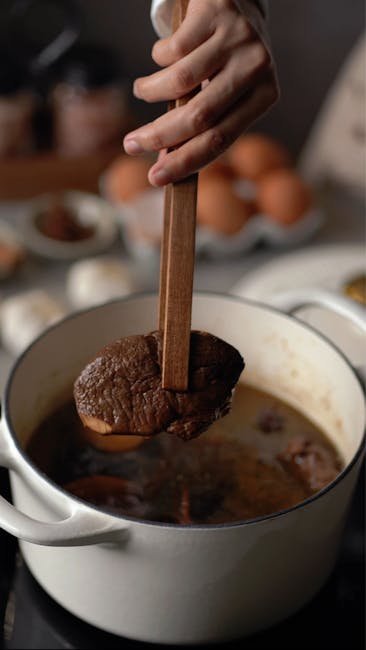
If you want to make rich, flavorful bone broth without spending hours in the kitchen, using a slow cooker is your best bet. Imagine coming home to a warm pot of nourishing broth that you made with almost no effort.
This guide will show you exactly how to cook bone broth in a slow cooker, step by step. You’ll learn simple tips to get the most nutrients and taste from your ingredients. Keep reading to discover how easy it is to boost your meals and your health with homemade bone broth.
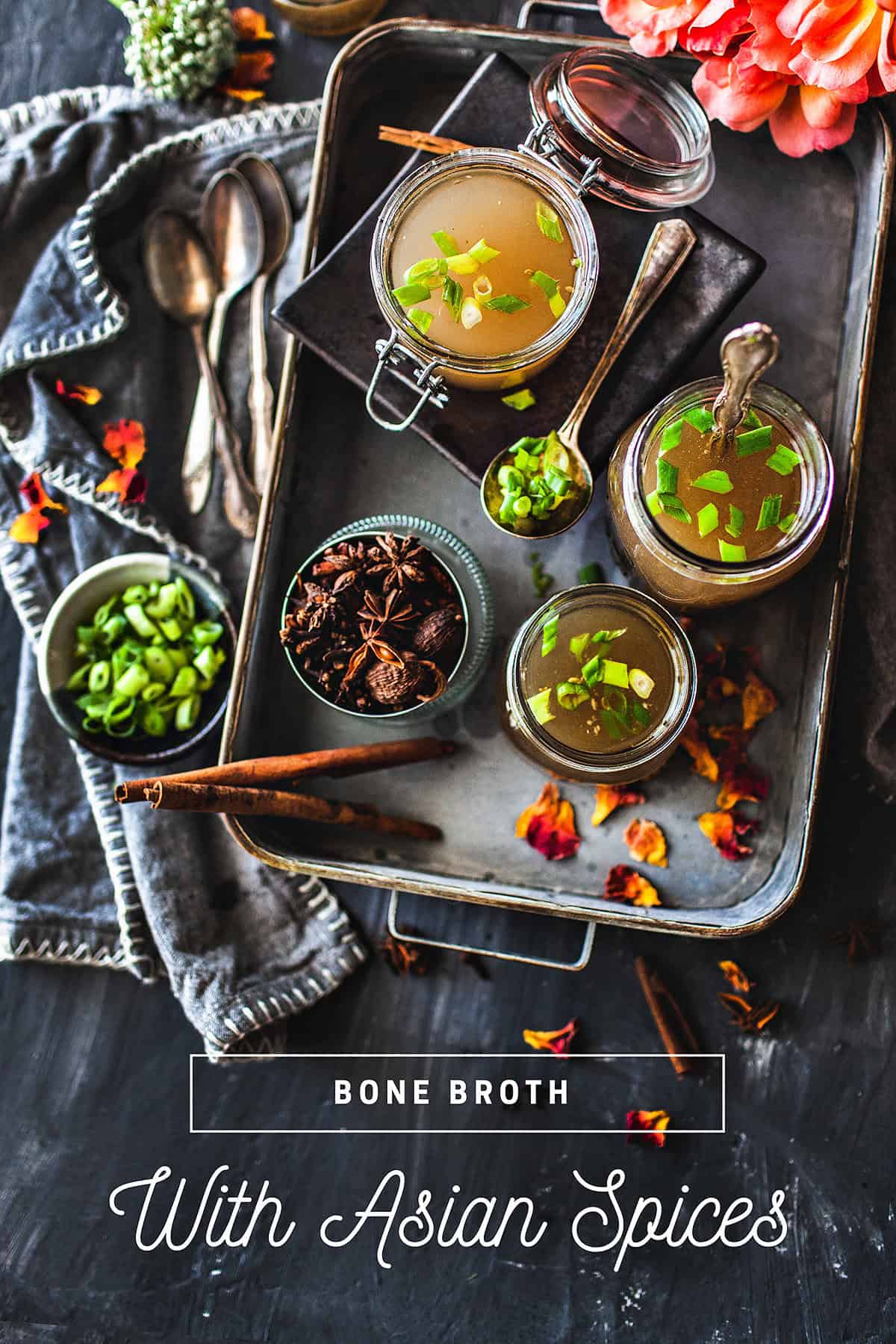
Credit: www.simplysuwanee.com
Choosing The Right Bones
Choosing the right bones is the foundation of making a rich and flavorful bone broth in your slow cooker. The quality and type of bones you select directly affect the taste, nutrition, and texture of your broth. Are you ready to discover how to pick bones that will transform your broth into a nourishing meal?
Types Of Bones To Use
Different bones bring different flavors and nutrients to your broth. Here are some great options:
- Marrow bones:These are packed with collagen and add a deep, rich flavor. Beef or veal marrow bones work especially well.
- Knuckle bones:Full of cartilage, they help create a gelatinous, silky broth.
- Neck bones:These contain some meat and connective tissue, adding extra taste and nutrients.
- Chicken carcasses:A lighter option that still offers good collagen and flavor, perfect for poultry broth lovers.
- Fish bones:Great for a delicate broth, but cook for less time to avoid bitterness.
Think about the flavor profile you want and mix bones accordingly. Have you tried combining marrow and knuckle bones for a broth with both richness and body?
Where To Source Quality Bones
Quality bones come from healthy, well-raised animals. Here’s where you can find the best ones:
- Local butchers:They often have fresh bones and can recommend the best cuts for broth.
- Farmers' markets:You can ask farmers directly about how their animals were raised.
- Organic or grass-fed sources:These bones usually contain fewer additives and more nutrients.
- Grocery stores:Some stores carry bones, but check labels carefully to ensure quality.
Don’t overlook the power of asking questions—knowing the animal’s diet and lifestyle can make a big difference in your broth’s final taste and health benefits. How often do you check where your cooking ingredients come from?
Preparing Bones For Cooking
Preparing bones properly sets the foundation for a rich, flavorful bone broth. The way you handle and treat your bones before cooking directly affects the depth of taste and the clarity of your broth. Taking a bit of extra time in this stage will reward you with a broth that tastes far better and has a satisfying texture.
Roasting Bones For Flavor
Roasting your bones before adding them to the slow cooker enhances the broth’s taste significantly. Place the bones on a baking sheet and roast them at 400°F (200°C) for about 30 to 45 minutes. You’ll notice the bones turn a deep golden brown, and your kitchen will fill with a savory aroma that hints at the rich broth to come.
Don’t rush this step. Roasting caramelizes the natural sugars and browns the proteins, creating complex flavors you just can’t get from raw bones. Try roasting a mix of marrow bones, knuckles, and even a few meaty bones to boost the broth's richness.
Cleaning And Prepping
Cleaning the bones before cooking is crucial to avoid any off-flavors and to keep the broth clear. Rinse the bones under cold running water to remove any blood or impurities. Some people like to blanch the bones quickly in boiling water for 10 minutes, then drain and rinse them again—this helps eliminate excess foam and scum during cooking.
Trim off any excess fat or skin that might make your broth greasy or cloudy. If you want, you can add aromatic vegetables like onions, carrots, and celery at this stage to boost flavor. Preparing bones this way ensures your broth is clean-tasting and visually appealing.
Essential Ingredients For Broth
Getting the essential ingredients right is the key to a rich, flavorful bone broth. Your choice of vegetables, herbs, and seasonings will transform simple bones into a nourishing, delicious base for soups, stews, or sipping straight from the cup. Think of these ingredients as the building blocks that shape the broth’s character and health benefits.
Vegetables And Herbs
Vegetables add natural sweetness and depth to your broth. Carrots, celery, and onions are classic staples that provide a solid flavor foundation.
- Carrots:Their natural sugars balance the savory flavors.
- Celery:Adds a subtle earthiness and aroma.
- Onions:Give a rich, slightly sweet base.
Don’t hesitate to throw in garlic cloves for a punch of warmth and complexity. Fresh herbs like parsley, thyme, and bay leaves lift the broth’s aroma and enhance its freshness. I once skipped herbs in a batch, and the broth felt flat—never making that mistake again.
Seasonings And Additives
Season your broth with salt, but start light—you can always add more later. Black peppercorns add a gentle heat and complexity without overpowering the flavor.
- Salt:Enhances all flavors; add gradually.
- Black Peppercorns:Infuse a subtle spice.
- Apple Cider Vinegar:This is a game-changer. It helps extract minerals from the bones, boosting the broth’s nutritional value.
Have you ever wondered why some broths feel more nourishing? The vinegar could be the secret ingredient you’re missing. Just a tablespoon in your slow cooker can improve the broth’s richness and health benefits dramatically.

Credit: www.youtube.com
Setting Up Your Slow Cooker
Setting up your slow cooker correctly is essential for making rich, flavorful bone broth. The right preparation not only affects the taste but also how well the nutrients are extracted from the bones. Let’s focus on choosing the right size and layering your ingredients to get the best results.
Choosing The Right Slow Cooker Size
Slow cookers come in various sizes, typically ranging from 1.5 to 8 quarts. Think about how much broth you want to make. A 6-quart slow cooker usually works well for a standard batch, but if you plan to cook larger quantities, consider an 8-quart model to avoid overcrowding.
Overfilling your slow cooker can prevent even cooking and reduce the extraction of nutrients. On the other hand, a too-small cooker might force you to split your batch, which can be inconvenient. What size slow cooker do you currently have, and does it suit your broth-making needs?
Layering Ingredients Properly
How you place your bones and other ingredients affects the broth’s flavor and clarity. Start by adding bones at the bottom since they need the most heat exposure. Then, layer vegetables like carrots, celery, and onions on top to infuse subtle sweetness.
Adding herbs and spices last keeps their flavors fresh and vibrant. Avoid overcrowding by ensuring there is some space between ingredients for water and heat to circulate. Have you noticed how layering changes the taste or color of your broth before?
Cooking Process And Timing
Bone broth cooks slowly to extract rich flavors and nutrients from the bones. Set the slow cooker on low and cook for 12 to 24 hours. This long cooking time breaks down collagen and minerals for a healthy, tasty broth.
Cooking bone broth in a slow cooker is an easy process. It requires minimal effort and delivers rich flavors. The slow cooker allows the bones to simmer gently. This results in a nutrient-rich broth that's perfect for soups or sipping.
Ideal Cooking Times
Cooking bone broth takes time for the best results. For chicken bones, aim for 24 hours. Beef bones require 48 hours for full flavor extraction. A longer cooking time enhances the broth's taste and nutrition. Keep the slow cooker on low for consistent heat.
Maintaining The Right Temperature
Temperature control is crucial for bone broth. Set your slow cooker to low. This ensures a gentle simmer without boiling. Boiling can cause the broth to become cloudy. A low setting preserves the clarity and nutrients. Periodically check the temperature with a thermometer. Aim for around 200°F for optimal results.
Straining And Storing Broth
After your slow cooker has done its magic, the next crucial step is straining and storing your bone broth. Proper straining removes any unwanted bits, leaving you with a clear, smooth broth ready for use. Storing it correctly preserves its rich flavor and nutritional benefits, so you get the most out of your effort.
Best Methods To Strain
Choosing the right straining method can make a big difference in the texture of your broth. A fine mesh sieve works well for catching larger solids, but if you want an even clearer broth, line the sieve with cheesecloth or a clean kitchen towel.
Pour the broth slowly through your strainer to avoid spills and let gravity do the work. If you notice any fat floating on top, use a spoon to skim it off before or after straining. This step helps reduce greasiness and improves the broth’s clarity.
Storage Tips For Freshness
Storing your broth properly keeps it fresh and ready for your next recipe. Let the broth cool to room temperature before placing it in airtight containers. Glass jars with tight lids are ideal because they don’t absorb odors or stains.
For short-term use, keep the broth in the fridge where it lasts about 4 to 5 days. Want to keep it longer? Freeze your broth in portion-sized containers or ice cube trays. This way, you can thaw exactly what you need without waste.
Have you ever noticed your broth develops an off taste after a few days? That’s often because it wasn’t cooled quickly enough or stored in an open container. Quick cooling and airtight storage prevent this, preserving that rich, comforting flavor you worked so hard to create.
Health Benefits Of Bone Broth
Bone broth isn’t just a comforting, warm drink—it’s packed with nutrients that can support your health in many ways. Making it in a slow cooker extracts those benefits gently over hours, giving you a rich, flavorful broth that’s easy to use in meals or sip on its own. Understanding what makes bone broth beneficial might encourage you to add it regularly to your diet.
Nutritional Value
Bone broth contains collagen, gelatin, and minerals like calcium, magnesium, and phosphorus. These nutrients come from simmering bones and connective tissues slowly, which releases vitamins and minerals into the liquid.
You might be surprised to learn that bone broth also provides amino acids like glycine and proline, which help your body build proteins. These components are essential for maintaining healthy skin, muscles, and bones.
- Rich in minerals that support bone health
- Contains collagen, which may improve skin elasticity
- Includes amino acids that aid muscle repair
Gut And Joint Support
Gelatin in bone broth is well known for its ability to support your digestive system. It helps strengthen the gut lining and may reduce inflammation, which can ease digestive discomfort.
Have you ever noticed how joint pain can flare up unexpectedly? The collagen and amino acids in bone broth provide building blocks for cartilage repair, potentially reducing joint pain and stiffness over time.
Drinking bone broth regularly might help you feel more comfortable moving through your day. It’s a simple way to give your joints and gut the nutrients they need to function better.
Creative Uses For Bone Broth
Slow cooker bone broth makes a rich, healthy base for soups and sauces. It also adds deep flavor to rice and stews. Simple to cook, it brings warmth and nutrition to many dishes.
Cooking bone broth in a slow cooker is a wonderful way to extract flavors and nutrients. Once you’ve mastered making this liquid gold, the real fun begins with its creative uses. Bone broth is more than just a base; it’s a culinary powerhouse. Whether you're enhancing a dish or boosting nutritional value, bone broth can transform your cooking.
Soups And Stews
Bone broth shines in soups and stews, enriching them with depth and nutrients. Imagine a hearty chicken soup with flavors intensified by rich bone broth. The broth enhances not only taste but also the texture of your soups. Have you ever tried a beef stew that leaves you longing for more? The secret often lies in the broth. Use bone broth as a base to elevate your stews, making them more satisfying.
Cooking Grains And Vegetables
Cooking grains in bone broth instead of water is a game-changer. Your rice or quinoa will absorb the flavors, turning a simple side into a delightful dish. It’s a small step that makes a big difference. Vegetables, too, can benefit from a splash of bone broth. Steam or sauté them in broth to enhance their natural flavors. You’ll be amazed at how much flavor they can absorb. Have you used bone broth creatively in your kitchen? It’s a versatile ingredient that can elevate everyday meals. Share your experiences, and inspire others to experiment with this nutritious powerhouse.

Credit: www.saltnpepperhere.com
Frequently Asked Questions
How Long Should I Cook Bone Broth In A Slow Cooker?
Cook bone broth in a slow cooker for 12 to 24 hours. Longer cooking extracts more nutrients and flavor. For poultry bones, 12-18 hours works well. For beef or pork bones, 18-24 hours is best. Avoid overcooking to prevent bitterness.
What Bones Are Best For Slow Cooker Bone Broth?
Use beef marrow bones, chicken carcasses, or pork bones. Mix marrow and joint bones for rich collagen and flavor. Avoid bones with too much meat or fat. Roasting bones before slow cooking enhances taste and color.
Should I Add Vinegar When Making Bone Broth?
Yes, add 1-2 tablespoons of apple cider vinegar to the slow cooker. Vinegar helps extract minerals like calcium and magnesium from the bones. It improves the broth's nutritional value and clarity. Add vinegar before adding water and bones.
Can I Freeze Slow Cooker Bone Broth?
Yes, bone broth freezes very well for up to 6 months. Cool the broth completely before freezing in airtight containers or ice cube trays. Label with the date for easy use. Thaw in the fridge or reheat directly from frozen.
Conclusion
Making bone broth in a slow cooker is easy and rewarding. Just add bones, water, and your favorite veggies. Let it cook slowly to get rich flavor and nutrients. You can use the broth for soups, sauces, or drinks. It warms you up and helps your body stay healthy.
Try different bones and spices to find your favorite taste. Enjoy the simple process and the tasty results every time you cook. Bone broth is a great way to add nutrition to your meals. Give it a try soon!