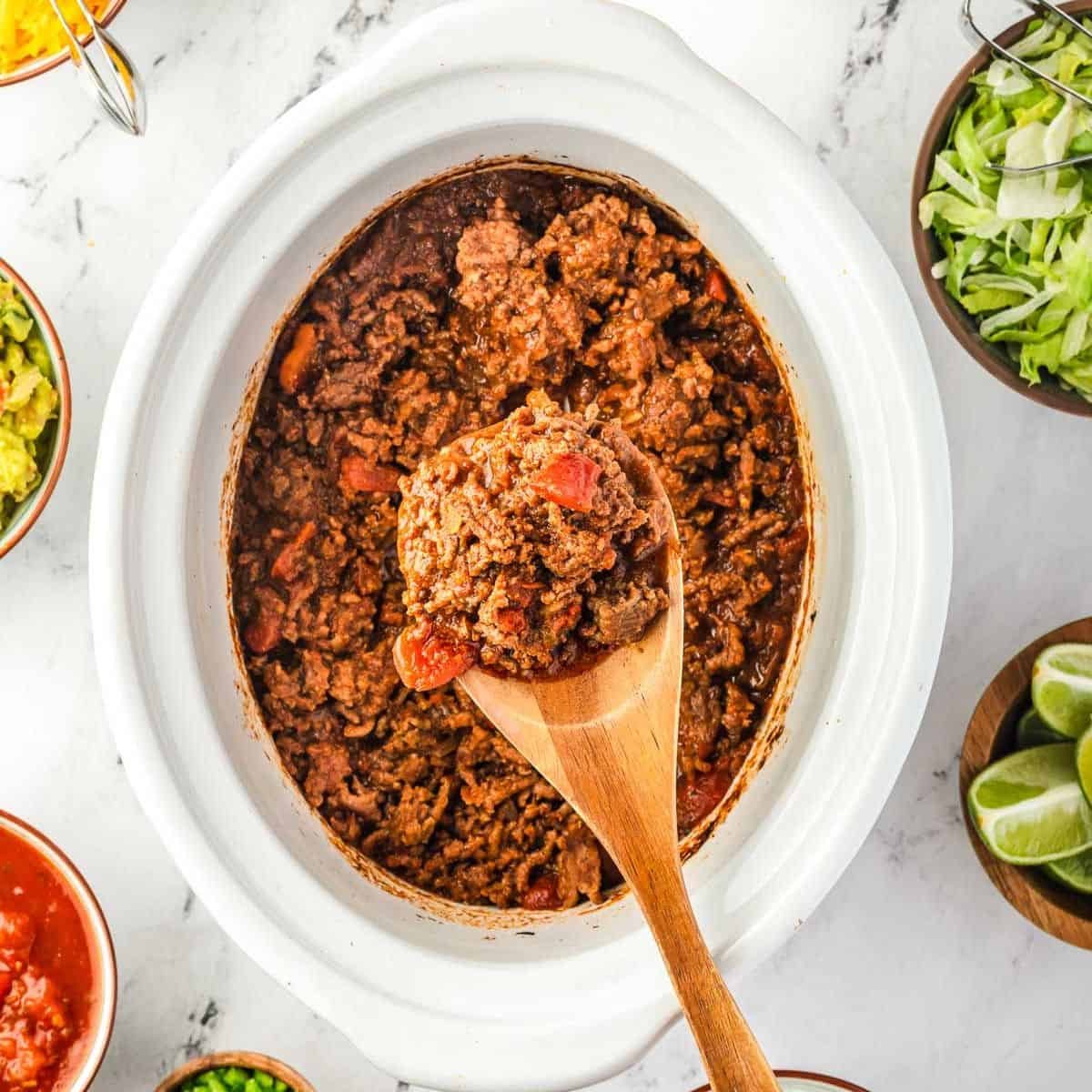
If you’ve ever wondered how to make beef tongue tender, flavorful, and easy to eat, you’re in the right place. Cooking beef tongue in a slow cooker takes all the guesswork and hassle out of the process.
Imagine coming home to a perfectly cooked, melt-in-your-mouth dish that impresses your family or guests without spending hours in the kitchen. In this guide, you’ll discover simple steps and tips to make beef tongue your new favorite meal. Ready to unlock a delicious secret?
Let’s dive in and make your slow cooker work magic!

Credit: www.punchfork.com
Choosing The Right Beef Tongue
Choosing the right beef tongue is key to a delicious slow cooker meal. The quality and type of tongue affect taste and texture. Selecting the best piece ensures a tender and flavorful result. This section helps you understand what to look for before cooking.
Fresh Vs Frozen
Fresh beef tongue has a firmer texture and richer flavor. It is often preferred for slow cooking. However, fresh tongue can be harder to find in stores.
Frozen beef tongue is widely available and convenient. It keeps well for longer periods. Thaw it properly before cooking for the best outcome.
Both fresh and frozen options work well in a slow cooker. Choose based on availability and your cooking schedule.
Size And Quality Tips
Beef tongues vary in size from about 2 to 4 pounds. Smaller tongues cook faster and are easier to handle. Larger ones may need more cooking time.
- Look for a tongue with smooth skin and no discoloration.
- Check for a fresh, mild smell. Avoid any strong odors.
- Choose a tongue with firm flesh, not soft or mushy.
- Ask your butcher for trimmed tongues to save prep time.
Quality impacts tenderness and flavor. Select the freshest, cleanest piece for best results.
Preparing The Tongue For Cooking
Preparing the beef tongue properly is key to a tender and flavorful dish. This section covers essential steps to get the tongue ready for slow cooking. Clean the tongue thoroughly to remove any impurities. Trimming ensures you cook only the best parts. Sometimes, soaking the tongue helps soften it and reduce strong flavors.
Cleaning And Trimming
Rinse the beef tongue under cold running water. Use a sharp knife to remove any excess fat or tough skin. Scrape off any dirt or residue on the surface. Pay attention to the tip and base of the tongue, where impurities often gather. Trim away any silver skin or rough patches for a smooth texture after cooking.
Optional Soaking Step
Soaking the tongue is not mandatory but can improve taste. Place the cleaned tongue in a large bowl. Cover it with cold water and add a pinch of salt or vinegar. Let it soak for 1 to 2 hours in the refrigerator. This helps remove blood and reduces the strong beefy smell. Rinse again before cooking to wash off any loosened impurities.
Seasoning And Flavoring Options
Seasoning and flavoring beef tongue in a slow cooker brings out its rich taste and tender texture. Choosing the right seasonings helps balance the meat’s natural flavor. Simple spices or fresh herbs can make a big difference. Experiment with different options to find your favorite taste.
Basic Seasoning Mix
Start with a simple blend of salt and pepper. These two basics enhance the beef tongue’s natural flavor. Garlic powder adds a mild, savory note. Onion powder gives a subtle sweetness. Paprika offers a gentle smoky taste without heat.
- Salt
- Black pepper
- Garlic powder
- Onion powder
- Paprika
This mix works well for a straightforward, classic flavor. Adjust the amounts to suit your taste. Use enough salt to season the meat through. Pepper should be freshly ground for the best aroma.
Adding Aromatics And Herbs
Aromatics and herbs add depth to slow-cooked beef tongue. Fresh garlic cloves and sliced onions infuse the meat with rich flavors. Bay leaves bring a subtle earthiness that pairs well with beef. Thyme and rosemary add a fragrant, herbal touch.
- Fresh garlic cloves
- Sliced onions
- Bay leaves
- Fresh thyme sprigs
- Fresh rosemary sprigs
Place these aromatics around and under the tongue in the slow cooker. Their oils release slowly during cooking. The result is tender meat full of savory, aromatic flavors. Try adding a splash of beef broth or a bit of vinegar to boost the taste further.
Setting Up The Slow Cooker
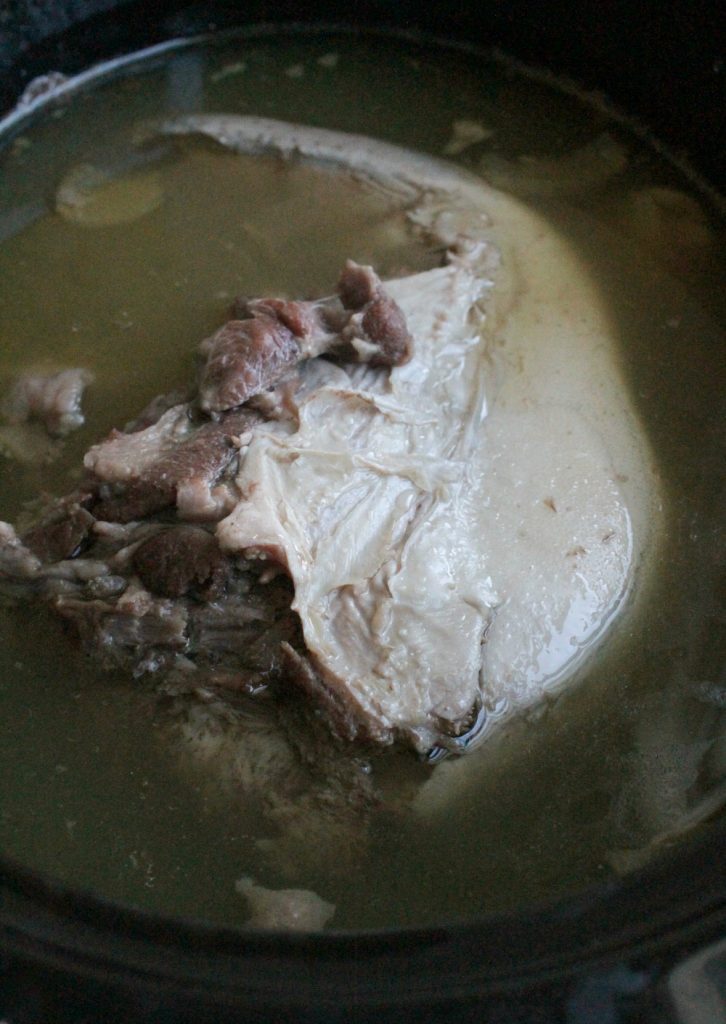
Place the beef tongue inside the slow cooker and add enough liquid to cover it. Set the cooker to low heat for tender results.
Setting up the slow cooker is crucial for preparing beef tongue. The process ensures even cooking and enhances flavors. Let's explore the steps involved.
Choosing The Right Slow Cooker Size
Selecting the correct slow cooker size matters. A 6-quart cooker fits a medium-sized beef tongue. This size allows room for other ingredients and liquid. Ensure your slow cooker has enough space for even cooking. A compact cooker might crowd the ingredients.
Layering Ingredients
Layering ingredients impacts flavor distribution. Start with a base of chopped onions and garlic. They infuse the beef tongue with rich aroma. Next, add the beef tongue gently on top. Pour beef broth or water to cover the tongue halfway. Sprinkle salt, pepper, and herbs for seasoning. You can add vegetables like carrots and celery for extra taste. Arrange them around the tongue for even cooking.
Cooking Time And Temperature
Cooking beef tongue in a slow cooker needs careful control of time and temperature. These two factors affect tenderness and flavor. Setting the right temperature and cooking duration ensures a soft, tasty result. The slow cooker offers two main heat settings: low and high. Each setting changes how long the tongue takes to cook and how juicy it becomes.
Low Vs High Setting
The low setting cooks beef tongue gently. It keeps moisture inside and breaks down tough fibers slowly. This setting is best for tender meat and full flavor.
The high setting cooks faster but can dry out the meat if not watched. It is useful when short on time but may need extra liquid to keep the tongue moist.
Estimated Cooking Duration
| Setting | Cooking Time | Texture Result |
|---|---|---|
| Low | 8 to 10 hours | Very tender, juicy |
| High | 4 to 6 hours | Cooked but less tender |
Check the tongue near the end of cooking. It should feel soft and easy to pierce with a fork. Overcooking can make it mushy, undercooking leaves it tough.
Credit: inmamamaggieskitchen.com
Checking For Doneness
Checking for doneness is a key step when cooking beef tongue in a slow cooker. It ensures the meat is tender and ready to enjoy. Overcooked tongue can become mushy, while undercooked tongue stays tough and chewy.
Slow cooking takes time, so knowing how to test the meat helps you avoid mistakes. The tongue should feel soft but still hold its shape. Use simple tests to check tenderness and look for clear signs of perfect doneness.
How To Test Tenderness
Insert a fork or skewer into the thickest part of the tongue. It should slide in easily with little resistance. If it feels tough, cook longer and test again after 30 minutes.
Another way is to gently squeeze the tongue. It should feel soft and yield under pressure. If it is still firm, it needs more cooking time.
Signs Of Perfectly Cooked Tongue
- The surface looks moist and slightly shiny.
- The meat pulls apart easily when sliced.
- No pink or raw spots inside the tongue.
- The texture feels smooth and tender.
- The skin peels off easily after cooking.
Peeling And Slicing The Tongue
Peeling and slicing beef tongue can seem tricky, but it is simple with the right approach. After slow cooking, the tongue becomes tender, making the skin easy to remove. Proper slicing enhances the texture and flavor of your dish. This section guides you through easy peeling tips and the best slicing techniques for perfect results.
Easy Peeling Tips
Let the tongue cool slightly before peeling. This prevents burns and helps hold the tongue steady. Use a sharp knife to make a small cut at the thick end. Grab the edge of the skin and pull it off gently. The skin should come away easily if cooked well. Rinse the peeled tongue under cold water to remove any leftover bits.
Best Slicing Techniques
Use a sharp, long knife for clean slices. Cut the tongue into thin, even pieces across the grain. Slicing against the grain keeps the meat tender. Arrange slices on a plate to check thickness. Thin slices work best for sandwiches or tacos. For stew or stew-style dishes, cut into bite-sized chunks. Keep your knife steady and use smooth, even strokes.
Serving Suggestions
Serving beef tongue cooked in a slow cooker offers a unique chance to get creative with flavors and textures. The tender, rich meat pairs beautifully with a variety of sauces and sides that enhance its natural taste without overpowering it. Thinking about what to serve alongside your beef tongue can transform a simple meal into a memorable dining experience.
Sauces And Condiments
Choosing the right sauce can elevate your beef tongue to a new level. A classic choice is a tangy chimichurri sauce, which adds a fresh, herbaceous kick that cuts through the richness. Horseradish sauce also works wonderfully, lending a sharp, spicy contrast that wakes up your palate.
If you prefer something milder, a creamy mustard sauce or a simple garlic aioli complements the meat's texture nicely. You might also try a smoky barbecue sauce for a bold, comforting flavor. Have you experimented with Asian-inspired sauces like a soy-ginger glaze? They offer a sweet and salty balance that pairs surprisingly well.
Side Dishes That Pair Well
Consider sides that balance the beef tongue’s softness with some crunch or freshness. Roasted root vegetables like carrots and potatoes bring warmth and earthiness to the plate. A crisp green salad with a light vinaigrette adds necessary brightness and contrast.
Rice or creamy mashed potatoes provide a neutral base that soaks up sauces perfectly. Pickled vegetables can introduce a tangy punch and break the richness. Think about what your taste buds crave—do you want something light, hearty, or tangy to complete your meal?
Storing And Reheating Leftovers
Store leftover beef tongue in an airtight container and refrigerate promptly. Reheat gently in the slow cooker or microwave to keep it tender and moist. Avoid overheating to prevent dryness.
Cooking beef tongue in a slow cooker can result in a delicious and tender meal, but what do you do with the leftovers? Understanding how to store and reheat them properly is key to maintaining that mouth-watering flavor and texture. You might be tempted to just toss it in the fridge without much thought, but a little care can go a long way. Let's explore the best ways to store and reheat your beef tongue leftovers so they taste just as good the next day.
Proper Storage Methods
Store your beef tongue in an airtight container to keep it fresh. This prevents exposure to air, which can dry it out and lead to unpleasant flavors. Glass containers are ideal because they don’t absorb odors. Make sure the beef tongue has cooled to room temperature before sealing it away. Placing hot food directly in the fridge can cause condensation, which might affect the texture. A good practice is to use a shallow container to help it cool faster. Label your container with the date to keep track of freshness. It’s easy to lose track of time, so having a visual reminder helps you use it within safe time limits. Generally, you should aim to consume your beef tongue leftovers within three to four days.
Reheating Without Drying Out
Reheating beef tongue in a way that retains moisture is crucial. One effective method is to use a microwave with a damp paper towel covering the meat. The steam helps preserve the tenderness you worked hard to achieve. Alternatively, you can reheat the beef tongue in a skillet over low heat. Add a splash of beef broth or water to the pan to create steam, which will keep the meat juicy. Stir occasionally to ensure even heating. If you’re planning to use a slow cooker again for reheating, set it to the lowest setting. This method is gentle and helps maintain the texture. However, keep an eye on it to prevent overcooking. How do you ensure your leftovers taste like they’ve been freshly cooked? A little attention to detail can make all the difference in enjoying your meal the next day as much as the first.

Credit: www.youtube.com
Frequently Asked Questions
How Long Does Beef Tongue Take To Cook In A Slow Cooker?
Beef tongue usually takes 6 to 8 hours on low heat in a slow cooker. This slow cooking makes it tender and flavorful. Always check for softness before serving to ensure it's fully cooked.
Should I Peel Beef Tongue Before Or After Cooking?
It’s best to peel beef tongue after cooking. The outer skin becomes easier to remove once cooked. Use a knife or your fingers to peel off the tough layer gently.
What Seasonings Work Best For Slow-cooked Beef Tongue?
Simple seasonings like garlic, onion, bay leaves, salt, and pepper enhance beef tongue’s flavor. You can add herbs like thyme or rosemary for extra aroma. These seasonings blend well during slow cooking.
Can I Cook Frozen Beef Tongue In A Slow Cooker?
It’s safer to thaw frozen beef tongue before slow cooking. Cooking from frozen may result in uneven cooking and safety risks. Always defrost in the refrigerator overnight for best results.
Conclusion
Cooking beef tongue in a slow cooker makes the meat tender and flavorful. The slow, gentle heat breaks down the tough fibers easily. You only need a few simple ingredients to create a delicious meal. This method saves time and effort in the kitchen.
Serve the tongue sliced with your favorite sides. Enjoy a unique dish that is easy to prepare. Give this recipe a try for a tasty, satisfying dinner. Slow cooking beef tongue brings out its best taste. Simple steps lead to a great meal every time.