Are you ready to master the art of cooking beef ribs on a charcoal grill? Imagine biting into tender, smoky ribs that melt in your mouth, all made right in your backyard.
You don’t need fancy tools or complicated recipes to achieve this. With the right steps, you can turn simple beef ribs into a mouthwatering meal that will impress your family and friends. Keep reading, and you’ll discover easy tips and tricks to get perfect ribs every time.
Your next barbecue just got a whole lot better!

Credit: grillinwithdad.com
Selecting The Right Cut
Choosing the right cut of beef ribs shapes your grilling success. Each cut offers unique flavors and textures. Understanding these differences helps you pick ribs that fit your taste and cooking style. Let’s explore popular options to prepare perfect beef ribs on a charcoal grill.
Short Ribs Vs. Back Ribs
Short ribs come from the lower part of the cow’s rib cage. They have more meat and fat, which keeps them juicy. The meat is rich and flavorful, ideal for slow cooking over charcoal.
Back ribs come from the upper rib cage, near the spine. They have less meat but are tender and leaner. These ribs cook faster and work well for direct grilling.
- Short ribs: more meat, fattier, best for slow grilling
- Back ribs: leaner, tender, cook faster
Bone-in Vs. Boneless
Bone-in ribs carry the bone, adding flavor and moisture during grilling. The bone helps conduct heat, making meat tender and juicy. Many grillers prefer bone-in for its taste and texture.
Boneless ribs are easier to eat and quicker to cook. They lack the bone’s flavor but allow for faster, even cooking. Boneless cuts suit those who want convenience without sacrificing too much taste.
- Bone-in: more flavor, juicy, traditional choice
- Boneless: easier to eat, faster cooking, less flavor
Preparing The Ribs
Preparing beef ribs properly sets the stage for delicious grilling. It helps the meat cook evenly and absorb rich flavors. Taking time to prepare ribs well improves texture and taste.
Trimming Excess Fat
Start by examining the ribs for thick fat layers. Trim off large fat pieces with a sharp knife. Leave a thin fat layer to keep the meat moist. Removing excess fat prevents flare-ups on the grill. It also allows smoke and rubs to reach the meat better.
Marinating For Flavor
Marinating adds deep flavor and tenderizes the beef. Use a marinade with acid, like vinegar or citrus juice, to break down muscle fibers. Add spices, herbs, and oil for taste and moisture. Let the ribs soak for at least 2 hours or overnight in the fridge. Pat them dry before grilling to get a nice crust.
Setting Up The Charcoal Grill
Setting up your charcoal grill correctly is the foundation for cooking perfect beef ribs. It influences flavor, cooking time, and the tenderness of your meat. Taking a little extra time here will make your grilling experience smoother and more enjoyable.
Arranging Charcoal Briquettes
Start by deciding if you want direct or indirect heat. For beef ribs, indirect heat works best to avoid burning the outside while the inside cooks slowly.
Arrange your charcoal briquettes in a two-zone setup:
- Pile most briquettes on one side of the grill for high heat.
- Leave the other side empty or with fewer briquettes for a cooler zone.
This setup lets you sear the ribs over direct heat, then move them to the cooler side to finish cooking gently.
Achieving Optimal Temperature
Beef ribs need a consistent temperature around 225°F to 275°F to become tender and juicy.
Use a grill thermometer to monitor the heat inside your charcoal grill. Adjust the airflow by controlling the vents—open them to raise the temperature and close them to lower it.
Remember, patience is key. It might take some trial and error to maintain the right temperature, but mastering this will reward you with ribs that are smoky and tender every time.

Credit: argentineasado.com
Seasoning Techniques
Seasoning beef ribs properly enhances their flavor and tenderness. It creates a tasty crust that locks in juices during grilling. Choosing the right seasoning style depends on your taste and cooking time. Both dry rubs and wet marinades bring unique benefits to the ribs. Using herbs and spices can elevate the flavor to new levels.
Dry Rub Vs. Wet Marinade
Dry rubs are mixtures of spices and salt that coat the meat. They form a flavorful crust after grilling. Dry rubs need time to absorb into the ribs, usually a few hours or overnight. They do not add moisture but enhance the meat’s natural taste.
Wet marinades soak the ribs in liquids like vinegar, oil, or soy sauce. They tenderize the meat and add moisture. Marinades usually contain herbs, spices, and acidic ingredients. Marinating time varies from 2 to 12 hours depending on the recipe. Wet marinades can make ribs juicier and more tender.
Using Herbs And Spices
Herbs and spices add depth and aroma to beef ribs. Common choices include garlic powder, paprika, black pepper, and chili powder. Fresh herbs like rosemary and thyme work well in marinades or rubs. Balance strong spices with mild ones to avoid overpowering the meat.
- Use garlic powder for a rich, savory flavor
- Add paprika for smoky and sweet notes
- Include black pepper for a mild heat
- Try dried oregano or thyme for earthiness
Experiment with different combinations to find your favorite mix. Apply herbs and spices evenly on all sides of the ribs. Let the flavors rest before grilling to achieve the best taste.
Grilling Process
Grilling beef ribs on a charcoal grill requires patience and attention. The grilling process impacts flavor and tenderness. Understanding heat control and timing ensures juicy, smoky ribs every time.
Direct Vs. Indirect Heat
Direct heat means placing ribs right over the charcoal. This cooks the ribs quickly but can burn the outside. Use direct heat for searing and creating a crust.
Indirect heat means placing the ribs away from the coals. The heat circulates slowly, cooking ribs gently. This method prevents burning and helps tenderize the meat.
For best results, start with indirect heat to cook ribs slowly. Finish with direct heat to sear and add flavor.
Monitoring Cooking Time
Beef ribs need time to become tender. Cooking usually takes 2 to 3 hours on a charcoal grill. Check ribs every 30 minutes to avoid overcooking.
Use a meat thermometer. The ideal internal temperature is around 190°F (88°C) for tender ribs. Look for meat pulling back from the bone as a sign of doneness.
Keep a spray bottle of water nearby. Spritz ribs to keep them moist during grilling. Patience is key for perfect beef ribs.
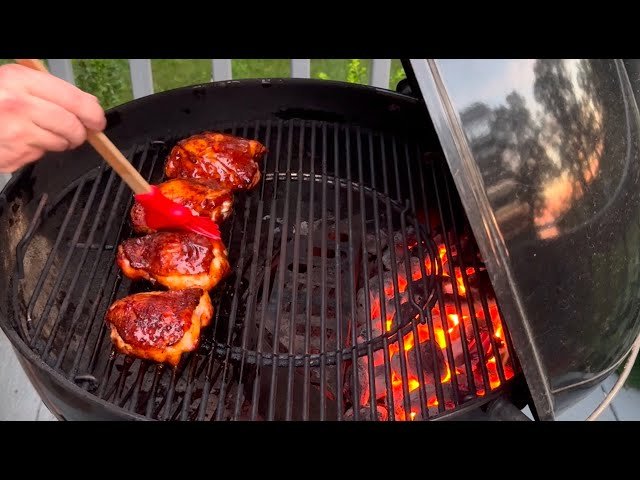
Basting For Extra Flavor
Basting beef ribs on a charcoal grill is a game-changer for flavor and moisture. It adds layers of taste and keeps the meat juicy throughout the cooking process. Knowing how to choose the right sauce and when to apply it will elevate your grilling skills and impress anyone at your BBQ.
Choosing The Right Basting Sauce
Your basting sauce can make or break the final flavor of your ribs. Look for sauces that balance sweetness, acidity, and spice to complement the smoky char from the grill.
- Classic BBQ Sauce:A mix of tomato, vinegar, and brown sugar provides a familiar sweet and tangy profile.
- Asian-inspired Sauce:Soy sauce, honey, garlic, and ginger add a savory twist with depth.
- Mustard-Based Sauce:Great if you want a sharp, tangy bite that cuts through the rich meat.
- Homemade Herb Butter:Melted butter mixed with fresh herbs and garlic can be brushed on for richness without overpowering the beef.
Think about your guests’ taste preferences and the overall meal theme when picking your sauce. Have you tried mixing a little coffee or whiskey into your BBQ sauce? It can add surprising complexity.
Timing Basting Intervals
Applying your sauce at the right moments is key to building flavor without burning the sugars. Start basting after the ribs have developed a good sear and bark on the grill.
- Baste every 15 to 20 minutes during the last hour of cooking.
- Apply a thin layer to avoid flare-ups caused by dripping sugars.
- Don’t baste too early; the sauce can burn and turn bitter if exposed to direct heat for too long.
Keep a close eye on your grill and adjust your timing based on how the ribs look and smell. Have you noticed how the aroma changes right after basting? That’s a sign the flavors are locking in perfectly.
Checking For Doneness
Checking for doneness is key to perfect beef ribs on a charcoal grill. It ensures ribs are tender, juicy, and safe to eat. Overcooking can dry out the meat, while undercooking leaves it tough and chewy. Use clear signs to know when ribs are ready to serve.
Using A Meat Thermometer
A meat thermometer gives the most accurate doneness reading. Insert it into the thickest part of the ribs, avoiding bones. Aim for an internal temperature between 195°F and 205°F (90°C to 96°C). This range breaks down connective tissues and fats well.
Remove ribs from the grill once they reach this temperature. Let them rest for 10 to 15 minutes. Resting lets juices redistribute, making ribs more flavorful and moist.
Visual And Texture Cues
Visual signs help confirm doneness without tools. Look for meat pulling back from the bones by about half an inch. The ribs’ surface should have a deep, caramelized color with a slight crust.
Touch the ribs to test texture. They should feel firm but still give slightly under pressure. Use tongs to twist a rib gently; it should bend and crack easily, indicating tenderness.
Resting And Serving
After grilling beef ribs on a charcoal grill, resting and serving are key to perfect results. Resting lets the meat relax and juices settle. Serving brings out the best flavors and textures. Both steps make the eating experience much better.
Importance Of Resting
Resting beef ribs is essential after cooking. It helps the juices spread inside the meat. This makes each bite juicy and tender. Cutting ribs too soon will cause the juices to run out. Rest the ribs for at least 10 to 15 minutes. Cover them loosely with foil to keep warm.
Resting also allows the meat fibers to relax. This makes the ribs easier to chew. The outside stays warm, while the inside finishes cooking evenly. It improves both taste and texture.
Serving Suggestions
Serve beef ribs with simple sides that balance their rich flavor. Here are some popular ideas:
- Grilled corn on the cob for a smoky touch
- Coleslaw to add a fresh crunch
- Baked beans for a classic BBQ flavor
- Pickles or sliced onions to cut the richness
- Warm bread or rolls to soak up the juices
Brush ribs with your favorite BBQ sauce before serving. Slice between the bones for easy eating. Offer extra sauce on the side for dipping. This simple setup makes a great meal everyone will enjoy.
Common Mistakes To Avoid
Cooking beef ribs on a charcoal grill takes practice. Many beginners make simple mistakes that affect taste and texture. Avoiding these errors helps you enjoy tender, juicy ribs every time. Pay close attention to the heat and grill condition. Small details make a big difference in grilling success.
Overcooking Or Undercooking
Overcooking dries out the meat, making it tough and chewy. Undercooking leaves it raw and unsafe to eat. Check ribs often to find the right balance. Use a meat thermometer to ensure proper temperature. Aim for an internal temperature around 190°F for tender ribs. Keep the heat steady to cook ribs evenly.
Inadequate Grill Maintenance
Dirty grills cause uneven heat and bad flavors. Old grease and food bits can burn and stick to meat. Clean the grill grate before and after cooking. Remove ash buildup to keep airflow smooth. Well-maintained grills give better smoke and heat control. This step is key for tasty, well-cooked ribs.

Credit: grillinwithdad.com
Frequently Asked Questions
How Long To Cook Beef Ribs On Charcoal Grill?
Cook beef ribs for 3 to 4 hours on low heat. Maintain a temperature around 225°F to 250°F for tender ribs. Use indirect grilling to avoid burning and ensure even cooking.
What Charcoal Type Is Best For Beef Ribs?
Use lump charcoal for a natural smoky flavor and higher heat. Avoid briquettes with additives, as they may affect taste. Hardwood charcoal is preferred for authentic grilling results.
How To Keep Beef Ribs Moist On The Grill?
Spritz ribs with apple juice or broth every 30 minutes. Wrap ribs in foil during the last hour to retain moisture. Avoid opening the grill too often to maintain steady heat.
Should I Marinate Beef Ribs Before Grilling?
Yes, marinate ribs for at least 4 hours to enhance flavor. Use a mix of spices, herbs, and acidic ingredients like vinegar. Marinating tenderizes meat and improves taste on the charcoal grill.
Conclusion
Cooking beef ribs on a charcoal grill brings rich, smoky flavors. Patience and the right heat make ribs tender and juicy. Keep the grill steady and watch the ribs closely. Use simple tools and follow easy steps for best results.
Serve your ribs with favorite sides for a perfect meal. Enjoy the process and the delicious taste you create. This method turns ordinary ribs into a tasty treat everyone will love. Give it a try and savor every bite.