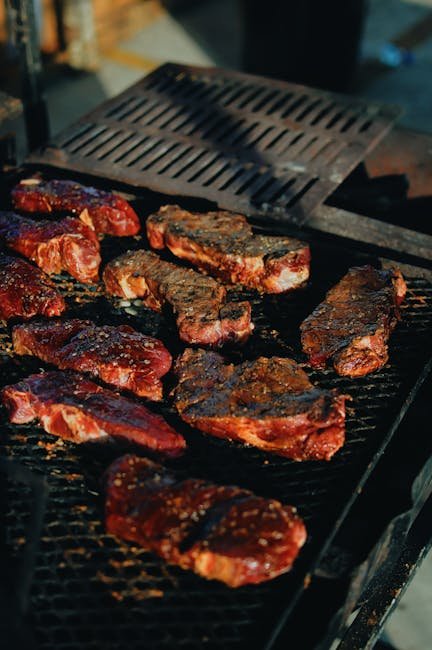
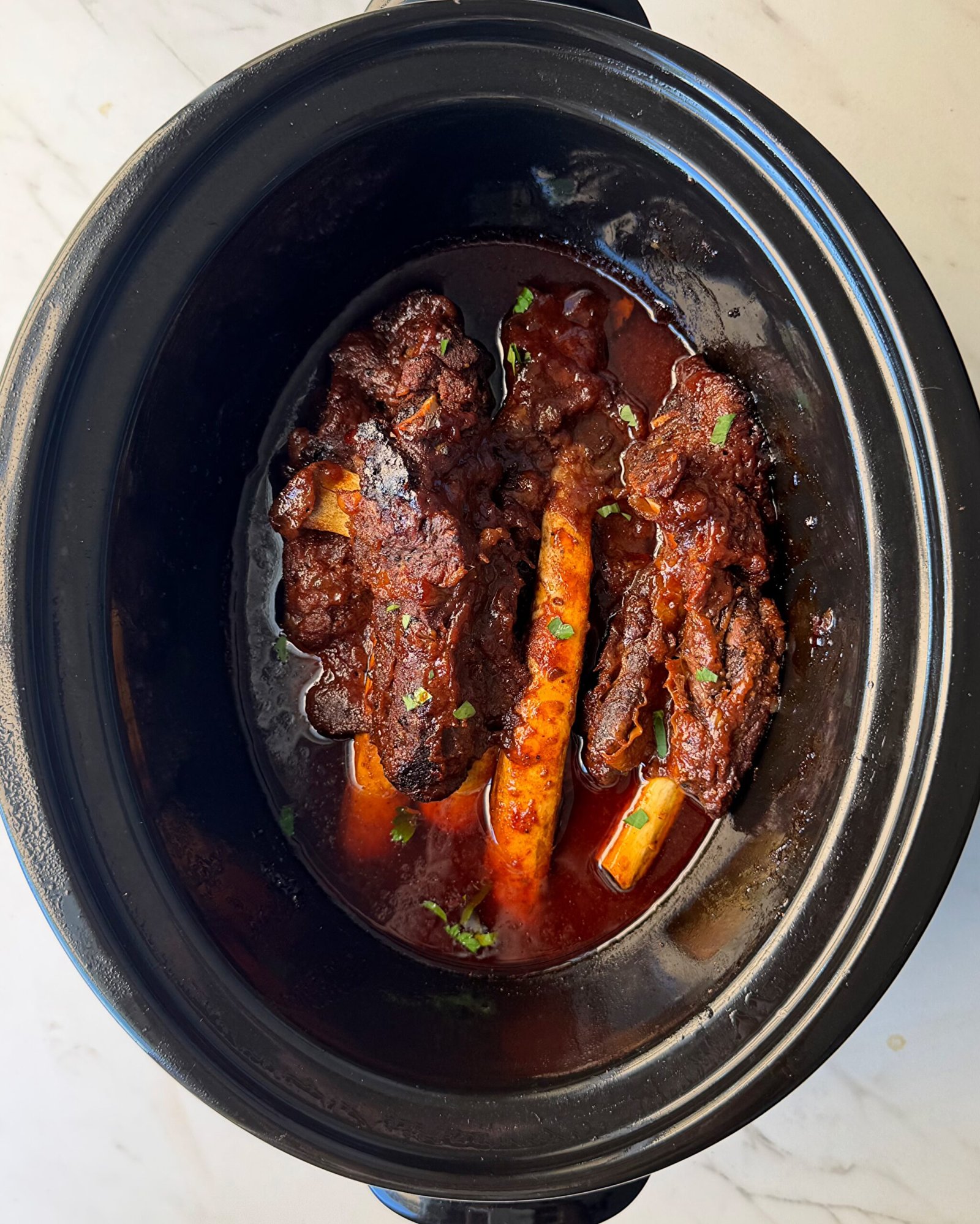
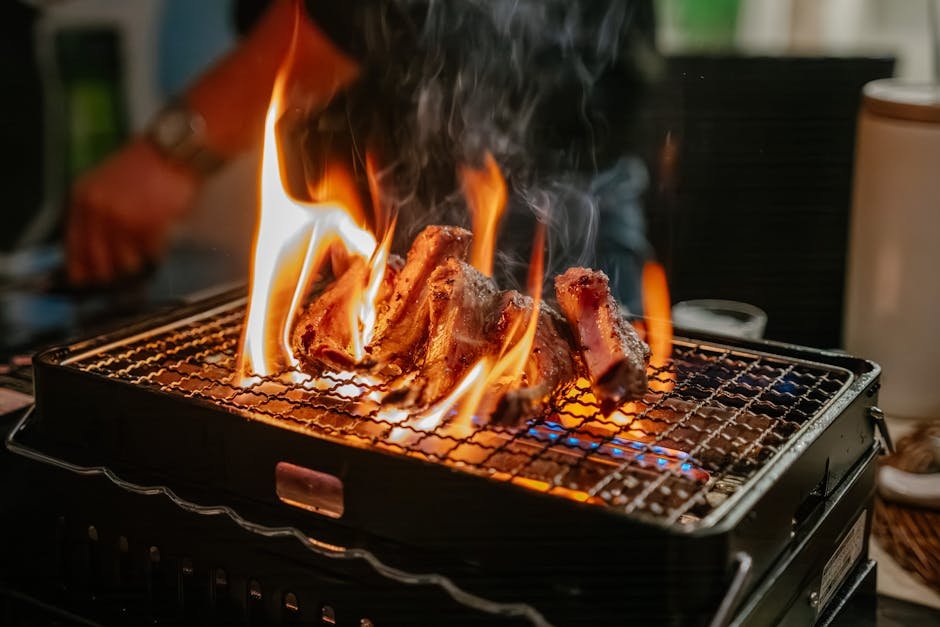
If you’ve ever wanted to cook a tender, flavorful beef brisket right on your gas grill, you’re in the right place. Cooking brisket can seem tricky, but with the right steps, you can turn your grill into a flavor powerhouse.
Imagine biting into juicy, smoky meat that melts in your mouth—all made by you. In this guide, you’ll discover simple tips and tricks that will help you master the perfect beef brisket on your gas grill. Ready to impress your family and friends with a mouthwatering meal?
Let’s get started!
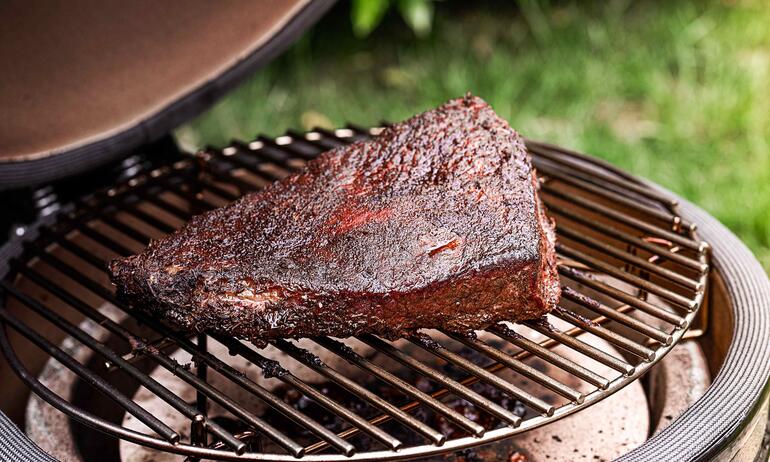
Credit: www.farmison.com
Choosing The Right Brisket
Choosing the right brisket is the foundation of a successful cook on your gas grill. The quality and cut of meat you select will directly impact flavor, tenderness, and cooking time. Before firing up the grill, understanding what to look for can save you from a tough or disappointing meal.
Selecting Quality Meat
Look for brisket with good marbling—those thin streaks of fat running through the meat. Marbling keeps the brisket juicy and flavorful during long cooking sessions. Avoid briskets that look dry or have large patches of fat on the surface; you want fat integrated within the muscle, not just sitting on top.
Ask your butcher for fresh brisket rather than frozen. Fresh meat tends to retain better texture and flavor. If possible, choose USDA Choice or Prime grades for the best eating experience.
Understanding Brisket Cuts
A whole brisket consists of two main parts: the flat and the point. The flat cut is leaner and slices neatly, while the point is fattier and more flavorful but can be tougher if not cooked right. Knowing which cut suits your taste and cooking style helps you plan your grilling strategy.
Many beginners opt for the flat cut because it’s easier to handle and serves well for sliced presentations. If you prefer rich, fatty bites, consider the point or a whole packer brisket, which includes both parts.
Size And Weight Considerations
Briskets come in various sizes, typically ranging from 8 to 20 pounds. Smaller cuts cook faster but may dry out if overcooked, while larger ones require more time and a steady grill temperature. Think about your grill’s size and how many people you’re feeding before choosing your brisket’s weight.
If you’re new to grilling brisket, starting with an 8 to 10-pound cut can be less intimidating. Larger briskets demand patience and consistent heat management. How much brisket do you realistically need without wasting leftovers?
Preparing The Brisket
Preparing the brisket properly sets the stage for a tender, flavorful result on your gas grill. This stage isn’t just about seasoning—it involves making smart choices about fat, flavor, and moisture that affect every bite. Taking the time here can turn a good brisket into a great one.
Trimming Excess Fat
Brisket usually comes with a thick fat cap, which can be both a blessing and a challenge. Leaving about a quarter-inch of fat helps keep the meat moist during grilling, but too much fat can cause flare-ups and uneven cooking. Use a sharp knife to carefully trim away large chunks, focusing on smoothing the surface rather than stripping all fat away.
Have you noticed how some briskets stay juicy while others dry out? Often, it’s because of how the fat was trimmed. Don’t be afraid to trim, but keep enough to protect the meat.
Applying A Flavorful Rub
Your rub is where you add personality to the brisket. A simple mix of salt, pepper, garlic powder, and paprika works well, but feel free to add chili powder or brown sugar for depth. Rub the spices evenly over every part of the brisket, pressing gently to help them stick.
Think about your favorite barbecue flavors—do you prefer smoky, sweet, or spicy? Customize your rub accordingly to match your taste or experiment to find new favorites.
Marinating Tips
Marinating brisket can boost flavor and tenderness if done right. Use acidic ingredients like vinegar or citrus juice mixed with oil and herbs to break down the muscle fibers gently. Place the brisket in a sealed bag or container and refrigerate for at least 4 hours, or overnight if you have time.
Remember, marinating too long can change the texture too much and make the meat mushy. Have you tried marinating your brisket before grilling? Adjust the time based on your experience and preferred texture.
Setting Up The Gas Grill
Setting up a gas grill properly is key to cooking tender beef brisket. A good setup controls heat and smoke, which affect flavor and texture. Take time to arrange burners and prepare for indirect cooking. This helps the brisket cook slowly and evenly without burning.
Creating Indirect Heat Zones
Turn on only some burners on your gas grill. Leave one or two burners off to create cooler zones. Place the brisket over the burner that is off. This indirect heat cooks the meat gently and prevents flare-ups. It also allows the brisket to develop a nice crust without drying out.
Maintaining Consistent Temperature
Keep your grill temperature steady between 225°F and 275°F. Use the grill lid to trap heat and smoke inside. Check the temperature regularly with a grill thermometer. Adjust the burner knobs to avoid temperature spikes. Consistency is important for slow cooking and tender results.
Using Wood Chips For Smoke
Wood chips add smoky flavor to your brisket. Soak a handful of chips in water for 30 minutes. Place the wet chips in a smoker box or wrap them in foil with holes. Put the box or foil directly on the lit burners. Close the grill lid and let the smoke infuse the meat as it cooks.
Credit: amazingribs.com
Grilling The Brisket
Grilling beef brisket on a gas grill needs low heat and slow cooking for tender meat. Use indirect heat and keep the lid closed to lock in flavor. Check temperature often for best results.
Grilling a beef brisket on a gas grill takes patience and care. The process ensures a flavorful and tender outcome. Let's explore the key steps in grilling your brisket to perfection.
Placing The Brisket On The Grill
Start with a clean grill. Preheat it to a low temperature. Place the brisket fat side up on the grill. This allows the fat to melt and flavor the meat. Position it away from direct heat. This ensures even cooking. Close the lid to maintain consistent heat.
Managing Cooking Time
Cooking time depends on the brisket's size. Plan for about one hour per pound. Keep an eye on the clock to avoid overcooking. Check the grill's temperature regularly. Adjust the burners to maintain a steady heat. This ensures the brisket cooks evenly.
Monitoring Internal Temperature
Use a meat thermometer to check the brisket's temperature. Insert it into the thickest part of the meat. Aim for an internal temperature of 195°F to 205°F. This ensures the meat is tender and juicy. Avoid opening the grill too often. This helps maintain a consistent temperature.
Enhancing Flavor During Cooking
Enhancing flavor during the cooking process makes beef brisket more delicious. This step is key to tender, juicy meat with a rich taste. Different techniques help keep the brisket moist and full of flavor. Small touches improve the smoky aroma and texture.
Spritzing And Basting Techniques
Spritzing keeps the brisket surface moist and adds flavor. Use a spray bottle with apple juice, vinegar, or beef broth. Spray the meat every 30 to 45 minutes. This prevents drying and forms a tasty bark on the outside.
Basting adds a richer flavor by brushing a sauce or marinade. Use a mop or brush to apply it gently. Focus on the edges and top for even coverage. Basting also helps lock in juices during grilling.
Wrapping The Brisket
Wrapping the brisket slows down cooking and keeps moisture inside. Use aluminum foil or butcher paper to wrap the meat tightly. This method helps tenderize the brisket by trapping steam. Wrap once the brisket reaches an internal temperature of about 160°F (71°C).
Wrapping also protects the brisket from drying out. It allows the meat to cook evenly and stay juicy. Avoid opening the wrap too often to keep heat and moisture sealed.
Resting For Juiciness
Resting is crucial after cooking to lock in juices. Let the brisket rest for at least 30 minutes before slicing. Keep it wrapped in foil or a towel during this time. Resting allows the meat fibers to relax and absorb moisture again.
Slicing too early causes juices to run out, making the meat dry. A proper rest ensures each bite is tender and flavorful. Patience here pays off with a better eating experience.
Serving And Storing
Serving and storing beef brisket properly enhances its flavor and texture. It also keeps the meat safe for later meals. After grilling, the right steps help maintain the brisket’s juiciness and tenderness. Storing leftovers correctly prevents waste and keeps the brisket delicious.
Slicing The Brisket Properly
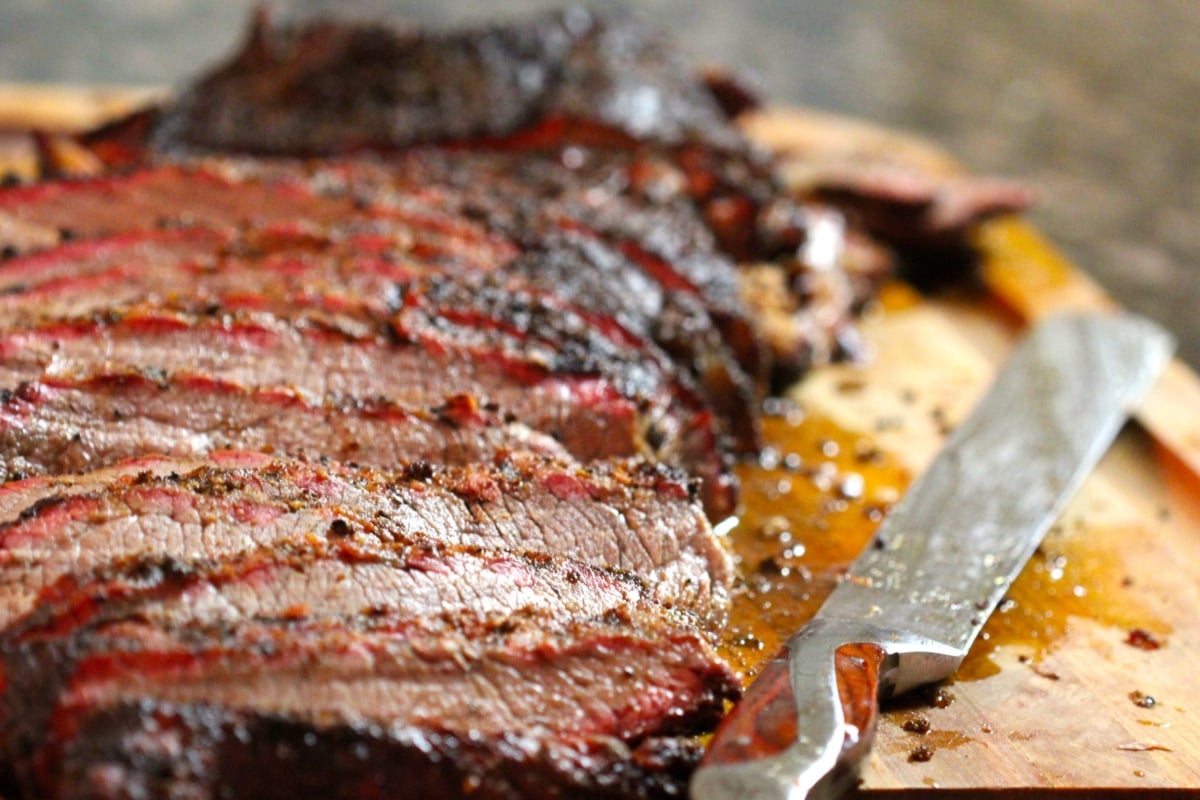
Cut the brisket against the grain for tender slices. Look closely at the meat’s lines. Use a sharp knife to make clean cuts. Thin slices work best to enjoy the brisket’s full flavor. Slice just before serving to keep juices inside.
Pairing With Sides And Sauces
Choose sides that balance the rich brisket taste. Classic options include coleslaw, baked beans, and cornbread. Sauces like barbecue, mustard, or chimichurri add extra flavor. Serve sauces on the side to let guests choose. Fresh vegetables or salads lighten the meal well.
Storing Leftovers Safely
- Cool the brisket to room temperature before storing.
- Wrap tightly in foil or place in airtight containers.
- Refrigerate within two hours after cooking.
- Use leftovers within 3 to 4 days for best taste.
- Freeze for longer storage, up to 3 months.
Reheat brisket slowly to keep it moist. Use low heat in the oven or microwave with a cover. Add a splash of broth or water if needed. Proper storage ensures every bite stays tender and tasty.
Troubleshooting Common Issues
Cooking beef brisket on a gas grill can be rewarding, but it often comes with challenges. Knowing how to troubleshoot common issues will help you achieve tender, juicy meat every time. Let’s dive into some practical tips that address dryness, toughness, and flare-ups so you can grill with confidence.
Avoiding Dryness
Dry brisket is a common frustration, especially with lean cuts. The key is maintaining low and consistent heat throughout the cooking process.
Use a water pan inside the grill to add moisture and help regulate temperature. This simple trick keeps the brisket juicy and prevents it from drying out.
Also, don’t forget to wrap the brisket in foil or butcher paper during the last few hours of grilling. This traps steam and moisture, locking in flavor and tenderness.
Fixing Tough Texture
Tough brisket often results from either undercooking or skipping the resting period. Cooking brisket low and slow breaks down tough fibers, so patience is essential.
Use a meat thermometer to check for an internal temperature of about 195°F to 205°F for optimal tenderness. If your brisket feels tough, it might need more time.
Once off the grill, let the meat rest for at least 30 minutes. Resting allows juices to redistribute, making each bite softer and more flavorful.
Preventing Flare-ups
Flare-ups can char your brisket and ruin its flavor. They usually happen when fat drips onto the flame, causing sudden bursts of fire.
To prevent flare-ups, trim excess fat before grilling, but leave a thin layer for flavor. Position the brisket away from direct flames using indirect heat zones on your gas grill.
Keep a spray bottle of water handy to quickly control any unexpected flames without cooling down the grill too much.

Credit: www.youtube.com
Frequently Asked Questions
How Long Does Beef Brisket Take On A Gas Grill?
Cooking beef brisket on a gas grill typically takes 4 to 6 hours. Maintain a low temperature of 225-250°F for tender, juicy results. Use indirect heat and monitor internal temperature until it reaches 195-205°F for perfect doneness.
What Temperature Is Best For Grilling Brisket?
The ideal temperature for grilling brisket on a gas grill is between 225°F and 250°F. This low and slow method ensures the meat becomes tender without drying out. Consistent temperature control is key for the best flavor and texture.
Should I Wrap Brisket While Grilling?
Yes, wrapping brisket in foil or butcher paper during grilling helps retain moisture. Wrap when the internal temperature reaches about 160°F. This method, called the Texas crutch, speeds up cooking and prevents the meat from drying out.
How Do I Keep Brisket Juicy On A Gas Grill?
To keep brisket juicy, cook it low and slow using indirect heat. Use a water pan to maintain moisture in the grill. Wrap the brisket during cooking and let it rest before slicing to lock in juices.
Conclusion
Cooking beef brisket on a gas grill takes patience and care. Keep the heat low and cook slowly. Use a good rub for flavor and moisture. Check the temperature often to avoid overcooking. Let the brisket rest before slicing. This helps keep it juicy and tender.
Enjoy your delicious, smoky beef with friends or family. Practice makes perfect, so try again to improve. Grilling brisket can be simple and rewarding. Give it a go, and taste the difference yourself.