Are you ready to enjoy perfectly cooked basmati brown rice without any hassle? Cooking this healthy, flavorful grain in your rice cooker can seem tricky at first, but once you know the simple steps, you’ll never go back.
Imagine fluffy, tender rice every time, with no guesswork or burnt pots. In this guide, you’ll discover easy tips and tricks to master basmati brown rice in your rice cooker, saving you time and making your meals tastier. Keep reading—you’re just moments away from rice that’s just right.
Choosing The Right Basmati Brown Rice
Choosing the right basmati brown rice is crucial to getting the perfect texture and flavor in your rice cooker. Not all basmati brown rice is the same, and selecting the right type can make your cooking experience smoother and the meal more enjoyable. Let’s look at what you need to know to pick the best basmati brown rice for your kitchen.
Types Of Basmati Brown Rice
Basmati brown rice comes in different varieties that vary by grain length, aroma, and aging process. You’ll typically find:
- Traditional Long-Grain Basmati:This type has a nutty flavor and stays separate and fluffy when cooked.
- Aged Basmati:Stored for months or years, aged basmati has a deeper aroma and cooks more evenly.
- Organic Basmati Brown Rice:Grown without synthetic pesticides, it’s a great choice if you want to avoid chemicals.
Choosing the right type depends on your taste and how you plan to use the rice. Have you tried aged basmati before? It’s amazing how the aging process improves both flavor and texture.
How To Store Rice For Freshness
Rice can lose its flavor and freshness if not stored properly. To keep your basmati brown rice at its best, store it in an airtight container away from moisture and heat.
Keep it in a cool, dark place like a pantry or cupboard. If you buy rice in bulk, consider dividing it into smaller containers to avoid repeated exposure to air.
Have you noticed a stale or off smell in rice before? That’s a sure sign it’s time to replace your stash. Proper storage not only preserves taste but also prevents pests and spoilage.
Credit: www.hungryhuy.com
Preparing Rice For Cooking
Preparing basmati brown rice properly improves texture and taste. Taking time to rinse and soak rice removes excess starch and dirt. Measuring the right rice-to-water ratio ensures perfect cooking results. These simple steps make your rice cooker experience easier and more reliable.
Rinsing And Soaking Tips
Start by placing rice in a fine mesh strainer. Rinse under cold running water until water runs clear. This removes surface starch that causes stickiness. Soak the rinsed rice in water for 20 to 30 minutes. Soaking softens the grains and shortens cooking time. Drain the soaking water completely before cooking.
Measuring Rice And Water Ratios
Use a standard measuring cup for both rice and water. For basmati brown rice, the ideal ratio is 1 cup rice to 2 cups water. Adjust water slightly if you prefer softer rice. Too little water makes rice hard; too much makes it mushy. Add rice and water directly into the rice cooker pot.
Using Your Rice Cooker
Using a rice cooker simplifies cooking basmati brown rice. It controls heat and timing for perfect results every time. Just follow simple steps to get fluffy, tender rice without guesswork.
Selecting The Correct Settings
Most rice cookers have different settings for white and brown rice. Choose the setting labeled “brown rice” or “whole grain” if available. This setting uses lower heat and longer cooking time. If your cooker lacks these options, use the “regular” or “white rice” setting but expect a longer cook time. Some models allow manual adjustments—set the temperature to low or medium-low for brown rice. Avoid high heat as it may burn the rice or leave it undercooked.
Cooking Time For Basmati Brown Rice
Basmati brown rice needs more time than white rice. In a rice cooker, it usually takes between 40 to 50 minutes. This time varies by cooker brand and rice quantity. Let the rice rest inside the cooker for 10 minutes after it finishes cooking. This step lets steam finish the cooking process and improves texture. Avoid opening the lid during cooking to keep steam inside. Use a timer if your cooker does not have an automatic shutoff.

Credit: www.theincrediblebulks.com
Enhancing Flavor
Enhancing the flavor of basmati brown rice cooked in a rice cooker can transform a simple side dish into a memorable part of your meal. Small tweaks make a big difference, turning plain rice into a fragrant, tasty delight. Let’s explore practical ways to boost flavor without complicating your cooking process.
Adding Spices And Aromatics
Spices and aromatics are your best friends for flavor. Adding whole spices like cinnamon sticks, cardamom pods, or cloves to the rice cooker infuses the rice with subtle warmth and depth.
Fresh aromatics such as minced garlic, chopped onions, or ginger slices add a savory kick. Try tossing in a bay leaf or a few curry leaves to bring out complex notes.
Don’t be afraid to experiment with your spice drawer. How does your favorite spice blend change the taste? You might discover a new go-to flavor for your basmati brown rice.
Using Broth Instead Of Water
Switching water for broth instantly enriches the flavor of your rice. Vegetable, chicken, or beef broth adds savory layers that water can’t provide.
Choose low-sodium broth to control salt levels better. This way, you can season the rice just right without it becoming overpowering.
Think about the dishes you usually pair with rice—does chicken broth complement them better, or does vegetable broth keep the meal lighter? Your choice of broth can tie the entire meal together beautifully.
After Cooking Tips
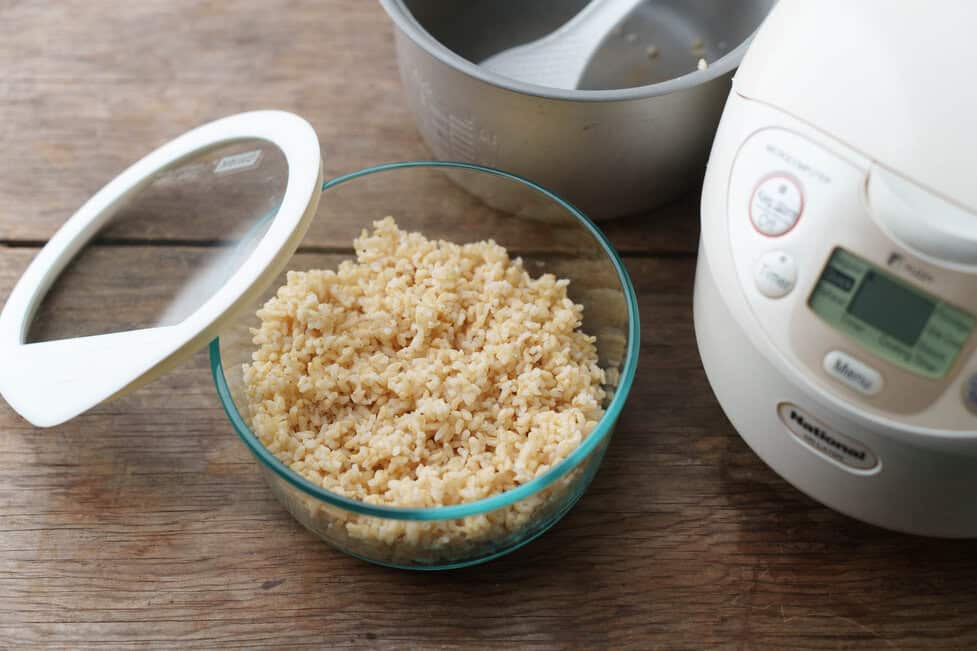
Let the rice sit in the cooker for 10 minutes after cooking to absorb moisture. Fluff gently with a fork to keep grains separate and light. Store leftovers in an airtight container to keep rice fresh longer.
After cooking basmati brown rice in a rice cooker, it's crucial to treat the rice with care. Proper handling ensures it remains fluffy and delicious. Let's explore a few essential tips to elevate your rice experience. `html
Fluffing And Resting The Rice
After the rice cooker signals that cooking is complete, allow the rice to rest for about 10 minutes. This resting period lets the steam settle, resulting in perfectly cooked grains. Next, use a fork to fluff the rice gently. This step separates the grains, enhancing the texture. Avoid using a spoon, which can mash the rice and make it sticky. html
Storing Leftovers Properly

Credit: www.theincrediblebulks.com
Troubleshooting Common Issues
Cooking basmati brown rice in a rice cooker is simple but can sometimes cause problems. Common issues include rice being too sticky, too dry, undercooked, or overcooked. These problems happen because of water amount, cooking time, or rice quality.
Fixing these issues needs small changes. Understanding why the problem happens helps you get perfect rice every time. Here are solutions for common rice cooker problems.
Rice Too Sticky Or Too Dry
Sticky rice often means too much water was used. Brown basmati rice needs less water than white rice. Try using less water by a quarter cup next time.
Also, rinsing rice well removes extra starch that makes rice sticky. Rinse until water runs clear.
Dry rice means not enough water or cooking time. Add a little more water, about 2 to 3 tablespoons, and cook longer if needed.
- Use the right water to rice ratio: about 2 cups water per 1 cup rice.
- Rinse rice thoroughly to remove starch.
- Let rice rest after cooking to absorb moisture.
Undercooked Or Overcooked Rice
Undercooked rice feels hard or crunchy. This happens if cooking time is too short or water is low. Add more water and cook longer next time.
Overcooked rice becomes mushy or wet. It means too much water or cooking time. Reduce water and try a shorter cooking cycle.
Check your rice cooker settings. Use the brown rice or whole grain setting if available. This setting cooks rice slowly and evenly.
| Problem | Cause | Solution |
|---|---|---|
| Undercooked Rice | Too little water or short cooking time | Add more water; increase cooking time |
| Overcooked Rice | Too much water or long cooking time | Reduce water; shorten cooking time |
Frequently Asked Questions
How Much Water Is Needed For Basmati Brown Rice?
Use 2 to 2. 5 cups of water for every cup of basmati brown rice. This ratio ensures soft, fluffy rice without being mushy.
How Long Does Basmati Brown Rice Cook In A Rice Cooker?
Basmati brown rice usually takes 40-50 minutes in a rice cooker. Cooking times may vary slightly depending on your rice cooker model.
Should I Soak Basmati Brown Rice Before Cooking?
Soaking basmati brown rice for 20-30 minutes helps soften the grains. This reduces cooking time and improves texture and flavor.
Can I Add Seasoning While Cooking Basmati Brown Rice?
Yes, you can add salt, spices, or broth to the water. This enhances the flavor of the rice during cooking.
Conclusion
Cooking basmati brown rice in a rice cooker is simple and quick. Just follow the right water ratio and cooking time. This method keeps the rice fluffy and tasty every time. You can enjoy healthy, delicious rice without stress. Try it with your favorite dishes and see the difference.
Cooking rice this way saves effort and gives great results. Give it a go and enjoy your meal!