If you want to impress your friends and family with mouthwatering baby back ribs, cooking them on a gas grill is the way to go. But getting those ribs tender, juicy, and full of smoky flavor can be tricky if you don’t know the right steps.
In this guide, you’ll discover simple tips and tricks to master the art of grilling baby back ribs on your gas grill. By the end, you’ll have the confidence to create ribs that everyone will rave about. Ready to turn your grill into a rib-cooking powerhouse?
Let’s dive in!
Choosing The Right Ribs
Choosing the right ribs sets the foundation for mouthwatering baby back ribs on your gas grill. The quality and preparation of your ribs directly affect taste and tenderness. Knowing what to look for and how to get your ribs ready can make your grilling experience smoother and more rewarding.
Selecting Fresh Baby Back Ribs
Look for ribs that have a bright red color with a slight marbling of fat. Avoid ribs that appear pale or have dark spots, as these can indicate old or low-quality meat.
Check the packaging date if buying pre-packaged ribs. Fresh ribs should be firm to the touch but not dry or slimy.
Think about the size of the rack. Smaller racks are usually more tender, but larger ones give you more meat to enjoy. What size fits your appetite and grill best?
Trimming And Preparing The Ribs
Start by removing the silver skin membrane on the back of the ribs. This thin layer can block seasonings and make the ribs tough if left on.
Use a sharp knife to trim excess fat but leave a thin layer to keep the meat juicy during grilling.
Consider scoring the fat lightly to help your rub or marinade penetrate better. Preparing your ribs properly improves flavor and texture significantly—are you ready to see the difference it makes?

Credit: www.thepioneerwoman.com
Essential Tools And Ingredients
Getting your baby back ribs just right on a gas grill depends heavily on having the right tools and ingredients at hand. These essentials make the cooking process smoother and ensure your ribs come out juicy and flavorful every time. Let’s look at what you really need to master grilling baby back ribs.
Must-have Grill Accessories
Having the proper accessories can turn a challenging cookout into a fun and successful one. A reliable grill thermometer is crucial—it helps you monitor the internal temperature without guessing. This way, you avoid overcooking or undercooking your ribs.
Don’t forget a good pair of long-handled tongs for easy flipping and a sturdy grill brush to keep your grates clean before and after cooking. A drip pan placed under the ribs can catch fat drippings and reduce flare-ups, making the grilling safer and cleaner.
- Grill thermometer for precise temperature control
- Long-handled tongs for safe handling
- Grill brush to clean grates
- Drip pan to catch fat and prevent flare-ups
- Aluminum foil for wrapping ribs during slow cooking
Spices And Marinades For Flavor
Flavor is everything when it comes to baby back ribs. A simple dry rub made from paprika, brown sugar, garlic powder, salt, and black pepper can bring a perfect balance of sweet and smoky tastes. Do you prefer a spicy kick? Add cayenne or chili powder to your mix.
Marinades are another way to infuse flavor deeply into the meat. A mixture of apple cider vinegar, soy sauce, honey, and minced garlic can tenderize and add complexity to your ribs. Try marinating overnight to let the flavors soak in well.
Don’t be afraid to experiment with ingredients you enjoy. Have you tried adding a splash of bourbon or a hint of coffee to your marinade? These can elevate your ribs from ordinary to unforgettable.
Prepping The Gas Grill
Preparing your gas grill properly makes cooking baby back ribs easier and tastier. This step helps control the heat and ensures the ribs cook evenly. Clean the grill grates and check the propane level before starting. Good preparation saves time and prevents flare-ups during cooking.
Setting Up For Indirect Heat
Indirect heat is key for tender ribs. Turn on only half of the burners. Leave the other side off. Place a drip pan under the grill grates on the unlit side. This catches fat drips and prevents flare-ups. Put the ribs on the side without direct flames. Close the lid to keep heat steady.
Controlling Temperature Effectively
Keep the grill temperature between 225°F and 275°F. Use the grill’s built-in thermometer or a separate grill thermometer. Adjust burner knobs to keep heat steady. Open vents slightly to let smoke out and control airflow. Avoid opening the lid often; it drops the temperature. Patience here leads to juicy, flavorful ribs.
Seasoning And Marinating Tips
Seasoning and marinating baby back ribs adds deep flavor and tenderness. Proper preparation helps the spices stick well and soak into the meat. This step sets the foundation for juicy, tasty ribs cooked on a gas grill.
Dry Rub Recipes
Dry rubs bring bold, smoky flavors to ribs without extra moisture. Use a mix of sweet, spicy, and savory spices. Here are simple, tasty dry rub ideas:
- Brown sugar for sweetness
- Paprika for color and mild heat
- Salt to enhance flavor
- Black pepper for a slight kick
- Garlic powder for aroma
- Onion powder for depth
- Cayenne pepper for heat (optional)
Mix spices evenly. Rub the blend all over the ribs. Let them sit for at least 30 minutes or overnight for stronger flavor.
Marinating For Maximum Juiciness
Marinating helps break down tough fibers and locks in moisture. Use acidic ingredients to tenderize the meat gently.
- Apple cider vinegar to tenderize
- Olive oil to keep ribs moist
- Soy sauce or Worcestershire for umami
- Honey or maple syrup for sweetness
- Crushed garlic and herbs for aroma
Combine ingredients in a bowl. Place ribs in a resealable bag or container. Pour marinade over ribs and seal tightly. Refrigerate for 4 to 12 hours for best results.
Remove ribs from marinade before grilling. Pat dry to help form a nice crust. Reserve leftover marinade to baste ribs during cooking.
Grilling Techniques For Tender Ribs
Grilling baby back ribs on a gas grill requires low heat and slow cooking for tender meat. Wrapping ribs in foil helps keep them juicy and soft. Applying sauce near the end prevents burning and adds flavor.
Cooking baby back ribs on a gas grill can be a delightful experience, especially when you aim for that perfect tender texture. The secret lies in mastering the grilling techniques that ensure your ribs are juicy and flavorful. Imagine the satisfaction of serving ribs that melt in your mouth, impressing friends and family with your grilling prowess. Let's dive into some key strategies that will elevate your rib-cooking game.
Using Indirect Heat Method
Indirect heat is a game-changer for grilling ribs. Instead of placing the ribs directly over the flame, you position them away from the heat source. This ensures slow and even cooking, preventing the ribs from drying out. Think of it as turning your grill into an oven. Light one side of the grill and place the ribs on the unlit side. Maintain a consistent temperature, ideally around 225°F to 250°F. This low and slow method allows the meat fibers to break down, resulting in tender, juicy ribs.
Wrapping Ribs For Moisture
Wrapping ribs is like giving them a warm hug during the cooking process. Once the ribs have cooked for a couple of hours, wrap them in aluminum foil. This technique, often referred to as the "Texas Crutch," helps retain moisture and enhances tenderness. Adding a little liquid like apple juice or a splash of beer in the wrap can intensify the flavors. Let them cook wrapped for another couple of hours. This step ensures your ribs are not only tender but also infused with additional flavors.
Applying Sauce At The Right Time
Timing is everything when it comes to saucing your ribs. Applying sauce too early can lead to burnt sugars and a bitter taste. Instead, wait until the last 15 to 20 minutes of grilling to brush on your favorite barbecue sauce. This allows the sauce to caramelize without burning. Turn the ribs frequently, brushing on more sauce each time to build layers of flavor. The result is a beautifully glazed rib with a perfect balance of sweetness and smokiness. By employing these techniques, you're not just cooking ribs; you're crafting a culinary experience. Which technique are you most excited to try on your next grilling adventure?

Credit: www.thepioneerwoman.com
Testing For Doneness
Test baby back ribs by checking if the meat pulls away from the bone easily. A gentle poke should feel tender but not mushy. The ribs are done when juices run clear and the meat is soft to touch.
Testing for doneness is a crucial step in cooking baby back ribs on a gas grill. Achieving perfectly cooked ribs means balancing the meat’s tenderness with the right amount of juiciness. Knowing when your ribs are done can make the difference between a memorable meal and a chewy disappointment. Here’s how you can ensure your ribs are just right.
Checking Internal Temperature
Using a meat thermometer is the most reliable method. Insert it into the thickest part of the rib, avoiding bones. The ideal internal temperature should be around 190°F to 203°F. At this point, the collagen in the meat has broken down, resulting in tender, juicy ribs. Don’t have a thermometer? Consider investing in one. It’s a small gadget that can greatly elevate your grilling game.
Visual And Texture Indicators
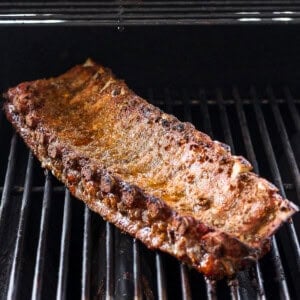
Look for ribs that have pulled back from the bone. You should see about a quarter-inch of bone exposed. This is a good sign that the meat is cooked through. Another test is the bend test. Pick up the ribs with tongs in the middle and give them a gentle bounce. If they start to crack slightly, they are ready. Texture is key. The meat should be tender, not mushy, and come off the bone with a gentle tug. If you find yourself gnawing at the bone, give them a bit more time on the grill. Have you ever tried the bend test on your ribs? It’s a game-changer in ensuring they are perfectly cooked.
Serving Suggestions
Serving your baby back ribs right after grilling can make all the difference in taste and presentation. How you rest and slice them affects the texture and flavor experience. Pairing ribs with the right sides can elevate your meal from good to unforgettable.
Resting And Slicing Ribs
Let your ribs rest for about 10 minutes after grilling. This pause allows the juices to redistribute, making every bite juicy and tender.
Slice ribs between the bones to keep each piece intact and easy to eat. Use a sharp knife and cut carefully to avoid shredding the meat.
Have you noticed how much easier ribs are to handle when sliced properly? It’s a small step that rewards you with better flavor and a neater plate.
Side Dishes To Complement
Think about sides that balance the rich, smoky flavor of baby back ribs. Fresh, crisp salads or tangy coleslaw add a refreshing contrast.
- Cornbread or garlic bread – for a comforting, hearty touch
- Grilled vegetables like zucchini or bell peppers – to keep the smoky theme going
- Baked beans or mac and cheese – classic crowd-pleasers that pair well
- Pickles or a vinegar-based sauce – to cut through the richness
Which side dish do you think will surprise your guests the most? Experimenting with flavors can turn your rib dinner into a memorable feast.
Credit: fitfoodiefinds.com
Troubleshooting Common Issues
Grilling baby back ribs on a gas grill can sometimes bring challenges. Common issues include dry meat, flare-ups, and uneven cooking. Knowing how to handle these problems helps achieve tender, juicy ribs every time.
Avoiding Dry Or Tough Ribs
Dry or tough ribs happen when cooked too long or at too high heat. Keep the grill temperature low, around 225°F to 250°F. Use indirect heat by turning off burners directly under the ribs. Wrap ribs in foil to lock in moisture during cooking. Baste ribs with a sauce or marinade to keep them juicy. Rest ribs for 10 minutes after cooking to let juices settle. Cut ribs against the grain for easier chewing.
Fixing Flare-ups And Uneven Cooking
Flare-ups occur when fat drips on flames, causing sudden flames. Move ribs away from direct flames quickly. Keep a spray bottle with water nearby to control small flare-ups. Cook ribs with the lid closed to maintain even heat. Rotate ribs every 20 minutes for uniform cooking. Use a grill thermometer to check temperature in different spots. Adjust burners to balance heat and avoid hot or cold zones.
Frequently Asked Questions
How Long To Cook Baby Back Ribs On A Gas Grill?
Cook baby back ribs on a gas grill for 1. 5 to 2 hours. Use indirect heat at 275°F. Turn ribs occasionally for even cooking and tenderness.
Should I Marinate Ribs Before Grilling On Gas?
Marinating ribs before grilling adds flavor and moisture. Use a marinade with acidity like vinegar or citrus. Marinate for at least 2 hours or overnight for best results.
What Temperature Is Best For Grilling Baby Back Ribs?
Maintain a grill temperature of 275°F for tender ribs. This low and slow method ensures juicy, flavorful results without drying out the meat.
How To Keep Ribs Moist On A Gas Grill?
Wrap ribs in foil during cooking to retain moisture. Baste with sauce or apple juice periodically. Avoid high direct heat to prevent drying out.
Conclusion
Grilling baby back ribs on a gas grill is simple and fun. Start with clean, well-prepared ribs. Use low heat and cook slowly for tender meat. Add your favorite spices or sauce for great flavor. Check ribs often to avoid burning.
Let ribs rest a few minutes before serving. Enjoy the juicy, smoky taste with friends or family. Practice makes perfect. Keep trying, and each time will get better. Your gas grill can make delicious ribs anytime.