Are you looking for a simple, foolproof way to turn a tough arm roast into a tender, juicy meal? Cooking an arm roast in a slow cooker is the answer.
With just a few easy steps, you can create a mouthwatering dish that melts in your mouth. Imagine coming home to the rich aroma of perfectly cooked beef, ready to serve without hours of standing over the stove. Keep reading, and you’ll discover how to make this hearty meal effortlessly, saving time while impressing your family and friends.
Your slow cooker is about to become your new best kitchen helper!
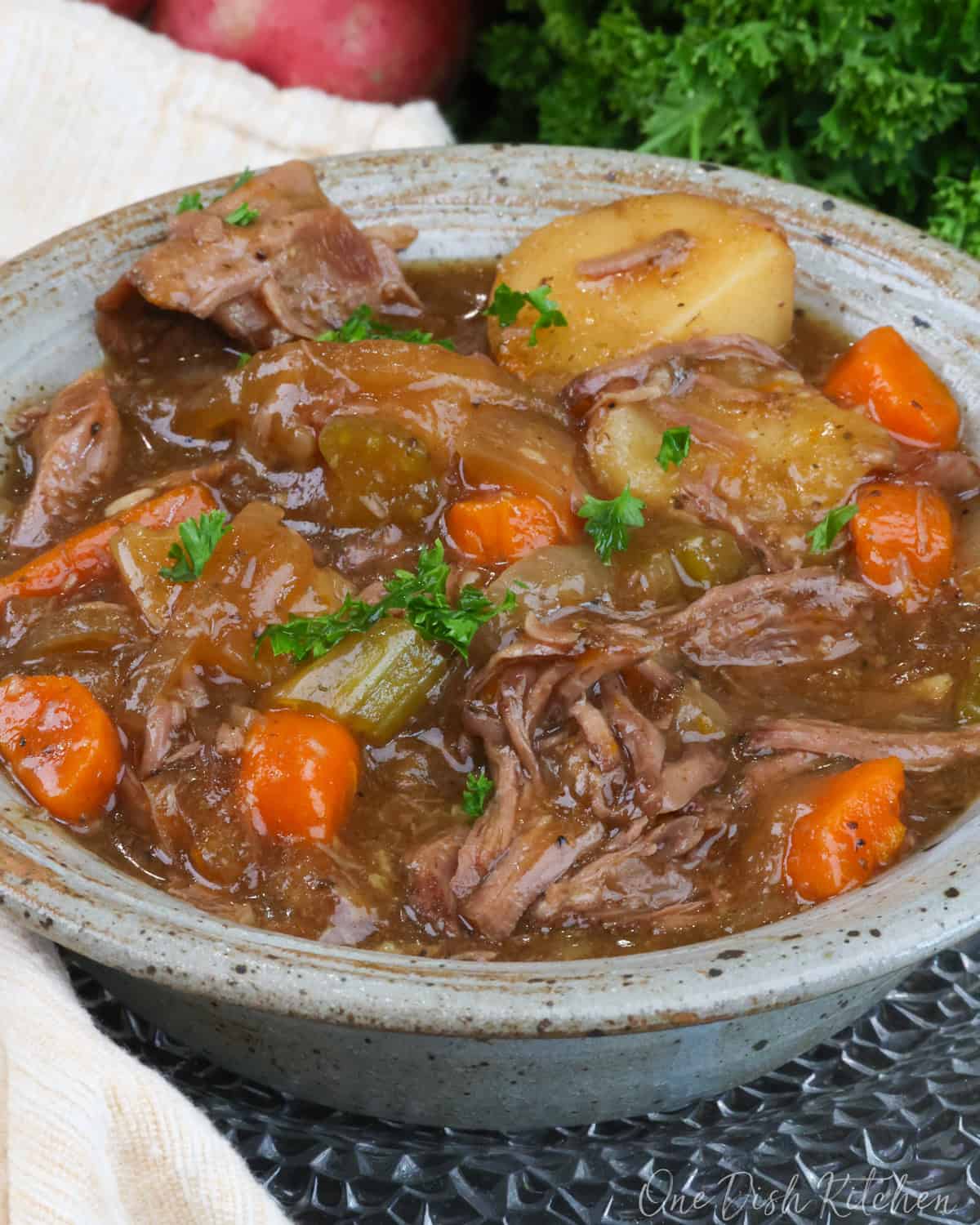
Credit: onedishkitchen.com
Choosing The Right Arm Roast
Choosing the right arm roast can make all the difference in your slow cooker meal. Not all arm roasts are created equal, and understanding the variations will help you pick a cut that cooks tender and flavorful. Let’s break down what to look for so your roast turns out just right every time.
Types Of Arm Roast Cuts
The arm roast comes from the shoulder area of the cow, known for its rich flavor but also its toughness if not cooked properly. Here are common types you’ll find:
- Blade Arm Roast:This cut has good marbling and connective tissue, which breaks down beautifully during slow cooking, resulting in juicy, tender meat.
- Chuck Arm Roast:Slightly tougher with more fat, but it becomes incredibly flavorful and succulent when cooked low and slow.
- Cross Rib Roast:Also from the shoulder, this cut is leaner but benefits from slow cooking to become tender.
Choosing between these depends on your preference for fat content and how much time you have to cook. Have you ever noticed how a well-marbled roast melts in your mouth?
What To Look For At The Store
When shopping, inspect the arm roast carefully to ensure quality. Look for meat that is bright red with a slight sheen — this signals freshness.
- Marbling:Thin streaks of fat within the muscle will help keep the roast moist and flavorful during slow cooking.
- Firmness:The roast should feel firm to the touch, not mushy or overly soft.
- Size:Consider how many people you’re feeding; arm roasts typically range from 2 to 5 pounds.
Ask your butcher if the roast has been trimmed or if any bones remain. Sometimes a bone-in arm roast offers extra flavor but requires slightly longer cooking time. Have you ever compared bone-in versus boneless roasts in your slow cooker? The difference might surprise you.
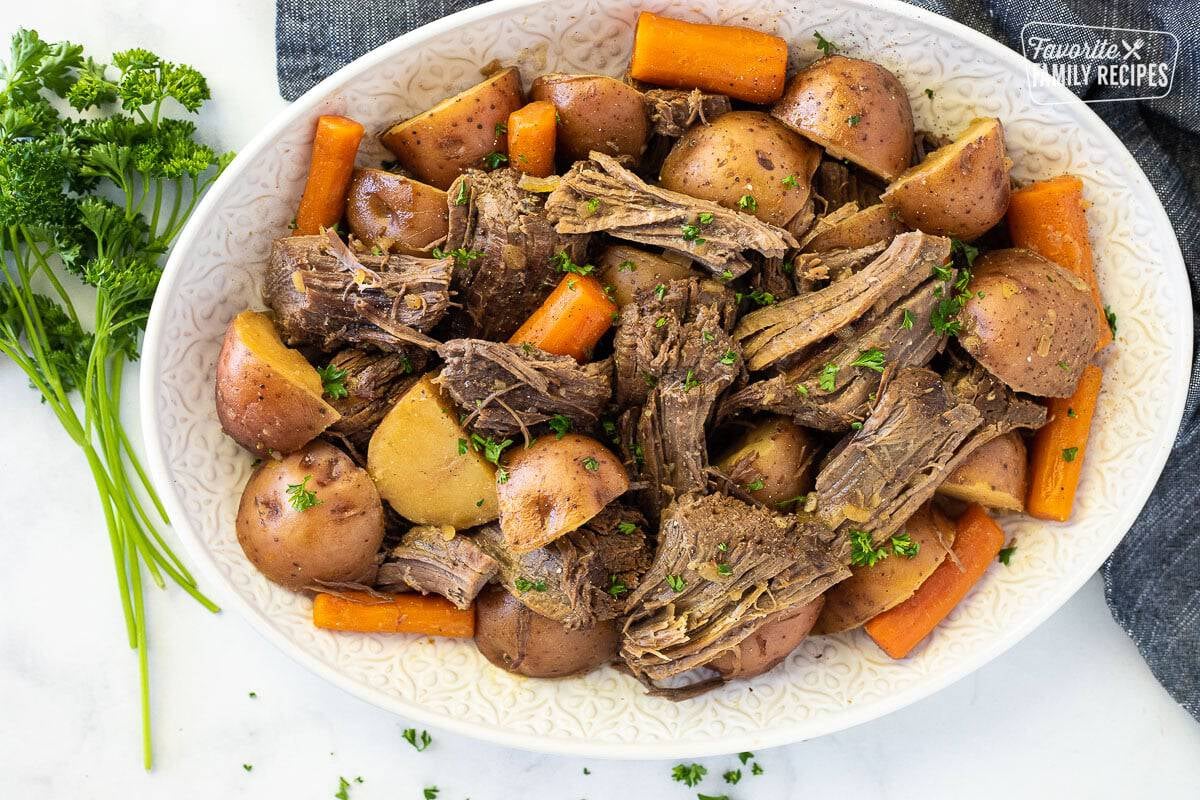
Credit: www.favfamilyrecipes.com
Preparing The Roast
Preparing the roast is a crucial part of cooking an arm roast in a slow cooker. The way you trim and season your meat directly affects the flavor and texture of the final dish. Taking a little extra time here ensures your roast turns out tender, juicy, and full of taste.
Trimming And Seasoning
Start by trimming off any large pieces of excess fat. A thin layer of fat is good—it helps keep the roast moist—but too much can make the dish greasy. Use a sharp knife and carefully remove thick fat caps without cutting into the meat.
Next, season the roast generously. Salt and pepper are essential, but don’t stop there. Add garlic powder, onion powder, and paprika for a deeper flavor profile. Press the seasoning into the meat so it sticks well during cooking.
Have you tried rubbing your roast with herbs like rosemary or thyme? These add a fresh, aromatic touch that complements slow-cooked beef beautifully. You can also sprinkle a little brown sugar for a subtle sweetness that caramelizes as it cooks.
Marinating Tips
Marinating isn’t required, but it can enhance flavor and tenderness. If you decide to marinate, choose an acidic base like vinegar, wine, or citrus juice. These help break down tough muscle fibers.
Mix your marinade with oil, herbs, and spices. Place the roast in a resealable bag or container, pour the marinade over, and refrigerate for at least 4 hours or overnight. This allows the flavors to penetrate deeply.
Wondering if marinating might make the meat mushy? Keep the marinating time balanced—too long in acid can change the texture. Aim for 8 to 12 hours max for the best results.
Remember, whether you season directly or marinate first, the key is to let your roast rest at room temperature for 30 minutes before cooking. This helps it cook evenly in the slow cooker.
Setting Up The Slow Cooker
Setting up the slow cooker correctly is key for a tender arm roast. A well-prepared slow cooker ensures even cooking and deep flavors. Simple steps can make your meal delicious and stress-free.
Choosing The Right Slow Cooker Size
Select a slow cooker that fits the arm roast comfortably. Too small, and the meat won’t cook evenly. Too large, and juices may evaporate too quickly. A 5 to 7-quart cooker works well for most arm roasts. It offers enough space for meat and vegetables without crowding.
Layering Ingredients
Place vegetables at the bottom of the slow cooker. This creates a flavorful base and prevents the roast from sticking. Add carrots, onions, and potatoes in a single layer. Put the arm roast on top of the vegetables. Pour broth or seasoning over the meat for extra taste. This layering helps the roast cook evenly and stay juicy.
Cooking Times And Temperatures
Cooking an arm roast in a slow cooker requires setting the right temperature and cooking time. Use low heat for about 8 hours for tender, flavorful meat. Adjust time based on roast size and slow cooker model.
Cooking an arm roast in a slow cooker can be a game-changer for your meal prep. Understanding the right cooking times and temperatures is crucial to achieving that tender, fall-apart texture. With a slow cooker, you have two main settings to choose from—low and high. But which one should you use for your arm roast? And how do you know when it's perfectly done? Let's dive into these questions and more.
Low Vs High Settings
The choice between low and high settings can affect the texture and flavor of your arm roast. Cooking on the low setting usually takes about 8 to 10 hours. This slow, gentle heat helps to break down tough connective tissues, resulting in a melt-in-your-mouth roast. On the other hand, using the high setting will cook the roast in 4 to 6 hours. This method is perfect if you're short on time but still want a flavorful meal. However, keep in mind that the roast might not be as tender as the low setting. So, what's your priority—time or tenderness?
How To Check For Doneness
Checking for doneness is crucial to avoid overcooking or undercooking your roast. Use a meat thermometer to check the internal temperature. Aim for a temperature of around 145°F for medium-rare or 160°F for medium doneness. Another way to check is by using a fork to see if the meat pulls apart easily. If it does, your roast is ready to serve. Still not sure? Cut a small piece and taste it. Remember, the key to a perfect roast is patience. Are you willing to wait for that perfect bite?
Adding Flavor Enhancers
Adding flavor enhancers to your slow cooker arm roast can transform a simple dish into a memorable meal. These additions deepen the taste and make the meat tender and juicy. Let’s look at some practical ways to boost the flavor without complicating your cooking process.
Using Broth And Wine
Using broth instead of water is a simple way to add rich flavor. Beef broth works best, but chicken or vegetable broth can also add a nice touch depending on your preference.
Wine adds acidity and complexity that broth alone can’t provide. A splash of red wine complements the beef’s natural taste beautifully. Try about half a cup to start, and watch how the flavors meld as it cooks low and slow.
Have you ever noticed how a small amount of liquid can change the entire dish? Experiment with different types of broth or wine to find your favorite combination.
Incorporating Vegetables And Herbs
Vegetables not only add flavor but also create a natural sauce as they cook down. Common choices include onions, carrots, and celery, which bring sweetness and earthiness to the roast.
Fresh herbs like rosemary, thyme, and bay leaves release their aroma slowly in the slow cooker. Adding them at the beginning allows their flavors to infuse the meat thoroughly.
Consider tossing in a few garlic cloves or a pinch of crushed red pepper for extra zest. Have you tried adding herbs and vegetables at the start versus later in cooking? The difference can be surprising.
Finishing Touches
After slow cooking your arm roast, the finishing touches bring out the best flavors and texture. This stage improves the juiciness and enhances the taste of the meat. Taking time for these final steps makes your meal more enjoyable and satisfying.
Resting The Meat
Resting the roast is important. It lets the juices spread inside the meat. Cutting the roast right away will cause the juices to spill out. This makes the meat dry.
Cover the roast loosely with foil. Let it rest for 15 to 20 minutes. This short wait improves tenderness and flavor. The meat stays moist and easier to slice.
Making A Gravy Or Sauce
The slow cooker has tasty juices left after cooking. These juices are perfect for gravy or sauce. Pour the juices into a pan. Heat them on medium.
Mix a little flour or cornstarch with cold water. Stir this mix into the hot juices. Keep stirring until the sauce thickens. Add salt and pepper to taste.
Pour the gravy over the sliced roast. Or serve it on the side. This sauce adds richness and makes the meal complete.
Serving Suggestions
Serving an arm roast cooked in a slow cooker is more than just placing it on a plate. The right sides and presentation can transform your meal into a special occasion. Thoughtful serving ideas help highlight the roast's rich flavors and tender texture. Simple touches make the dish inviting and enjoyable for everyone at the table.
Side Dishes That Pair Well
- Mashed potatoes with creamy butter complement the roast's juiciness.
- Roasted root vegetables like carrots and parsnips add sweetness.
- Steamed green beans or asparagus provide a fresh, crisp contrast.
- Buttered dinner rolls or crusty bread help soak up the gravy.
- A light salad with a tangy vinaigrette balances the meal.
Presentation Tips
Slice the arm roast against the grain for tender pieces. Arrange slices neatly on a warm serving platter. Spoon slow cooker juices or gravy over the meat for moisture and shine.
Garnish the plate with fresh herbs like rosemary or parsley. Use colorful vegetables to brighten the presentation. Serve with warm side dishes in separate bowls to keep flavors distinct.
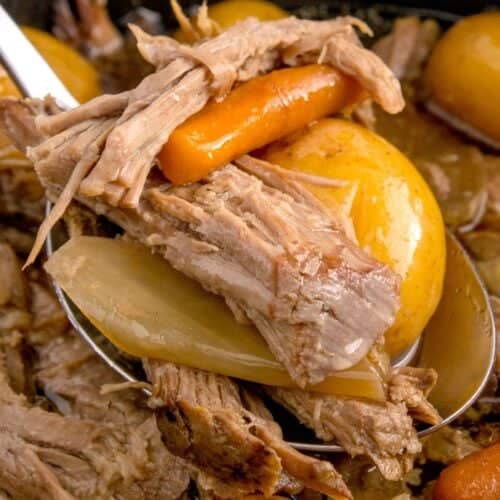
Credit: www.everydayfamilycooking.com
Troubleshooting Common Issues
Cooking an arm roast in a slow cooker is simple but can sometimes lead to common problems. These issues often involve the texture and cooking time. Understanding how to fix these problems helps make your roast tender and juicy. Troubleshooting can save your meal and improve your cooking skills.
Handling Tough Or Dry Meat
Tough or dry meat means it needs more moisture and time. Use broth or water to keep the meat wet. Cover the roast completely with liquid in the slow cooker. This prevents drying out and helps break down tough fibers.
Try adding vegetables like carrots and onions. They release moisture while cooking and add flavor. Avoid lifting the lid often, as this loses heat and moisture.
Adjusting Cooking Time
Cooking times can vary by slow cooker and roast size. Check the roast after the minimum time suggested. If it feels hard or chewy, cook it longer on low heat.
If the roast is too soft or falling apart, reduce cooking time next time. Use a meat thermometer to check the temperature. Aim for 190°F to 205°F for tender, well-cooked meat.
Keep notes of your cooking times and results. This helps you adjust for perfect roast every time.
Frequently Asked Questions
How Long Does It Take To Cook An Arm Roast In A Slow Cooker?
Cooking an arm roast in a slow cooker usually takes 7 to 8 hours on low heat. For quicker results, cook on high for about 4 to 5 hours. Always check for tenderness before serving.
What Is The Best Seasoning For Slow Cooker Arm Roast?
A simple mix of salt, pepper, garlic, and herbs works best. You can also add onions, carrots, and celery for extra flavor. These seasonings enhance the roast's natural taste without overpowering it.
Can I Cook A Frozen Arm Roast In A Slow Cooker?
It’s not recommended to cook a frozen arm roast in a slow cooker. Thaw the roast completely before cooking for even heat distribution and to avoid food safety risks.
Should I Brown The Arm Roast Before Slow Cooking?
Browning the arm roast before slow cooking is optional but recommended. It adds flavor and improves texture. Sear the meat on all sides in a hot pan for 3-4 minutes before placing it in the slow cooker.
Conclusion
Cooking an arm roast in a slow cooker makes dinner easy and tasty. The slow heat helps the meat become soft and full of flavor. Just add your favorite spices and vegetables. Let the cooker do the work while you relax.
Serve with sides for a warm, comforting meal. This method saves time and effort in the kitchen. Try it once, and you’ll want to make it again and again. Simple steps lead to delicious results every time.