Grilling a whole chicken on your gas grill can be a game-changer for your meals. Imagine juicy, flavorful chicken with crispy skin, cooked perfectly right in your backyard.
You might think it’s complicated, but it’s easier than you expect. In this guide, you’ll discover simple steps to get that mouthwatering result every time. Ready to impress your family and friends with your grilling skills? Keep reading, and you’ll learn exactly how to make your whole chicken the star of any cookout.

Credit: cooking.nytimes.com
Choosing The Right Chicken
Choosing the right chicken is key to grilling success. It affects cooking time, flavor, and how juicy your chicken turns out. Let’s look at what you should consider before placing that bird on your gas grill.
Size And Weight Tips
The size of your chicken will determine how long it needs to cook. A whole chicken typically weighs between 3 to 5 pounds. If your chicken is on the larger side, expect a longer cook time and plan accordingly.
Smaller chickens cook faster and often have more tender meat. Think about the number of people you’re feeding. Do you want leftovers or just enough for dinner? This helps you pick the perfect size.
Fresh Vs. Frozen
Fresh chicken usually tastes better and cooks more evenly on the grill. However, frozen chicken can be just as good if properly thawed. Never grill a chicken straight from the freezer; always thaw it in the fridge for 24 hours.
Have you noticed how fresh chicken has a firmer texture? That’s because freezing changes the muscle fibers a bit. If you’re after juiciness and texture, fresh might be worth the extra effort.
Organic And Free-range Options
Organic and free-range chickens often come with richer flavor and better texture. They are raised with fewer chemicals and more natural diets. This can make a noticeable difference on your grill.
Choosing organic or free-range can also support more ethical farming practices. It’s a choice that benefits your health and the environment. How important is that to your grilling experience?
Preparing The Chicken
Rinse the chicken and pat it dry with paper towels. Season the bird inside and out with salt, pepper, and your favorite spices. Let it rest at room temperature before grilling.
Preparing a whole chicken for the gas grill is crucial. This step sets the stage for a delicious meal. Let's dive into the essentials of chicken preparation.
Cleaning And Patting Dry
Rinse the chicken under cold water. Remove any giblets or neck parts. Once clean, pat the chicken dry with paper towels. Dry skin helps achieve a crispy texture. Ensure every part of the chicken is moisture-free.
Seasoning And Marinades
Choose your favorite spices or herbs. Rub them generously over the chicken. Marinades can add extra flavor. Mix olive oil, lemon juice, and garlic for a simple marinade. Let the chicken sit in the marinade for at least 30 minutes. This allows the flavors to seep in.
Stuffing Ideas
Stuffing adds flavor from the inside. Consider using lemon slices and rosemary. Garlic cloves and onion wedges work well too. Place the stuffing in the chicken cavity. Ensure it's not too tightly packed for even cooking.
Setting Up The Gas Grill
Setting up your gas grill properly is the foundation of cooking a whole chicken that’s juicy on the inside and crispy on the outside. It’s not just about turning on the grill; it’s about managing heat and airflow to create the perfect environment. Understanding your grill’s behavior can save you from undercooked or burnt chicken and elevate your grilling experience.
Preheating Techniques
Preheating your gas grill is essential to avoid sticking and to cook the chicken evenly. Turn on all burners and close the lid, allowing the grill to heat for about 10-15 minutes until it reaches a steady temperature around 400°F (204°C).
Why is this important? A well-preheated grill ensures the grates sear the chicken skin quickly, locking in juices and flavor. If you skip this step, the chicken might cook unevenly and stick to the grates, making cleanup harder.
Direct Vs. Indirect Heat
Deciding between direct and indirect heat can make or break your whole chicken grilling. Direct heat means placing the chicken right over the flame, which is great for quick searing but risks burning the skin before the inside cooks.
Indirect heat involves turning off the burner directly under the chicken and cooking it next to the flame. This method mimics oven roasting and is ideal for a whole bird, allowing slow and even cooking without flare-ups.
Think about your chicken size and grill setup: Do you have enough space to set up an indirect zone? Many gas grills have multiple burners that you can control separately, making indirect cooking straightforward once you know how.
Adjusting Grill Temperature
Maintaining the right temperature throughout the cooking process is crucial for moist, tender chicken. Start with a higher temperature for the first 10 minutes to brown the skin, then lower the heat to around 325°F (163°C) for the remainder of the cooking time.
Use your grill’s knobs to adjust the burners individually. If your chicken is browning too fast, reduce the flame under it and increase the surrounding burners to keep the heat balanced.
Have you noticed how a small tweak in heat changes the cooking speed? Paying close attention to temperature control helps you avoid both dried-out meat and undercooked spots, ensuring every bite is perfect.

Credit: www.101cookingfortwo.com
Grilling The Chicken
Grilling a whole chicken on a gas grill transforms a simple meal into a flavorful experience. The key is managing heat and timing to ensure the chicken cooks evenly without drying out. Your grill becomes a tool for crisp skin and juicy meat when you understand the right way to handle it.
Placing The Chicken On The Grill
Start by preheating your grill to medium heat, around 350°F (175°C). Place the chicken breast side up on the grill grate, away from direct flames to avoid burning the skin. Position the chicken over indirect heat to cook it gently and evenly.
Have you noticed how placing the chicken away from direct heat helps prevent flare-ups? This approach keeps the skin crispy while the inside stays moist.
Turning And Basting
Turn the chicken every 20 minutes to promote even cooking and avoid hot spots. Use tongs or a spatula gently to keep the skin intact. Baste the chicken with your favorite marinade or melted butter each time you turn it—this adds flavor and moisture.
Think about the last time you skipped basting—did the chicken taste as juicy? Regular basting locks in flavor and keeps the meat tender.
Using A Meat Thermometer
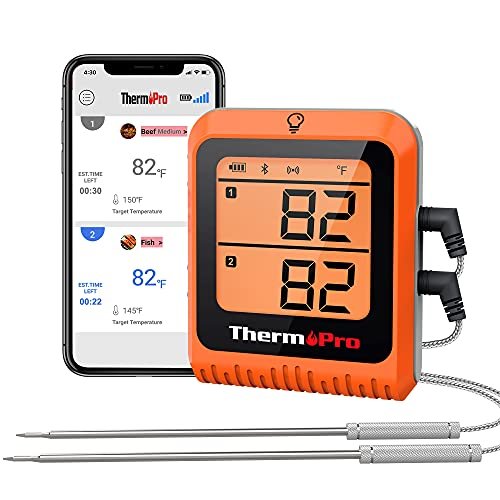
A meat thermometer is your best friend for perfect results. Insert it into the thickest part of the thigh without touching the bone. Aim for an internal temperature of 165°F (74°C) to ensure the chicken is fully cooked and safe to eat.
Without a thermometer, you might undercook or overcook your chicken. Don’t guess—trust the thermometer to tell you exactly when it’s done.
Achieving Juicy Flavor
Achieving juicy flavor when cooking a whole chicken on a gas grill is all about technique and attention to detail. It’s not just about cooking the bird through; it’s about locking in moisture and enhancing the natural flavors. Small steps like resting the chicken, adding smoke, and using brining methods can turn your grilled chicken from dry to deliciously juicy.
Resting The Chicken
Resting your chicken after grilling is crucial. When you take the chicken off the grill, the juices are still moving around inside. If you cut into it immediately, those juices spill out, leaving the meat dry.
Let your chicken rest for at least 10-15 minutes on a cutting board, loosely covered with foil. This pause lets the juices redistribute, making every bite moist and flavorful.
Adding Smoke With Wood Chips
Adding a smoky flavor can enhance the chicken’s juiciness and give it an irresistible aroma. Soak wood chips like hickory, apple, or cherry in water for about 30 minutes before grilling.
Place the soaked chips in a smoker box or wrap them in foil with holes poked through. Set the box over the gas burners to create smoke that infuses the chicken without drying it out.
Brining Methods
Brining is a powerful way to boost moisture in your chicken. A simple brine uses water, salt, and sugar to help the meat absorb and retain juices during cooking.
You can try a basic brine with:
- 4 cups water
- ¼ cup salt
- ¼ cup sugar
Soak your whole chicken in this mixture for 4 to 6 hours in the fridge. The salt penetrates the meat, keeping it tender and juicy when grilled.

Credit: www.101cookingfortwo.com
Serving Suggestions
Serving a whole chicken fresh off the gas grill is a rewarding experience. How you present and pair it can elevate the meal from simple to memorable. Let’s look at how to carve it neatly, what sides complement the flavors, and how to handle any leftovers with care.
Carving Tips
Start by letting the chicken rest for about 10 minutes after grilling. This helps the juices redistribute, making the meat juicier and easier to cut.
Use a sharp carving knife and cut along the natural joints. Remove the legs first by slicing between the thigh and body. Then, separate the drumsticks from the thighs.
Next, carve the breasts by slicing downward parallel to the breastbone. Cutting against the grain will give you tender slices. Don’t forget the wings—tender and flavorful, they make great finger food.
Side Dishes To Pair
Think about balance when choosing your sides. A fresh green salad with a tangy vinaigrette will brighten the smoky flavor of grilled chicken.
- Grilled vegetables like asparagus or zucchini add a nice char and crunch.
- Classic coleslaw offers a creamy, refreshing contrast.
- Consider roasted potatoes seasoned with rosemary and garlic for a hearty touch.
What sides do you find bring out the best in grilled chicken? Experimenting with different herbs or spices in your sides can surprise your palate.
Storing Leftovers
Leftover grilled chicken can be a lifesaver for busy days. Cool it to room temperature before storing it in an airtight container.
Keep it in the fridge for up to 3-4 days. If you want to save it longer, freeze the chicken in portions wrapped tightly in foil or plastic wrap.
Use leftovers in salads, sandwiches, or quick stir-fries. Have you ever transformed your grilled chicken leftovers into a completely new dish? It’s a great way to avoid waste and enjoy your meal twice.
Frequently Asked Questions
How Long To Grill A Whole Chicken On Gas Grill?
Grill a whole chicken for 60-75 minutes on medium heat. Turn occasionally for even cooking. Use a meat thermometer; internal temperature should reach 165°F.
What Temperature Is Best For Grilling Whole Chicken?
Maintain a medium heat of 350°F to 375°F on your gas grill. This temperature cooks the chicken evenly without burning the skin.
Should I Marinate Chicken Before Grilling Whole?
Yes, marinating adds flavor and keeps the chicken moist. Marinate for at least 1 hour or overnight in the fridge for best results.
How To Prevent Chicken From Drying On Gas Grill?
Use indirect heat and keep the lid closed. Baste the chicken occasionally and avoid overcooking by monitoring internal temperature.
Conclusion
Grilling a whole chicken on a gas grill is simple and rewarding. Follow the steps carefully for juicy, flavorful meat. Keep the grill temperature steady and use a meat thermometer. Let the chicken rest before slicing. Enjoy the delicious taste of homemade grilled chicken with your family.
Try different spices and marinades to find your favorite flavor. Cooking outside brings fun and great food together. Now, you are ready to grill with confidence.