Grilling a whole chicken on your gas grill might sound tricky, but it’s easier than you think—and the results are mouthwatering. Imagine juicy, tender chicken with crispy skin, cooked just the way you like it.
Whether you're a beginner or looking to sharpen your grilling skills, this guide will walk you through every step. By the end, you’ll know exactly how to get perfect, flavorful chicken every time. Ready to impress your family and friends with a delicious grilled feast?
Let’s get started!
Choosing The Right Chicken
Choosing the right chicken is key for a tasty grilled meal. The quality and size of the bird affect cooking time and flavor. Picking the best chicken helps you grill evenly and enjoy juicy meat.
Fresh Vs. Frozen
Fresh chicken often has a better texture and flavor. It cooks more evenly and retains moisture well. Frozen chicken is convenient and lasts longer. Thaw it completely before grilling to avoid uneven cooking. Fresh chicken usually needs less prep time. Frozen chicken might require extra care to keep it juicy.
Ideal Size For Grilling
Choose a chicken that weighs between 3 to 4 pounds. This size fits well on most gas grills. It cooks evenly without drying out. Larger chickens take longer and may cook unevenly. Smaller chickens cook fast but can dry out quickly. Picking the right size helps balance cooking time and taste perfectly.

Credit: www.youtube.com
Preparing The Chicken
Preparing the chicken properly sets the foundation for a delicious grilled meal. It ensures the chicken cooks evenly and tastes great. Taking time at this stage improves texture and flavor. Follow simple steps to clean, trim, and season the chicken well.
Cleaning And Trimming
Start by rinsing the chicken under cold water. Remove any leftover feathers or giblets inside the cavity. Pat the chicken dry with paper towels to remove excess moisture.
Trim extra fat or skin hanging from the edges. This step helps prevent flare-ups on the grill. Check the wings and legs, trimming any loose skin. Cleaning and trimming make grilling safer and more effective.
Seasoning And Marinades
Seasoning adds flavor and enhances the chicken’s taste. Use salt and pepper as a simple base. Rub the seasoning inside the cavity and on the skin for even flavor.
Marinades soak into the meat and keep it moist. Choose marinades with oil, acid (like lemon juice or vinegar), and herbs or spices. Let the chicken marinate for at least 1 hour, or overnight for stronger flavor.
Pat the chicken dry after marinating to avoid excess dripping on the grill. This step helps achieve crispy, golden skin.
Setting Up The Gas Grill
Setting up your gas grill correctly is the foundation for cooking a whole chicken that’s juicy on the inside and crispy on the outside. Without the right setup, you risk uneven cooking or a dry bird. Let’s dive into how to prepare your grill so you get that perfect balance of heat and flavor.
Temperature Control
Controlling the temperature on a gas grill is crucial. You want a steady, moderate heat around 350°F (175°C) to cook the chicken evenly without burning the skin.
Most gas grills have dials for each burner. Turn on only some burners to create zones with different temperatures. This way, you can move the chicken around if one area gets too hot.
Using a grill thermometer helps a lot. Don’t just rely on the grill's built-in gauge—it can be inaccurate. Instead, place an instant-read thermometer on the grill grate to monitor the actual cooking surface temperature.
Direct Vs. Indirect Heat
Understanding direct and indirect heat will change how your chicken turns out. Direct heat means placing the chicken right above the flame, which can quickly burn the outside before the inside cooks.
Indirect heat means turning off the burner directly under the chicken and cooking it next to the heat source. This method is key for whole chickens, allowing the heat to circulate and cook the meat slowly.
Try setting up your grill with one or two burners on and the others off. Place the chicken over the unlit side. This setup mimics an oven and keeps the chicken moist.
Have you noticed how your grill cooks differently in various spots? Use that to your advantage by moving the chicken around as needed during cooking.
Grilling Techniques For Whole Chicken
Grilling a whole chicken on a gas grill can be simple and delicious. The right techniques help cook the chicken evenly and keep it juicy. You can try different ways to grill a whole chicken. Each way offers unique flavors and textures. Here are some popular grilling techniques that work well.
Spatchcock Method
Spatchcocking means removing the chicken’s backbone and flattening it. This helps the chicken cook faster and more evenly. The flat shape allows more skin to touch the grill. This gives extra crispy skin and juicy meat. Place the chicken skin-side down first. Cook over medium heat to avoid burning.
Rotisserie Option
Using a rotisserie attachment lets the chicken turn slowly while cooking. The constant rotation cooks the chicken evenly on all sides. It also keeps the juices inside the meat. This method needs a special rotisserie setup on your gas grill. It gives a nice, golden brown color and tender texture.
Using A Drip Pan
Place a drip pan under the chicken to catch fat and juices. This prevents flare-ups that can burn the chicken. You can add water or broth in the pan to keep the grill moist. The steam helps cook the chicken gently and keeps it tender. Set the drip pan on indirect heat, away from the direct flame.
Monitoring Cooking Progress
Check the chicken often to avoid burning and ensure even cooking. Use a meat thermometer to track the internal temperature for perfect doneness. Watch for clear juices and golden skin as signs of readiness.
Monitoring the cooking progress of a whole chicken on a gas grill is crucial. This ensures your chicken is cooked through without losing its juicy texture. Precise monitoring helps achieve perfect flavor and prevents overcooking.
Using A Meat Thermometer
A meat thermometer is an essential tool for grilling. Insert the thermometer into the thickest part of the chicken. Ensure it does not touch the bone. A reading of 165°F indicates the chicken is cooked. This ensures safety and optimal texture.
Signs Of Doneness
Visual cues can indicate when the chicken is ready. The juices should run clear, not pink. The skin should be golden brown and crisp. The meat should pull away from the bone easily. These signs confirm your chicken is perfectly cooked.

Credit: food52.com
Resting And Serving
Resting and serving a whole chicken grilled on gas is a key step. It helps keep the meat juicy and full of flavor. Skipping this step can make the chicken dry. Taking time to carve the chicken properly also improves the eating experience.
Rest Time Importance
Let the chicken rest for 10 to 15 minutes after grilling. This allows juices to settle inside the meat. Resting makes the chicken moist and tender. Cover the chicken loosely with foil to keep it warm. Avoid cutting the chicken too soon or the juices will run out. Patience here leads to better taste and texture.
Carving Tips
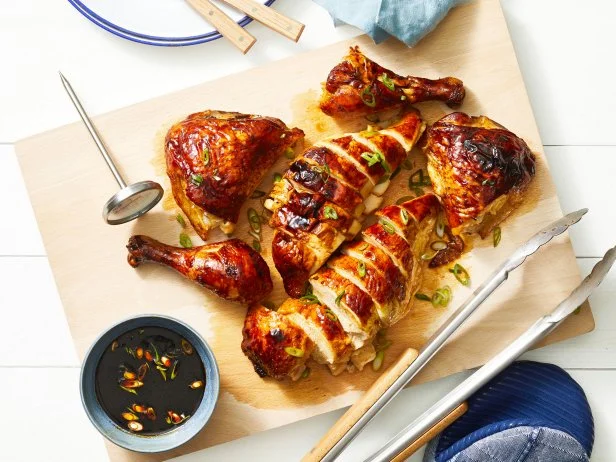
Use a sharp knife to carve the chicken. Start by removing the legs and thighs. Next, cut the wings away from the body. Slice the breast meat against the grain for tenderness. Arrange pieces on a platter for easy serving. Clean cuts look good and help guests enjoy every bite.
Troubleshooting Common Issues
Troubleshooting common issues while cooking a whole chicken on a gas grill can save you from frustration and disappointing meals. Grilling whole chicken demands attention to detail, especially with temperature control and moisture retention. Let’s look at practical ways to tackle common problems that can arise during the process.
Dry Meat Prevention
Dry chicken is a common complaint when grilling whole birds. The key is to keep the heat moderate and consistent. High temperatures can cause the outside to cook too fast, drying the meat before the inside is done.
Try these tips to keep your chicken juicy:
- Use indirect heat by turning off burners directly under the chicken.
- Marinate or brine your chicken beforehand to lock in moisture.
- Consider basting with a sauce or melted butter every 20 minutes.
- Wrap the chicken in foil if you notice it drying out too quickly.
Have you ever pulled a chicken off the grill only to find it dry? Adjusting your grill setup to indirect heat might be the simple fix you need.
Avoiding Flare-ups
Flare-ups can char your chicken and cause uneven cooking. They usually happen when fat drips onto the flames. Managing flare-ups means controlling the fat and flame interaction.
Here’s how to keep flare-ups at bay:
- Trim excess fat from the chicken before grilling.
- Place a drip pan beneath the chicken to catch fat drippings.
- Keep a spray bottle of water nearby to quickly douse small flames.
- Move the chicken to a cooler part of the grill if flare-ups occur.
Ever lost track of flare-ups and ended up with burnt spots? A simple drip pan can make a huge difference in maintaining steady flames and avoiding those hot, charred patches.
Enhancing Flavor
Using herbs and spices before grilling brings out rich, deep flavors in the chicken. Basting with marinade during cooking keeps the meat juicy and tasty.
Cooking a whole chicken on a gas grill can be a delightful experience, especially when you focus on enhancing its flavor. While grilling ensures a nice char and juicy interior, adding layers of flavor can elevate your culinary creation to a new level. By using a few easy techniques, you can transform a simple grilled chicken into a masterpiece that your family and friends will love.
Wood Chips For Smoking
Adding wood chips to your gas grill can infuse the chicken with a smoky flavor that’s often associated with traditional barbecue. Choose wood chips like hickory, apple, or cherry to add unique notes to your chicken. Soak the chips in water for about 30 minutes, then place them in a smoker box or wrap them in foil and poke holes to let the smoke escape. Place the smoker box or foil packet directly on the grill grates. As the wood chips begin to smoke, the aroma will envelop the chicken, adding depth and richness. Experiment with different types of wood to find a flavor combination that excites your palate.
Basting Techniques
Basting is another effective way to enhance the flavor of your grilled chicken. Create a simple basting sauce with ingredients like melted butter, garlic, lemon juice, and herbs. Brush this mixture over the chicken during the grilling process to keep it moist and flavorful. Consider basting every 20 minutes or so to ensure even coverage and maximum flavor absorption. As the chicken cooks, the basting sauce caramelizes, creating a delicious, slightly sticky glaze. This not only enhances the taste but also gives the chicken an appetizing appearance. Think about trying different basting ingredients to suit your taste preferences. Would a touch of honey or a splash of soy sauce add that perfect zing?
Credit: www.foodnetwork.com
Frequently Asked Questions
How Long To Grill A Whole Chicken On Gas Grill?
Grill a whole chicken for 60-90 minutes at medium heat. Use indirect heat and turn occasionally for even cooking. Check internal temperature reaches 165°F for safety and juiciness.
Should I Marinate Chicken Before Grilling Whole?
Yes, marinate the chicken for 2-4 hours or overnight. It enhances flavor and keeps meat moist during grilling. Use your favorite marinade with herbs, spices, and acidity for best results.
How To Prevent Chicken From Drying On Gas Grill?
Use indirect heat to avoid direct flames. Baste the chicken occasionally with marinade or oil. Monitor internal temperature to avoid overcooking. Let chicken rest before slicing to retain juices.
Can I Cook Stuffed Whole Chicken On A Gas Grill?
Yes, but ensure stuffing reaches 165°F for safety. Use a meat thermometer to check both chicken and stuffing. Cook longer if needed, and use indirect heat to avoid burning.
Conclusion
Grilling a whole chicken on a gas grill is simple and fun. Start with the right tools and fresh chicken. Keep the heat steady and watch the time. Check the chicken often to avoid overcooking. Let it rest before cutting to keep it juicy.
Serve with your favorite sides for a great meal. Try this method to enjoy tasty grilled chicken at home. Practice makes perfect, so don’t be afraid to try again. Cooking outdoors brings flavor and joy to your table.