Cooking a turkey in a convection oven can change the way you enjoy your holiday meal. Imagine a turkey that’s juicy on the inside, crispy on the outside, and ready faster than you expected.
You might think it’s tricky, but with the right steps, you can master it easily. In this guide, you’ll discover simple tips and tricks to make your turkey perfect every time. Keep reading to find out how to save time, lock in flavor, and impress your guests with a delicious turkey cooked just right in your convection oven.

Choosing The Right Turkey
Choosing the right turkey is the foundation of a successful convection oven roast. The turkey you select influences cooking time, flavor, and juiciness. Taking time to pick the best bird will reward you with a delicious centerpiece that impresses everyone at your table.
Fresh Vs Frozen
Deciding between fresh and frozen turkey depends on your schedule and storage options. Fresh turkeys often taste better because they haven’t been subjected to long freezing periods that can dry out the meat.
However, frozen turkeys are more convenient and usually less expensive. If you choose frozen, make sure to thaw it completely in the refrigerator—this can take several days depending on size. Have you ever rushed thawing and ended up with uneven cooking? Avoid that by planning ahead.
Size Considerations
The size of your turkey affects cooking time and how well it cooks in a convection oven. Smaller turkeys (10-12 pounds) cook faster and more evenly, perfect for smaller gatherings.
If you have a large family or many guests, a 16-20 pound turkey is common, but keep in mind it will take longer to cook and may need extra care to avoid drying out. A good rule is to allow about 10-12 minutes per pound in a convection oven.
Think about your oven’s capacity too. Will a large turkey fit comfortably without touching the heating elements? This simple check can save you from uneven cooking disasters.
Preparing The Turkey
Preparing your turkey properly sets the foundation for a perfectly cooked bird in a convection oven. It involves careful thawing, thorough cleaning, and smart seasoning. Each step impacts the flavor and safety of your meal, so take your time to do it right.
Thawing Safely
Thawing your turkey safely is crucial to avoid bacteria growth. The best way is to thaw it in the refrigerator, allowing about 24 hours for every 4-5 pounds of turkey. This slow thaw keeps the bird at a safe temperature throughout.
If you’re short on time, you can use the cold water method. Submerge the turkey in its original packaging in cold water, changing the water every 30 minutes. This method usually takes about 30 minutes per pound, but be sure to cook the turkey immediately after thawing.
Cleaning And Seasoning
Once thawed, rinse the turkey inside and out with cold water and pat it dry with paper towels. Removing excess moisture helps the skin crisp up in the convection oven. Don’t skip drying the cavity as well.
Seasoning is your chance to add flavor. Rub the turkey with olive oil or melted butter to promote browning. Then, season generously with salt, pepper, and herbs like rosemary or thyme. You can also slip some garlic cloves or lemon wedges under the skin for extra aroma.
Stuffing Tips
Stuffing the turkey is optional but can add depth to your meal. If you choose to stuff, never pack it too tightly—air needs to circulate for even cooking. Use a mixture that’s moist but not soggy, like bread cubes combined with sautéed onions, celery, and herbs.
Remember, a stuffed turkey will take longer to cook. Use a meat thermometer to check both the stuffing and the turkey’s internal temperature. This ensures everything reaches a safe 165°F before serving.
Setting Up The Convection Oven
Setting up a convection oven correctly is key to cooking a juicy, evenly roasted turkey. A convection oven uses a fan to circulate hot air around the food. This speeds up cooking and browns the turkey nicely. Preparing the oven right ensures your turkey cooks through without drying out.
Optimal Temperature Settings
Set the convection oven temperature lower than a regular oven. Usually, 325°F (165°C) works best for turkey. The fan moves heat faster, so a lower temperature avoids overcooking. Keep an eye on the turkey’s internal temperature to know when it is done.
Rack Placement
Place the oven rack in the center. This allows the hot air to circulate evenly around the turkey. Avoid placing the turkey too close to the top or bottom heating elements. Proper rack placement helps the bird cook uniformly and develop a crispy skin.
Using A Roasting Pan
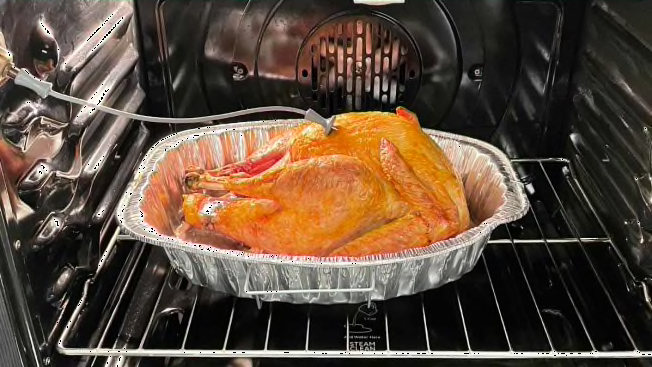
Choose a roasting pan with a rack inside. The rack lifts the turkey above the pan’s base. This lets air flow under the bird for even cooking. The pan also catches drippings for gravy. Avoid covering the turkey with foil; the convection air needs to reach the skin.
Cooking The Turkey
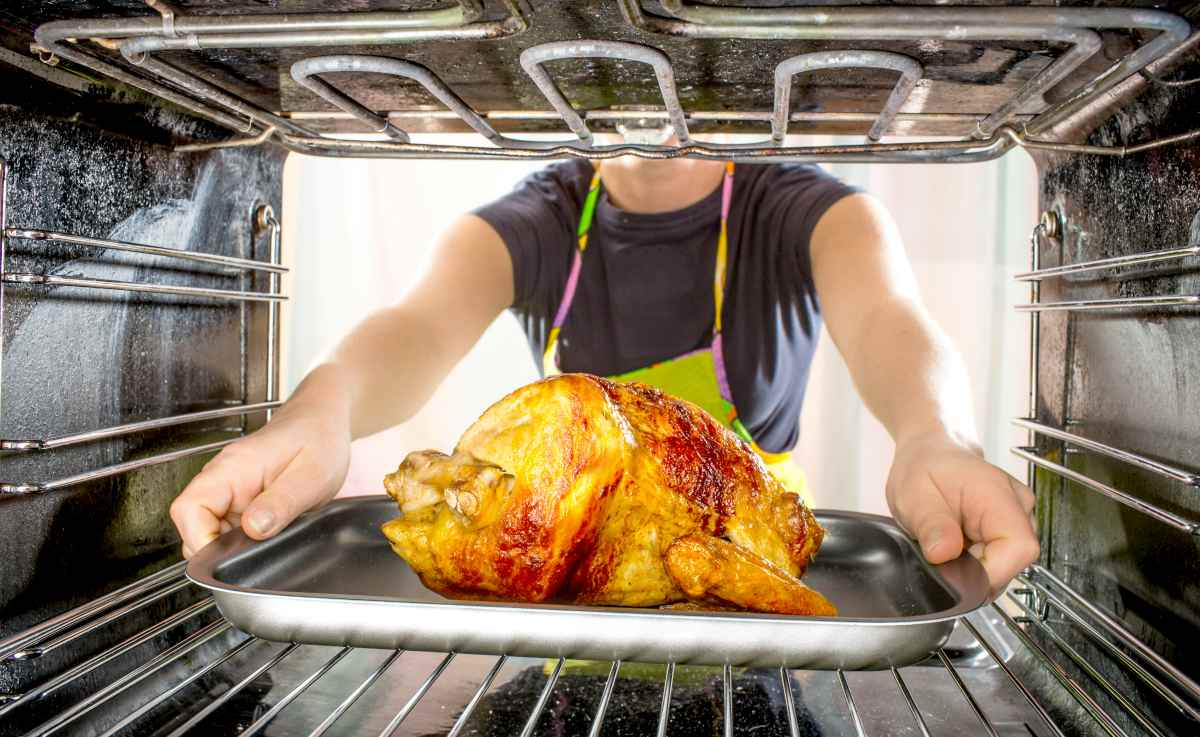
Cooking turkey in a convection oven ensures even heat and crispy skin. Lower the temperature by 25°F and roast until the meat reaches 165°F inside. Let the turkey rest before carving to keep it juicy and tender. How to prepare turkey in convection oven can also involve using a flavorful brine to enhance moisture. Make sure to season the skin well for added flavor and a beautiful golden finish. To achieve the best results, pair your turkey with complementary side dishes that can also be cooked in the convection oven.
Cooking a turkey in a convection oven can yield a juicy and flavorful bird. The circulating hot air cooks the turkey evenly and efficiently. This method is ideal for achieving a crispy skin while keeping the meat tender.
Calculating Cooking Time
To estimate cooking time, consider the turkey's weight. A convection oven reduces cooking time by about 25%. For a 12-pound turkey, plan for about 2.5 to 3 hours. Always preheat your oven to the right temperature before placing the turkey inside. This ensures even cooking from the start.
Monitoring Internal Temperature
Use a meat thermometer to check the turkey's internal temperature. Insert the thermometer into the thickest part of the breast and thigh. The turkey is done when the temperature reaches 165°F. Avoid guessing to ensure the turkey is fully cooked and safe to eat.
Basting Techniques
Basting adds moisture and flavor to your turkey. Use a brush or baster to apply juices or melted butter. Do this every 30 minutes for best results. Avoid opening the oven frequently to prevent heat loss. Keep basting quick and efficient.
Achieving Juicy Results
Achieving juicy results with a convection oven requires more than just setting the right temperature and time. The way you handle your turkey after cooking plays a huge role in locking in moisture and enhancing flavor. Small steps like resting and carving can transform a dry bird into a succulent centerpiece.
Resting The Turkey
After taking your turkey out of the convection oven, resist the urge to carve it immediately. Letting it rest for at least 20 to 30 minutes allows the juices to redistribute throughout the meat. This simple pause prevents all the flavorful liquid from spilling out when you cut into the bird.
Cover the turkey loosely with aluminum foil during resting to keep it warm without steaming the skin. Think about how a well-rested steak tastes more tender—that’s exactly what happens here. Have you ever wondered why some turkeys look dry? Often, it's because they weren't given this essential resting time.
Carving Tips
Use a sharp carving knife to slice your turkey cleanly and avoid tearing the meat. Start by removing the legs and thighs, cutting along the natural joints to make the process easier. Then move on to the breast, slicing against the grain to maximize tenderness.
- Slice thin pieces for more juiciness in every bite.
- Keep the skin on each slice to lock in flavor.
- Arrange the slices neatly on a warm platter to maintain temperature.
Have you tried carving the turkey while it’s still hot? You might notice the juices escaping quickly. Waiting and careful slicing can make all the difference in your turkey's texture and taste.
Troubleshooting Common Issues
Cooking turkey in a convection oven can bring great results. Still, some common issues may arise that affect taste and texture. Knowing how to fix these problems helps make your turkey delicious every time.
Dry Turkey Solutions
Dry turkey usually means it cooked too long or at too high temperature. Avoid this by checking the internal temperature often. The ideal temperature is 165°F (74°C) at the thickest part.
Try these tips to keep your turkey moist:
- Cover the turkey with foil during the first part of cooking.
- Baste the turkey every 30 minutes with its juices or broth.
- Let the turkey rest for 15 to 20 minutes before carving.
- Use a meat thermometer to avoid overcooking.
- Brine the turkey before cooking to add moisture.
Uneven Cooking Fixes
Uneven cooking means some parts are done while others are raw. This happens if the heat does not circulate well or the bird is too big.
- Place the turkey on a rack to let air flow around it.
- Rotate the turkey halfway through cooking for even heat.
- Use a convection setting to help hot air move inside the oven.
- Check multiple spots with a meat thermometer for doneness.
- Consider tenting the breast with foil to prevent burning before the legs are done.
Frequently Asked Questions
How Long To Cook Turkey In A Convection Oven?
Cooking a turkey in a convection oven takes about 10-15% less time than a conventional oven. Generally, roast at 325°F for 12-13 minutes per pound. Always use a meat thermometer to ensure the internal temperature reaches 165°F for safety.
Should I Lower The Temperature For Convection Turkey?
Yes, lower the temperature by 25°F compared to a conventional oven. For example, if the recipe says 350°F, set your convection oven to 325°F. This adjustment prevents overcooking and ensures even browning of the turkey.
Do I Need To Cover Turkey When Using Convection?
Covering the turkey is optional but recommended in the first hour. Use foil to prevent excessive browning. Remove the foil in the last 30-45 minutes to let the skin crisp up nicely.
How To Ensure Turkey Stays Moist In Convection Oven?
Brining the turkey before cooking helps retain moisture. Also, baste periodically with pan juices or butter. Cooking at a lower temperature and avoiding overcooking are key to keeping the meat juicy.
Conclusion
Cooking turkey in a convection oven saves time and cooks evenly. It keeps the meat juicy and the skin crispy. Remember to adjust the temperature and time for best results. Check the turkey’s temperature to ensure it’s fully cooked. Let the turkey rest before carving to keep it tender.
Using a convection oven makes holiday meals easier and tastier. Try these tips to enjoy a delicious turkey every time. Simple steps lead to great results. Happy cooking! One essential element to achieving success is finding the perfect convection oven turkey recipe. This will enhance the flavors and ensure your turkey is cooked evenly throughout. Be sure to follow each step carefully for optimal results.