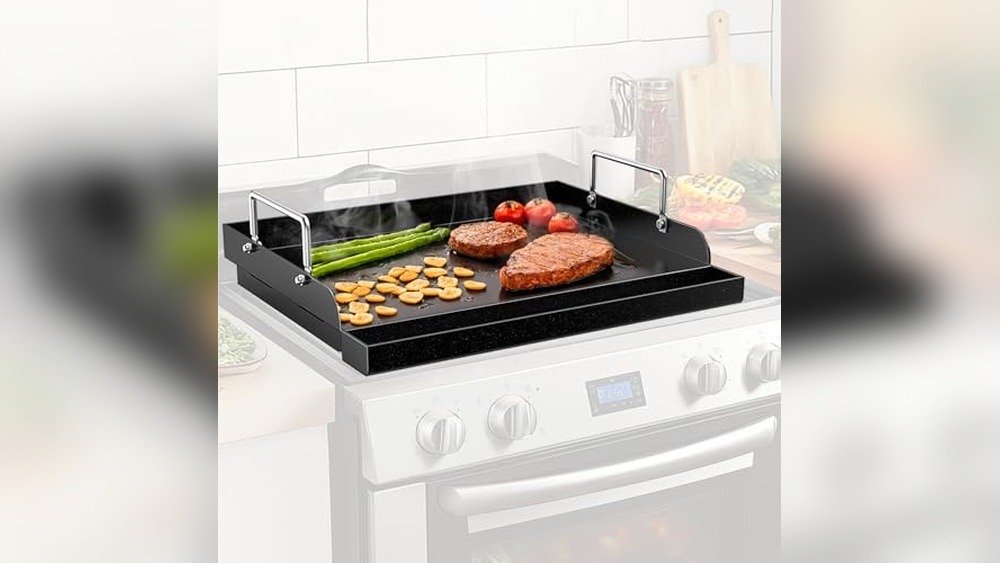
There’s nothing quite like the sizzle of a strip steak on a gas grill. If you want to impress your friends or simply enjoy a juicy, flavorful steak at home, you’re in the right place.
You might think grilling a perfect strip steak is tricky, but with the right steps, you can master it quickly. This guide will walk you through simple tips and techniques to get that ideal sear, juicy center, and mouthwatering taste every time.
Ready to turn your gas grill into a steakhouse? Let’s get started.
Choosing The Right Strip Steak
Choosing the right strip steak sets the foundation for a great grilling experience. The quality and characteristics of the steak affect flavor, tenderness, and cooking time. Knowing what to look for helps you pick a steak that will impress your taste buds and make grilling easier.
Selecting Quality Cuts
Look for USDA Choice or Prime grades when buying strip steak. These grades indicate better marbling and tenderness. Avoid steaks with dark spots or excessive moisture, as these can signal lower freshness.
Buy from a butcher you trust, or check the meat counter carefully. Sometimes, thickness and color can be deceiving, so ask questions about the source and aging process. Dry-aged steaks often have a richer flavor, but they come at a higher price.
Thickness And Marbling Tips
Choose steaks that are at least 1 to 1.5 inches thick to ensure even cooking and a juicy finish. Thinner cuts cook quickly but can dry out or become tough.
Check the marbling—the white streaks of fat running through the meat. More marbling means more flavor and a tender bite. A well-marbled strip steak will melt in your mouth when grilled right.
- Look for consistent marbling throughout the steak.
- Avoid steaks with large chunks of fat on the edges; even distribution matters more.
- Remember that fat renders during grilling, adding moisture and flavor.
Have you ever been disappointed by a steak that looked good but tasted bland? Choosing the right cut and thickness can prevent that. Your strip steak's success starts before it hits the grill.

Credit: www.chargriller.com
Preparing The Steak
Getting your strip steak ready before it hits the grill is key to a juicy, flavorful result. How you prepare it affects everything from taste to texture. Let’s break down the essentials so your steak stands out every time you cook.
Seasoning Essentials
Seasoning your strip steak is more than just sprinkling salt and pepper. Start with a generous amount of coarse salt to draw out the natural flavors. Add freshly ground black pepper for a bit of heat and crunch.
You can also add garlic powder or smoked paprika if you want a subtle twist. Remember, less is more—over-seasoning can mask the beef’s natural taste. Think about your favorite steakhouse flavors and try to replicate those with simple spices.
Bringing Steak To Room Temperature
Have you ever grilled a steak straight from the fridge and noticed uneven cooking? That’s because a cold steak doesn’t cook evenly. Let your strip steak sit out for about 30 to 45 minutes before grilling.
This step helps the meat cook more uniformly, giving you a better crust and juicy center. It also reduces the risk of overcooking the outside while the inside stays underdone. Trust me, this small wait makes a big difference in your grilling results.
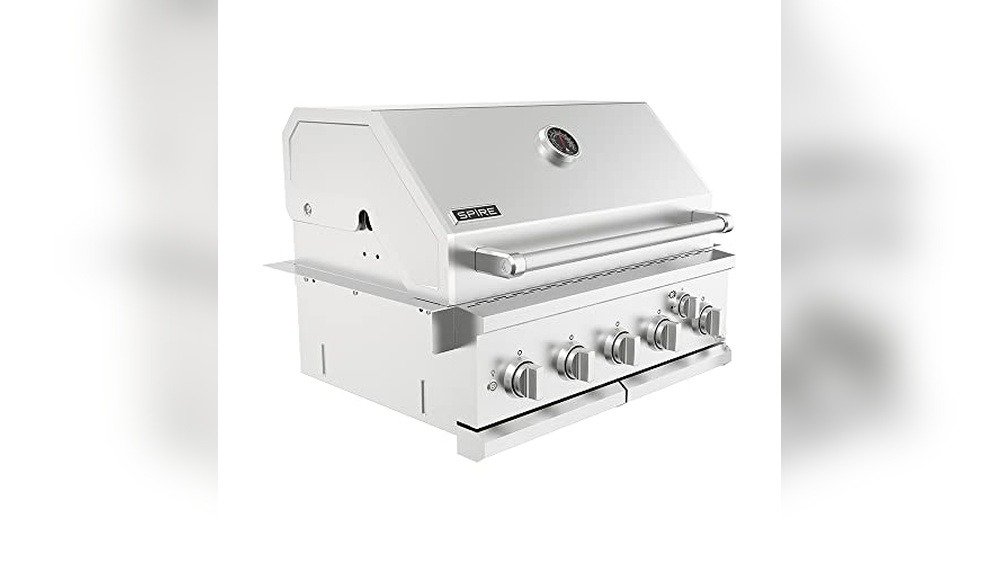
Setting Up The Gas Grill
Getting your gas grill ready is the foundation for cooking a perfect strip steak. The right setup ensures even cooking and those coveted grill marks. Taking time here can change your steak from good to unforgettable.
Cleaning And Preheating
Start by cleaning your grill grates thoroughly. Use a sturdy grill brush to remove any leftover residue or char from previous cooks. A clean surface prevents sticking and helps achieve a better sear.
Next, preheat your grill to high heat, around 450-500°F (232-260°C). This usually takes about 10-15 minutes with the lid closed. Preheating locks in juices and creates the perfect crust on your strip steak.
Creating Heat Zones
Setting up two heat zones on your grill allows precise control over cooking. Turn on one side of the burners to high heat and leave the other side off or on low. This setup lets you sear the steak on the hot side, then move it to the cooler side to finish cooking without burning.
Have you tried managing heat zones before? It’s a game changer, especially for thicker cuts like strip steak. It gives you the freedom to cook the steak evenly while avoiding flare-ups or over-charring.
Grilling Techniques For Juicy Steak
Grilling a strip steak to juicy perfection requires more than just tossing it on a hot grill. The right techniques can make a huge difference in flavor and texture. Let’s dive into some key grilling practices that ensure every bite is tender and packed with taste.
Searing For Flavor
Searing your strip steak locks in its natural juices and creates a delicious crust. Start by preheating your gas grill to high heat. Place the steak directly over the hottest part of the grill for about 2-3 minutes per side.
This quick, high-heat contact caramelizes the surface, giving you that mouthwatering charred flavor. Don’t move the steak around too much—let it develop a solid sear before flipping. Have you noticed how a well-seared steak smells irresistible even before the first bite?
Cooking To Desired Doneness
After searing, move the steak to a cooler part of the grill to cook through without burning the outside. This indirect heat method helps you reach your preferred doneness without sacrificing juiciness.
Use the finger test or check the steak’s firmness to estimate doneness: soft and squishy means rare, while firmer suggests medium or well-done. How do you usually tell if your steak is done? Developing this skill can turn you into a backyard grilling pro.
Using A Meat Thermometer
For precision, a meat thermometer is your best friend. Insert it into the thickest part of the steak to get an accurate reading. Aim for these internal temperatures:
- Rare: 125°F (52°C)
- Medium Rare: 135°F (57°C)
- Medium: 145°F (63°C)
- Medium Well: 150°F (66°C)
- Well Done: 160°F (71°C)
Using a thermometer removes guesswork and helps avoid overcooking. Have you tried this simple tool before? It’s a game-changer for consistent results every time you grill.
Resting And Serving
Rest the strip steak for a few minutes after grilling to keep juices inside. Serve it sliced against the grain for tender, flavorful bites.
Grilling a strip steak to perfection is a rewarding experience, yet the journey doesn’t end when you remove it from the grill. The final steps, resting and serving, are crucial to ensure your steak is juicy, flavorful, and visually appealing. These steps may seem simple, but mastering them can elevate your steak from good to unforgettable.
Importance Of Resting
Once your steak is grilled, resist the urge to cut into it immediately. Resting is essential because it allows the juices to redistribute throughout the meat, rather than spilling out on your plate. This results in a tender, juicy steak that retains all its flavors. A good rule of thumb is to let the steak rest for about 5 to 10 minutes. You can loosely cover it with aluminum foil to keep it warm. Have you ever noticed how a steak that hasn’t rested loses its juices on the cutting board? Resting prevents this from happening.
Slicing And Presentation Tips
When it’s time to slice your strip steak, always cut against the grain. This shortens the muscle fibers, making each bite more tender. Use a sharp knife to ensure clean, precise cuts. For an impressive presentation, consider arranging the slices on a platter with a slight overlap. You can add a sprinkle of sea salt or a pat of herb butter on top for extra flavor. A few fresh herbs or grilled vegetables on the side can add a pop of color and make the dish more appealing. Taking these final steps seriously can transform a simple grilled strip steak into a memorable culinary experience. Are you ready to wow your guests with your newfound grilling expertise?

Credit: www.tasteofhome.com
Troubleshooting Common Issues
Cooking a strip steak on a gas grill can sometimes lead to frustrating issues. You might end up with a steak that's too dry or one that’s charred in spots. Troubleshooting these common problems will help you get closer to that perfect, juicy steak every time you fire up your grill.
Avoiding Overcooking
Overcooking a strip steak can turn it tough and dry quickly. Keep a close eye on the internal temperature using a reliable meat thermometer. Aim for 130-135°F for medium-rare, and remember that the steak will continue to cook slightly after you remove it from the grill.
One trick I learned is to take the steak off the heat a few degrees before your target temperature. This “carryover cooking” saves your steak from turning into leather. Also, try grilling with the lid closed to maintain consistent heat, which helps cook the steak evenly without rushing it.
Preventing Flare-ups
Flare-ups can burn your steak and create uneven cooking spots. Fat dripping onto the flames is usually the culprit. To avoid this, trim excess fat before grilling and keep a spray bottle of water handy to quickly control any sudden flames.
Another useful tip is to create a two-zone fire on your gas grill—one side with high heat and the other with low. Start your steak on the hotter side to sear, then move it to the cooler side to finish cooking without risking flare-ups. Have you tried this technique yet? It really changed how my steaks turned out.

Credit: heygrillhey.com
Frequently Asked Questions
How Long To Grill Strip Steak On A Gas Grill?
Grill strip steak for 4-5 minutes per side over high heat. Use a meat thermometer to check doneness. Medium-rare is at 130-135°F. Rest steak 5 minutes before slicing to retain juices.
What Temperature Is Best For Grilling Strip Steak?
Preheat your gas grill to high heat, around 450-500°F. This temperature sears the steak well and locks in flavors. Avoid lower heat to prevent uneven cooking and dryness.
Should I Marinate Strip Steak Before Grilling?
Marinating strip steak is optional but enhances flavor and tenderness. Use a simple marinade with oil, acid, and seasonings. Marinate for 30 minutes to 2 hours for best results.
How To Prevent Strip Steak From Sticking On Grill?
Oil the grill grates and the steak lightly before cooking. Preheat the grill thoroughly to reduce sticking. Avoid moving the steak too soon; wait until it naturally releases.
Conclusion
Grilling a strip steak on a gas grill is simple and fun. Start with good quality meat and a hot grill. Season your steak well to bring out the flavor. Cook it to your favorite doneness, flipping once for even heat.
Let the steak rest before cutting to keep it juicy. Enjoy your delicious, tender steak with friends or family. With these easy steps, you can grill a tasty strip steak anytime. Give it a try and taste the difference yourself.