Cooking the perfect steak on an electric grill might sound tricky, but it doesn’t have to be. If you want juicy, flavorful steak without the hassle of charcoal or gas, you’re in the right place.
In this guide, you’ll discover simple steps to get a restaurant-quality steak right from your electric grill. Whether you’re a beginner or just looking to improve your skills, you’ll learn tips that make your steak tender, juicy, and full of flavor every time.
Ready to impress yourself and your guests? Let’s get started!
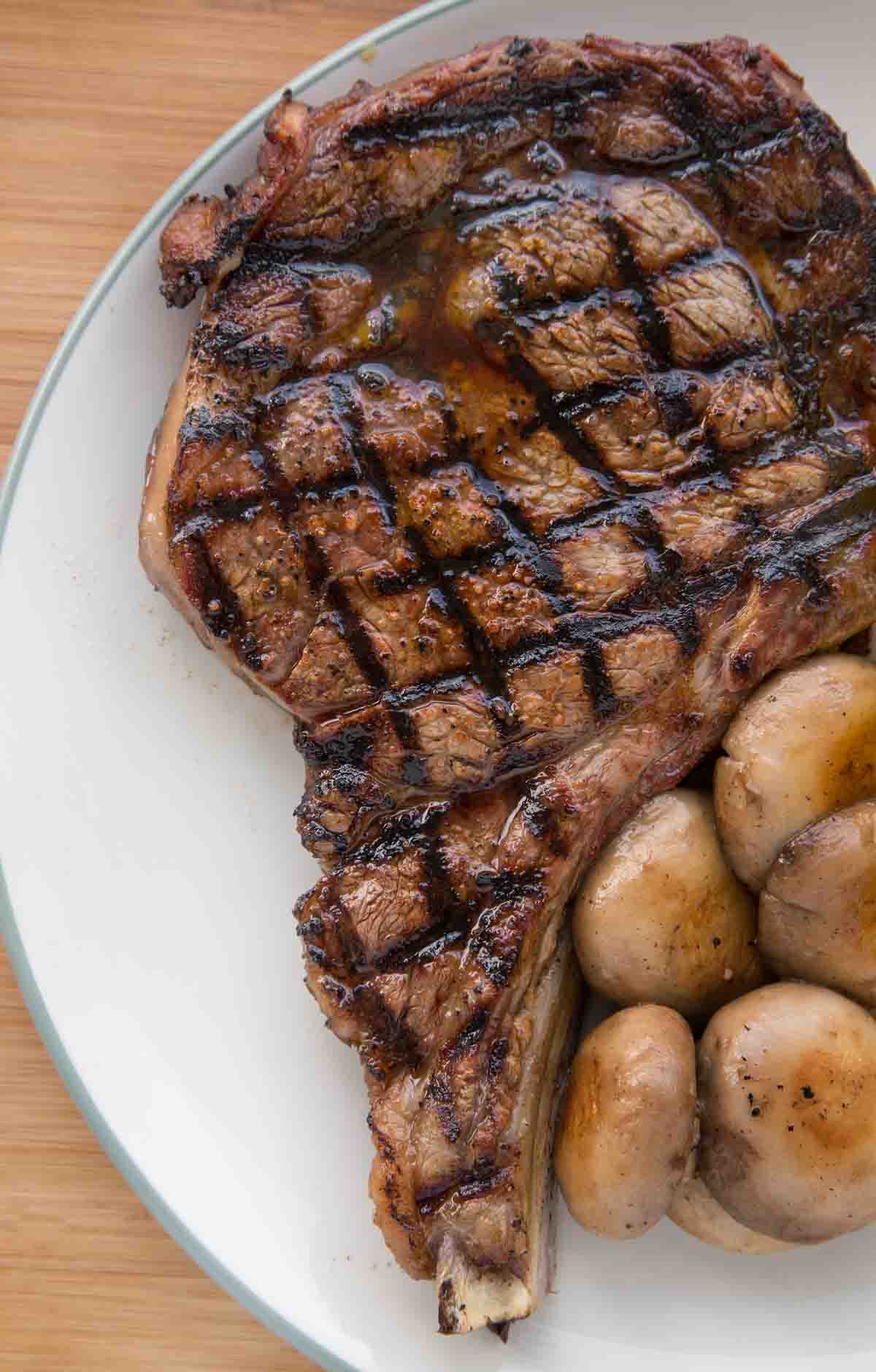
Credit: www.askchefdennis.com
Choosing The Right Steak
Choosing the right steak is the foundation of a great grilling experience on your electric grill. The cut you pick will influence flavor, texture, and cooking time. Understanding which steaks perform best on electric grills can help you achieve juicy and tender results every time.
Cuts Best For Electric Grills
Some steak cuts handle the electric grill’s consistent heat better than others. Look for cuts that are naturally tender and cook quickly, such as:
- Ribeye:Known for its rich marbling and flavor, it stays juicy and tender.
- Striploin (New York Strip):Leaner than ribeye but still flavorful and firm.
- Filet Mignon:Extremely tender with a mild flavor, perfect for fast, high-heat cooking.
- Flat Iron:A flavorful and affordable cut that grills well with a tender bite.
These cuts tend to develop a great crust without drying out, which is key on electric grills with limited smoke flavor.
Selecting Quality Meat
Quality matters just as much as the cut. Choose steaks that are fresh and bright in color. Avoid meat with a grayish hue or excessive liquid in the package.
Consider where the steak comes from. Grass-fed beef often has a different texture and flavor compared to grain-fed. Which do you prefer on your grill? Trying different sources can reveal surprising taste differences.
Look for USDA grading if available—Prime or Choice grades usually offer better marbling and flavor. Don’t hesitate to ask your butcher about the steak’s origin and aging process. That little extra knowledge can guide you to a better grilling experience.
Thickness And Marbling Tips
Thickness affects how evenly your steak cooks. Aim for steaks that are about 1 to 1.5 inches thick. Thinner cuts can overcook quickly, while thicker cuts need more time to reach the right temperature.
Marbling—the streaks of fat within the meat—adds flavor and moisture. More marbling means a juicier, tastier steak. But too much fat can cause flare-ups or uneven cooking on an electric grill.
Balance is key. Steaks with moderate marbling give you flavorful bites without excessive fat drippings. Have you noticed how marbling changes the taste and texture of your grilled steak? Paying attention to this detail can transform your meal.
Prepping The Steak
Prepping your steak correctly sets the stage for a delicious meal cooked on an electric grill. The right preparation boosts flavor, improves texture, and ensures even cooking. Let’s focus on key steps that will elevate your steak from good to great before it even hits the grill.
Seasoning Basics
Seasoning your steak is more than just sprinkling salt and pepper. Start with a generous amount of kosher salt; it helps draw out moisture and then reabsorbs it, making the steak juicier. Freshly ground black pepper adds a nice bite without overpowering the meat.
You can add garlic powder, paprika, or your favorite herbs for extra flavor, but keep it simple if you're new to seasoning. Have you noticed how some steaks taste bland despite being cooked well? Often, that’s a seasoning issue.
Bringing Steak To Room Temperature
Take your steak out of the fridge about 30 minutes before grilling. This step helps the meat cook evenly, preventing a cold center while the outside chars. Cold steak can shock the grill’s surface, leading to uneven cooking and tougher texture.
Think about the last time you rushed cooking a steak straight from the fridge—did it cook evenly? Letting it rest at room temperature makes a noticeable difference in tenderness and doneness.
Oiling The Grill And Meat
Oiling both the grill and the steak prevents sticking and helps achieve those appealing grill marks. Use a high smoke point oil like canola or avocado oil for this task. Lightly brush the grill surface before heating it up.
Don’t forget to rub a small amount of oil on your steak as well. This not only stops sticking but also enhances the crust formation. Have you ever struggled with your steak tearing when you flip it? Proper oiling is often the missing step.
Setting Up The Electric Grill
Setting up an electric grill correctly is key to cooking a delicious steak. Proper setup ensures even heat and perfect sear marks. It also helps avoid undercooked or burnt meat. Focus on temperature control, preheating, and useful accessories. These steps prepare your grill for the best results.
Optimal Temperature Settings
Set the grill temperature between 400°F and 450°F for a juicy steak. This range sears the meat well while keeping it tender inside. Thicker cuts may need a slightly lower temperature for even cooking. Avoid very high heat to prevent burning the outside.
Preheating Tips
Preheat the grill for 10 to 15 minutes before cooking. This helps the grill reach the right temperature for searing. A hot grill locks in the steak’s juices and flavors. Use a grill thermometer if available to check the heat.
Using Grill Accessories
- Use a grill press for even cooking and nice grill marks.
- Non-stick spray or oil the grill plates to prevent sticking.
- Use a meat thermometer to check doneness without cutting the steak.
These accessories make cooking easier and improve steak quality.

Credit: www.youtube.com
Cooking Techniques
Cooking steak on an electric grill needs simple but effective techniques. These steps help you get a delicious, juicy steak every time. Understanding how to sear, flip, and check doneness improves your grilling skills. The right approach brings out the best flavors and texture.
Searing The Steak
Start by heating the electric grill to a high temperature. Place the steak on the grill and press it down gently. This contact creates a crust that locks in juices. Avoid moving the steak too soon. Let it cook for a few minutes until a brown crust forms.
Achieving Desired Doneness
Steak doneness depends on internal temperature. Use a meat thermometer to check. Here’s a simple guide:
- Rare: 120-130°F (49-54°C)
- Medium Rare: 130-135°F (54-57°C)
- Medium: 135-145°F (57-63°C)
- Medium Well: 145-155°F (63-68°C)
- Well Done: 155°F+ (68°C+)
Remove the steak from the grill a few degrees before your target temperature. It will continue to cook while resting.
Flipping And Timing
Flip the steak only once. This helps create even cooking and a nice crust. Cook one side for about 4-5 minutes, then turn it over. Use the same time for the second side, adjusting for thickness. Thicker cuts may need extra time. Let the steak rest for 5 minutes after cooking. This step keeps it juicy.
Resting And Serving
Let the steak rest for a few minutes after cooking to keep juices inside. Serve it warm to enjoy the best flavor and tenderness.
Cooking a steak to perfection doesn't end once you remove it from your electric grill. The resting and serving stages are crucial to enhance your steak's flavor and texture. Whether you're a seasoned chef or a home cook, understanding these steps will elevate your grilling game significantly.
Importance Of Resting
Resting your steak allows the juices to redistribute evenly. If you cut into it too soon, you risk losing those flavorful juices onto your plate. Letting the steak rest for about 5 to 10 minutes can make a noticeable difference in taste. Many people underestimate this step, but patience pays off. During rest, the internal temperature of the steak continues to rise slightly, ensuring a more consistent doneness throughout.
Juice Retention Methods
To retain the juices effectively, cover your steak loosely with foil. This helps in keeping it warm without steaming, which can make the crust soggy. Another method is to use a wire rack over a baking sheet. It allows air to circulate, preventing the bottom from becoming too moist. This simple trick can keep the steak's exterior crispy while the inside remains juicy.
Serving Suggestions
When it's time to serve, think about accompaniments that complement the steak. A fresh salad or roasted vegetables can balance the richness of the meat. Consider slicing the steak against the grain for more tender bites. This technique shortens the muscle fibers, resulting in a melt-in-your-mouth experience. Lastly, add a finishing touch like a sprinkle of flaky sea salt or a pat of herb butter. Small details can transform a good steak into a memorable meal. So, what's your favorite way to serve steak?

Credit: www.vevor.ca
Troubleshooting Common Issues
Cooking steak on an electric grill can sometimes throw unexpected challenges your way. Whether it's a steak that’s too tough or flare-ups that catch you off guard, knowing how to troubleshoot common issues can save your meal—and your mood. Let’s break down some practical solutions to keep your steak juicy, flavorful, and perfectly cooked every time.
Avoiding Overcooking
Overcooking steak is a common frustration, especially with electric grills that heat unevenly. To prevent this, always preheat your grill fully before placing the steak on it. This helps sear the outside quickly, locking in juices.
Keep a close eye on cooking times and use a meat thermometer to check doneness. For example, aim for 130°F (54°C) for medium-rare. Have you ever guessed doneness by sight and ended up with a dry steak? A quick temperature check can change that experience.
Dealing With Flare-ups
Flare-ups can surprise you, especially if your steak has a good amount of fat. While electric grills don’t create flames like charcoal ones, hot grease can still cause sudden smoke and splatters.
To minimize flare-ups, trim excess fat before cooking and keep a spray bottle of water nearby to control small bursts safely. Also, avoid pressing down on the steak; this squeezes out fat and juices that fuel flare-ups.
Fixing Dry Or Tough Steak
If your steak ends up dry or tough, it might be due to overcooking or using a cut that needs more tenderizing. Marinating your steak before grilling can help add moisture and break down tough fibers.
Letting the steak rest for 5–10 minutes after grilling allows juices to redistribute, making it juicier. Have you tried slicing your steak against the grain? This simple step makes each bite more tender and enjoyable.
Frequently Asked Questions
How Long To Cook Steak On An Electric Grill?
Cook steak 4-6 minutes per side for medium-rare. Adjust time by thickness and desired doneness. Use a meat thermometer for precision.
What Temperature Is Best For Electric Grill Steak?
Preheat the electric grill to 400°F (204°C). This high heat sears the steak and locks in juices, ensuring a flavorful crust.
Should Steak Be Seasoned Before Grilling On Electric?
Yes, season steak with salt and pepper before grilling. This enhances flavor and forms a delicious crust during cooking.
How To Check Steak Doneness On An Electric Grill?
Use a meat thermometer: 130°F for medium-rare, 140°F for medium. Alternatively, use the finger test for doneness if no thermometer is available.
Conclusion
Cooking steak on an electric grill is simple and quick. Start with a clean, hot grill for best results. Season your steak well and watch the cooking time closely. Use a thermometer to check the doneness. Let the steak rest before cutting to keep it juicy.
Enjoy your tasty, homemade grilled steak anytime. Practice a few times to find what works best for you. Cooking steak indoors can be easy and satisfying. Give it a try and enjoy your meal!