Grilling a turkey might sound tricky, but what if you could make it faster, juicier, and full of smoky flavor? You can—by spatchcocking your turkey and cooking it on a gas grill.
This method helps your bird cook evenly and stay tender, while giving you more time to enjoy your guests and less time watching the clock. Ready to impress everyone at your next meal? Keep reading, and you’ll learn exactly how to spatchcock a turkey and grill it to perfection.
Your taste buds will thank you.
Benefits Of Spatchcocking A Turkey
Spatchcocking a turkey helps it cook faster and more evenly on a gas grill. This method creates crispy skin and juicy meat every time. It also makes grilling easier by flattening the bird for better heat exposure.
Cooking a turkey can be a daunting task, especially when you want to achieve that perfect balance of juicy meat and crispy skin. Spatchcocking a turkey might sound like a complex culinary term, but it's a simple technique with impressive results. By removing the backbone and flattening the bird, you open up a world of benefits that can elevate your grilling game.
Faster Cooking Time
Spatchcocking significantly reduces cooking time, making your turkey feast less of a marathon. By flattening the bird, you expose more surface area to the grill's heat. This means the turkey cooks faster, often cutting the time by almost half. Imagine freeing up your schedule to spend more time with guests instead of being tied to the grill. Plus, a quicker cooking time means less chance of drying out the meat, ensuring juicy bites.
Even Heat Distribution
One of the common challenges with cooking a whole turkey is uneven heat distribution, leading to some parts being overcooked while others remain underdone. Spatchcocking solves this issue by laying the turkey flat, allowing the heat to circulate evenly. This method ensures that both the breast and thighs cook at the same rate. Have you ever been disappointed by dry breast meat? Even heat can prevent that, giving you perfectly cooked turkey all around.
Crispier Skin
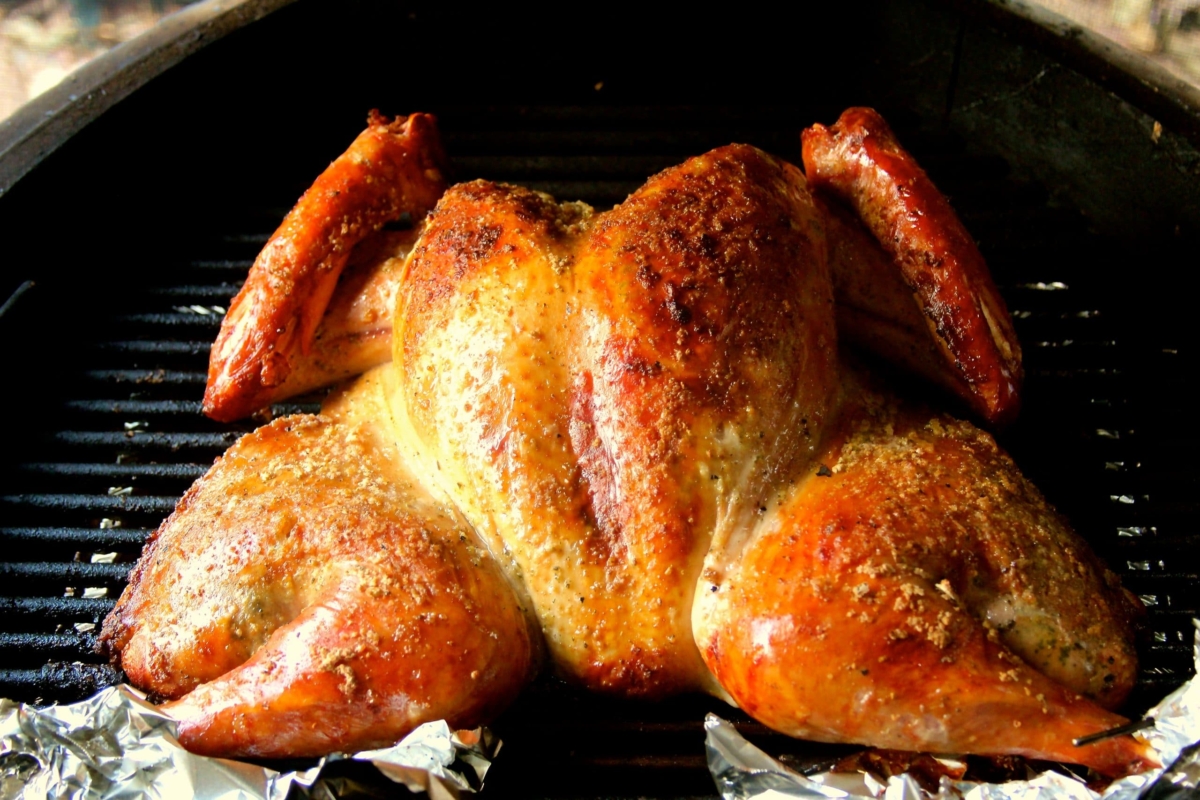
Who doesn't love the irresistible crunch of crispy turkey skin? Spatchcocking maximizes the skin's exposure to heat, making it easier to achieve that golden, crispy finish. By grilling your spatchcocked turkey, you can enjoy a skin that's crispy and flavorful, reminiscent of a perfectly roasted chicken. Picture yourself biting into that first piece and savoring the delicious crunch. This technique not only enhances the texture but also adds a delightful flavor profile to your turkey. Spatchcocking isn't just for the pros. It's a technique that can transform your turkey cooking experience, making it easier, quicker, and more delicious. Why not give it a try this holiday season?

Credit: blog.bullbbq.com
Tools And Ingredients Needed
Getting your spatchcock turkey ready for the grill needs more than just a bird and a flame. Having the right tools and ingredients makes the process smoother and the results tastier. Before you start, gather everything you need so you can focus on cooking, not scrambling.
Essential Kitchen Tools
- Sharp Chef’s Knife or Poultry Shears:You’ll need these to remove the backbone cleanly and safely. A dull knife makes this task harder and more dangerous.
- Cutting Board:Choose a sturdy, large board to give yourself enough space to work comfortably.
- Instant-Read Meat Thermometer:Checking the internal temperature ensures your turkey is cooked perfectly, not overdone or underdone.
- Grill Tongs and Spatula:These help you handle the turkey on the hot grill without piercing the meat and losing juices.
- Drip Pan:Place this under the turkey to catch drippings and avoid flare-ups.
Choosing The Right Turkey
Pick a fresh or fully thawed turkey that fits your grill size. A 12-14 pound turkey is manageable for most gas grills and cooks evenly when spatchcocked.
Look for birds labeled “young” or “fryer” for tender meat. If buying frozen, allow at least 3-4 days in the fridge to thaw safely.
Have you noticed how some turkeys have uneven breast size? Choosing a well-shaped bird helps it cook uniformly without dry spots.
Recommended Marinades And Rubs
Marinating your turkey adds flavor and helps keep it moist. Simple mixtures like olive oil, garlic, lemon juice, and fresh herbs work beautifully.
Dry rubs with paprika, brown sugar, salt, pepper, and a pinch of cayenne bring a smoky, slightly spicy crust to the skin. You can experiment by adding ground sage or thyme for a classic twist.
Think about how you want your turkey to taste. Do you prefer zesty and bright or rich and savory? Your marinade or rub can set the tone for your entire meal.
Preparing The Turkey
Preparing the turkey is an important part of cooking a spatchcock bird on a gas grill. Proper prep helps the turkey cook evenly and taste delicious. Start by making sure the turkey is fully thawed. Pat it dry with paper towels to remove excess moisture. This helps the skin crisp up on the grill.
How To Spatchcock The Bird
Spatchcocking means removing the backbone so the turkey lays flat. Use sharp kitchen shears or a knife for this task. Place the turkey breast-side down on a cutting board. Cut along one side of the backbone from tail to neck. Repeat on the other side to remove the backbone completely.
Flip the turkey over. Press down firmly on the breastbone to flatten the bird. You should hear a crack. Flattening the turkey helps it cook faster and more evenly on the grill.
Trimming And Seasoning Tips
Trim excess fat and skin around the neck and cavity. This helps avoid flare-ups on the grill. Remove any leftover feathers or loose skin.
Season the turkey well. Use salt, pepper, and your favorite herbs or spices. Rub the seasoning evenly on both sides of the bird. Don’t forget to season inside the cavity for full flavor.
Let the turkey rest at room temperature for about 30 minutes after seasoning. This helps the flavors soak in and ensures even cooking on the grill.
Setting Up The Gas Grill
Setting up your gas grill correctly is key to cooking a perfect spatchcock turkey. It helps cook the bird evenly and keeps it juicy. Proper grill setup also avoids flare-ups and burning.
Creating A Two-zone Cooking Area
Divide your grill into two zones: direct heat and indirect heat. Turn on burners on one side only. Keep the other side off or at low heat. This setup lets you sear the turkey on the hot side and then move it to the cooler side to finish cooking.
- Light two or three burners on one side of the grill.
- Leave the other side unlit or on low heat.
- Place a drip pan under the grates on the cooler side to catch drippings.
This approach avoids burning the skin while ensuring the meat cooks through.
Optimal Temperature Settings
Maintain a steady temperature between 325°F and 375°F. This range cooks the turkey evenly without drying it out. Use a grill thermometer to check the heat regularly.
- Preheat the grill for 10-15 minutes before placing the turkey.
- Adjust the burners to keep the indirect heat zone steady.
- Keep the grill lid closed as much as possible to hold heat.
Proper temperature control helps the turkey cook safely and stay tender.
Grilling The Turkey
Grilling a spatchcock turkey on a gas grill delivers juicy meat and crispy skin. This method cooks the bird evenly and faster than a whole roast. Proper grilling keeps the turkey moist and full of flavor. Follow these tips to grill the turkey perfectly.
Placing The Turkey On The Grill
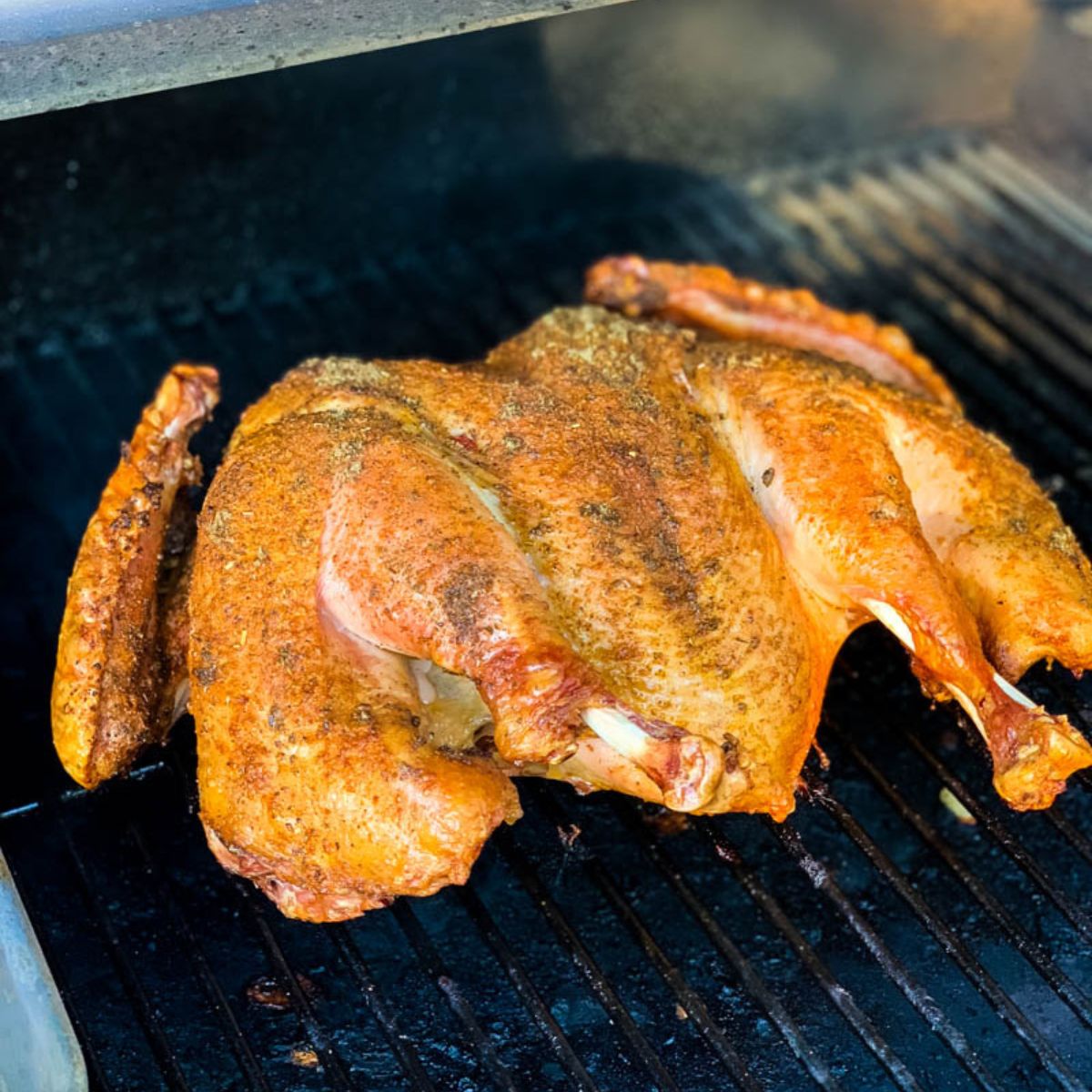
Preheat the gas grill to medium heat, around 350°F (175°C). Turn off the center burners for indirect cooking. Place the turkey skin-side up on the grill’s cooler side. Position the legs toward the hotter side. Close the lid to keep heat inside. This setup helps cook the turkey evenly without burning.
Managing Flare-ups
Flare-ups happen when fat drips on the flames. Keep a spray bottle of water nearby to control flames quickly. Move the turkey away from flare-ups to avoid burnt spots. Trim excess fat before grilling to reduce drips. Watch the grill closely and adjust burner heat if needed. Maintaining steady heat ensures safe, tasty cooking.
Using A Meat Thermometer
Insert a meat thermometer into the thickest part of the thigh, avoiding bone. Check the temperature often for precise cooking. The turkey is safe to eat at 165°F (74°C). Remove the bird from the grill once it reaches this temperature. Rest the turkey for 15 minutes before carving. This lets juices settle for moist meat.
Resting And Serving
Resting and serving your spatchcock turkey is a key step after grilling. Resting lets the juices settle inside the meat. This keeps the turkey moist and full of flavor. Serving it well ensures your guests enjoy every bite. Both resting and carving need care and attention.
Resting Time For Juiciness
Let the turkey rest at room temperature. Cover it loosely with foil. Resting time should be 20 to 30 minutes. This lets juices spread evenly through the meat. Cutting too soon makes the juices escape. The turkey ends up dry and less tasty.
During resting, the turkey stays warm. The skin also firms up slightly. This makes carving easier and cleaner. Patience here pays off with better taste and texture.
Carving Techniques
Use a sharp knife to carve the turkey. Start by removing the legs and thighs. Cut along the joint where the leg meets the body. Next, slice the breast meat in even pieces. Cut against the grain for tenderness.
Arrange the slices on a warm platter. Keep white and dark meat separate if you want. Serve with your favorite sides and sauces. Carving neatly makes the meal look inviting and professional.
Troubleshooting Common Issues
Cooking a spatchcock turkey on a gas grill can bring great flavors. Yet, some common issues may arise during the process. Knowing how to fix these problems keeps your turkey juicy and delicious. This section helps you handle typical challenges easily.
Avoiding Dry Meat
Dry turkey happens when it cooks too long or at too high heat. Keep the grill temperature steady around 350°F. Use a meat thermometer to check the internal temperature. Remove the turkey at 160°F and let it rest; the temperature will rise to 165°F.
Brushing the turkey with oil or butter helps keep moisture inside. Cover the breast with foil if it browns too fast. Avoid opening the grill often, as this cools the heat and extends cooking time.
Handling Uneven Cooking
Uneven cooking occurs because the turkey has different thicknesses. The legs and thighs take longer to cook than the breast. Place the thicker parts over indirect heat to cook slowly.
Move the turkey around the grill during cooking to balance the heat. Use a two-zone setup: one side with direct heat, the other indirect. This method cooks the turkey evenly without burning thinner parts.
Credit: www.orwhateveryoudo.com
Credit: amazingribs.com
Frequently Asked Questions
What Is Spatchcocking A Turkey?
Spatchcocking a turkey means removing the backbone and flattening it. This helps the turkey cook evenly and faster on the grill.
How Long To Cook Spatchcock Turkey On Gas Grill?
Cook the spatchcock turkey for about 1 to 1. 5 hours. Maintain the grill temperature at 350°F for best results.
What Temperature To Grill Spatchcock Turkey?
Grill the turkey at a steady 350°F. Use a meat thermometer to ensure the internal temperature reaches 165°F.
Do You Need To Marinate Before Grilling Turkey?
Marinating is optional but recommended for extra flavor. It also helps keep the turkey moist during grilling.
Conclusion
Grilling a spatchcock turkey on a gas grill saves time and cooks evenly. You get crispy skin and juicy meat every time. This method is simple and perfect for outdoor meals. Remember to keep the grill temperature steady and watch the turkey closely.
Rest the bird before slicing to keep it tender. Try this easy technique for your next holiday or family dinner. Enjoy delicious turkey with less fuss and great flavor.