If you’ve ever wondered how to make a tender, flavorful rump roast that melts in your mouth, you’re in the right place. Cooking a rump roast in a Dutch oven is one of the best ways to lock in juices and bring out rich, savory flavors.
Whether you’re a beginner or just looking to improve your cooking skills, this method is simple and rewarding. Keep reading, and you’ll discover easy steps that will help you create a delicious meal your family will ask for again and again.
Ready to impress your taste buds? Let’s get started!

Credit: farmhouseharvest.net
Choosing The Right Rump Roast
Choosing the right rump roast is the first step to a delicious meal. The right cut affects flavor and tenderness. Picking a good quality roast ensures a better cooking experience and taste. Consider the cut type and grade carefully. Size matters too, based on your cooking method and number of servings.
Cuts And Grades To Consider
Rump roast comes from the rear part of the cow. It has two main cuts: top round and bottom round. Top round is lean and more tender. Bottom round is tougher but full of flavor.
Look for USDA grades like Choice or Select. Choice has more marbling, making the meat juicier and softer. Select is leaner but can be less tender. Pick a roast with some marbling for better taste.
Size And Weight Tips
Rump roasts vary in size from 2 to 5 pounds. A 3 to 4-pound roast works well for a Dutch oven. It fits nicely and cooks evenly.
Consider how many people you are serving. Plan about half a pound per person. Too large a roast might cook unevenly. Too small might not feed everyone well.
Choose a roast with even thickness. This helps the meat cook at the same rate. Avoid roasts with very thick or thin parts.
Credit: dinnerthendessert.com
Preparing The Roast
Preparing the rump roast properly sets the base for a delicious meal. This stage improves texture and flavor. It involves trimming excess fat and adding seasonings. Marinating can deepen the taste and tenderize the meat. Careful preparation makes cooking easier and results better.
Trimming And Seasoning
Start by trimming thick fat from the roast. Leave a thin layer for moisture and flavor. Remove any silver skin or hard bits that won't soften during cooking.
Season the roast generously. Use salt, pepper, garlic powder, and herbs like rosemary or thyme. Rub the spices evenly over all sides. This step enhances the meat's natural taste and creates a tasty crust.
Marinating For Flavor
Marinating the rump roast adds depth to its flavor. Use a simple mix of olive oil, vinegar or wine, and herbs. Add minced garlic and a pinch of salt.
Place the roast in a resealable bag or container. Pour the marinade over and seal tightly. Refrigerate for at least 4 hours or overnight. This helps the meat absorb flavors and become more tender.
Remove the roast from the fridge 30 minutes before cooking. Let it come to room temperature for even cooking inside the Dutch oven.
Selecting The Dutch Oven
Choosing the right Dutch oven is a key step to cooking a perfect rump roast. The right pot helps maintain steady heat and locks in flavors, making your roast tender and juicy. Let’s look at what you should consider before picking your Dutch oven.
Material And Size Matters
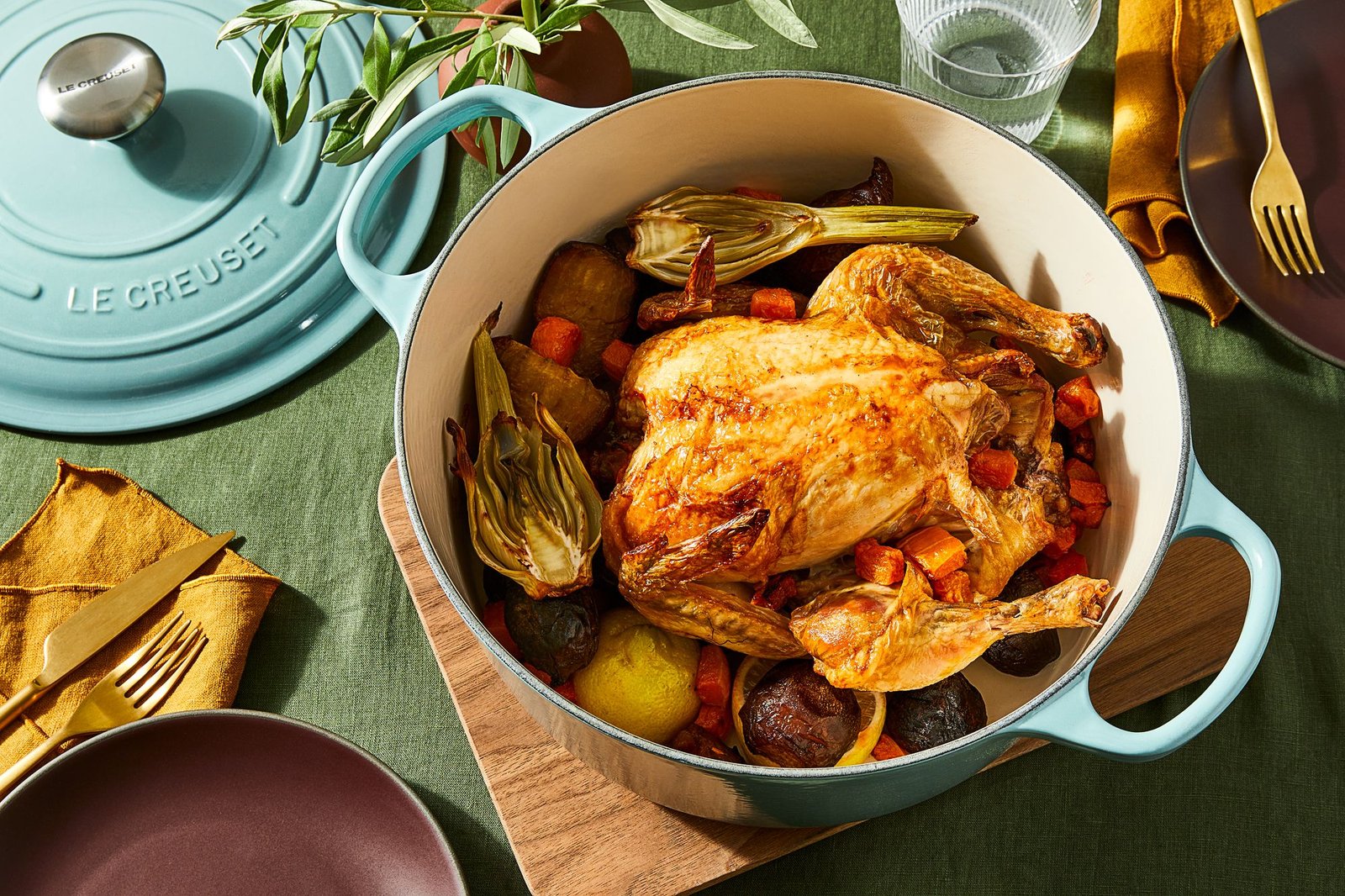
Cast iron Dutch ovens are a favorite because they hold heat evenly and last for years. Enameled cast iron offers easy cleanup without the need for seasoning, which is great if you want convenience. Aluminum or stainless steel options heat quickly but may not retain heat as well, affecting your roast's cooking consistency.
Size is equally important. A 5-7 quart Dutch oven fits most rump roasts perfectly, giving enough room for browning and braising. If your Dutch oven is too small, the roast might steam instead of sear, losing that rich crust. Too large, and the juices spread too thin, potentially drying out the meat.
Preheating Tips
Preheating your Dutch oven before adding the rump roast can make a huge difference in flavor. A hot pot sears the meat immediately, locking in juices and creating a delicious crust. Avoid placing a cold roast into a cold pot—this leads to uneven cooking and less flavor.
To preheat, place your Dutch oven on medium heat for about 5 minutes. Test by flicking a few drops of water inside; if they dance and evaporate quickly, it’s ready. This simple step sets the stage for a mouthwatering roast every time.
Searing The Meat
Searing the meat creates a rich, brown crust that locks in juices and adds deep flavor. Use high heat to brown all sides evenly before slow cooking. This step helps make the rump roast tender and tasty.
Searing the meat is a crucial step in cooking a rump roast in a Dutch oven. This process locks in flavors and creates a delicious crust. It enhances the overall taste and texture of the roast. Let's dive into how to achieve the best results.
Achieving A Perfect Brown Crust
Start by patting the roast dry with paper towels. Moisture on the surface hinders browning. Use a generous amount of salt and pepper to season the roast. Heat your Dutch oven over medium-high heat. Add a small amount of oil to the pot. Wait until the oil shimmers. Carefully place the roast in the pot. Avoid overcrowding to ensure even browning. Leave the meat undisturbed for a few minutes. This allows the crust to form. Turn the meat using tongs to sear all sides. Each side should be browned evenly. A golden-brown crust indicates a successful sear.
Temperature And Timing
Maintaining the right temperature is key. Ensure the Dutch oven is hot before adding the meat. The correct heat prevents sticking and promotes browning. Timing is essential for a perfect sear. Typically, each side requires 3 to 5 minutes. Monitor the roast closely to avoid burning. Adjust the heat if necessary. Consistent timing ensures even cooking. Once all sides are browned, remove the roast. Let it rest before proceeding with the next cooking stage. This brief rest helps in retaining juices.
Adding Aromatics And Liquids
Adding aromatics and liquids to your Dutch oven is key to turning a simple rump roast into a flavorful, tender meal. These elements create a rich base that infuses the meat and keeps it juicy throughout cooking. Choosing the right combination can elevate your roast, so think about what flavors you want to bring out.
Choosing Herbs And Vegetables
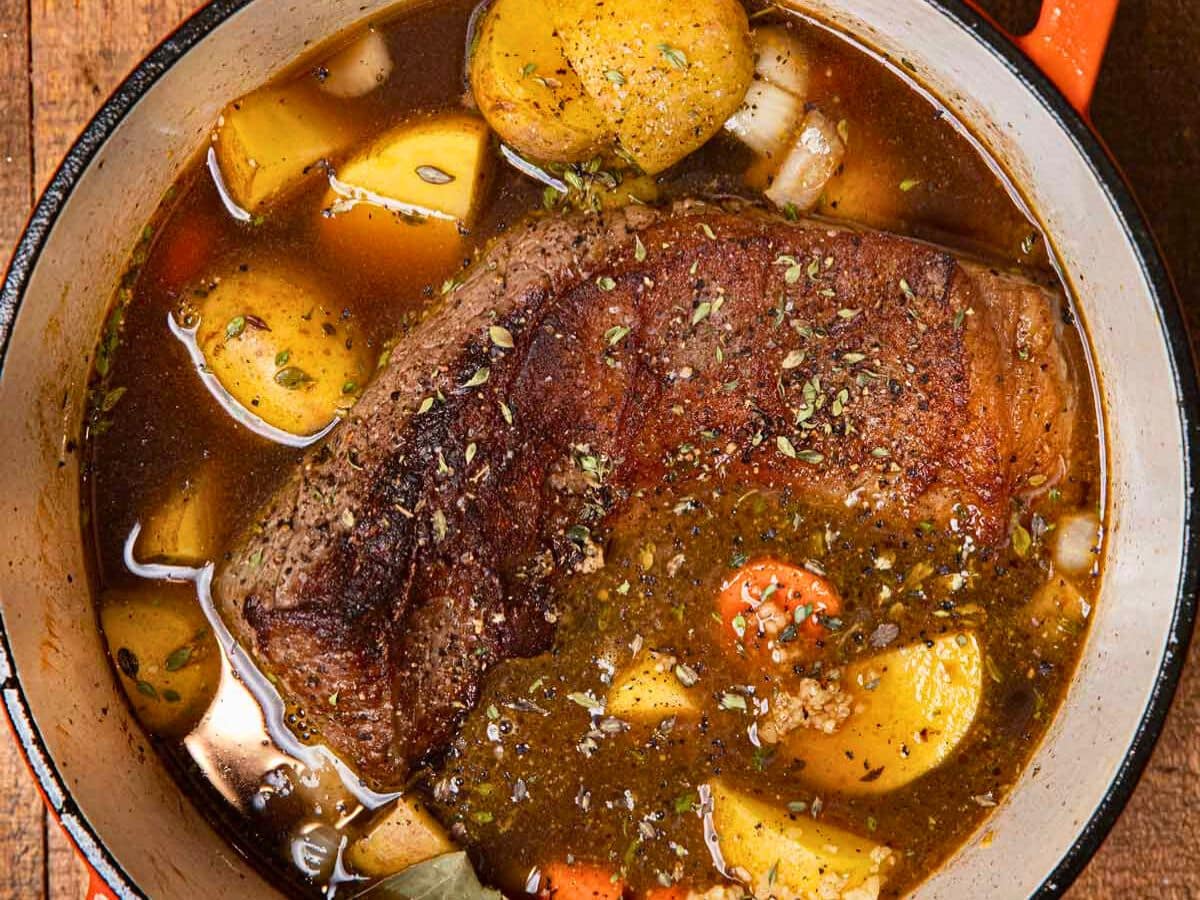
Herbs and vegetables do more than add aroma—they build the backbone of your roast’s flavor. Classic choices include garlic, onions, and carrots, which offer sweetness and depth as they cook down. Fresh herbs like rosemary, thyme, and bay leaves add subtle earthiness without overpowering the beef.
Don’t overlook the power of simplicity. A few whole garlic cloves, a couple of sprigs of fresh thyme, and some roughly chopped onions can make a big difference. Think about what you enjoy eating alongside your roast and add those aromatics to match your taste.
Best Liquid Options For Moisture
Liquids keep the rump roast moist and help create a delicious sauce or gravy. Beef broth is a natural choice because it enhances the meat’s flavor. If you want a bit of acidity, a splash of red wine or tomato juice works wonders.
Water can be used in a pinch, but it won’t add much flavor. Consider combining liquids—like half broth and half wine—to get the best of both worlds. How much liquid you add depends on your Dutch oven size, but generally, about one to two cups is enough to keep everything moist without boiling your roast.
Slow Cooking Process
Slow cooking a rump roast in a Dutch oven brings out rich flavors and tender texture. The low and steady heat breaks down tough meat fibers. This process makes the roast juicy and easy to slice. Patience is key for perfect results. The Dutch oven traps moisture, keeping the roast moist throughout cooking.
Oven Temperature Settings
Set the oven temperature low, between 275°F and 300°F (135°C to 150°C). This gentle heat cooks the roast evenly without drying it out. Avoid high temperatures that toughen the meat. Consistent heat helps the connective tissues melt slowly. This creates a soft, flavorful roast.
Cooking Time Guidelines
Plan for 3 to 4 hours of cooking time for a 3 to 4-pound rump roast. Larger roasts need more time, about 4 to 5 hours. Check the roast after 3 hours by testing tenderness with a fork. The meat should feel soft and pull apart easily. Rest the roast for 15 minutes before slicing to keep juices locked in.
Checking Doneness
Checking doneness is key to cooking a perfect rump roast in a Dutch oven. It ensures the meat is safe and delicious. Overcooking makes it dry. Undercooking leaves it tough. Use simple tools and signs to know when your roast is ready.
Using A Meat Thermometer
A meat thermometer gives the most accurate doneness check. Insert it into the thickest part of the roast. Avoid touching bone or fat. For medium rare, aim for 130-135°F (54-57°C). Medium is 140-145°F (60-63°C). Let the roast rest; the temperature will rise slightly.
Signs Of Tenderness
Sometimes, tenderness shows doneness better than numbers. Check by gently poking the roast with a fork or knife. If it slides in easily, the meat is tender. Juices should run clear, not red or pink. The roast’s surface will be firm but not hard. These signs mean your rump roast is ready to enjoy.
Resting And Serving
After the slow cooking, the resting and serving stage of your rump roast is just as important as the cooking itself. Taking the time to rest the meat lets the juices settle, making every bite juicy and tender. How you carve and present your roast can turn a simple meal into a memorable feast.
Importance Of Resting Time
Resting your rump roast for at least 15 to 20 minutes after removing it from the Dutch oven allows the juices to redistribute evenly. Cutting into it too soon causes the flavorful juices to spill out, leaving your meat dry.
Wrap the roast loosely in foil and keep it in a warm place while it rests. This simple step significantly improves texture and taste, making the effort you put into cooking worthwhile.
Carving And Presentation Tips
Use a sharp carving knife to slice against the grain. This makes the meat easier to chew and enhances tenderness.
Arrange the slices neatly on a warm platter, and consider spooning some of the pan juices over the meat for extra flavor and moisture. Adding fresh herbs like rosemary or thyme on the side adds a pop of color and aroma.
- Slice the roast into thin, even pieces for better portion control.
- Serve with roasted vegetables or mashed potatoes for a classic pairing.
- Think about your guests: would they prefer thicker or thinner cuts?
Have you ever noticed how a well-rested roast changes the entire dining experience? Try resting your rump roast properly and watch how your family or guests notice the difference.
Troubleshooting Common Issues
Common problems like uneven cooking or tough meat often arise when roasting rump in a Dutch oven. Checking oven temperature and cooking time helps prevent these issues. Using a meat thermometer ensures the roast is cooked just right.
Cooking a rump roast in a Dutch oven can be tricky. Sometimes, the meat can turn out dry or tough. But don’t worry. These common issues have simple solutions.
Avoiding Dryness
Dryness is a common problem when cooking rump roast. To keep the meat juicy, maintain the right temperature. A low and slow approach works best. Keep the oven temperature around 300°F (150°C). Baste the roast with its juices every 30 minutes. This helps retain moisture. Using a meat thermometer is also helpful. Aim for an internal temperature of 135°F (57°C) for medium-rare. Cover the Dutch oven with a tight lid. This traps steam and keeps the roast moist. Adding some broth or wine to the pot can also help. This adds moisture and enhances flavor.
Fixing Tough Meat
A tough rump roast can spoil your meal. If the meat feels tough, it may need more time. Slow cooking breaks down the meat fibers. Check the roast with a fork for tenderness. Another tip is to slice the meat thinly. Thin slices are easier to chew. Marinating the meat before cooking can also help. Use acidic ingredients like vinegar or lemon juice. They tenderize the meat by breaking down proteins. Lastly, let the meat rest after cooking. Resting allows juices to redistribute. This makes the meat tender and flavorful. A resting time of 15 minutes is ideal.

Credit: farmhouseharvest.net
Frequently Asked Questions
How Long To Cook Rump Roast In A Dutch Oven?
Cook a rump roast in a Dutch oven for 3 to 4 hours at 325°F. Check tenderness with a fork. Adjust time for roast size and desired doneness.
What Seasoning Works Best For Rump Roast?
Use salt, pepper, garlic, rosemary, and thyme to season rump roast. These herbs enhance flavor and complement slow cooking in a Dutch oven.
Can I Cook Rump Roast Without Searing First?
Searing rump roast before slow cooking locks in juices and adds flavor. Skipping searing may result in less flavorful and drier meat.
Is Dutch Oven Better Than Slow Cooker For Rump Roast?
Dutch ovens provide better caramelization and flavor control. Slow cookers are convenient but lack the browning effect Dutch ovens offer.
Conclusion
Cooking a rump roast in a Dutch oven is simple and rewarding. The slow heat makes the meat tender and full of flavor. Use basic ingredients and follow the steps carefully. Patience is key for the best results. Serve with your favorite sides for a hearty meal.
This method fits well in any kitchen and suits all skill levels. Try it once, and you will enjoy a delicious, comforting dish every time. Give it a go and taste the difference yourself.