You’re about to learn how to cook the perfect ribeye steak on your gas grill. Imagine biting into a juicy, tender steak with a rich, smoky flavor that’s all yours to enjoy. To achieve this mouthwatering result, follow our perfectly grilled ribeye steak recipe that emphasizes the importance of seasoning and grilling technique. Start by selecting a high-quality ribeye and allowing it to come to room temperature before cooking. This will ensure even cooking and an unbeatable flavor profile with every bite.
Whether you’re a beginner or just want to improve your grilling skills, this guide will show you simple steps to get restaurant-quality results at home. Ready to impress your friends and satisfy your cravings? Keep reading, and let’s fire up that grill!
Choosing The Right Ribeye
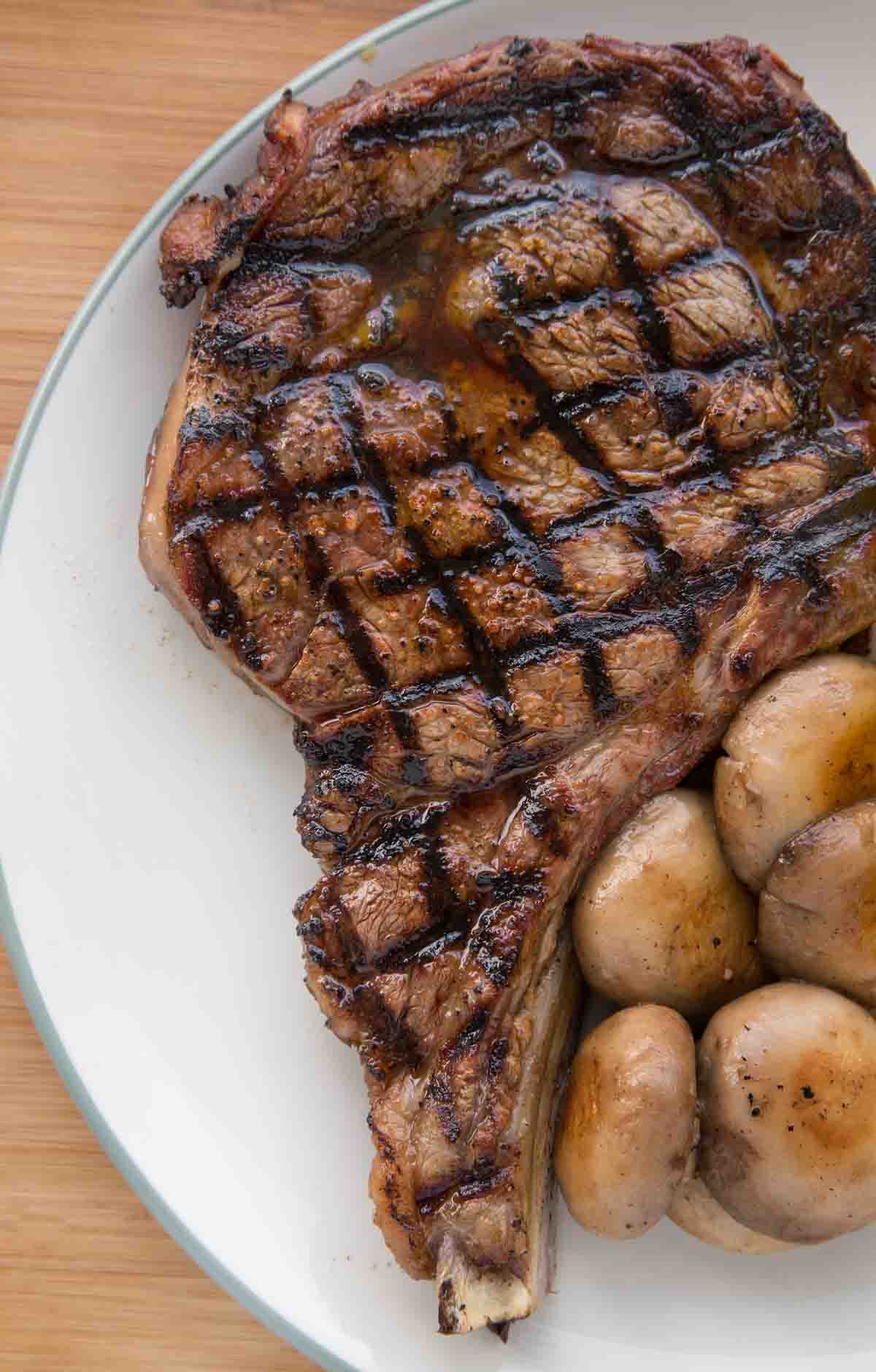
Choosing the right ribeye steak sets the stage for a memorable grilling experience. The quality of the meat you select directly affects flavor, tenderness, and how well it cooks on your gas grill. Before firing up the burners, take a moment to understand what makes a ribeye truly great.
Selecting Quality Meat
Start by looking for ribeyes labeled with a clear grade. USDA Prime offers the best marbling and tenderness, but Choice grade can also deliver excellent flavor at a better price.
Visit a trusted butcher if possible. They can tell you the origin of the meat and recommend cuts based on your cooking style.
Don’t hesitate to ask questions about how the beef was raised. Grass-fed and grain-fed will have different tastes and textures. Which flavor profile do you prefer for your steak?
Thickness Matters
Thickness is a game-changer when grilling ribeye. A steak that is too thin will cook too quickly, risking dryness, while a thick cut allows you to achieve a perfect sear without overcooking the inside.
Aim for steaks between 1 to 1.5 inches thick. This size gives you control over the grill temperature and cooking time.
I once grabbed a ribeye thinner than an inch and ended up with a tough bite. Don’t rush this step; picking the right thickness pays off every time.
Marbling And Freshness
Marbling refers to the streaks of fat running through the meat. More marbling means more flavor and juiciness. Look for even, white fat distribution rather than large patches.
Freshness is equally important. Choose steaks that are bright red and moist but not wet or slimy. Check the sell-by date and try to buy the meat as close to grilling day as possible.
Have you ever noticed how a well-marbled ribeye melts in your mouth? That’s the fat working its magic during cooking.
Preparing The Steak
Getting your ribeye steak ready before it hits the gas grill sets the stage for a flavorful and juicy result. How you prepare the steak can change the entire cooking experience. Small steps like warming it up and seasoning it right make a big difference on the grill.
Bringing To Room Temperature
Take the ribeye out of the fridge about 30 to 60 minutes before grilling. This helps the steak cook evenly inside and out. Cooking a cold steak can lead to a burnt outside and an undercooked center—something you want to avoid.
Have you ever bitten into a steak only to find it tough in the middle? Warming it up first can prevent that. Letting the meat relax also helps the juices redistribute, keeping your steak tender.
Seasoning Tips
Keep it simple with salt and pepper. Coarse kosher salt and freshly ground black pepper work best. Apply them generously on both sides to create a flavorful crust.
Don’t be shy—seasoning is your first chance to add taste. A sprinkle of garlic powder or smoked paprika can add subtle depth without overpowering the ribeye’s natural flavor.
- Salt about 40 minutes before grilling for better moisture retention.
- Apply pepper just before cooking to prevent burning.
- Pat the steak dry with paper towels to help the seasoning stick.
Optional Marinades And Rubs
If you want to experiment beyond salt and pepper, marinades and rubs offer exciting options. Marinades with ingredients like soy sauce, Worcestershire, or balsamic vinegar can add a tangy kick.
Rubs that combine herbs and spices like rosemary, thyme, cumin, and chili powder create a complex flavor profile. Just remember, too much sugar in a rub can burn quickly on a hot gas grill.
Have you tried marinating your ribeye overnight? It can soften the meat and infuse extra flavor, but it’s not necessary if you prefer the pure steak taste. Choose what fits your mood and taste buds.
Setting Up The Gas Grill
Setting up your gas grill properly is the first step to cooking a perfect ribeye steak. A well-prepared grill ensures even cooking and enhances the flavor of your meat. Taking the time to clean, preheat, and manage heat zones will give you full control over the grilling process. Once your grill is ready, you can focus on preparing your next delicious meal with easy steps for juicy beef ribs. Marinating the ribs overnight will infuse them with robust flavors that will make your barbecue the highlight of any gathering. Remember to maintain the grill temperature and turn the ribs occasionally for that perfect caramelization on the outside.
Cleaning And Preheating
Start by cleaning the grill grates with a stiff wire brush to remove any leftover residue. This prevents sticking and unwanted flavors from old food. Preheat the grill for at least 10-15 minutes on high to ensure the grates are hot enough to sear the steak properly.
Have you noticed how a properly preheated grill creates those beautiful grill marks? That’s because the hot grates caramelize the meat’s surface quickly, locking in juices and flavor.
Creating Heat Zones
Set up two heat zones on your grill: one side on high heat for searing, and the other on medium or low heat for finishing the steak. This technique lets you control the cooking process without burning the outside. for those who love outdoor cooking, mastering grilling techniques for charcoal enthusiasts can elevate your skills significantly. Experimenting with different charcoal types can add unique flavors to your dishes, while wood chips can infuse even more complexity. Consistent temperatures and patience are key, allowing you to achieve that perfect smoky finish.
Imagine searing your ribeye on the hot side for 2-3 minutes per side, then moving it to the cooler side to reach your desired doneness. This approach helps you avoid overcooking while achieving a perfect crust and tender interior.
Managing Flare-ups
Flare-ups happen when fat drips onto the flames, causing sudden bursts of fire. Keep a spray bottle of water nearby to quickly douse small flames without cooling down the grill too much.
Instead of panicking, try lifting the steak away from the flames and letting the fire subside naturally. Managing flare-ups skillfully prevents burnt spots and keeps your ribeye juicy.

Grilling Techniques
Grilling a ribeye steak on a gas grill needs some key techniques. These techniques help get the best flavor and texture. Knowing how to sear, cook to the right doneness, and use a meat thermometer makes a big difference. Let’s explore these grilling methods to make your ribeye perfect every time.
Searing For Flavor
Searing locks in juices and creates a tasty crust. Heat the grill to high before placing the steak. Sear each side for 2 to 3 minutes without moving the steak. This forms a brown, flavorful outer layer. Avoid pressing down on the steak to keep it juicy.
Cooking To Desired Doneness
After searing, lower the heat to medium. Cook the steak slowly to the doneness you want. Use these guide times for a 1-inch thick ribeye:
- Rare: 4-5 minutes total
- Medium rare: 6-7 minutes total
- Medium: 8-9 minutes total
- Well done: 10+ minutes total
Flip the steak once halfway through cooking. Let the steak rest for a few minutes after grilling. This helps the juices spread evenly inside.
Using A Meat Thermometer
A meat thermometer ensures perfect doneness every time. Insert it into the thickest part of the steak. Avoid touching bone or fat for an accurate reading. Here are ideal temperatures for ribeye:
| Doneness | Temperature (°F) |
|---|---|
| Rare | 120-125 |
| Medium Rare | 130-135 |
| Medium | 140-145 |
| Well Done | 160+ |
Remove the steak from the grill at 5°F below the target temp. The steak will continue cooking while resting.
Resting And Serving
Resting the ribeye after grilling lets juices settle for a tender bite. Serving it immediately keeps the steak juicy and flavorful.
Resting and serving your ribeye steak is just as important as the grilling process itself. After all, you've put in the effort to cook it to perfection on your gas grill, so don't rush the final steps. Resting ensures the steak remains juicy and flavorful, while serving it correctly can elevate the entire dining experience.
Importance Of Resting
Allowing your ribeye steak to rest before slicing is crucial. This resting period lets the juices redistribute throughout the meat, ensuring every bite is succulent. A good rule of thumb is to rest the steak for about five to ten minutes, which can feel like an eternity when you're hungry, but patience here truly pays off.
Slicing Tips
When it's time to slice your steak, make sure to cut against the grain. This technique results in tender, easy-to-chew pieces. Use a sharp knife and aim for slices that are about half an inch thick, giving you the perfect balance of texture and flavor in each bite.
Best Accompaniments
Pair your ribeye steak with sides that complement its rich flavors. Consider a simple green salad with a vinaigrette, or roasted vegetables seasoned with herbs. If you're in the mood for something more indulgent, creamy mashed potatoes or a classic baked potato with sour cream and chives can be perfect partners. How do you like to rest and serve your steak? Share your favorite tips and accompaniments in the comments!

Troubleshooting Common Issues
Cooking a ribeye steak on a gas grill can bring out rich flavors and a perfect sear. Yet, some common issues might arise during grilling. Knowing how to handle these problems helps keep your steak juicy and tasty. Troubleshooting tips make grilling easier and more enjoyable.
Avoiding Overcooking
Overcooking ruins the tender texture of ribeye steak. Keep the grill temperature medium-high to control cooking speed. Use a meat thermometer to check doneness early. Remove the steak when it reaches 5 degrees below your target temperature. Rest the steak under foil to finish cooking evenly.
Dealing With Flare-ups
Flare-ups happen when fat drips on the grill flames. They burn the steak’s surface quickly. Move the steak to a cooler grill area during flare-ups. Keep a spray bottle of water nearby to control small flames. Trim excess fat before grilling to reduce flare-ups.
Maintaining Juiciness
Juiciness is key to a great ribeye steak. Avoid piercing the meat with a fork; use tongs instead. Let the steak rest after grilling to keep juices inside. Marinating or seasoning with oil helps lock moisture. Cook steaks over direct heat for a short time, then finish on indirect heat.
Frequently Asked Questions
How Long To Grill Ribeye Steak On Gas Grill?
Grill ribeye steak for 4-5 minutes per side over high heat. This timing achieves medium-rare doneness. Adjust time based on steak thickness and desired doneness level.
What Temperature To Set Gas Grill For Ribeye?
Preheat your gas grill to high heat, about 450°F to 500°F. This temperature sears the steak, locking in juices and flavor effectively. To achieve the best results when using t bone steak grilling tips, make sure your steaks are at room temperature before placing them on the grill. Season them generously with salt and pepper to enhance their natural flavor. For an even better experience, consider marinating the steaks beforehand for added tenderness and taste.
Should Ribeye Steak Be Marinated Before Grilling?
Marinating ribeye is optional. It enhances flavor but ribeye’s natural marbling provides rich taste. Use simple seasonings like salt and pepper for best results.
How To Check Ribeye Steak Doneness On Grill?
Use a meat thermometer for accuracy. Medium-rare is 130°F-135°F; medium is 140°F-145°F. Alternatively, use the finger test to gauge firmness.
Conclusion
Grilling a ribeye steak on a gas grill is simple and rewarding. Start with good meat and a hot grill. Watch the steak closely to avoid overcooking. Let it rest before slicing for juicy results. With practice, your steak will taste tender and full of flavor. The perfect ribeye steak grilling tips emphasize the importance of seasoning your steak generously with salt and pepper. As it cooks, consider basting it with butter and herbs to enhance the flavor profile. Finally, using a meat thermometer can help achieve the ideal doneness, ensuring every bite is succulent and satisfying.
This method suits any cook wanting a tasty, easy meal. Enjoy the rich, smoky taste right at home. Keep these tips in mind for your next grilling session. Your perfect ribeye is just a grill away.