If you want to cook a ribeye steak on a gas grill that’s juicy, tender, and full of flavor, you’re in the right place. Grilling the perfect ribeye might seem tricky, but with the right steps, you can impress yourself and anyone you’re cooking for.
Imagine biting into a steak with a perfect sear on the outside and a melt-in-your-mouth center. This guide will show you exactly how to make that happen. Ready to master your gas grill and enjoy a steakhouse-quality meal at home?
Let’s get started.
Credit: www.askchefdennis.com
Choosing The Right Ribeye Steak
Choosing the right ribeye steak is the first step to a delicious grilled meal. The quality of the steak affects flavor and tenderness. Picking a good cut ensures a juicy, tasty result. Understanding the key factors can help you select the best ribeye for your gas grill.
Selecting The Cut
Look for ribeye steaks with a bright red color and firm texture. Avoid steaks with dark spots or excessive moisture. Bone-in ribeyes often have more flavor but cook a little slower. Boneless ribeyes are easier to handle and grill evenly. Choose based on your cooking style and preference.
Understanding Marbling
Marbling means the small white fat streaks inside the meat. Fat adds flavor and keeps the steak juicy during grilling. More marbling usually means a richer taste and tender bite. Look for steaks with even marbling spread throughout. Avoid steaks with very little or uneven fat.
Thickness Considerations
Thickness affects cooking time and steak texture. Thicker steaks, around 1 to 1.5 inches, grill well and stay juicy inside. Thin steaks cook fast but can dry out quickly. Choose thickness depending on how much time you have and your preferred doneness. Thicker cuts offer more control over grilling results.

Credit: myincrediblerecipes.com
Preparing The Ribeye For Grilling
Getting your ribeye ready for the grill is just as important as the grilling itself. Proper preparation sets the stage for a juicy, flavorful steak that’s cooked evenly. Paying attention to seasoning, temperature, and resting can make a noticeable difference in your final result.
Seasoning Options
Seasoning your ribeye can be simple or adventurous, depending on your taste. At the very least, sprinkle both sides generously with salt and freshly ground black pepper. These basic seasonings enhance the natural beef flavor without overpowering it.
If you want to try something different, mix garlic powder, smoked paprika, and a pinch of cayenne for a little kick. Another favorite of mine is a blend of rosemary, thyme, and coarse sea salt—this combo adds a fresh, herbal note that complements the richness of the meat.
Remember, seasoning isn’t just about flavor; it also helps create a tasty crust once the steak hits the hot grill. Don’t be shy about seasoning liberally; the fat in ribeye can handle bold flavors.
Letting The Steak Rest
After seasoning, give your ribeye a rest before grilling. This step allows the salt to penetrate and tenderize the meat. Ideally, let it rest for about 30 to 45 minutes on a plate, uncovered in the fridge or on the counter if the room is cool.
Skipping this rest can result in uneven seasoning and a less juicy steak. You might wonder—why not just grill immediately? Resting improves texture and flavor, making the extra wait worth it.
Bringing To Room Temperature
Before placing your ribeye on the gas grill, bring it to room temperature. Taking the chill off ensures the steak cooks more evenly from edge to center. Aim for about 20 to 30 minutes outside the fridge, depending on the thickness.
Cold meat hitting a hot grill tends to cook unevenly, causing the outside to char before the inside reaches your desired doneness. Have you noticed uneven cooking in your steaks before? This step often solves that issue.
By preparing your ribeye thoughtfully, you set yourself up for grilling success. These simple practices turn a good steak into a great one.
Setting Up The Gas Grill
Setting up your gas grill properly is key to cooking a perfect ribeye steak. It ensures even cooking and great flavor. Preparing the grill takes just a few simple steps. These steps help you control the heat and keep the steak juicy and tender.
Preheating The Grill
Turn on the gas and light the burners. Close the lid and let the grill heat up for 10 to 15 minutes. The grill needs to reach a high temperature, around 450°F to 500°F. A hot grill sears the steak well and locks in the juices.
Cleaning The Grates
Use a grill brush to clean the grates after preheating. Removing old food bits prevents sticking and flare-ups. Clean grates also give nice grill marks on your ribeye. Wipe the grates with a paper towel dipped in oil to keep the steak from sticking.
Establishing Heat Zones
Create two heat zones on your grill: one hot zone and one cooler zone. Keep one burner on high for direct heat. Turn the other burner to low or off for indirect heat. This setup lets you sear the steak first, then move it to a cooler spot to finish cooking evenly.

Credit: girlscangrill.com
Grilling The Ribeye Steak
Grilling a ribeye steak on a gas grill brings out its rich, beefy flavor and creates a perfect crust. Mastering the grilling process means balancing high heat with careful timing to get the steak just right. Let’s dive into the key steps to make your ribeye steak a true backyard masterpiece.
Searing For Flavor
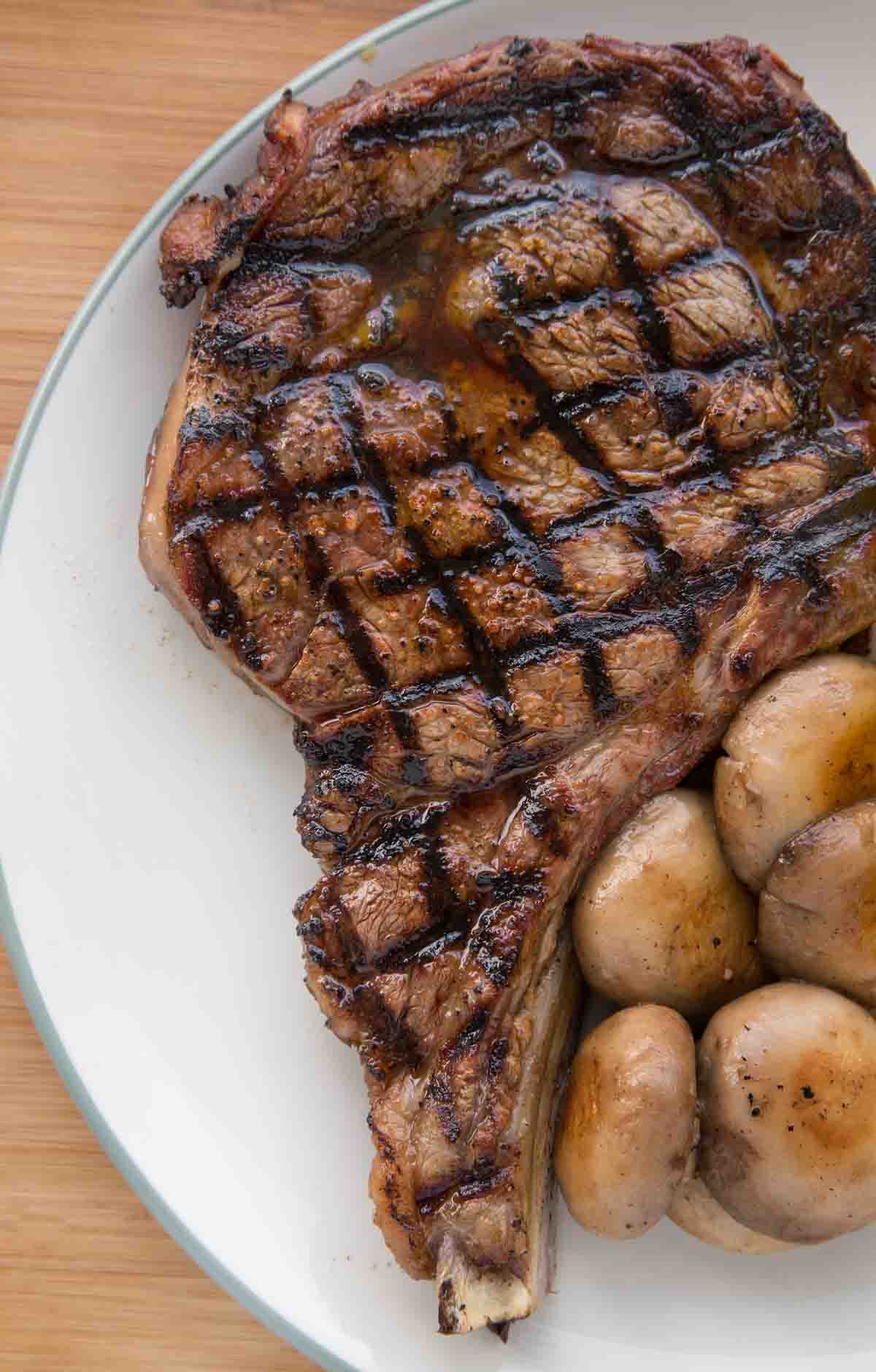
Searing your ribeye on high heat locks in the juices and builds a flavorful crust. Preheat your gas grill to its highest setting before placing the steak on the grates. Press the steak gently against the grill to ensure full contact and let it cook undisturbed for about 2-3 minutes per side.
Have you noticed how a good sear transforms the steak’s texture? That caramelized surface adds a depth of flavor you won’t get otherwise. Don’t flip the steak too often—patience here pays off.
Managing Flare-ups
Fat from the ribeye can drip and cause flare-ups, which might burn your steak. Keep a spray bottle of water nearby to quickly tame sudden flames without cooling the grill too much. Move the steak to a cooler part of the grill if flare-ups persist.
How do you handle flare-ups without losing heat? Try using a two-zone fire setup—one side on high heat for searing, the other on low for finishing. This way, you can avoid charring and maintain control over cooking.
Using A Meat Thermometer
A meat thermometer is your best friend for grilling steak to perfection. Insert it into the thickest part of the ribeye to check the internal temperature without guessing. Aim for 130°F (54°C) for medium-rare or 140°F (60°C) for medium.
Have you ever cut into a steak only to find it overcooked? Using a thermometer prevents that disappointment. Remember to let the steak rest for 5-10 minutes after grilling—carryover heat will raise the temperature slightly and juices will redistribute.
Resting And Serving
After grilling your ribeye steak to perfection, knowing how to rest and serve it properly can make all the difference in taste and texture. This stage is often overlooked, yet it’s crucial for locking in juices and enhancing flavor. Let’s dig into why resting matters, how to slice your steak, and the best ways to serve it for a memorable meal.
Importance Of Resting
Resting your steak allows the juices to redistribute evenly throughout the meat. Cutting it too soon causes these flavorful juices to spill out, leaving your steak dry. Give your ribeye about 5 to 10 minutes to rest on a warm plate, loosely covered with foil.
During this time, the steak’s internal temperature will rise slightly, helping it finish cooking gently. Have you ever noticed how a rested steak feels juicier and more tender? That’s the magic of this simple step.
Slicing Techniques
How you slice your ribeye affects both tenderness and presentation. Always cut against the grain—the direction of the muscle fibers—to shorten them and make each bite easier to chew. Look closely to identify the grain, then slice perpendicular to it.
Keep your slices about ¼ inch thick for a perfect balance between bite size and maintaining juiciness. Using a sharp knife ensures clean cuts and prevents tearing the meat. Imagine the difference between a jagged slice and a smooth one; which would you prefer on your plate?
Serving Suggestions
Serving your ribeye can be as simple or creative as you like. Classic options include a pat of herb butter melting on top or a sprinkle of flaky sea salt to enhance the natural flavors. For a fresh contrast, try serving with a crisp side salad or grilled vegetables.
If you want to impress, add a drizzle of balsamic glaze or a dollop of chimichurri sauce. Pair your steak with a bold red wine or a cold craft beer to complement the smoky flavors. What sides or sauces do you think will elevate your steak experience the most?
Troubleshooting Common Issues
Grilling a ribeye steak on a gas grill can sometimes bring challenges. Common issues like overcooking, uneven heat, or losing juiciness can happen. Understanding how to fix these problems improves your grilling skills. This section helps identify and solve these typical troubles for a perfect steak every time.
Avoiding Overcooking
Keep the grill temperature medium-high to control cooking speed. Use a meat thermometer to check doneness; 130°F for medium-rare is ideal. Let the steak rest after grilling to finish cooking evenly. Avoid flipping the steak too often to retain heat and flavor.
Dealing With Uneven Cooking
Preheat the grill for 10-15 minutes to ensure even heat. Use zones on the grill: one side hot, the other cooler for indirect cooking. Move the steak between zones if parts cook faster than others. Pressing down on the steak causes juices to escape, so avoid it.
Enhancing Juiciness
Marinate or season the steak before grilling to add moisture and flavor. Grill with the lid closed to trap heat and keep juices inside. Rest the steak 5-10 minutes on a plate before cutting to let juices settle. Slice against the grain to keep the meat tender and juicy.
Frequently Asked Questions
How Long To Grill Ribeye Steak On Gas Grill?
Grill ribeye steak for 4-6 minutes per side on medium-high heat. Use a meat thermometer to check 130°F for medium-rare. Adjust time based on steak thickness and preferred doneness for perfect results.
What Temperature To Set Gas Grill For Ribeye?
Preheat your gas grill to high heat, around 450°F to 500°F. This temperature sears the steak well, locking in juices and flavor. Lower heat can be used for thicker cuts after searing.
Should Ribeye Steak Be Marinated Before Grilling?
Ribeye steak doesn't require marinating due to its natural marbling. Season simply with salt and pepper for best flavor. Marinating can overpower the steak’s rich taste.
How To Check Ribeye Steak Doneness On Grill?
Use an instant-read meat thermometer for accuracy. Medium-rare is 130°F, medium 140°F, and well-done 160°F. Alternatively, use the finger test for doneness if you prefer.
Conclusion
Grilling a ribeye steak on a gas grill is simple and rewarding. Start with a good steak and preheat your grill well. Cook each side until you get a nice crust and the inside reaches your preferred doneness. Let the steak rest before cutting to keep it juicy.
Enjoy the rich, smoky flavor from your grill. Practice makes perfect, so keep trying to find your ideal way. A great ribeye steak can make any meal special.