If you want to master the art of cooking a perfect ribeye on your gas grill, you’re in the right place. Imagine biting into a juicy, tender steak with a mouthwatering sear that locks in all the flavor.
Sounds delicious, right? Whether you’re grilling for a special occasion or just a weekend treat, knowing the right steps will make all the difference. In this guide, you’ll discover simple tips and tricks that turn your gas grill into a steakhouse-quality machine.
Ready to impress yourself and anyone you’re cooking for? Let’s get started!
Choosing The Right Ribeye
Choosing the right ribeye sets the foundation for a delicious grilled steak. The quality of your meat and its characteristics will directly affect the flavor and tenderness of your final dish. Knowing what to look for helps you make confident choices at the butcher or grocery store.
Selecting Quality Meat
Look for ribeyes that have a bright red color and a fresh smell—these are signs of freshness. Avoid meat that appears brownish or has an off odor. If possible, buy from a trusted butcher who can tell you about the source and aging process of the steak.
Don’t hesitate to ask about the grade of the meat. USDA Prime or Choice grades usually offer better marbling and flavor. I once picked a well-marbled Choice ribeye that turned out more flavorful than a Prime I tried before. Sometimes, the right cut matters more than the label.
Thickness And Marbling Matters
Thickness impacts how you grill your ribeye. Aim for steaks that are at least 1 to 1.5 inches thick. Thinner cuts cook quickly but risk drying out, while thicker cuts allow for a nice sear and juicy interior.
Marbling, the tiny streaks of fat inside the meat, is key to tenderness and taste. More marbling means more flavor and juiciness as the fat melts during grilling. You might ask yourself: would you rather have a lean steak or one rich with that buttery fat? I always go for marbling; it’s what makes a ribeye special on the grill.

Credit: www.mychicagosteak.com
Preparing The Ribeye
Preparing the ribeye steak correctly sets the foundation for a great grilled meal. This stage ensures the meat cooks evenly and develops rich flavors. Taking the time to prepare the steak properly will make a big difference in the final taste and texture.
Seasoning Techniques
Start by patting the ribeye dry with paper towels. This helps the seasoning stick better. Use simple seasonings like salt and pepper to enhance the natural flavor. Sprinkle salt evenly on both sides of the steak. Add freshly ground black pepper for a bit of spice.
For extra taste, try these options:
- Garlic powder or onion powder for mild aroma
- Smoked paprika for a smoky touch
- Fresh herbs like rosemary or thyme
Apply the seasonings at least 30 minutes before grilling. This allows the flavors to soak into the meat.
Bringing Steak To Room Temperature
Take the ribeye out of the fridge about 30 to 60 minutes before cooking. Let it rest uncovered on a plate. This helps the steak cook evenly and prevents a cold center.
Do not leave the steak out too long. Too much time at room temperature can cause bacteria growth. Aim for the steak to feel cool but not cold before grilling.
This simple step improves the texture and overall grilling result.
Setting Up The Gas Grill
Setting up your gas grill correctly sets the foundation for a perfectly cooked ribeye. It’s not just about turning the knobs and placing the steak on the grates. The way you prepare your grill influences the flavor, texture, and even the cooking time of your steak.
Preheating And Temperature Zones
Preheat your grill for at least 15 minutes with the lid closed. Aim for a surface temperature of about 450°F to 500°F to get a good sear on your ribeye.
Creating temperature zones is key. Turn one side of the grill to high heat and keep the other side on medium or low. This gives you a hot zone for searing and a cooler zone for finishing the steak gently.
Have you tried using a grill thermometer? It helps you monitor the grill’s surface temperature accurately, so you avoid overcooking or undercooking your steak.
Cleaning And Oiling The Grates
Clean grates prevent sticking and improve the grill marks on your ribeye. Use a wire brush to scrape off any residue from previous grilling sessions.
After cleaning, dip a folded paper towel in vegetable oil and use tongs to rub it on the grates. This step not only helps with sticking but also adds a subtle smoky flavor.
Remember, a well-oiled grate can make flipping your steak smoother and prevent those frustrating moments when your ribeye tears apart. Have you noticed how a clean and oiled grill changes the texture of your steak?
Grilling The Ribeye
Grilling a ribeye on a gas grill brings out rich flavors and juicy tenderness. This cut needs the right heat and timing to shine. Preparing the grill and meat well sets the stage for a delicious steak. Now, focus on grilling techniques that highlight the ribeye's best qualities.
Searing For Flavor
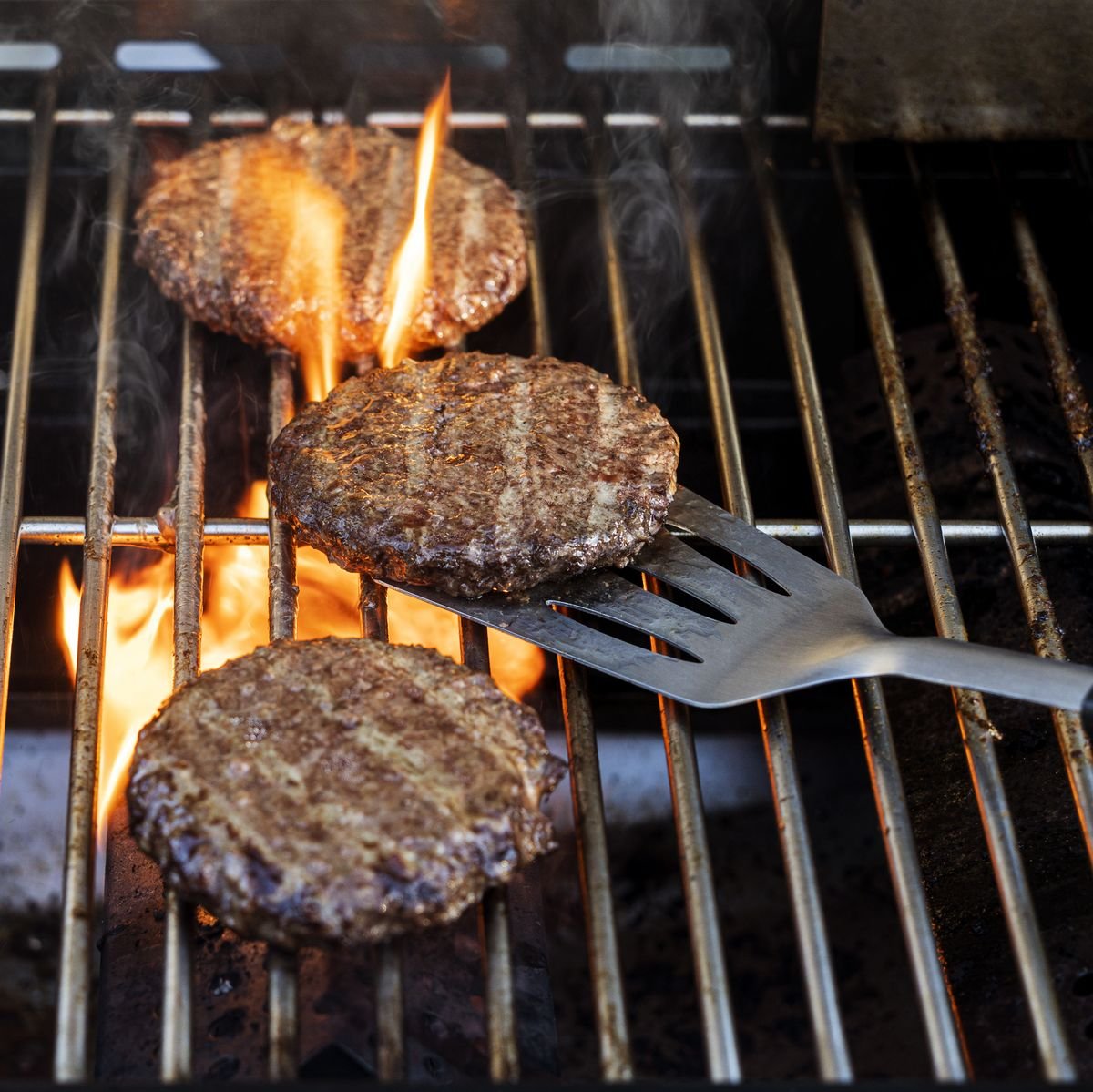
Searing locks in juices and creates a tasty crust. Preheat the grill to high heat before placing the steak. Sear each side for about 2-3 minutes. Avoid moving the steak too much to get a good crust. This step adds deep, smoky flavors and a beautiful color.
Using Direct And Indirect Heat
Direct heat cooks the steak quickly and forms the crust. Indirect heat finishes cooking without burning the outside. Start by searing over direct heat. Then move the ribeye to indirect heat to cook through gently. This method keeps the inside juicy and the outside crisp.
Timing And Flipping Tips
- Cook the ribeye about 4-5 minutes per side for medium-rare.
- Flip the steak only once to keep juices inside.
- Use a meat thermometer to check for doneness: 130°F for medium-rare.
- Let the steak rest for 5 minutes after grilling to keep it juicy.
Checking Doneness
Checking doneness involves touching the ribeye to assess firmness. Use a meat thermometer for accuracy. Aim for 130°F for medium-rare.
Checking the doneness of a ribeye steak is crucial. It ensures the perfect bite. Different methods help achieve the desired level of doneness. Each method has its own advantages. Using the right technique enhances flavor and texture.
Using A Meat Thermometer
A meat thermometer is reliable. Insert it into the thickest part of the steak. Avoid touching bones. For rare, aim for 120°F. Medium rare is 130°F. Medium should be 140°F. For well done, 160°F works best. Always let the steak rest. This allows juices to redistribute.
Touch Test Methods
The touch test is simple and quick. Compare the steak's firmness to your palm. Relax your hand and touch your thumb to your index finger. The fleshy part of your palm is rare. Touch your thumb to the middle finger for medium rare. For medium, use your ring finger. The pinky finger touch resembles well done. Practice makes this method easier.
Resting The Steak
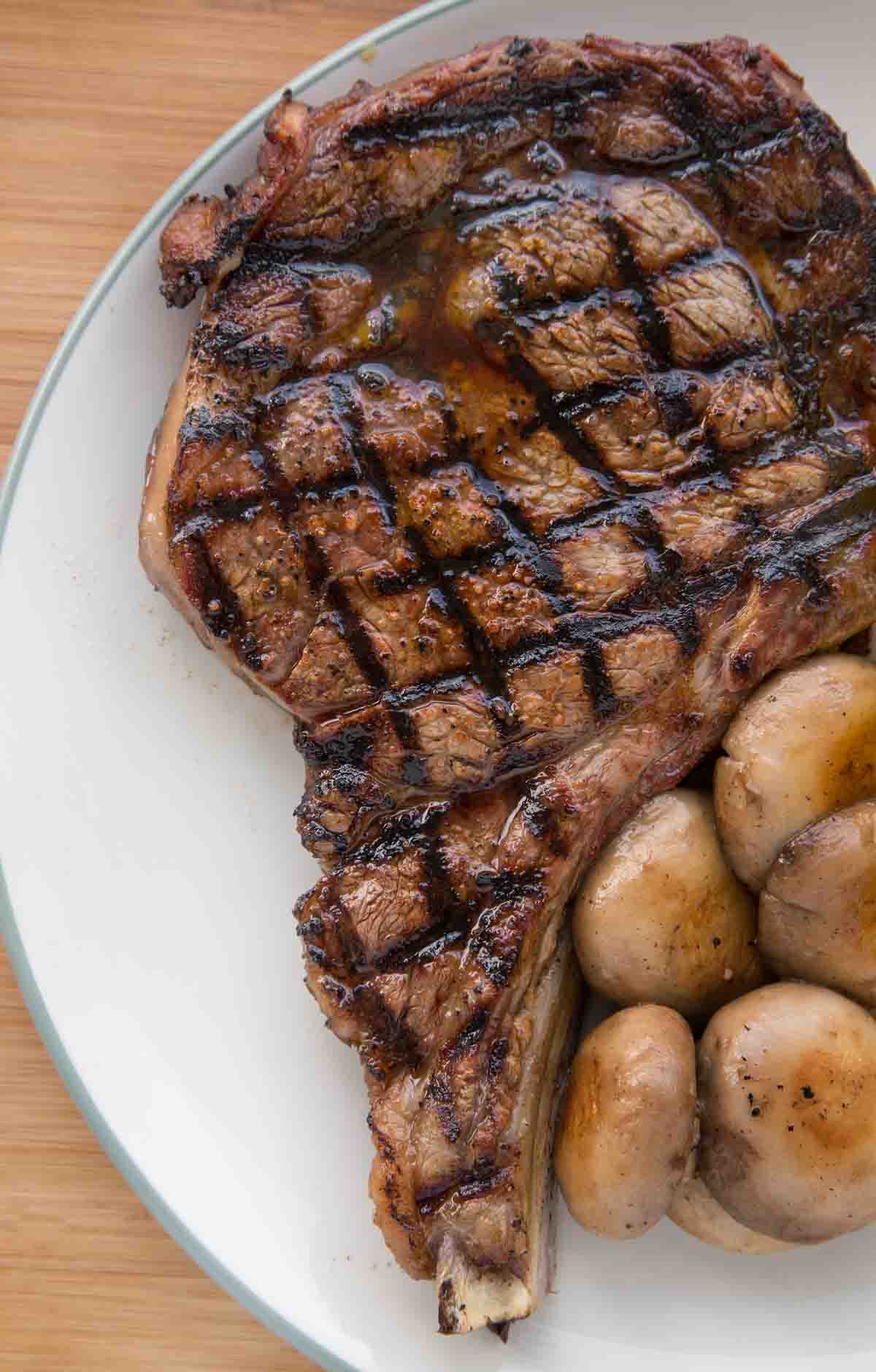
Resting the steak is a crucial step after grilling your ribeye. It allows the juices to settle back into the meat. This step ensures each bite stays tender and flavorful. Skipping resting causes the juices to spill out when cutting, making the steak dry. Taking a few minutes to rest improves texture and taste significantly.
Why Resting Is Important
Grilled ribeye holds hot juices inside. Resting lets these juices redistribute evenly. This prevents the steak from losing moisture when sliced. It also helps the meat fibers relax. As a result, the steak becomes juicier and softer. Resting preserves the rich flavor you worked hard to create on the grill.
Ideal Resting Time
Rest your ribeye for 5 to 10 minutes. Use a warm plate or cutting board to cover it loosely. This keeps the steak warm while resting. Avoid wrapping it tightly in foil as it traps steam. Too long resting can cool the steak down. The perfect time balances warmth and juice retention for best taste.
Serving Suggestions
Serving a grilled ribeye steak is about balance. The right sides and sauces bring out the meat's rich flavors. Keep the accompaniments simple to let the steak shine. Small touches can make your meal special and memorable.
Simple Side Dishes
Choose sides that are easy and fresh. Grilled vegetables like asparagus, bell peppers, or zucchini add color and crunch. A crisp salad with lettuce, tomatoes, and cucumbers offers a refreshing contrast.
- Garlic mashed potatoes for creamy comfort
- Steamed green beans with a squeeze of lemon
- Roasted sweet potatoes for a touch of sweetness
These sides complement the ribeye without overpowering it. They add texture and flavor variety to your plate.
Enhancing With Sauces And Butters
Sauces and compound butters add richness and depth. A simple garlic butter melts beautifully over a hot ribeye. Herb butters with parsley or thyme bring fresh, aromatic notes.
- Classic chimichurri for a bright, tangy kick
- Red wine reduction for a deep, savory flavor
- Blue cheese butter for a creamy, bold taste
These options elevate your steak without hiding its natural taste. They create a perfect finishing touch for an impressive meal.
Credit: creators.yahoo.com
Troubleshooting Common Issues
Troubleshooting common issues on a gas grill can make the difference between a mediocre ribeye and a perfectly cooked steak. Knowing how to handle problems like overcooking and flare-ups will keep your cooking smooth and your steak juicy. Let’s look at practical ways to avoid these common pitfalls.
Avoiding Overcooking
Overcooking a ribeye can turn a tender cut into a tough chew. One trick is to use a meat thermometer; it’s the most reliable way to check doneness without cutting into the steak. Aim for 130°F for medium-rare and remove the steak from the grill a few degrees before your target temperature because it continues to cook as it rests.
Another tip is to keep the grill temperature steady. Too high, and the outside chars before the inside cooks properly. You might want to set up a two-zone fire—one side hot for searing, the other cooler for finishing the steak slowly.
Preventing Flare-ups
Flare-ups happen when fat drips onto the flames, causing sudden bursts of fire that can burn your steak. Trim excess fat from the edges before grilling to reduce drips. If a flare-up occurs, move the steak to the cooler side of the grill until the flames die down.
Keeping a spray bottle filled with water nearby helps control small flames quickly without cooling the grill too much. Also, avoid pressing down on the steak; squeezing out juices only adds fuel to the fire.
Credit: www.askchefdennis.com
Frequently Asked Questions
How Long To Grill A Ribeye Steak On Gas Grill?
Grill ribeye for 4-6 minutes per side on high heat. Use a meat thermometer to reach 130°F for medium-rare. Adjust time for steak thickness and desired doneness.
What Temperature Is Best For Gas Grilling Ribeye?
Preheat your gas grill to 450°F-500°F for perfect ribeye. High heat sears the steak, locking in juices and flavor. Use direct heat for cooking.
Should Ribeye Be Rested After Grilling?
Yes, rest ribeye for 5-10 minutes after grilling. This allows juices to redistribute, making the steak tender and juicy. Cover loosely with foil while resting.
How To Season Ribeye For Gas Grill Cooking?
Season ribeye simply with salt and pepper before grilling. Add garlic powder or herbs if desired. Avoid heavy marinades to maintain steak's natural flavor.
Conclusion
Grilling a ribeye on a gas grill is simple and rewarding. Start with a good steak and a hot grill. Season well and watch the time carefully. Let the meat rest before cutting. Enjoy the rich, juicy flavors you created.
Practice makes perfect, so keep trying. Every grill and steak is a little different. Soon, you’ll feel confident cooking ribeye anytime. Great meals don’t need to be hard. Just follow these easy steps and enjoy your delicious steak.