If you want to cook a ribeye on a charcoal grill that’s juicy, tender, and packed with flavor, you’re in the right place. Grilling over charcoal adds a smoky taste you just can’t get with gas or indoor cooking.
But getting it just right can be tricky if you don’t know the steps. In this guide, you’ll learn exactly how to prepare your grill, season your steak, and cook it to perfection every time. Ready to impress yourself and anyone you’re grilling for?
Let’s get started.
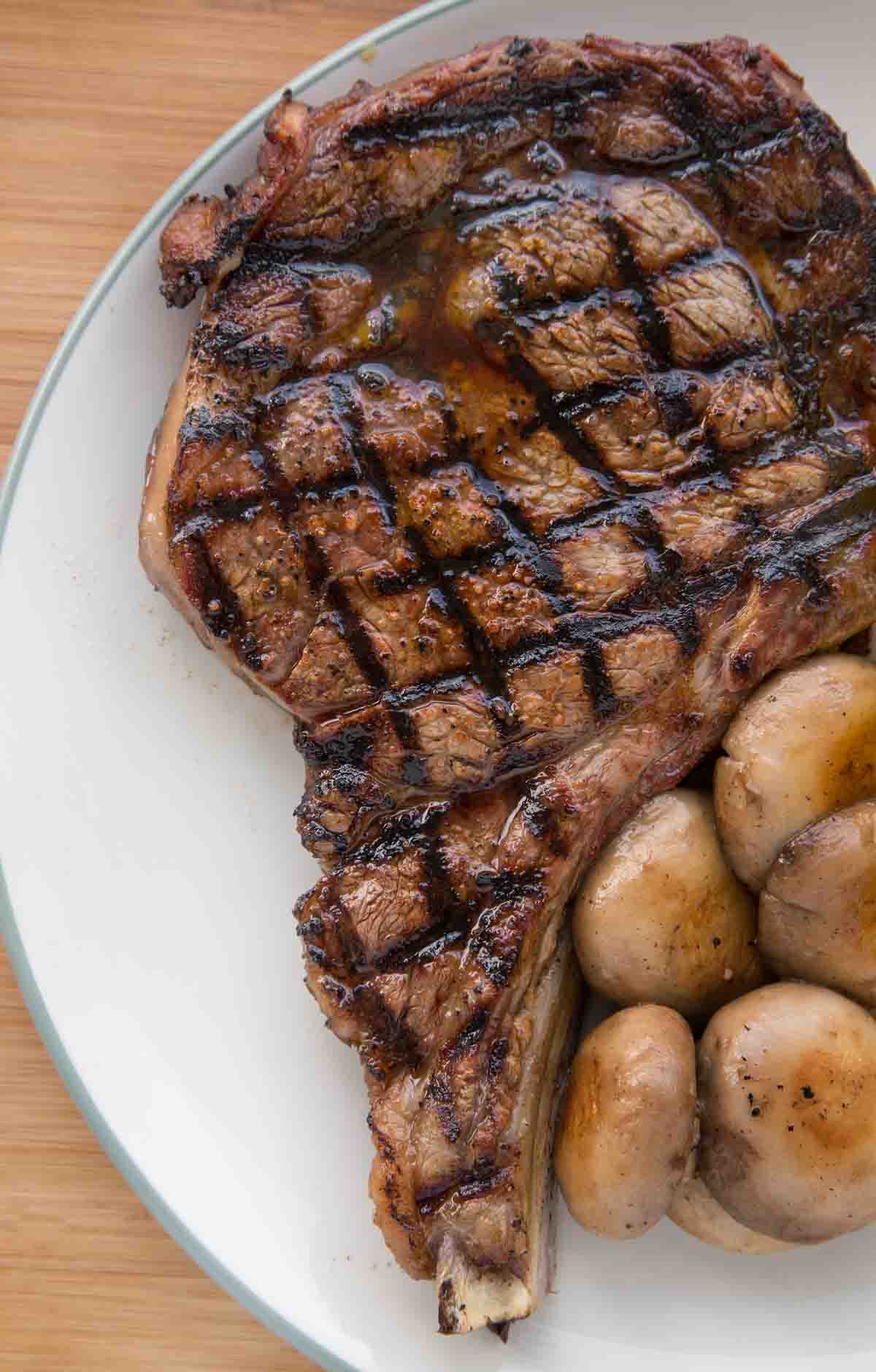
Credit: www.askchefdennis.com
Choosing The Right Ribeye
Choosing the right ribeye sets the stage for an unforgettable grilling experience. The quality of your steak affects every bite, so it pays off to be selective. Think about what you want in terms of flavor, texture, and cooking time before you buy.
Marbling And Thickness
Marbling refers to the white streaks of fat within the meat. More marbling means richer flavor and juicier texture. If you prefer a tender, buttery bite, look for ribeyes with plenty of even marbling.
Thickness matters just as much. A thicker steak gives you room to develop a perfect crust while keeping the inside tender and juicy. Aim for at least 1 to 1.5 inches thick to avoid overcooking.
Fresh Vs. Aged Cuts
Fresh ribeye offers a bright, beefy flavor with a firmer texture. It’s often more affordable and widely available. If you want a straightforward, satisfying steak, fresh is a solid choice.
Aged ribeye, whether wet or dry-aged, intensifies flavor and tenderizes the meat. Dry-aged cuts develop a nuttier, more complex taste, but they come at a premium. Have you tried aged ribeye? The difference can surprise you.
Preparing The Ribeye
Getting your ribeye ready before it hits the charcoal grill is key to a juicy, flavorful steak. How you prepare the meat affects every bite you take. Let’s focus on the crucial steps that set the stage for grilling success.
Seasoning Techniques
Seasoning your ribeye is more than just sprinkling salt and pepper. You want to enhance the natural beefy flavor without overpowering it.
- Start simple:Use kosher salt and freshly ground black pepper. These staples bring out the steak’s richness.
- Apply generously:Don’t be shy with seasoning; a thick steak needs a good crust.
- Consider extras:Garlic powder, smoked paprika, or a pinch of chili flakes can add subtle depth if you like a twist.
- Use oil:Lightly brush the steak with a neutral oil to help the seasoning stick and promote even searing.
How do you decide what seasoning mix works best for your taste? Try small tweaks each time you grill to find your perfect balance.
Bringing To Room Temperature
Have you ever grilled a steak straight from the fridge and noticed uneven cooking? That’s why letting your ribeye sit out before grilling matters.
- Timing:Take the steak out about 30-60 minutes before grilling. This helps the meat cook evenly.
- Pat dry:Before seasoning, pat the steak dry with paper towels. Moisture is the enemy of a good crust.
- Keep it safe:Don’t leave the steak out for too long; 1 hour max to avoid any food safety risks.
Imagine biting into a steak with a perfectly cooked center—no cold spots or overdone edges. That’s what this simple step can do for you.
Setting Up The Charcoal Grill
Setting up your charcoal grill properly is the foundation for cooking the perfect ribeye. It’s not just about lighting the charcoal; it’s about controlling the heat and creating the right environment for your steak. Getting this right can mean the difference between a dry, overcooked piece of meat and a juicy, flavorful ribeye.
Building The Fire
Start by arranging your charcoal in a pile or pyramid shape. This structure helps the coals ignite evenly and quickly. Use lighter fluid sparingly or a chimney starter for a cleaner, more efficient burn.
Wait until the charcoal turns a consistent gray-white before spreading it out. This indicates the coals have reached the ideal temperature for grilling. Have you noticed how impatience can ruin the fire? Hold off and let the coals do their work.
Creating Heat Zones
Divide your grill into two zones: a hot direct heat area and a cooler indirect heat area. Pile most of the coals on one side for searing, then leave the other side with fewer coals to finish cooking slower.
This setup gives you control over your ribeye’s cooking speed and helps prevent flare-ups. Think about how many times you’ve had to rush flipping steaks because the fire was too hot—this method saves you from that stress.
- Place the charcoal on one side for high heat (around 500°F).
- Leave the other side with fewer coals for medium to low heat (around 300°F).
- Use a grill thermometer to monitor temperatures for precision.

Credit: www.youtube.com
Grilling The Ribeye
Grilling a ribeye on a charcoal grill creates a smoky, juicy steak. The key lies in managing the heat properly and knowing when to flip the meat. This process brings out deep flavors and a perfect texture.
Searing For Crust
Start by placing the ribeye directly over hot charcoal. Sear for 2-3 minutes per side to form a rich crust. This locks in juices and adds a bold flavor. Avoid moving the steak too much during searing.
Using Direct And Indirect Heat
After searing, move the ribeye to a cooler side of the grill. Use indirect heat to cook the steak through. This prevents burning outside while the inside cooks evenly. Cover the grill to keep the heat steady.
Timing And Flipping
Flip the ribeye only once after the initial sear. Cook for about 4-6 minutes per side, depending on thickness. Use a meat thermometer to check doneness. Aim for 130°F for medium-rare, 140°F for medium.
Checking Doneness
Checking Doneness Use a meat thermometer to ensure the ribeye reaches desired doneness. Aim for 130°F for medium-rare. Press the steak gently; it should feel firm yet springy.
Cooking the perfect ribeye on a charcoal grill is an art, and one of the most crucial steps is checking the doneness. Achieving the ideal level of doneness can elevate your steak from good to unforgettable. It's all about timing and technique. Too rare, and it might not meet your taste; too well-done, and you could lose that juicy tenderness. Let's explore a couple of reliable methods to ensure your ribeye is cooked just the way you like it.
Using A Meat Thermometer
A meat thermometer is your best friend when grilling a ribeye. It provides precise information about the internal temperature, removing any guesswork. Simply insert the thermometer into the thickest part of the steak, avoiding bone or fat. Aim for these temperatures: - Rare: 120°F to 125°F - Medium Rare: 130°F to 135°F - Medium: 140°F to 145°F Always remember, the steak continues to cook after you remove it from the grill. So, aim slightly lower than your desired temperature.
Touch Test Method
The touch test method might sound intimidating, but it's a handy skill to master. This method involves comparing the firmness of the steak to different parts of your hand. It’s a great way to check doneness when you don’t have a thermometer handy. - Rare: Feel the base of your thumb when your hand is open. - Medium Rare: Lightly press your thumb to your index finger, and feel the base. - Medium: Press your thumb to your middle finger. Does this sound like something you’d try? It requires practice, but many grilling enthusiasts swear by it. Each time you cook, you'll get better at judging the perfect doneness by touch alone.
Resting And Serving
After grilling your ribeye to perfection, the final steps of resting and serving are crucial to maximize flavor and texture. These moments allow the juices to redistribute evenly throughout the meat, ensuring every bite is tender and juicy. How you handle this stage can make a noticeable difference in your grilling experience.
Importance Of Resting
Let your ribeye rest for about 5 to 10 minutes after taking it off the charcoal grill. This pause lets the juices settle back into the steak instead of spilling out when you cut into it.
Skipping resting often leads to dry, less flavorful meat. Think of it as giving your steak a short break to lock in all the deliciousness.
Cover the steak loosely with aluminum foil to keep it warm without steaming the crust. This simple step preserves the texture you worked hard to achieve on the grill.
Serving Suggestions
Present your ribeye on a warm plate to maintain its temperature longer. You can slice it thinly against the grain for easy sharing or serve it whole for a rustic look.
Complement your steak with sides that balance its rich flavor:
- Grilled vegetables like asparagus or bell peppers
- Fresh salads with a tangy vinaigrette
- Classic mashed potatoes or a baked potato with sour cream
Don’t forget a sprinkle of flaky sea salt or a pat of herb butter right before serving. These small touches elevate the taste and add a gourmet feel.
What’s your favorite way to serve ribeye? Experimenting with different sides or sauces could turn your next meal into something memorable.
Enhancing Flavor
Enhancing the flavor of your ribeye on a charcoal grill can take your cookout to the next level. Simple touches can add layers of taste that make each bite memorable. Think about how you can use natural elements and finishing touches to bring out the best in your steak.
Adding Wood Chips
Wood chips add a smoky aroma that charcoal alone can’t deliver. Soaking them in water for about 30 minutes before placing them on the coals helps them smolder instead of burning up quickly. Different woods bring different flavors—hickory offers a strong, smoky punch, while applewood adds a subtle sweetness.
Try wrapping a handful of soaked chips in aluminum foil and poking holes in the top to create a slow-burning smoke packet. Place this directly on the hot coals when your steak is nearly done. The smoke infuses the ribeye with a deep, complex flavor that’s hard to achieve otherwise.
Using Compound Butters
Compound butters are an easy way to add richness and extra flavor right after grilling. Mix softened butter with ingredients like garlic, fresh herbs, or blue cheese. Once your ribeye comes off the grill, place a dollop on top and let it melt over the steak.
This simple addition enhances juiciness and adds layers of taste that complement the smoky notes from the grill. Have you ever tried a rosemary and lemon butter? It brightens the meat beautifully, making each bite more exciting. Experiment with your favorite herbs or spices to find your signature finish.

Credit: www.thekitchn.com
Common Mistakes To Avoid
Cooking a ribeye on a charcoal grill is simple, yet easy to make mistakes. Avoiding common errors helps achieve a juicy, flavorful steak every time. Below are some frequent missteps to watch out for during the grilling process.
Not Preheating The Grill Properly
Starting with a cold grill leads to uneven cooking. Charcoal must be hot and glowing before placing the steak. This sears the meat and locks in juices.
Skipping The Rest Before Grilling
Grilling a cold steak straight from the fridge causes uneven heat inside. Let the ribeye sit at room temperature for 20-30 minutes before grilling. This ensures even cooking.
Overcrowding The Grill
Putting too many steaks on the grill reduces heat and causes steaming. Leave enough space between steaks for proper air flow and a good sear.
Flipping Too Often
Turning the steak repeatedly prevents a nice crust from forming. Flip the ribeye only once during cooking to develop a rich, browned surface.
Using High Heat Only
Cooking over very high heat the entire time burns the outside and leaves the inside raw. Use a two-zone fire: hot side for searing, cooler side for finishing.
Not Letting The Steak Rest After Cooking
Cutting into the ribeye immediately makes the juices run out. Let the steak rest for 5-10 minutes after grilling to keep it juicy and tender.
Frequently Asked Questions
How Long To Grill A Ribeye Steak On Charcoal?
Grill ribeye for 4-5 minutes per side for medium-rare. Adjust time for desired doneness. Use a meat thermometer for accuracy.
What Temperature Is Ideal For Grilling Ribeye?
Maintain charcoal grill temperature around 450-500°F. This high heat sears the steak, locking in juices and flavor perfectly.
Should Ribeye Be Seasoned Before Grilling?
Yes, season ribeye with salt and pepper before grilling. This enhances the steak’s natural flavors and creates a tasty crust.
How To Prevent Ribeye From Sticking To Grill?
Oil the grill grates and the steak lightly before cooking. This prevents sticking and helps achieve perfect grill marks.
Conclusion
Grilling a ribeye on charcoal brings rich, smoky flavor. Start with clean grill grates and hot coals. Cook the steak over direct heat for a nice sear. Then, move it to indirect heat to finish cooking. Let the meat rest before cutting to keep juices inside.
Simple steps make a delicious, juicy ribeye every time. Enjoy the process and share your tasty results with friends. Charcoal grilling adds a special touch to your meals. Try it soon and taste the difference.