You’re about to discover how to cook a rib roast on a rotisserie that will impress everyone at your table. Imagine juicy, tender meat with a crispy, flavorful crust—cooked evenly all around without any guesswork.
Whether you’re a beginner or looking to up your grilling game, this method makes it easy to get perfect results every time. Keep reading, and you’ll learn simple steps to turn your rib roast into a mouthwatering masterpiece that will have everyone asking for seconds.
Choosing The Right Rib Roast
Choosing the right rib roast is key for a delicious rotisserie meal. The quality and size of the meat affect the taste and cooking time. Selecting the perfect roast ensures even cooking and great flavor.
Selecting Quality Meat
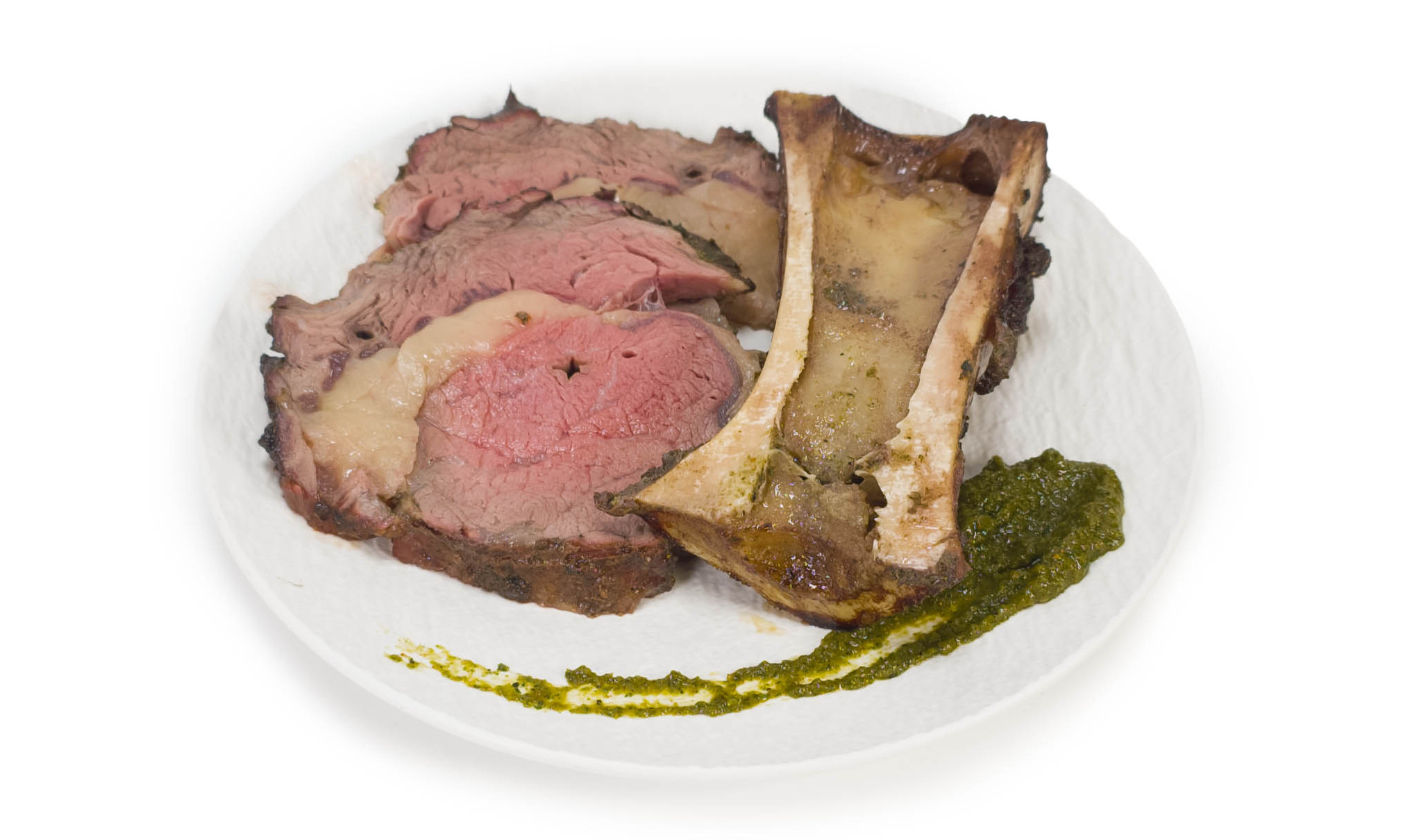
Look for a rib roast with bright red color and fresh smell. Avoid meat with dark spots or unpleasant odors. Good marbling is important. It means fine fat streaks inside the meat. This fat melts during cooking, making the roast juicy and tender.
Choose meat labeled as "prime" or "choice" grade for best results. These grades have better marbling and texture.
Size And Weight Considerations
Pick a roast size that fits your rotisserie and serves your guests. A typical rib roast weighs between 4 and 8 pounds. Smaller roasts cook faster but serve fewer people.
Plan about one pound of meat per person. This includes some bone weight. Make sure the roast fits securely on your rotisserie spit without touching the heat source.
Credit: pitmasterx.com
Preparing The Rib Roast
Getting your rib roast ready for the rotisserie is key to a delicious meal. This stage sets the foundation for flavor and texture. Taking the time to prepare your roast carefully will pay off when you slice into juicy, tender meat.
Trimming And Seasoning
Start by trimming excess fat from the rib roast, but leave a thin layer to keep the meat moist during cooking. Removing large chunks of fat helps prevent flare-ups on the grill and ensures even cooking.
Next, season generously with salt and pepper. Don’t be shy—seasoning deeply penetrates the meat when it spins slowly on the rotisserie. You can also add garlic powder, rosemary, or thyme for extra aroma.
Marinating Tips
Marinating your rib roast adds another layer of flavor and helps tenderize the meat. Use a simple mixture of olive oil, crushed garlic, fresh herbs, and a splash of acid like lemon juice or vinegar.
Let the roast soak in the marinade for at least 4 hours, or overnight if you have time. This slow absorption makes a noticeable difference when you taste the finished roast.
Have you ever noticed how a well-marinated roast tastes richer and more complex? Give it a try and see how it changes your rotisserie experience.
Setting Up The Rotisserie
Setting up the rotisserie correctly is key to cooking a rib roast that’s juicy and evenly cooked. It’s not just about placing the meat on the spit; it’s about ensuring everything is secure and balanced. This prevents wobbling and uneven cooking, which can ruin your roast.
Equipment Requirements
First, check that your rotisserie kit includes a sturdy spit rod, two forks, and a reliable motor. The rod should be long and strong enough to hold the weight of your rib roast without bending. If your roast is heavy, consider a motor with higher torque to keep the rotation steady.
You’ll also need heat-resistant gloves and a drip pan to catch the fat and juices. A good thermometer designed for rotisserie cooking helps you monitor the internal temperature without stopping the rotation. Don’t forget to clean and oil the spit rod before use to prevent sticking.
Securing The Roast Properly
Place the rib roast in the center of the spit rod to balance its weight evenly. Use the forks to firmly secure the meat on both sides, tightening the screws so the roast doesn’t move during cooking. If the roast wobbles, adjust the forks or reposition the meat until it’s stable.
Wrapping the ends of the bone with foil can prevent them from burning and also help balance the roast better. Ask yourself if the roast feels solid and secure before turning the motor on—it’s worth a quick check to avoid any accidents. A well-secured roast means you’ll get consistent heat all around, producing that perfect crust and tender inside.

Credit: www.chefworks.com
Cooking Process
Cooking a rib roast on a rotisserie brings out rich flavors and tender meat. The slow, even cooking ensures a juicy roast with a crispy outer crust. The key lies in controlling temperature and timing carefully. Monitoring the roast closely prevents overcooking or undercooking. Using the right tools helps achieve perfect results every time.
Ideal Temperature Settings
Set the rotisserie to medium heat, around 300°F to 325°F (150°C to 160°C). This temperature cooks the roast evenly without burning the outside. Avoid high heat, which may cook the exterior too fast. Low heat can make the roast tough and dry. Keep the temperature steady throughout the cooking process for best results.
Monitoring Cooking Time
Cooking time depends on the roast size and desired doneness. Plan for about 15 to 20 minutes per pound. Turn the roast slowly on the rotisserie to cook all sides evenly. Watch for color changes and juices running clear. Allow the roast to rest after cooking to keep it juicy and tender.
Using A Meat Thermometer
Insert a meat thermometer into the thickest part of the roast. Check the temperature often to track doneness. For medium-rare, aim for 130°F to 135°F (54°C to 57°C). Medium is 140°F to 145°F (60°C to 63°C). Remove the roast from heat a few degrees before the target temperature. The roast will continue to cook slightly while resting.
Achieving Juicy Results
Cooking a rib roast on a rotisserie creates a juicy, flavorful meal. The key lies in maintaining moisture throughout the cooking process. Two important techniques ensure the roast stays juicy and tender. Basting and resting play vital roles in achieving delicious results. Let’s dive into these methods to enhance your rib roast.
Basting Techniques
Basting keeps the meat moist and enhances flavor. Use a simple marinade or sauce. Apply it generously during cooking. Baste every 20 minutes for the best results. This routine ensures the roast absorbs flavors. It also helps create a beautiful, caramelized crust. Basting is essential for a juicy rib roast.
Resting The Meat
Resting the meat after cooking allows juices to redistribute. It makes the roast tender and flavorful. Let the rib roast rest for 15 to 20 minutes. Cover it loosely with aluminum foil. This resting period enhances taste and texture. It prevents juices from spilling out when sliced. Always rest your rib roast for optimal results.

Credit: www.youtube.com
Serving Suggestions
Serving a rib roast cooked on a rotisserie is a delightful experience. Presentation and pairing enhance the meal's enjoyment. Proper serving highlights the roast's tender texture and rich flavor.
Carving Tips
Let the rib roast rest for 15-20 minutes after cooking. This helps the juices settle inside the meat. Use a sharp carving knife to slice thin, even pieces. Cut against the grain for maximum tenderness. Remove the bones first to make carving easier. Arrange slices neatly on a warm platter for a beautiful display.
Complementary Side Dishes
- Roasted garlic mashed potatoes – creamy and smooth.
- Grilled asparagus with lemon zest – bright and fresh.
- Caesar salad – crisp and flavorful.
- Yorkshire pudding – traditional and fluffy.
- Sauteed mushrooms – earthy and savory.
- Freshly baked dinner rolls – soft and warm.
- Horseradish sauce – adds a sharp, spicy kick.
These sides balance the rich taste of the rib roast. They create a satisfying and well-rounded meal.
Frequently Asked Questions
How Long To Cook A Rib Roast On A Rotisserie?
Cook a rib roast on a rotisserie for 15 minutes per pound. Use medium heat around 300°F for even cooking. Always check internal temperature for doneness.
What Internal Temperature Is Ideal For Rib Roast?
Aim for 130°F for medium-rare, 140°F for medium. Use a meat thermometer to check the roast’s center. Remove from heat when 5°F below target.
How To Season Rib Roast For Rotisserie Cooking?
Use salt, pepper, garlic, and herbs like rosemary or thyme. Rub the seasoning evenly on the entire roast. Let it rest for at least 30 minutes before cooking.
Should I Truss The Rib Roast On The Rotisserie?
Yes, truss the roast tightly with butcher’s twine. This ensures even cooking and prevents meat from flopping during rotation. Secure the roast firmly on the spit rod.
Conclusion
Cooking a rib roast on a rotisserie brings out rich flavors and juicy meat. The slow, even heat cooks it perfectly every time. Season well and keep the temperature steady for best results. Let the roast rest before slicing to keep it tender.
This method is great for special dinners or weekend meals. Enjoy the delicious taste and the fun of cooking outdoors. Try it once, and it may become your favorite way to cook rib roast.