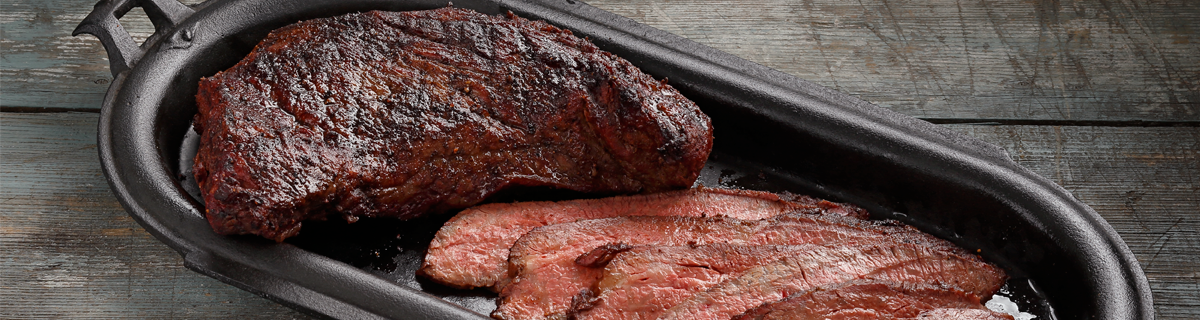
If you want to cook a rib-eye steak that’s juicy, tender, and packed with flavor, mastering your gas grill is the key. You might think grilling a perfect rib-eye is tricky, but with the right steps, you can impress yourself and everyone at your table.
In this guide, you’ll discover simple tips and tricks to get that mouthwatering crust and smoky taste every time. Keep reading, and soon you’ll be grilling rib-eyes like a pro, turning your cookouts into unforgettable meals.
Choosing The Right Rib-eye
Choosing the right rib-eye is the foundation of a great grilled steak. The quality and preparation of your meat can make or break your cooking experience. Understanding what to look for before the grill heats up will save you from disappointment and elevate your meal.
Selecting Quality Meat
Look for rib-eyes that are bright red with a fresh smell—avoid any that appear dull or have a strong odor. Check the sell-by date and buy from a trusted butcher or store. Don’t hesitate to ask where the meat comes from; grass-fed or grain-fed options offer different flavors and textures.
Remember, the best steak starts with the best cut. I once grabbed a discounted rib-eye without checking, and the taste was far from satisfying. That experience taught me to always prioritize quality over price.
Thickness And Marbling
Choose rib-eyes that are at least 1 to 1.5 inches thick. Thicker steaks cook more evenly and retain juiciness better. Thin cuts can dry out quickly on a hot gas grill.
Marbling—the white streaks of fat running through the meat—is crucial. More marbling means more flavor and tenderness after grilling. Aim for steaks with consistent and fine marbling rather than large chunks of fat.
- Thick cut (1–1.5 inches) for better cooking control
- Even marbling for juiciness and flavor
- Avoid steaks with excessive or uneven fat
Prepping The Steak
Take your rib-eye out of the fridge about 30 minutes before grilling. This helps the meat cook more evenly. Pat it dry with paper towels to remove moisture, which promotes better searing.
Season simply with salt and pepper to enhance the natural flavors. You can add garlic powder or herbs, but don’t mask the steak’s taste. Letting the steak rest after seasoning allows the salt to penetrate the meat.
Have you ever rushed this step and ended up with unevenly cooked steak? Taking the time to prep properly makes a big difference on the grill.

Credit: www.mychicagosteak.com
Preparing Your Gas Grill
Preparing your gas grill correctly is key to cooking a perfect rib-eye. A clean and well-heated grill ensures even cooking and great flavor. Taking time to set up your grill helps avoid sticking and flare-ups. Follow these steps to get your grill ready for a delicious rib-eye steak.
Cleaning And Preheating
Start by cleaning the grill grates with a grill brush. Remove leftover food and debris to prevent sticking. After cleaning, preheat the grill for 10 to 15 minutes. High heat helps sear the rib-eye and locks in juices. Keep the lid closed during preheating for consistent temperature.
Setting Temperature Zones
Create two heat zones on your gas grill. One side should be hot for searing the steak. The other side should be cooler for finishing the cooking. This setup lets you control the cooking process better. Move the rib-eye between zones to avoid burning or undercooking.
Oil The Grates
Apply a thin layer of oil to the grill grates before placing the steak. Use a paper towel dipped in oil and tongs to rub the grates. This step prevents the rib-eye from sticking. Choose an oil with a high smoke point, like canola or vegetable oil. Oiling the grates also helps create perfect grill marks.
Seasoning The Rib-eye
Seasoning a rib-eye steak is key to bringing out its rich flavor. The right seasoning enhances the natural taste and creates a tasty crust. Simple or complex, seasoning sets the stage for a delicious grilled steak. Here are some easy ways to season your rib-eye perfectly.
Simple Salt And Pepper
Salt and pepper are classic seasonings for rib-eye. Use coarse salt to draw out the meat’s flavor. Freshly ground black pepper adds a mild heat and aroma.
- Sprinkle salt evenly on both sides of the steak.
- Add a generous layer of black pepper.
- Let the steak rest for 15 minutes to absorb the seasoning.
This simple combo keeps the steak’s natural taste front and center.
Using Dry Rubs
Dry rubs offer a mix of spices for a bold flavor. They form a savory crust during grilling. Common ingredients include paprika, garlic powder, onion powder, and chili powder.
- Mix your favorite spices in a bowl.
- Rub the mixture all over the rib-eye.
- Press the rub gently to stick well to the meat.
- Let it sit for 30 minutes or longer for stronger taste.
Dry rubs add variety and depth to your grilled rib-eye.
Marinating Options
Marinades soak the steak in flavorful liquids. They tenderize the meat and add moisture. Popular marinade bases include olive oil, soy sauce, and vinegar.
- Combine ingredients like garlic, herbs, and lemon juice.
- Place the rib-eye in a sealed bag with the marinade.
- Chill in the fridge for at least 1 hour.
- Remove and pat dry before grilling.
Marinating creates juicy, tasty rib-eye with enhanced flavors.
Grilling Techniques
Grilling a rib-eye steak on a gas grill requires specific techniques to get the best flavor and texture. Proper grilling methods create a juicy, tender steak with a perfect crust. Understanding heat zones and timing plays a big role in achieving this.
Searing The Steak
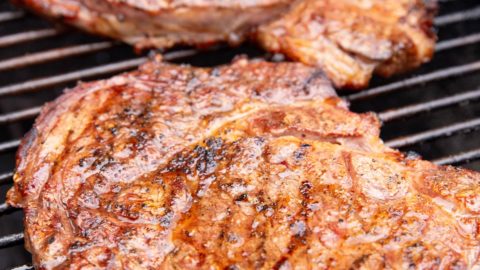
Searing locks in the steak's juices and adds a rich flavor. Preheat the grill to high heat before placing the steak. Place the rib-eye directly on the hot grill grates. Let it cook without moving for 2-3 minutes. This forms a brown, crispy crust. Flip the steak to sear the other side in the same way.
Using Direct And Indirect Heat
Direct heat cooks the steak fast and creates a crust. Indirect heat cooks the steak slowly and evenly inside. Start by searing the steak over direct heat. Then move it to the cooler side of the grill. Close the lid to cook the steak with indirect heat. This method prevents burning while keeping the inside juicy.
Flipping And Timing
Flip the steak only once or twice for even cooking. Avoid flipping too often to keep the crust intact. Use a timer to check cooking times. For medium-rare, grill for about 4-5 minutes per side. Adjust time based on steak thickness and grill temperature. Let the steak rest for a few minutes before serving to keep juices inside.
Checking For Doneness
Touch the steak to feel its firmness or use a meat thermometer to check the internal temperature. Aim for 130°F for medium-rare or 160°F for well-done. Let the rib-eye rest a few minutes before slicing to keep it juicy.
Cooking a rib-eye steak on a gas grill can be both an art and a science. One of the key aspects to master is checking for doneness. Achieving the perfect doneness can elevate your steak from good to unforgettable. It’s essential to know when to pull your steak off the grill, ensuring it’s juicy, flavorful, and cooked just how you like it. Let’s dive into some practical methods to check for doneness.
Using A Meat Thermometer
A meat thermometer is your best friend when grilling a rib-eye. Insert the thermometer into the thickest part of the steak without touching the bone for an accurate reading. - Rare: 120°F - 125°F - Medium Rare: 130°F - 135°F - Medium: 140°F - 145°F - Medium Well: 150°F - 155°F - Well Done: 160°F and above Always aim for a slightly lower temperature than your target. The steak will continue cooking while it rests.
Touch Test Method
If you don’t have a thermometer, the touch test method can be a useful alternative. It involves comparing the feel of the steak to the firmness of different parts of your hand. - Rare: Compare to the fleshy area of your hand beneath your thumb when your hand is relaxed. - Medium Rare: Feel your hand when you touch your thumb to your index finger. - Medium: Touch your thumb to your middle finger and feel the firmness. - Well Done: Touch your thumb to your pinky; the meat should feel firm. This method requires practice, but it’s a handy trick when you’re without tools.
Resting The Steak
Resting your steak is as crucial as cooking it. Once off the grill, let it rest for about 5 to 10 minutes. This allows the juices to redistribute throughout the meat, making it tender and juicy. You might be tempted to dive right in, but patience pays off. Cutting into the steak too soon can result in losing those flavorful juices. Consider using this time to prepare a simple side dish or set the table, enhancing your dining experience. Have you ever rushed the resting process and regretted it? Taking the time to let your steak rest truly makes a difference.
Serving Suggestions
Serving a rib-eye steak fresh off the grill is a rewarding experience. The way you slice, pair, and top the steak can enhance its natural flavors. Thoughtful serving suggestions make your meal more enjoyable. This section covers simple tips to present your rib-eye perfectly.
Slicing Tips
Always slice rib-eye against the grain. This makes the meat tender and easier to chew. Use a sharp knife for clean cuts. Cut steak into strips about half an inch thick. Serve immediately after slicing to keep juices sealed inside.
Complementary Sides
- Grilled vegetables like asparagus or bell peppers add color and flavor.
- Mashed potatoes or baked sweet potatoes provide a creamy texture.
- A fresh green salad adds a crisp, light contrast.
- Garlic bread or dinner rolls help soak up steak juices.
Sauces And Toppings
A simple herb butter melts beautifully over hot steak. Try garlic butter or parsley butter for extra taste.
Steak sauce or chimichurri adds a zesty kick. Keep sauces on the side to let the meat shine.
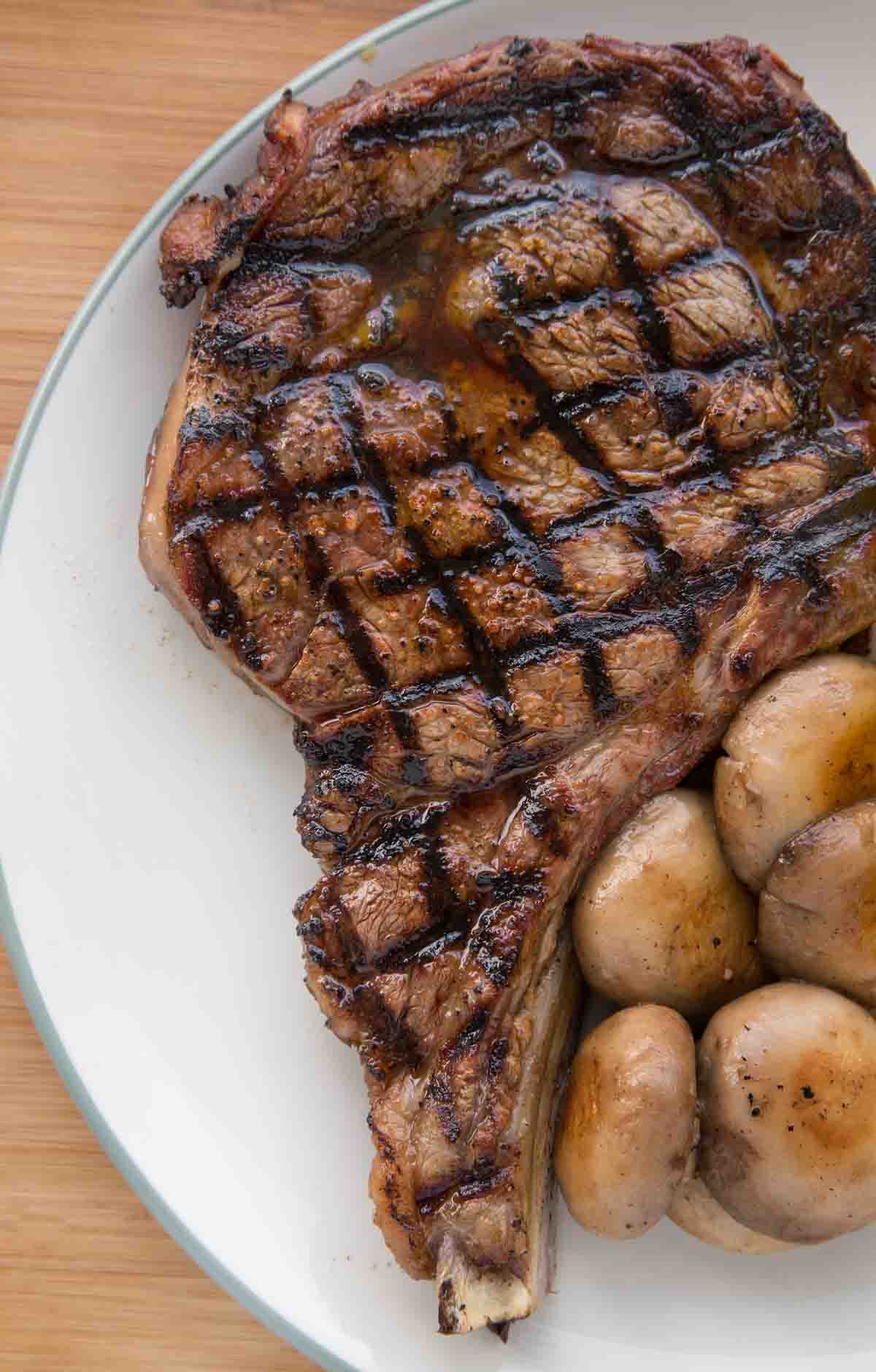
Sautéed mushrooms or caramelized onions bring deep, rich flavors. Add a sprinkle of coarse sea salt or cracked black pepper to finish.
Common Mistakes To Avoid
Grilling a rib-eye steak on a gas grill can be simple, but many make mistakes that spoil the flavor and texture. Avoiding common errors helps you enjoy a juicy, tasty steak every time. Here are key mistakes to watch out for during grilling.
Overcooking
Cooking rib-eye for too long dries out the meat. It loses its natural juices and becomes tough. Use a meat thermometer to check the temperature. Aim for medium-rare to medium, around 130°F to 140°F. Remove the steak just before it reaches the desired temperature. The heat will continue to cook the meat slightly after removing from the grill.
Underseasoning
Steak needs enough salt and pepper for great taste. Season both sides generously before grilling. Light seasoning leads to bland meat. Use coarse salt and freshly ground black pepper. This brings out the natural flavors of the rib-eye. Avoid adding sauces too early, which can burn on the grill.
Skipping Rest Time
Resting the steak after grilling is crucial. It lets the juices spread inside the meat. Cutting too soon causes the juices to spill out. Cover the steak loosely with foil and let it rest for 5-10 minutes. This step makes the rib-eye more tender and flavorful.
Credit: www.theroastedroot.net
Credit: www.askchefdennis.com
Frequently Asked Questions
How Long To Grill A Rib-eye Steak On Gas Grill?
Grill rib-eye for 4-5 minutes per side for medium-rare. Adjust time for thickness and desired doneness. Use a meat thermometer for accuracy.
What Temperature Should Gas Grill Be For Rib-eye?
Preheat gas grill to high heat, around 450-500°F. This temperature sears the steak, locking in juices and flavor effectively.
Should Rib-eye Be Marinated Before Grilling?
Marinating rib-eye is optional but can enhance flavor. Use a simple marinade or just season with salt and pepper for natural taste.
How To Prevent Rib-eye From Sticking To Gas Grill?
Oil the grill grates and the steak lightly. Preheat grill properly to high heat before placing the steak on it.
Conclusion
Grilling a rib-eye on a gas grill is simple and rewarding. Follow the steps carefully for the best taste. Use high heat for a good sear and cook to your preferred doneness. Let the steak rest before slicing to keep it juicy.
Enjoy your delicious, tender rib-eye with your favorite sides. Practice makes perfect—each grill session will improve your skills. Now, fire up your gas grill and enjoy a great meal!