If you want to impress your guests with a juicy, tender prime rib roast, cooking it on your gas grill is a game-changer. You might think grilling a large cut like prime rib is tricky, but with the right steps, you can achieve mouthwatering results every time.
This guide will show you exactly how to prepare, cook, and serve a prime rib roast on your gas grill so that your meal stands out. Keep reading, and you’ll discover simple tips that make this impressive dish easy and delicious.
Your next unforgettable dinner starts here.

Credit: www.reluctantgourmet.com
Choosing The Right Prime Rib
Choosing the right prime rib sets the stage for a delicious roast on your gas grill. A good prime rib means tender meat and rich flavor. It is important to pick the best cut for your needs. This will affect the cooking time and the final taste.
Selecting Grade And Size
Prime rib comes in different grades. The most common are Prime, Choice, and Select. Prime grade has more fat, which means juicier and more flavorful meat. Choice grade is still good but less marbled. Select grade is leaner and less tender.
Size matters for cooking on a gas grill. A 4 to 6-pound roast serves about 6 to 8 people. Larger roasts take longer to cook evenly. Consider your grill size and how many guests you have.
- Choose Prime grade for the best flavor and tenderness.
- Pick a roast size that fits your grill and group size.
- Look for even marbling throughout the meat.
Trimming And Preparing The Roast
Before cooking, trim the roast to remove excess fat. Leave a thin layer of fat for flavor and moisture. Too much fat can cause flare-ups on the grill.
Pat the roast dry with paper towels. This helps to get a good sear on the grill.
- Remove large fat caps but keep a thin fat layer.
- Trim off silver skin and tough connective tissue.
- Dry the meat to ensure a crisp crust.

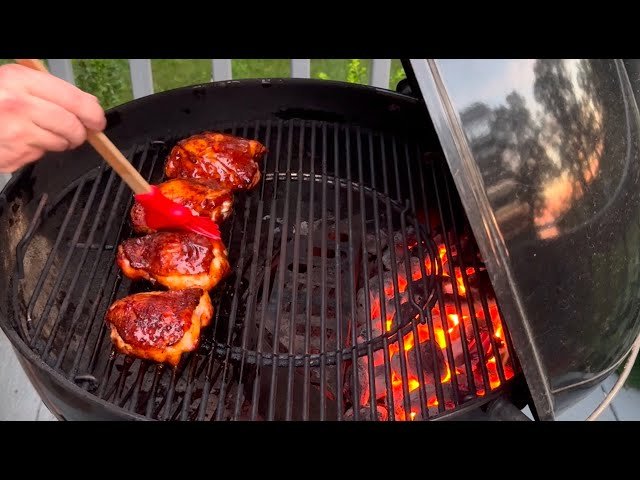
Credit: www.youtube.com
Preparing Your Gas Grill
Getting your gas grill ready is crucial for cooking a perfect prime rib roast. You want to avoid flare-ups and uneven cooking. Proper preparation sets the stage for a juicy, flavorful roast with a beautiful crust.
Setting Up For Indirect Heat
Indirect heat means the flames won't touch your meat directly. This helps the prime rib cook slowly and evenly, avoiding burning the outside while keeping the inside tender.
To create indirect heat, turn on only one or two burners on your grill, leaving the others off. Place your roast on the side without flames, usually the unlit side of the grill. This setup mimics oven roasting but adds a smoky touch you can’t get indoors.
Have you checked your grill’s manual? Some models have specific recommendations for indirect cooking. Following those can save you from guesswork and uneven heat zones.
Controlling Temperature Zones
Managing temperature zones on your grill means creating areas with different heat levels. This control lets you sear your prime rib over high heat, then move it to a cooler spot for slow roasting.
Here’s how you can set it up:
- Turn on one burner at high heat for searing.
- Keep adjacent burners off or low to create a cooler zone.
- Use a grill thermometer to monitor temperature in each zone carefully.
Remember, gas grills can have hot spots, so test your zones before placing the meat. Try holding your hand above the grill surface; if you can hold it for 2 seconds, that area is hot enough for searing. If you can hold it for 5 seconds, it’s ideal for slow cooking.
Seasoning The Prime Rib
Seasoning your prime rib roast properly sets the foundation for a flavorful and memorable meal. The right blend of spices enhances the meat’s natural richness without overpowering it. It’s about balancing simplicity and depth to let the prime rib shine on your gas grill.
Classic Rub Recipes
A simple rub can turn your prime rib into a taste sensation. Start with basic ingredients you likely have at home:
- Salt:Essential for bringing out the meat’s flavor and creating a crust.
- Black pepper:Adds a mild heat and aroma that complements the beef.
- Garlic powder:Offers a subtle savory kick without overwhelming.
- Rosemary or thyme:Fresh or dried, these herbs add an earthy note that pairs perfectly with prime rib.
Mix these ingredients in equal parts or adjust based on your taste. Rub the mixture generously over the entire surface of the roast, pressing it in so it sticks well. Have you ever noticed how a well-seasoned crust can transform the texture and flavor?
Marinating Tips
Marinating is less common for prime rib but can add interesting layers of flavor. Use a marinade with acidic components like red wine or balsamic vinegar to tenderize the meat gently.
Combine your marinade with herbs and spices from your rub recipe to keep a consistent flavor profile. Let the roast sit in the marinade for 4 to 6 hours in the fridge, but avoid overnight soaking to prevent overpowering the natural beef taste.
Pat your roast dry before grilling to ensure a perfect sear. Do you think adding a marinade could be your secret step to a juicier prime rib?
Grilling Techniques
Cooking a prime rib roast on a gas grill requires controlling heat for even cooking. Use indirect heat and monitor the temperature closely to get a juicy, tender roast. Rest the meat before slicing to keep it flavorful.
Cooking a prime rib roast on a gas grill requires skill. Grilling techniques enhance the flavor and texture. You'll create a tender, juicy roast with a crispy exterior. These techniques ensure the meat cooks evenly. Mastering them leads to a delicious prime rib experience.
Searing For Crust
Start by preheating the grill on high. Searing locks in flavor and moisture. Place the rib roast on the grill. Let it sear for 3-4 minutes on each side. A rich, brown crust should form. This step adds depth to the taste.
Slow Roasting For Juiciness
After searing, adjust the grill to low heat. Slow roasting ensures the meat remains juicy. Place the roast on indirect heat. Cook for about 15 minutes per pound. Use a drip pan to catch fat. This method keeps the meat tender.
Using A Meat Thermometer
A meat thermometer is essential for perfect results. Insert it into the thickest part. Avoid touching bone for accurate readings. Aim for 130°F for medium-rare. Remove the roast once it reaches the desired temperature. Let it rest before slicing.
Resting And Carving
Resting and carving a prime rib roast after grilling are key steps for a juicy, tender meal. Resting lets the meat’s juices settle. This helps keep every bite moist and flavorful. Carving with care shows off the roast’s perfect texture. It also makes serving easier and more enjoyable. Follow these simple tips for the best results.
Optimal Resting Time
Rest the prime rib roast for at least 20 minutes. Cover it loosely with foil to keep warm. This wait lets the juices spread evenly inside the meat. Cutting too soon causes the juices to run out. The roast becomes dry and less tasty. A good rest improves the roast’s texture and flavor.
Carving Tips For Tender Slices
Use a sharp carving knife for clean cuts. Slice against the grain for more tender pieces. Cut about 1/2 inch thick slices for best texture. Keep the knife steady and use smooth motions. Avoid pressing down hard to keep juices inside. Serve slices immediately to enjoy the roast’s full flavor.
Serving Suggestions
Serving your prime rib roast fresh off the gas grill is a rewarding moment. Choosing the right accompaniments can elevate your meal from great to unforgettable. Think about how each side or sauce balances the rich, juicy flavors of the prime rib.
Complementary Side Dishes
Roasted vegetables like carrots, Brussels sprouts, or asparagus bring a natural sweetness that cuts through the meat's richness. A creamy mashed potato or a simple baked potato with sour cream and chives offers a comforting texture contrast.
Consider a fresh green salad with a tangy vinaigrette to add brightness to your plate. If you want to impress guests, a classic Yorkshire pudding or garlic butter mushrooms can add a touch of elegance.
- Roasted root vegetables
- Creamy mashed potatoes
- Green salad with vinaigrette
- Yorkshire pudding
- Garlic butter mushrooms
Sauces And Condiments
Sauces can make or break your prime rib experience. Horseradish sauce is a traditional favorite, offering a sharp, peppery kick that pairs perfectly with the beef.
Au jus, a light beef broth sauce, keeps the meat moist and enhances its natural flavors. Don’t overlook chimichurri or a red wine reduction if you want to add a fresh or sophisticated twist to your serving.
- Horseradish sauce
- Au jus
- Chimichurri
- Red wine reduction
What flavors do you usually enjoy with your grilled meats? Trying different sides and sauces can change your whole dining experience and might just become your new favorite combo.
Troubleshooting Common Issues
Cooking prime rib on a gas grill can be a rewarding experience, but it comes with its challenges. Troubleshooting common problems is key to achieving that perfect roast with a juicy interior and flavorful crust. Let’s dive into how you can handle the most frequent issues and keep your prime rib looking and tasting fantastic.
Avoiding Dryness
Dry prime rib is often the result of overcooking or insufficient resting. Keep a reliable meat thermometer handy and pull your roast off the grill when it’s about 5 degrees below your target temperature. The residual heat will finish the cooking without drying it out.
Rest your roast for at least 20 minutes under loose foil. This step lets the juices redistribute evenly, making each bite tender and juicy. Have you ever cut into a roast right away and found it tough? That’s why patience pays off.
Also, consider a marinade or a rub with oil to help lock in moisture. A simple mix of garlic, herbs, and olive oil applied before grilling can create a barrier that keeps your meat moist and flavorful.
Fixing Uneven Cooking
Gas grills often have hot spots that can cause uneven cooking, especially with larger cuts like prime rib. To combat this, set up your grill for indirect heat by turning on burners on one side and placing the roast on the opposite side.
Rotate the roast every 20-30 minutes to expose all sides to the heat evenly. This simple step can prevent one side from getting overdone while the other remains undercooked.
If your grill doesn’t have multiple burners, use a drip pan filled with water under the roast to moderate the heat and create a more consistent cooking environment. Have you noticed that your roast cooks faster on one side? This trick balances out the heat distribution effectively.
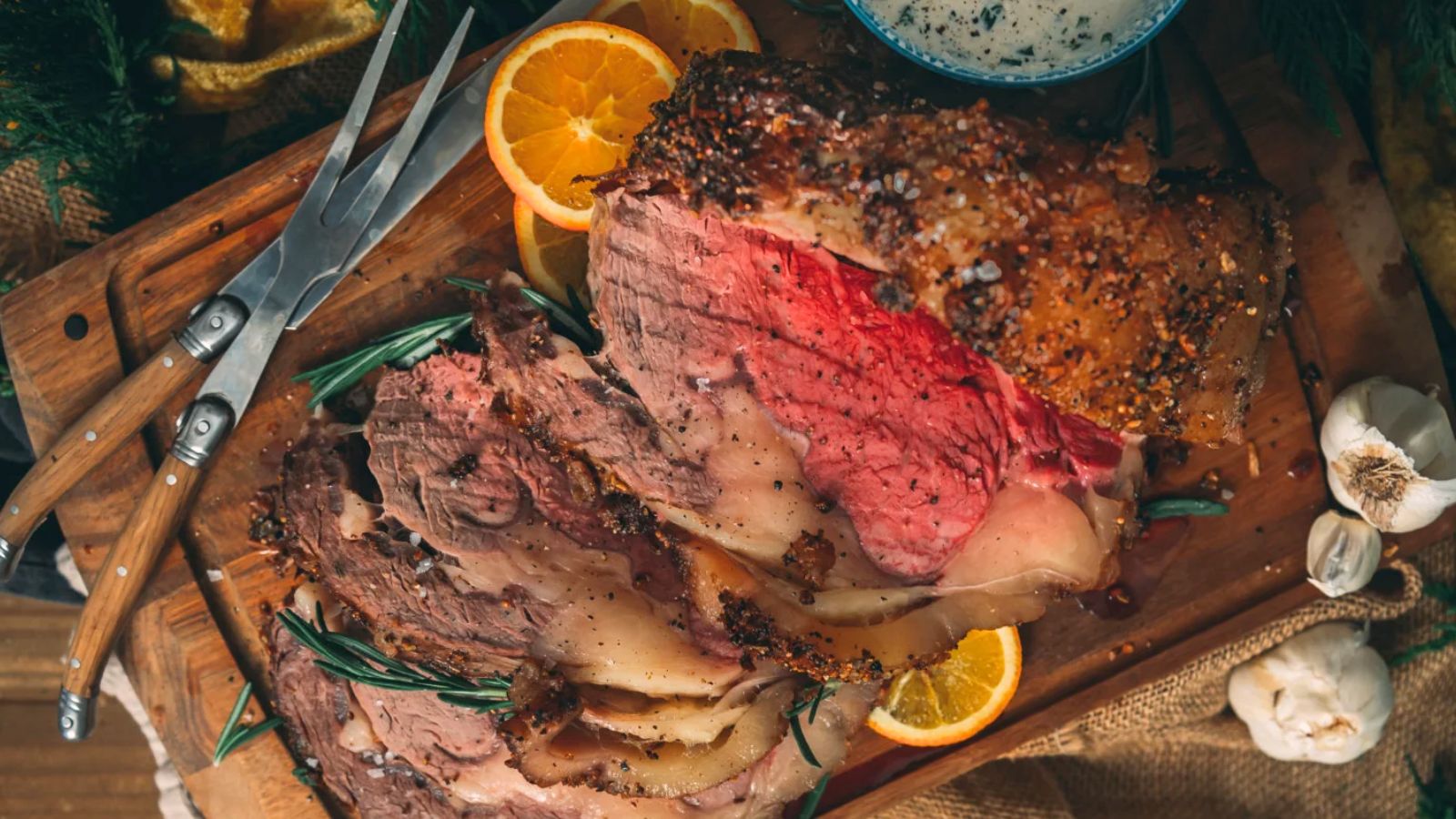
Credit: girlcarnivore.com
Frequently Asked Questions
How Long Should I Grill Prime Rib On A Gas Grill?
Grill prime rib for about 15 minutes per pound at medium heat. Use indirect heat and monitor the internal temperature for best results.
What Temperature Should A Prime Rib Reach On Grill?
Cook prime rib until it reaches 130°F for medium-rare. Use a meat thermometer to ensure perfect doneness and avoid overcooking.
Should I Sear Prime Rib Before Grilling?
Yes, sear prime rib on high heat for 5 minutes each side. This locks in juices and adds a flavorful crust before indirect cooking.
How Do I Maintain Even Heat On A Gas Grill?
Turn off burners directly under the roast and use side burners. This indirect method ensures even cooking without burning the meat.
Conclusion
Cooking a prime rib roast on a gas grill brings great flavor and fun. Start with good seasoning and a clean grill. Keep the temperature steady and watch the roast closely. Let the meat rest before slicing to keep it juicy.
Serve with your favorite sides and enjoy a special meal. With practice, grilling prime rib becomes easier and more rewarding. Try it soon and taste the difference yourself!