Are you ready to impress your family and friends with a mouthwatering prime rib roast? Cooking a prime rib in a convection oven is easier than you might think, and the results are absolutely delicious.
Imagine slicing into a tender, juicy roast with a perfectly crispy crust that melts in your mouth. In this guide, you’ll discover simple steps to master the art of cooking prime rib in your convection oven. Whether it’s for a special occasion or a cozy dinner, you’ll learn how to get the best flavor and texture every time.
Keep reading, and get ready to become the chef everyone talks about!

Credit: ripeandluscious.com
Choosing The Prime Rib
Choosing the prime rib is the foundation of a memorable roast. The right cut sets the stage for flavor, tenderness, and juiciness. Your selection impacts cooking time and the overall dining experience.
Selecting The Right Cut
Look for a standing rib roast, which includes ribs six through twelve. This cut has excellent marbling, which means more flavor and tenderness. Avoid cuts that look dry or have uneven fat distribution.
Ask your butcher if the roast is "bone-in" or "boneless." Bone-in often cooks more evenly and adds flavor, but boneless roasts are easier to carve. Choose based on your comfort level with carving and presentation.
Size And Weight Tips
Estimate about 1 pound per person if you want generous servings. If you prefer leftovers or have big eaters, plan for 1.5 pounds each. Too large a roast can overwhelm your convection oven and affect cooking time.
Keep in mind the oven’s capacity before picking your roast size. A roast too close to the oven walls won't cook evenly. Measure your oven space and pick a roast size that fits comfortably.
Quality Grades To Look For
Prime rib comes in different USDA grades: Prime, Choice, and Select. Prime grade has the highest marbling and offers the richest flavor. If you want an impressive roast, aim for Prime or high Choice grades.
Don’t overlook the color—fresh prime rib should be bright red, not brown or dull. The fat should be creamy white and firm. These small details can make a big difference in taste and texture.
Preparing The Roast
Preparing the prime rib roast is a key step to ensure a juicy and flavorful meal. Proper preparation enhances taste and texture. Taking time here leads to better cooking results and a tender roast.
Trimming And Seasoning
Start by trimming excess fat from the roast. Leave a thin layer for flavor and moisture. Remove any silver skin or tough parts.
Season the roast generously with salt and pepper. Use garlic powder, rosemary, or thyme for extra aroma. Rub the spices evenly over all sides.
Brining For Extra Moisture
Brining helps the roast stay moist and tender. Prepare a simple brine with water, salt, and sugar. Add herbs or garlic for flavor.
Submerge the roast in the brine for 12 to 24 hours. Keep it refrigerated during this time. Pat dry before cooking to get a good crust.
Resting Before Cooking
Let the roast rest at room temperature before cooking. This step ensures even cooking throughout. Remove the roast from the fridge about one hour before roasting.
Resting allows the meat to relax and reduces the chance of uneven temperature inside.
Setting Up The Convection Oven
Setting up your convection oven correctly is essential to cook a prime rib roast that’s juicy on the inside and perfectly browned on the outside. The right temperature, rack placement, and accurate internal temperature reading all play a big role in achieving that ideal roast. Let’s look closely at how to prepare your oven for the best results.
Temperature Settings
Convection ovens cook faster than conventional ones because the fan circulates hot air evenly. You should lower the cooking temperature by about 25°F compared to a regular oven. For prime rib, set your convection oven around 325°F to 350°F.
Choosing the right temperature depends on the size of your roast and how you like it cooked. If you want a rare center, aim for the lower end of the range. Don’t rush the process; a steady, moderate temperature helps retain moisture and tenderness.
Rack Positioning
Positioning the roast on the correct rack makes a noticeable difference. Place the prime rib on the middle rack to allow hot air to circulate evenly around the meat. Avoid placing it too close to the heating elements to prevent uneven cooking or burning.
Use a roasting pan with a rack inside to lift the meat off the bottom. This helps air flow under the roast, which is key in convection cooking. Have you noticed how some roasts cook unevenly? Proper rack placement solves that problem.
Using A Meat Thermometer
A meat thermometer is your best friend when cooking prime rib. Insert it into the thickest part of the roast, avoiding bone or fat, for the most accurate reading. This helps you track the internal temperature without opening the oven door repeatedly.
Set your target temperature based on your preferred doneness—120°F for rare, 130°F for medium-rare, and so on. Pull the roast out a few degrees before it reaches your target, as it will continue to cook while resting. Have you ever overcooked a roast because you didn’t monitor the temperature closely? This simple tool prevents that.
Cooking The Prime Rib
Cooking prime rib in a convection oven ensures even heat and a crispy crust. Roast at a lower temperature for tender, juicy results. Let the meat rest before slicing to keep flavors locked in.
Cooking the Prime Rib Cooking a prime rib roast in a convection oven is a rewarding culinary endeavor that can elevate your holiday feast or weekend dinner to new heights. The convection oven's circulating air ensures a more even cook, giving you a juicy interior with a perfectly crisp crust. But how do you achieve this delightful balance?
Initial High-heat Sear
Start by preheating your convection oven to 450°F (232°C). This high temperature is crucial for searing the outside of the prime rib. Searing creates a crust that locks in juices and enhances the beef's natural flavors. Place your seasoned roast in the oven and let it cook at this temperature for about 15 minutes. The sizzle and aroma will be your first indicators that you’re on the right track.
Lowering Temperature For Even Cooking
After the initial sear, it's time to adjust the oven to a lower temperature. Reduce the heat to 325°F (163°C) to allow the meat to cook evenly without burning the crust. This slower cooking phase ensures that the inside of the prime rib reaches the desired level of doneness. Remember, patience is key here, as rushing can lead to an overcooked exterior and an undercooked interior.
Timing Based On Weight
Timing is crucial and directly linked to the weight of your roast. A general rule of thumb is to allow about 15 minutes of cooking per pound at the reduced temperature. For instance, a 5-pound roast would need about 75 minutes of cooking time after the initial sear. Using a meat thermometer can provide additional accuracy, ensuring that the internal temperature reaches about 130°F (54°C) for medium-rare. What if you prefer your roast more well done? Simply adjust the time slightly, but keep a watchful eye to prevent overcooking. By carefully managing these steps, you'll be well on your way to serving a perfectly cooked prime rib roast. What's your favorite technique for ensuring juicy, flavorful results?
Achieving Perfect Juiciness
Achieving perfect juiciness in a prime rib roast requires careful attention during cooking. The convection oven helps cook evenly but needs precise control of heat and time. Juiciness depends mostly on internal temperature, avoiding overcooking, and resting properly after roasting. Follow these tips to keep your roast tender and moist.
Monitoring Internal Temperature
Use a reliable meat thermometer to check the roast’s internal temperature. Insert it into the thickest part, avoiding bone. For medium-rare, aim for 130°F to 135°F (54°C to 57°C). Temperatures rise slightly during resting, so remove the roast a few degrees early. Accurate temperature checks prevent dry meat and ensure juicy results.
Avoiding Overcooking
Convection ovens cook faster than regular ovens. Keep an eye on the roast as it cooks to avoid overcooking. Overcooked prime rib loses moisture and becomes tough. Lower the oven temperature slightly if the roast browns too quickly. Cooking slowly at moderate heat helps keep the meat tender.
Resting After Roasting
Rest the prime rib after removing it from the oven. Cover it loosely with foil to keep warm. Resting lets juices redistribute throughout the meat, making it moist and flavorful. Allow at least 15 to 20 minutes of resting time before slicing. Cutting too soon causes juices to escape, drying the roast.

Credit: thewoksoflife.com
Serving Suggestions
Serving a prime rib roast is as important as cooking it well. The right presentation and accompaniments make the meal memorable. This section covers carving tips, side dishes, and sauces that pair perfectly with your roast.
Carving Techniques
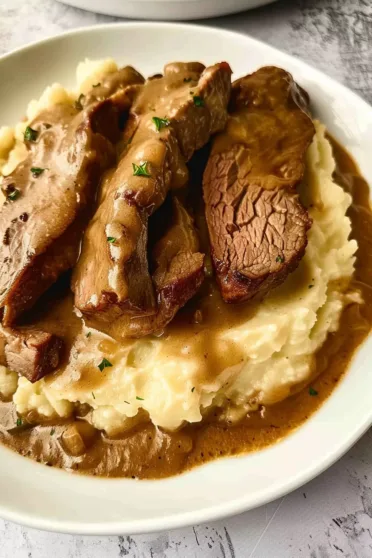
Let the roast rest for 15-20 minutes before carving. This keeps the juices inside the meat. Use a sharp carving knife for clean slices. Cut against the grain for tender pieces. Slice thickness depends on preference, but about half an inch works well.
Complementary Side Dishes
- Roasted vegetables like carrots, potatoes, and Brussels sprouts
- Garlic mashed potatoes for a creamy texture
- Green beans almondine for a fresh crunch
- Yorkshire pudding to soak up the juices
- Simple garden salad with vinaigrette for balance
Sauces And Condiments
- Horseradish cream adds a spicy kick
- Au jus made from roast drippings enhances flavor
- Mustard sauces bring tang and depth
- Red wine reduction offers a rich complement
- Chimichurri provides a fresh herb note
Troubleshooting Common Issues
Cooking a prime rib roast in a convection oven can sometimes bring unexpected challenges. Whether your roast ends up dry, unevenly cooked, or you notice your oven behaves differently, these issues can be frustrating. Let’s look at practical ways to troubleshoot and get that perfect prime rib every time.
Dry Roast Solutions
If your prime rib turns out dry, the first thing to check is your cooking time and temperature. Convection ovens cook faster, so reducing the temperature by 25°F and checking the roast earlier can help retain juiciness.
Another tip is to let the roast rest after cooking, tented loosely with foil for about 15-20 minutes. This allows the juices to redistribute, making each slice tender and moist.
Have you tried seasoning with a salt rub at least an hour before roasting? Salt draws moisture to the surface but then reabsorbs it, enhancing flavor and moisture retention.
Uneven Cooking Fixes
Uneven cooking often happens if the roast is too close to the oven walls or if your convection oven’s fan doesn’t circulate air properly. Try placing the roast in the center rack with enough space around it for air to flow freely.
Rotating the roast halfway through cooking can also even out the heat exposure. It’s a simple step that can make a big difference in the final texture.
If you notice certain parts are overdone while others are undercooked, consider using a meat thermometer with multiple probes. Monitoring different areas ensures every part reaches the ideal temperature.
Adjusting For Different Ovens
Not all convection ovens behave the same. Some have stronger fans or different heating elements, which affects cooking times and temperatures. Knowing your oven’s quirks is key.
Test your oven’s actual temperature with an oven thermometer. You might find it runs hotter or cooler than the setting, which explains why your roast doesn’t cook as expected.
Also, consider the size and shape of your roast. A thicker roast may need lower heat for longer, while a smaller one cooks quickly. Adjust based on what you observe rather than relying solely on recipes.

Credit: food52.com
Frequently Asked Questions
How Long To Cook Prime Rib In A Convection Oven?
Cook prime rib in a convection oven for about 12-15 minutes per pound. Adjust time based on desired doneness and oven specifics. Use a meat thermometer to ensure accuracy and prevent overcooking.
What Temperature Is Best For Prime Rib In Convection Oven?
Set your convection oven to 325°F for even cooking. This temperature allows the roast to cook slowly and retain juices. Avoid high heat to prevent drying out the meat.
Should I Cover Prime Rib While Roasting?
No, do not cover prime rib while roasting in a convection oven. Leaving it uncovered helps develop a crispy, flavorful crust. Covering traps moisture, resulting in less browning.
How To Check Prime Rib Doneness In Convection Oven?
Use a meat thermometer to check doneness. Insert it into the roast’s thickest part, avoiding bone. Aim for 120°F for rare, 130°F for medium-rare, and 140°F for medium.
Conclusion
Cooking a prime rib roast in a convection oven is simple and rewarding. The even heat helps cook the meat perfectly. Remember to season well and use a meat thermometer. Let the roast rest before slicing for best juices. This method saves time and gives great flavor.
Enjoy a tender, juicy prime rib with ease. Practice a few times to gain confidence. Your next special meal will impress everyone at the table.