Are you ready to impress your guests with a mouthwatering prime rib cooked right on your gas grill? Cooking prime rib on a gas grill might sound tricky, but with the right steps, you can achieve a juicy, tender roast that rivals any steakhouse.
Imagine slicing into a perfectly browned crust with a pink, flavorful center that melts in your mouth. In this guide, you’ll discover simple tips and tricks to master the art of grilling prime rib, making your next barbecue unforgettable. Keep reading, and you’ll learn exactly how to turn your gas grill into the secret weapon for a delicious prime rib feast.

Credit: www.youtube.com
Choosing The Right Prime Rib
Choosing the right prime rib is the foundation of a successful cook on your gas grill. The quality and size of the meat directly affect the flavor, tenderness, and overall grilling experience. Taking time to pick the perfect cut ensures your efforts turn into a memorable meal.
Selecting Quality Meat
Look for prime rib with bright red color and fine marbling throughout the meat. Marbling—the thin streaks of fat within the muscle—adds juiciness and flavor as it melts during cooking. Avoid cuts that appear dull or have large sections of fat on the outside, as they can lead to uneven cooking.
Ask your butcher about the grade of the meat. USDA Prime offers the highest marbling, but USDA Choice can also deliver great results if you select wisely. Don’t hesitate to smell the meat; fresh prime rib should have a clean, mild scent.
Size And Weight Considerations
Think about how many people you’re feeding to choose the right size. A good rule of thumb is to allow about 1 pound per person if you want leftovers, or ¾ pound per person for a more modest serving.
Whole prime ribs can weigh between 6 to 12 pounds. If you’re grilling for a small group, consider a smaller roast or ask the butcher to cut a portion for you. Remember, larger cuts require longer cooking times and more attention to grill temperature.
Have you planned enough time for resting the meat after grilling? Larger roasts benefit from resting to redistribute juices, making size a factor in your cooking schedule too.

Credit: www.todaysdelight.com
Preparing The Prime Rib
Preparing the prime rib properly ensures a juicy and flavorful roast. The right preparation sets the stage for perfect grilling. Careful trimming and seasoning bring out the best taste and texture. Marinating can add extra depth and tenderness to the meat.
Trimming And Seasoning
Start by trimming excess fat from the prime rib. Leave a thin layer to keep the meat moist. Remove silver skin or tough membranes for better texture. Use a sharp knife and work carefully.
Season the prime rib generously with salt and pepper. Rub seasoning evenly over all sides. Add garlic powder or rosemary for extra flavor. Let the meat rest at room temperature before grilling.
Marinating Tips
Marinating adds flavor and helps tenderize the meat. Use a simple marinade with olive oil, garlic, herbs, and a bit of acid like lemon juice or vinegar. Avoid strong acids that can overpower the meat.
Place the prime rib in a resealable bag or covered dish. Marinate in the refrigerator for 4 to 24 hours. Remove the meat from the fridge and let it sit at room temperature before cooking.
Setting Up The Gas Grill
Setting up the gas grill correctly is key to cooking a prime rib that is tender and juicy. The grill needs to have different heat zones to cook the meat evenly. Preparing these zones helps control the cooking temperature and prevents burning the outside while the inside remains undercooked.
Creating Heat Zones
Turn on one side of the grill to medium-high heat and leave the other side off. This creates two heat zones:
- Direct heat zone:The side with the burners on. Use this for searing the prime rib.
- Indirect heat zone:The side with the burners off. Use this for slow cooking the meat.
This setup allows you to sear the meat over high heat, then move it to the cooler side to cook slowly without burning.
Preheating The Grill
Preheat the grill for 10 to 15 minutes before cooking. Keep the lid closed during preheating to trap heat inside. The grill should reach about 450°F (232°C) on the direct heat side.
Preheating ensures the grill is hot enough to sear the prime rib properly. It also helps maintain steady temperatures during cooking.
Grilling Techniques
Grilling prime rib on a gas grill requires some specific techniques. These methods ensure the meat cooks evenly and stays juicy. Understanding heat control and timing is key. The right grilling approach brings out the best flavors and texture in prime rib.
Searing The Prime Rib
Searing locks in the meat's juices and creates a tasty crust. Preheat the grill to high heat before placing the prime rib. Sear each side for 3-4 minutes. Use tongs to turn the meat gently. Avoid piercing the meat to keep juices inside.
Using Indirect Heat
Indirect heat cooks the prime rib slowly and evenly. Turn off burners directly under the meat. Keep the burners on the sides on medium heat. Place the prime rib in the center of the grill. Close the lid to maintain heat and smoke. This method prevents burning and helps tenderize the meat.
Managing Grill Temperature
Keep the grill temperature steady between 225°F and 300°F. Use a grill thermometer for accurate readings. Adjust burner knobs to control heat as needed. Avoid opening the lid often to keep temperature stable. A consistent temperature ensures the prime rib cooks perfectly through.
Monitoring Doneness
Check the prime rib’s internal temperature with a meat thermometer for perfect doneness. Remove from the grill once it reaches your preferred temperature. Let it rest to keep juices inside before slicing.
Monitoring the doneness of a prime rib on a gas grill is an essential skill that can transform your grilling experience. Achieving the perfect level of doneness requires more than just guesswork. It’s about keeping a keen eye on temperatures and knowing precisely when to take action.
Using A Meat Thermometer
A meat thermometer is your best ally in the grilling process. It gives you a clear indication of when your prime rib is ready. Insert the thermometer into the thickest part of the meat without touching the bone. Digital thermometers provide quick and accurate readings, ensuring you’re not leaving anything to chance. Remember, every grill and cut of meat can vary slightly, so regular checks are crucial. Don’t just rely on timing alone; trust your thermometer for the best results.
Target Internal Temperatures
Knowing the target internal temperatures is vital for perfect doneness. For a rare prime rib, aim for an internal temperature of 120°F. Medium rare, the most popular choice, should be around 130°F. If you prefer medium, target 140°F. For those who like it well-done, 160°F is your goal. Always remember, the meat will continue to cook even after you remove it from the grill, so aim slightly below your desired doneness. What’s your favorite level of doneness? Share your thoughts and tips in the comments!
Resting And Serving
Resting and serving prime rib after grilling are key steps. They help keep the meat juicy and tender. Proper resting lets the juices settle, making each bite flavorful and moist. Serving the prime rib correctly showcases your grilling skills and enhances the dining experience.
Resting Time Importance
Rest the prime rib for at least 20 minutes. Cover it loosely with foil to keep it warm. Resting allows the juices to redistribute inside the meat. Cutting too soon will cause the juices to spill out. This makes the meat dry and less tasty. A rested prime rib stays juicy and tender throughout.
Carving Tips
Use a sharp carving knife for clean slices. Cut against the grain to make the meat easier to chew. Slice the rib into even pieces for a neat presentation. Start by removing the bones if you prefer boneless cuts. Serve slices on a warm platter to keep them hot. Offer horseradish or au jus sauce on the side for extra flavor.
Troubleshooting Common Issues
Common problems include uneven cooking and flare-ups. Adjust grill heat and use indirect cooking to fix these issues quickly. Keep a close eye on temperature for the best results.
Cooking a prime rib on a gas grill can be a rewarding experience, yet sometimes things don't go as planned. You might face issues like dry meat or unexpected flare-ups, which can turn your grilling adventure into a bit of a challenge. Understanding how to troubleshoot these common problems will ensure that your prime rib turns out juicy and delicious every time.
Avoiding Dry Meat
Dry meat is a common concern when grilling prime rib. To keep your meat moist, consider using a meat thermometer. This ensures you cook it just right—aim for an internal temperature of about 130°F for medium-rare. Another tip is to let your prime rib rest after grilling. Resting allows the juices to redistribute, keeping the meat tender and flavorful. A good rule of thumb is to let it rest for at least 15 minutes before carving. Basting can also help retain moisture. Use a mixture of butter and herbs to brush over the meat during grilling. This not only adds flavor but also helps in keeping the meat from drying out.
Handling Flare-ups
Flare-ups can be intimidating, but they're manageable with the right approach. Keep a close eye on your grill and have a spray bottle filled with water handy. A quick spray can help control small flare-ups without affecting the grill temperature drastically. Consider indirect grilling as a strategy. By placing the prime rib away from direct heat, you reduce the chances of fat drippings causing flare-ups. This method cooks the meat evenly and with more control. Lastly, trimming excess fat before grilling can minimize flare-ups. Too much fat can drip onto the flames, so a little prep work goes a long way in preventing unexpected fires. Have you ever had a grilling experience that didn't go as planned? Share your stories in the comments and let's learn from each other!
Enhancing Flavor
Enhancing the flavor of prime rib on a gas grill transforms a simple meal into a memorable feast. The right seasonings and techniques bring out the natural richness of the meat. Small touches make a big difference in taste and aroma.
Choosing Rubs And Herbs
Select rubs that complement beef’s bold flavor. Use simple ingredients like salt, black pepper, garlic powder, and onion powder. Fresh or dried herbs like rosemary, thyme, and oregano add depth.
Combine herbs and spices to create a balanced rub:
- Salt enhances natural meat juices.
- Pepper adds a mild heat.
- Garlic and onion powders bring savoriness.
- Rosemary and thyme give fresh, earthy notes.
Apply the rub evenly over the prime rib. Let the meat rest for at least 30 minutes to absorb flavors before grilling.
Adding Smoke Flavor
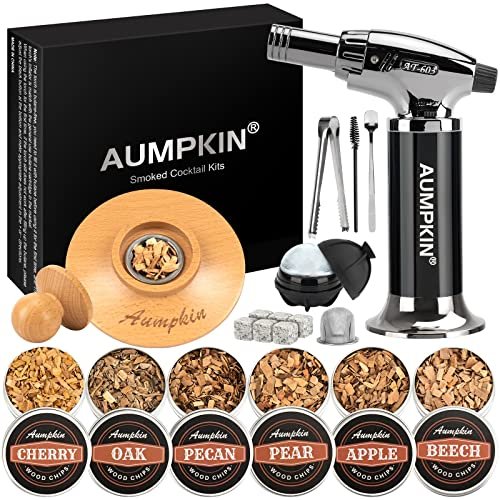
Gas grills lack the natural smoke of charcoal, but adding smoke flavor is possible. Use wood chips designed for grilling. Soak chips in water for 30 minutes to prevent quick burning.
Place soaked chips in a smoker box or wrap in foil with holes. Set the box or packet on the grill’s heat source. Close the lid to trap smoke inside.
Choose wood types based on flavor preference:
- Hickory for strong, smoky taste.
- Applewood for mild, sweet smoke.
- Mesquite for bold, intense flavor.
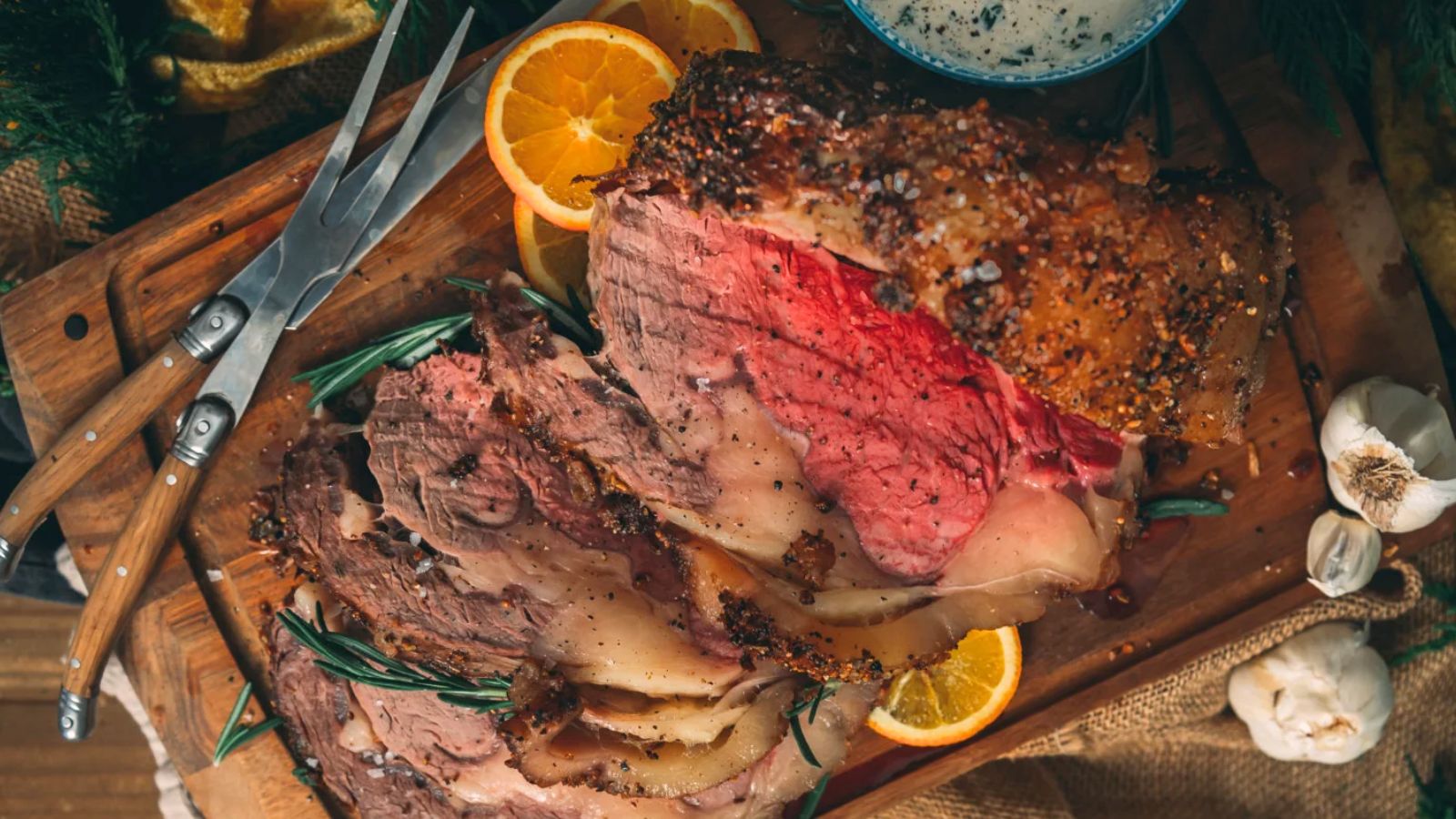
Smoke the prime rib gently during cooking for a subtle, smoky aroma that enhances the meat’s richness.
Credit: girlcarnivore.com
Frequently Asked Questions
How Long Does It Take To Cook Prime Rib On A Gas Grill?
Cooking prime rib on a gas grill typically takes 1. 5 to 2 hours. The exact time depends on the roast size and desired doneness. Use a meat thermometer to ensure the internal temperature reaches 130°F for medium-rare.
What Temperature Should A Gas Grill Be For Prime Rib?
Set your gas grill to medium-high heat, around 350°F to 400°F. This temperature sears the roast’s outside while cooking it evenly inside. Use indirect heat to avoid burning and ensure a juicy prime rib.
Should I Marinate Or Season Prime Rib Before Grilling?
It’s best to season prime rib with salt, pepper, and herbs rather than marinate. A simple dry rub enhances the beef’s natural flavors. Apply seasoning at least 30 minutes before grilling for best results.
How Do I Know When Prime Rib Is Perfectly Cooked?
Use a meat thermometer to check doneness. Medium-rare prime rib should reach 130°F internally. Let the roast rest for 15 minutes after grilling; its temperature will rise slightly and juices will redistribute.
Conclusion
Grilling prime rib on a gas grill brings great flavor and fun. Start with good meat and prepare your grill carefully. Watch the temperature and cook times closely for best results. Let the meat rest after cooking to keep it juicy.
Serve with your favorite sides and enjoy a delicious meal. Cooking prime rib outdoors is easier than you think. Give it a try and impress your family or friends. Simple steps lead to tasty, memorable dinners every time.