Are you ready to make a prime rib that melts in your mouth without spending hours in the kitchen? Cooking a prime rib in a slow cooker is easier than you think, and the results will impress everyone at your table.
Imagine tender, juicy meat infused with rich flavors, all while you relax and let your slow cooker do the work. In this guide, you’ll discover simple steps and expert tips to turn your slow cooker into the secret weapon for a perfect prime rib every time.
Keep reading, and you’ll be serving a delicious, restaurant-quality meal with minimal effort.
Credit: rackless.com
Choosing The Right Prime Rib
Choosing the right prime rib is key for a delicious slow cooker meal. The cut you pick affects tenderness and flavor. This section helps you find the best prime rib for your recipe. Focus on the cut, size, and quality to get the perfect roast.
Selecting The Cut
Prime rib comes from the rib section of the cow. It has a rich marbling of fat that adds flavor. Look for a standing rib roast with bones. The bones help keep the meat juicy during cooking. Boneless prime rib also works but may cook faster.
Size And Weight Considerations
Choose a size that fits your slow cooker. Most slow cookers handle 3 to 5 pounds easily. For larger groups, pick a bigger roast but check the cooker’s capacity. A 3-rib roast usually weighs about 4 to 5 pounds. Smaller roasts cook faster and may be easier to manage.
Quality Grades To Look For
Prime rib has different quality grades: Prime, Choice, and Select. Prime grade has the most marbling and flavor. It is best for slow cooking. Choice grade is good and more affordable. Select grade has less fat and may be less tender. Pick the highest grade you can afford for the best results.

Credit: ohsweetbasil.com
Preparing The Prime Rib
Preparing a prime rib properly is key to a delicious slow cooker meal. It involves cleaning, seasoning, and resting the meat. Each step helps improve flavor and texture. Careful preparation brings out the best in your prime rib.
Trimming Excess Fat
Start by trimming large fat chunks from the prime rib. Leave a thin layer to keep the meat juicy. Remove thick fat that won't melt during cooking. This prevents greasy flavors and helps spices reach the meat.
Seasoning And Marinades
Coat the prime rib with salt and pepper for a simple, tasty base. Use herbs like rosemary or thyme to add aroma. Marinades with garlic, olive oil, and spices boost flavor deeply. Let the meat soak in seasonings for at least an hour.
Letting The Meat Rest
After seasoning, let the prime rib rest at room temperature. This step allows flavors to settle and meat to cook evenly. Resting for 30 to 60 minutes is ideal. It also helps the meat stay tender during slow cooking.
Setting Up The Slow Cooker
Setting up the slow cooker correctly is key for cooking a delicious prime rib. Begin by placing the seasoned meat inside the cooker. Set the temperature to low and let it cook slowly for tender, flavorful results.
Setting up your slow cooker for a prime rib feast is akin to laying the foundation for a culinary masterpiece. The right setup ensures that your prime rib emerges from the cooker tender, flavorful, and perfectly cooked. Let's dive into the essential steps that will set you up for success.
Choosing The Slow Cooker Size
Selecting the correct slow cooker size is crucial. You want enough space for the prime rib to sit comfortably without being cramped. A 6-quart slow cooker is typically a safe choice for a medium-sized prime rib. If you're feeding a crowd, consider a larger model. Ensure there's at least an inch of space between the meat and the cooker walls for even cooking. Have you ever tried squeezing a roast into a too-small pot? It's a recipe for disaster!
Layering Ingredients
The art of layering ingredients sets the stage for flavor infusion. Start with a bed of vegetables, such as carrots, onions, and celery. They not only impart flavor but also keep the meat elevated for optimal heat circulation. Place the prime rib on top, allowing it to absorb the flavors from below. This setup mimics a roasting rack effect without the need for additional equipment. Have you ever tasted a prime rib that seemed to melt in your mouth? It's often thanks to this strategic layering.
Adding Aromatics And Liquids
Aromatics and liquids are your secret weapons for depth of flavor. Add garlic cloves, rosemary sprigs, and thyme for that classic prime rib aroma. Don't forget the liquid; beef broth or red wine can be wonderful choices. Pour the liquid gently around the sides to avoid washing away the seasoning. This method helps maintain the savory crust that forms on the rib. Can you smell the rich, mouth-watering aroma already? That's the magic of a well-set slow cooker.

Credit: fitslowcookerqueen.com
Cooking Process
Cooking prime rib in a slow cooker transforms this classic roast into a tender, flavorful meal with minimal effort. The key lies in controlling the time and temperature to allow the meat to cook evenly and retain its juiciness. Understanding the cooking process will help you achieve a perfect prime rib every time.
Recommended Cooking Times
Slow cookers vary, but generally, cooking prime rib takes between 4 to 6 hours on low heat. Larger cuts require more time, so a 4-pound roast might need around 4 hours, while a 6-pound roast could take up to 6 hours. Avoid rushing the process; slow cooking ensures the meat becomes tender without drying out.
Have you ever tried cooking prime rib too quickly and ended up with a tough texture? Slow cooking gives you the chance to avoid that problem completely.
Temperature Settings
Most slow cookers have low, medium, and high settings. For prime rib, use the low setting to cook the meat gently and evenly. High heat might cook the outside too fast, leaving the inside underdone or dry.
If your slow cooker only has low and high, always choose low for prime rib. Some models also let you set a specific temperature, ideally around 190°F to 200°F, which is perfect for slow roasting.
Checking For Doneness
Using a meat thermometer is the most reliable way to check if your prime rib is done. Insert it into the thickest part of the roast, avoiding bones, for an accurate reading.
Look for an internal temperature of 130°F to 135°F for medium rare, 140°F to 145°F for medium, and 150°F to 155°F for medium well. Remember, the meat will continue to cook slightly after you remove it from the slow cooker.
Wondering if you can tell doneness without a thermometer? While you can cut into the meat, it’s best to rely on temperature to prevent losing precious juices.
Finishing Touches
Finishing touches bring out the best in your slow cooker prime rib. These final steps ensure the meat is juicy, flavorful, and beautifully presented. Taking time here makes a big difference in taste and texture.
Resting The Meat
Rest the prime rib for at least 15 minutes after cooking. This allows the juices to settle inside the meat. Cutting too soon causes the juices to spill out. Cover the meat loosely with foil to keep it warm.
Creating A Sauce Or Gravy
Use the slow cooker juices to make a rich sauce or gravy. Pour the drippings into a saucepan and skim off excess fat. Add beef broth, garlic, or herbs for flavor. Simmer until the sauce thickens slightly. This sauce pairs perfectly with the tender prime rib.
Carving Tips
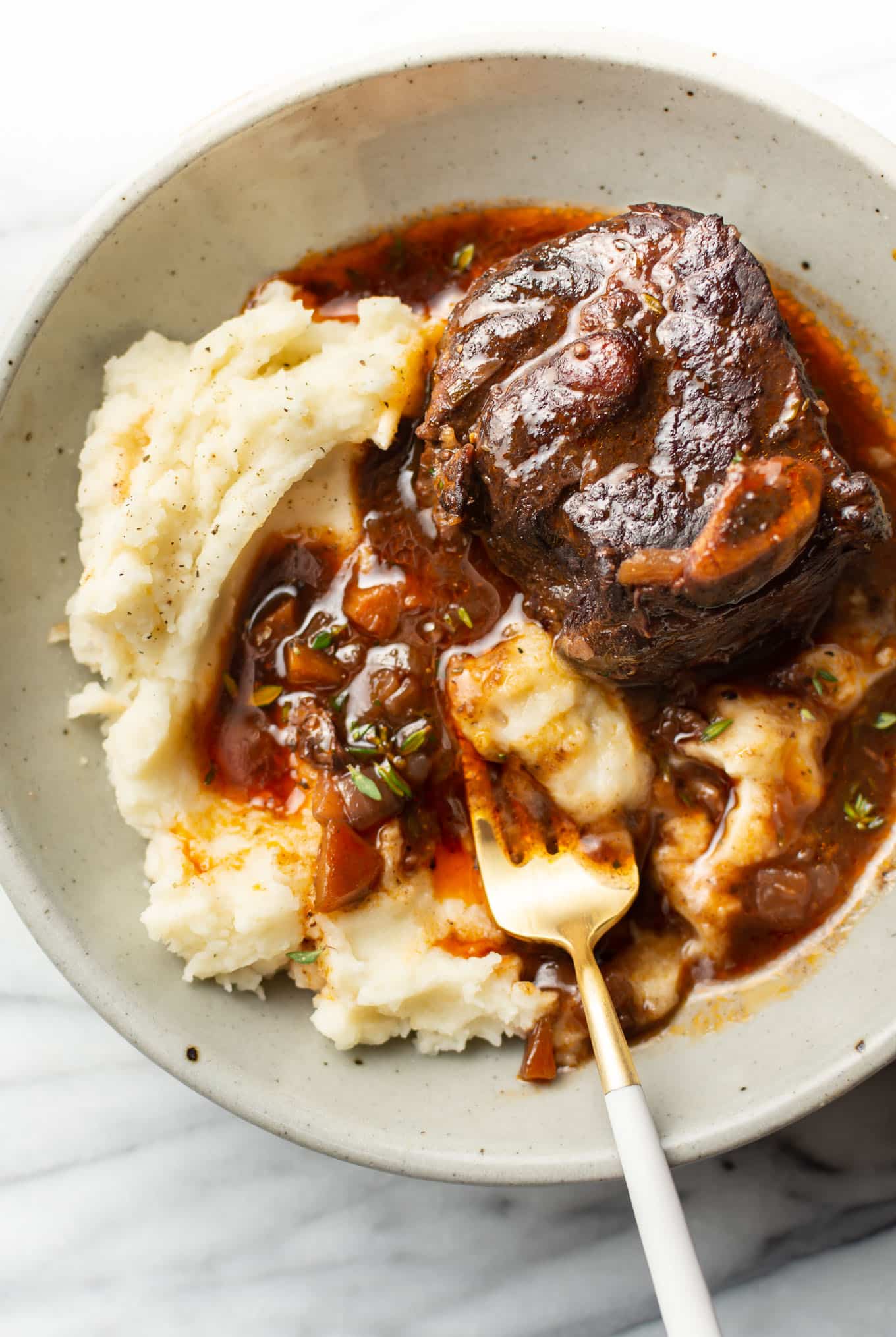
Carve the prime rib against the grain for tender slices. Use a sharp knife for clean cuts. Slice into pieces about half an inch thick. Arrange the slices on a warm platter. Serve immediately to enjoy the best flavor and texture.
Serving Suggestions
Serving a slow cooker prime rib offers a wonderful chance to create a memorable meal. The right sides, drinks, and presentation can highlight the rich flavors of the meat. Planning these elements carefully enhances the dining experience. Each part should complement the prime rib without overpowering it.
Side Dishes Pairings
- Roasted garlic mashed potatoes add creamy texture.
- Steamed green beans bring a fresh, crisp bite.
- Caramelized carrots offer a sweet balance.
- Yorkshire pudding makes a traditional British touch.
- Fresh garden salad with vinaigrette lightens the plate.
- Horseradish sauce provides a spicy kick.
Wine And Beverage Options
- Cabernet Sauvignon pairs well with rich, beefy flavors.
- Merlot offers a smooth, fruity contrast.
- Malbec enhances the smoky notes of the prime rib.
- For non-alcoholic, sparkling water with lemon refreshes the palate.
- Herbal iced tea adds a subtle, cooling effect.
Presentation Ideas
- Slice the prime rib thin for elegant serving.
- Arrange slices on a warm platter with herbs.
- Place sides in colorful bowls around the main dish.
- Use fresh rosemary or thyme sprigs for garnish.
- Serve with small bowls of sauces on the side.
Troubleshooting Common Issues
Cooking prime rib in a slow cooker can be incredibly rewarding, but it’s not without its challenges. Sometimes, the meat turns out drier than expected, or it might not reach the perfect doneness. You might also find that the flavors become too intense or muddled. These common issues can easily throw off your meal, but with some straightforward fixes, you can get back on track quickly.
Dry Meat Solutions
If your prime rib feels dry, it’s often because it cooked too long or at too high a temperature. Try lowering the slow cooker setting to low and increase the cooking time slightly. This gentle heat helps keep the juices inside the meat.
Adding a bit of beef broth or a splash of red wine to the slow cooker can also help maintain moisture. You can baste the prime rib occasionally using this liquid to keep the surface from drying out.
Have you considered resting the meat after cooking? Wrapping it loosely in foil for 15 minutes lets the juices redistribute, making each slice juicier and more tender.
Undercooked Prime Rib Fixes
Sometimes, the prime rib might come out undercooked, especially if it’s a larger cut. The simplest fix is to return it to the slow cooker and continue cooking on low. Check the internal temperature every 15-20 minutes to avoid overcooking.
Using a meat thermometer is essential here. Aim for 130°F for medium-rare or 140°F for medium. If you don’t have a thermometer, cutting into the thickest part to check can work, but it lets juices escape.
Does your slow cooker have a “keep warm” setting? Avoid using it as the main cooking setting because it won’t cook the meat properly and can lead to uneven doneness.
Avoiding Flavor Overload
Slow cookers intensify flavors, which can sometimes overpower the prime rib’s natural taste. Be careful not to over-season or add too many strong herbs and spices at the start.
Consider seasoning lightly before cooking and adding fresh herbs like rosemary or thyme towards the end. This approach gives you control over the flavor intensity.
Have you ever tasted a dish that felt too salty or too spicy? Balancing flavors is key. If you notice the broth or sauce is too strong, dilute it with a bit of water or unsalted broth before serving.
Tips For Best Results
Getting the best results from your slow cooker prime rib depends on a few key practices that ensure perfect doneness and flavor every time. Paying attention to these tips can transform a simple slow-cooked roast into a memorable meal. Let’s look at some practical ways to master this cooking method.
Using A Meat Thermometer
A meat thermometer is your best friend when cooking prime rib in a slow cooker. It takes the guesswork out of knowing when your roast is perfectly cooked.
Insert the thermometer into the thickest part of the meat, avoiding bone and fat. Aim for an internal temperature of 130°F (54°C) for medium-rare, and remember the roast will continue to cook slightly after you remove it.
Have you ever cut into a roast only to find it overcooked? A thermometer prevents that disappointment and helps you serve juicy, tender prime rib every time.
Adjusting For Slow Cooker Variations
Not all slow cookers heat the same way, so it’s important to adjust your cooking time based on your model’s characteristics. If your slow cooker runs hot, shorten the cooking time to avoid drying out the meat.
Consider the size of your prime rib too. Larger roasts need more time, but don’t rush the process by increasing the temperature. Slow and steady cooking keeps the meat tender and flavorful.
Ask yourself: have you noticed uneven cooking or inconsistent results before? Try rotating the roast halfway through cooking to promote even heat distribution.
Making Ahead And Storage
Prime rib cooked in a slow cooker can be prepared a day ahead, which makes it perfect for busy schedules or entertaining. After cooking, let the roast cool slightly before wrapping it tightly in foil and refrigerating.
When ready to serve, reheat gently in a low oven or back in the slow cooker on warm to preserve moisture. Slicing the meat after resting and chilling can make cleaner slices and better presentation.
Do you find leftovers daunting? Store slices in airtight containers with a little beef broth to keep them juicy for up to three days.
Frequently Asked Questions
How Long Does Prime Rib Take In A Slow Cooker?
Prime rib usually takes 4 to 6 hours on low heat in a slow cooker. Cooking time depends on roast size and desired doneness. Use a meat thermometer to ensure the internal temperature reaches 130°F for medium-rare.
Can I Cook Frozen Prime Rib In A Slow Cooker?
It's best to thaw prime rib before slow cooking. Cooking from frozen increases time and may cook unevenly. Thaw the roast in the refrigerator overnight for safe and even slow cooking results.
What Seasoning Works Best For Slow Cooker Prime Rib?
Simple seasonings like salt, pepper, garlic, and rosemary enhance prime rib flavor. You can add herbs or a dry rub before cooking. Avoid overpowering spices to keep the natural beef taste prominent.
Should I Sear Prime Rib Before Slow Cooking?
Searing prime rib before slow cooking locks in juices and adds a rich crust. Brown the roast on all sides in a hot pan for 2-3 minutes before placing it in the slow cooker.
Conclusion
Cooking prime rib in a slow cooker makes dinner simple and tasty. The meat stays juicy and full of flavor. You only need a few steps to get it right. Let the slow cooker do the work while you relax.
Perfect for family meals or special occasions. Try this easy method to enjoy prime rib anytime. Your kitchen will smell amazing, and your guests will be impressed. Give it a try and see how easy cooking prime rib can be.