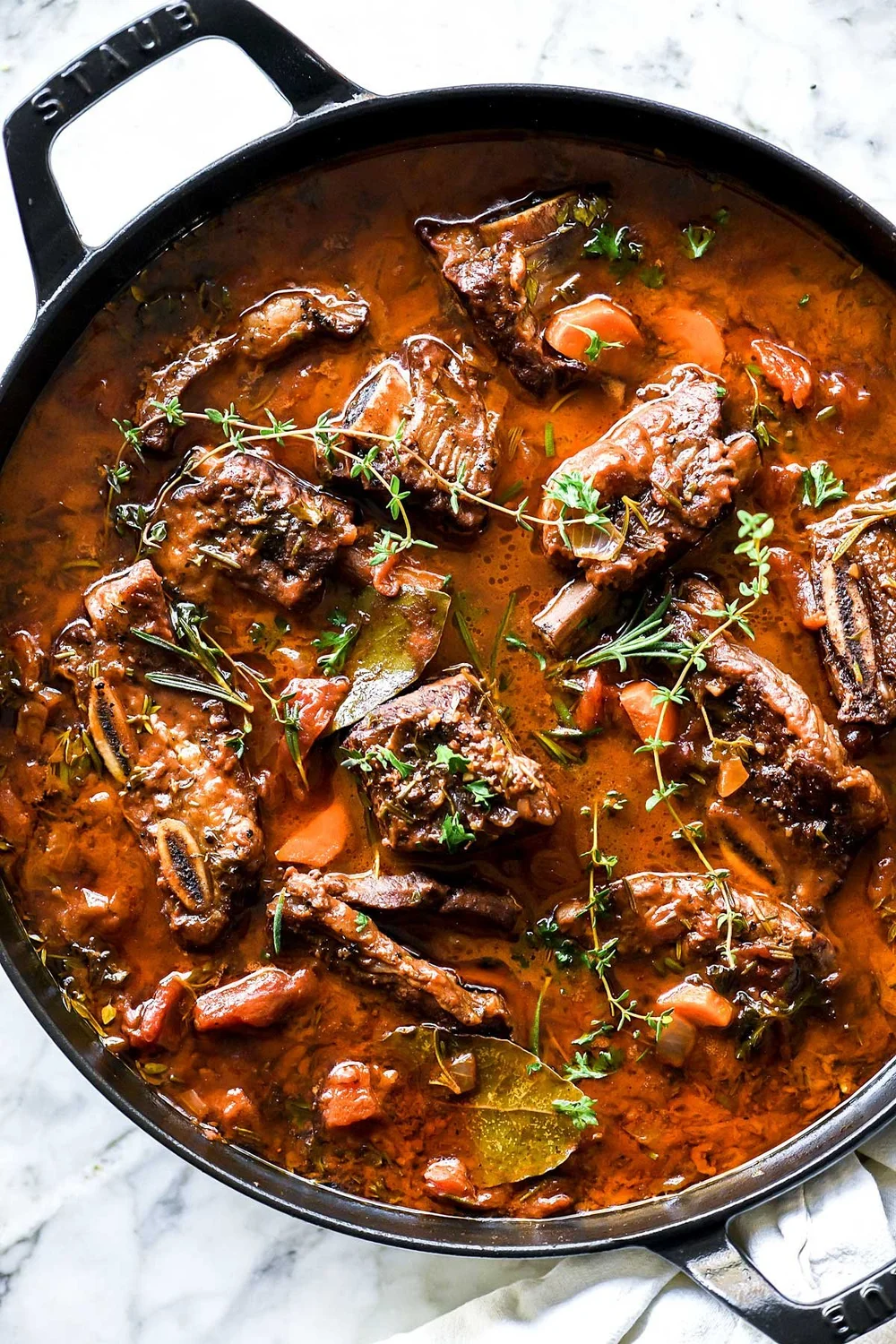
If you want a meal that’s both comforting and impressive, learning how to cook a pot roast in a Dutch oven is the way to go. Imagine tender, juicy meat that melts in your mouth, surrounded by rich, flavorful vegetables—all made in one pot.
You don’t need to be a kitchen pro to create this classic dish. In this guide, you’ll discover simple steps to make a perfect pot roast that will wow your family and friends. Keep reading, and you’ll soon have a recipe that’s easy to follow and hard to forget.
Choosing The Right Cut
Choosing the right cut of meat is key to a delicious pot roast. The cut affects flavor, texture, and cooking time. Tougher cuts work best for slow cooking in a Dutch oven. They become tender and juicy after hours of cooking. Picking the right meat makes your pot roast rich and satisfying.
Best Meat Cuts For Pot Roast
- Chuck roast: well-marbled and flavorful
- Brisket: lean with a hearty taste
- Round roast: leaner but can be tender
- Shoulder roast: great for slow cooking
Chuck roast is the most popular choice. It has fat that melts and adds moisture. Brisket offers a slightly different texture but still works well. Round roast is less fatty but can be tender if cooked slowly. Shoulder roast is affordable and yields great flavor.
Selecting Fresh Ingredients
Freshness matters. Look for meat with a bright red color. Avoid cuts that look dull or have a strong smell. The fat should be white, not yellow. Fresh vegetables also enhance the dish. Choose firm carrots, onions, and potatoes. Fresh herbs add flavor without overpowering.
Preparing The Dutch Oven
Preparing your Dutch oven properly sets the stage for a perfectly cooked pot roast. It ensures even cooking, prevents sticking, and enhances flavor. Taking a few moments to get your Dutch oven ready can make a noticeable difference in your dish.
Seasoning And Preheating
Before adding your ingredients, make sure your Dutch oven is well-seasoned if it’s cast iron. A good layer of seasoning creates a natural non-stick surface. If your Dutch oven is enamel-coated, seasoning isn’t necessary, but you should still preheat it.
Preheating the Dutch oven allows for better browning of the meat. Place it over medium heat for about 5-10 minutes until it’s hot but not smoking. This step helps develop rich flavors by creating a nice sear on your pot roast.
Essential Tools And Equipment
- Heat-resistant gloves:Handling a hot Dutch oven can be tricky. Gloves protect your hands and give you better grip.
- Wooden spoon or silicone spatula:Use these to stir or move ingredients without scratching the surface.
- Tongs:Perfect for turning the roast without piercing the meat and losing juices.
- Lid lifter or potholder:Safely remove the heavy lid to check your roast as it cooks.
Having these tools at hand makes the cooking process smoother and safer. What tools do you always keep near your stove when cooking something slow and steady like a pot roast?
Seasoning The Meat
Seasoning the meat is key for a delicious pot roast. It adds taste and helps form a nice crust during cooking. Proper seasoning enhances the beef’s natural flavors and makes each bite more satisfying.
Use simple seasonings to start. Then try marinades to add depth and richness. Both methods prepare the meat well before placing it in the Dutch oven.
Simple Dry Rubs
Dry rubs are quick and easy. They bring out bold, savory flavors without extra liquid. Use a mix of common spices you have at home.
- Salt and pepper: Basics that enhance natural beef taste.
- Garlic powder: Adds a mild, aromatic flavor.
- Onion powder: Gives a subtle sweetness and depth.
- Paprika: Adds mild heat and vibrant color.
- Dried herbs like thyme or rosemary: Provide earthy notes.
Rub the spices evenly over the roast. Let it sit for at least 15 minutes to absorb flavors. This step helps create a tasty crust during searing.
Marinades For Extra Flavor
Marinades soak the meat and tenderize it. They add layers of flavor that dry rubs can't provide. Use an acid, oil, and seasonings in your marinade.
- Acid: Vinegar, lemon juice, or wine soften the meat.
- Oil: Olive or vegetable oil helps carry flavors.
- Seasonings: Garlic, herbs, salt, and pepper boost taste.
Place the roast in a bag or dish with the marinade. Refrigerate for 4 to 24 hours for best results. Pat dry before searing to avoid steaming instead of browning.

Credit: urbanblisslife.com
Searing The Roast
Searing the roast creates a rich, brown crust that locks in juices and adds deep flavor. Heat the Dutch oven until very hot, then cook the meat until golden on all sides. This step makes the pot roast tender and tasty.
Searing the roast is a crucial step in cooking a pot roast in a Dutch oven. It locks in flavors and creates a beautiful crust. This process enhances the overall taste and texture of the dish. A well-seared roast will delight your taste buds with rich and savory flavors.
Techniques For A Perfect Brown
To achieve a perfect brown, start with a hot Dutch oven. Preheat it on medium-high heat. Pat the roast dry with a paper towel. Moisture can prevent a good sear. Season the roast generously with salt and pepper. This helps form a crust. Add oil to the hot Dutch oven. Choose oils with high smoke points, like vegetable or canola oil. Place the roast in the pot carefully. Let it sear without moving for 3-5 minutes. This allows a nice crust to form. Turn the roast using tongs. Sear each side until all sides are browned.
Common Searing Mistakes
Avoid overcrowding the Dutch oven. Overcrowding lowers the temperature, causing steaming rather than searing. Don't use cold meat. Let the roast sit at room temperature for 30 minutes. This helps it cook evenly. Avoid using butter for searing. It burns quickly and can create a bitter taste. Resist the urge to flip the roast too soon. Patience leads to a better crust. Use a splatter screen to prevent oil splashes. It keeps your kitchen cleaner and safer.
Adding Vegetables And Aromatics
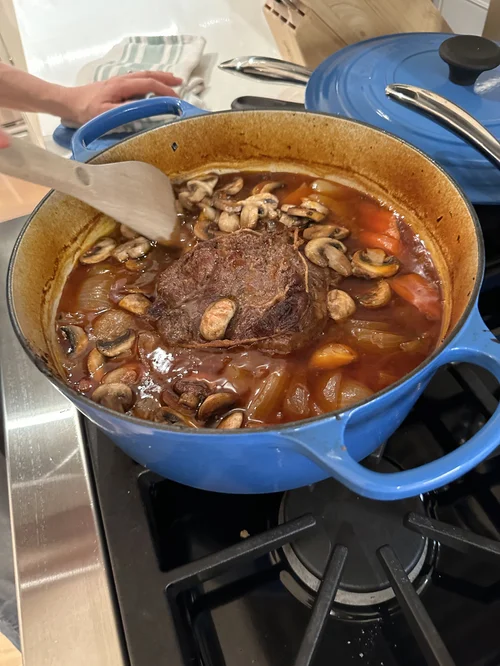
Adding vegetables and aromatics to your pot roast in a Dutch oven brings depth and richness. These ingredients create a flavorful base for the meat to cook in. They also add texture and nutrition to the meal. Choosing the right vegetables and herbs enhances the overall taste and aroma.
Choosing The Right Vegetables
Root vegetables work best for pot roast. They hold up well during long cooking times. Carrots, potatoes, and parsnips are classic choices. Onions and celery add a nice crunch and sweetness. Cut vegetables into even pieces for uniform cooking. Avoid watery vegetables like zucchini as they may become mushy.
- Carrots
- Potatoes
- Parsnips
- Onions
- Celery
- Garlic cloves
Enhancing Flavor With Herbs And Spices
Fresh herbs add bright and fresh notes. Rosemary and thyme pair perfectly with beef. Bay leaves offer a subtle earthy flavor. Ground black pepper and salt are essential for seasoning. Add garlic for a bold and pungent taste. Use whole spices like peppercorns to infuse the broth gently.
- Fresh rosemary
- Fresh thyme
- Bay leaves
- Garlic cloves
- Salt and black pepper
Credit: www.katieleebiegel.com
Cooking Process
Cooking a pot roast in a Dutch oven is all about controlling heat and timing to achieve tender, flavorful meat. The cooking process lets the meat slowly break down, soaking up all the spices and vegetables you add. How you manage the oven temperature or opt for a slow cooker method will shape the final taste and texture of your roast.
Oven Temperature And Timing
Set your oven to a low temperature, around 275°F to 300°F (135°C to 150°C). This slow and steady heat melts the connective tissue, making the roast fall-apart tender. You’ll want to cook the pot roast for about 3 to 4 hours, depending on the size of your meat.
Cover the Dutch oven with its lid to trap moisture. This creates a mini steam environment that keeps the roast juicy. Check halfway through to see if you need to add broth or water to keep the bottom from drying out.
Using A Slow Cooker Method
If you prefer a hands-off approach, the slow cooker method works just as well. Transfer your seared pot roast and veggies into the slow cooker and set it on low for 8 to 10 hoursor high for 4 to 5 hours. This gentle heat breaks down tough fibers without drying the meat.
The slow cooker also allows flavors to meld over time. You might find the meat even more flavorful compared to the oven method. Would you try adding a splash of wine or balsamic vinegar to your slow cooker for an unexpected flavor twist?
Checking For Doneness
Checking for doneness is a key step in cooking pot roast in a Dutch oven. It ensures the meat is cooked just right. Overcooked roast becomes dry. Undercooked roast stays tough and chewy. Knowing when your pot roast is done helps achieve tender, flavorful results.
Two simple ways to check for doneness are by observing the meat’s texture and using a meat thermometer. Both methods give clear signs that the roast is ready to serve.
Signs Of Tender Meat
- The meat should easily pull apart with a fork.
- It feels soft and breaks apart without much force.
- Juices run clear or slightly pink, not red or bloody.
- The surface looks moist, not dry or crusty.
- The roast shrinks slightly from the bone if there is one.
If the meat resists pulling or feels firm, it needs more cooking time. Check again after 15-20 minutes.
Using A Meat Thermometer
Insert the thermometer into the thickest part of the roast, avoiding bones. The ideal temperature for pot roast is between 190°F and 205°F (88°C to 96°C). This range allows the collagen to break down, making the meat tender.
| Temperature | Doneness | Texture |
|---|---|---|
| 145°F (63°C) | Medium Rare | Too tough for pot roast |
| 160°F (71°C) | Medium | Still firm, not tender |
| 190°F - 205°F (88°C - 96°C) | Well Done | Perfectly tender and juicy |
Remove the roast once it reaches this temperature range. Let it rest covered for 15 minutes. Resting allows juices to redistribute and improves tenderness.
Resting And Serving
Resting and serving a pot roast cooked in a Dutch oven is an essential step. It helps the meat stay juicy and tender. Letting the roast rest allows the juices to settle. This makes every bite flavorful and moist.
Serving the pot roast with the right sides completes the meal. Choose dishes that complement the rich, savory flavors. A thoughtful presentation enhances the dining experience.
Resting Time For Juiciness
After removing the pot roast from the Dutch oven, let it rest uncovered. A rest time of 15 to 20 minutes works best. This pause allows the juices to redistribute inside the meat. Cutting the roast too soon causes the juices to spill out. The result is dry, less tasty meat. Cover the roast loosely with foil while resting. This keeps it warm but prevents steaming, which can soften the crust.
Serving Suggestions And Side Dishes
Serve the pot roast sliced against the grain for tenderness. Arrange the slices on a warm platter with the cooking juices drizzled over.
- Mashed potatoes soak up the rich sauce perfectly.
- Roasted root vegetables add sweetness and color.
- Steamed green beans or broccoli bring freshness and crunch.
- Buttery dinner rolls or crusty bread help mop up juices.
- A simple salad with a light vinaigrette balances the meal.
These sides create a balanced plate with different textures and flavors. The combination makes your pot roast meal hearty and satisfying.
Troubleshooting Tips
Check the heat to prevent burning or undercooking. Use a meat thermometer to ensure the roast reaches the right temperature. Stir occasionally to avoid sticking and keep flavors balanced.
Cooking a pot roast in a Dutch oven can be a rewarding experience. Sometimes, things don't go as planned. But don't worry. Here are some troubleshooting tips.
Fixing Dry Or Tough Roast
A roast can dry out if cooked too long. To fix this, add moisture. Pour beef broth or water over the roast. Cover and let it simmer for 15 minutes. This helps the meat absorb the liquid. If the roast is tough, let it cook longer. Low and slow is the key. The connective tissues need time to break down. Check every 20 minutes. The meat should be fork-tender.
Adjusting Flavor And Texture
Sometimes, the roast might lack flavor. Use herbs and spices to enhance taste. Add garlic, rosemary, or thyme. These add depth to the dish. If the texture seems off, check the vegetables. Overcooked veggies turn mushy. Under-cooked veggies are hard. Add vegetables halfway through cooking. This ensures they remain firm but tender. Taste the gravy too. If it's bland, season with salt and pepper. A splash of vinegar can add a tangy twist.

Credit: gratefulgrits.com
Frequently Asked Questions
What Is The Best Cut Of Meat For Pot Roast?
Chuck roast is the best choice for pot roast. It becomes tender and flavorful when slow-cooked in a Dutch oven. This cut has enough fat and connective tissue to stay moist and juicy during long cooking.
How Long Should I Cook Pot Roast In A Dutch Oven?
Cook the pot roast for about 3 to 4 hours at low heat. This slow cooking breaks down tough fibers and makes the meat tender. Check for tenderness with a fork before serving.
Can I Cook Vegetables With The Pot Roast?
Yes, add vegetables like carrots, potatoes, and onions. Place them around the meat in the Dutch oven. They absorb flavor and cook perfectly alongside the roast.
Should I Sear The Meat Before Slow Cooking?
Searing the meat first is recommended. It locks in juices and adds a rich, caramelized flavor. Brown all sides in hot oil before adding liquid and vegetables.
Conclusion
Cooking a pot roast in a Dutch oven is simple and rewarding. The slow cooking makes the meat tender and juicy. You only need a few ingredients and some time. The Dutch oven keeps heat even for perfect results. Serve your pot roast with vegetables or your favorite sides.
This method fits any skill level in the kitchen. Enjoy a warm, hearty meal that feels like home. Try it once, and it will become a favorite dinner choice. Cooking at home can be easy and delicious.